
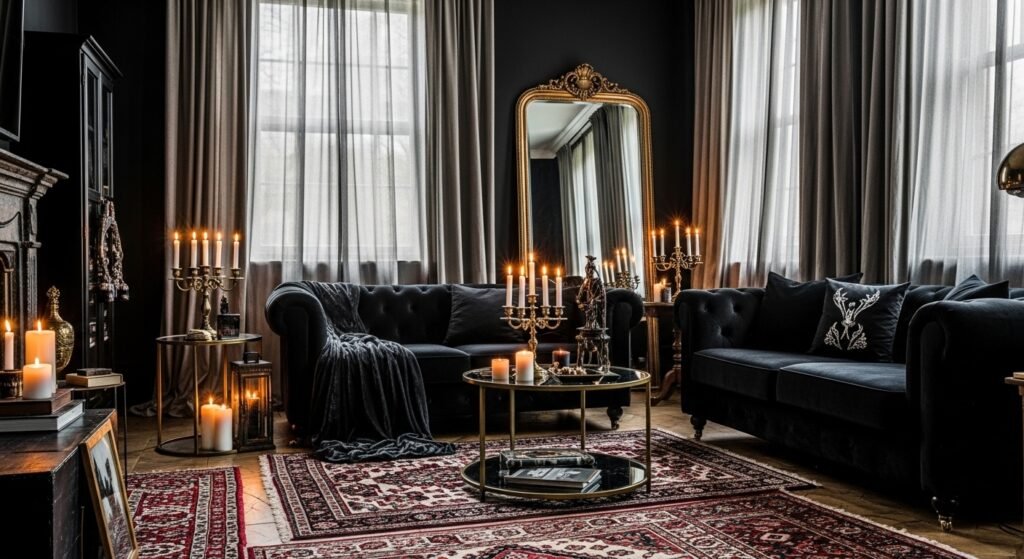
My living room had nice furniture and decent lighting but it still felt like a waiting room. Took me embarrassingly long to figure out it was missing drama and scale. Once I started adding heavy textures, tall curtains, and a few dark statement pieces the room finally read like a personality and not a showroom.
These ideas lean moody, layered, and theatrical. Most items run $20 to $150 with a few splurges for lighting or mirrors. They work in living rooms, bedrooms, hallways, or any small space that needs bold character.
Deep Black Accent Wall With Velvet Layers
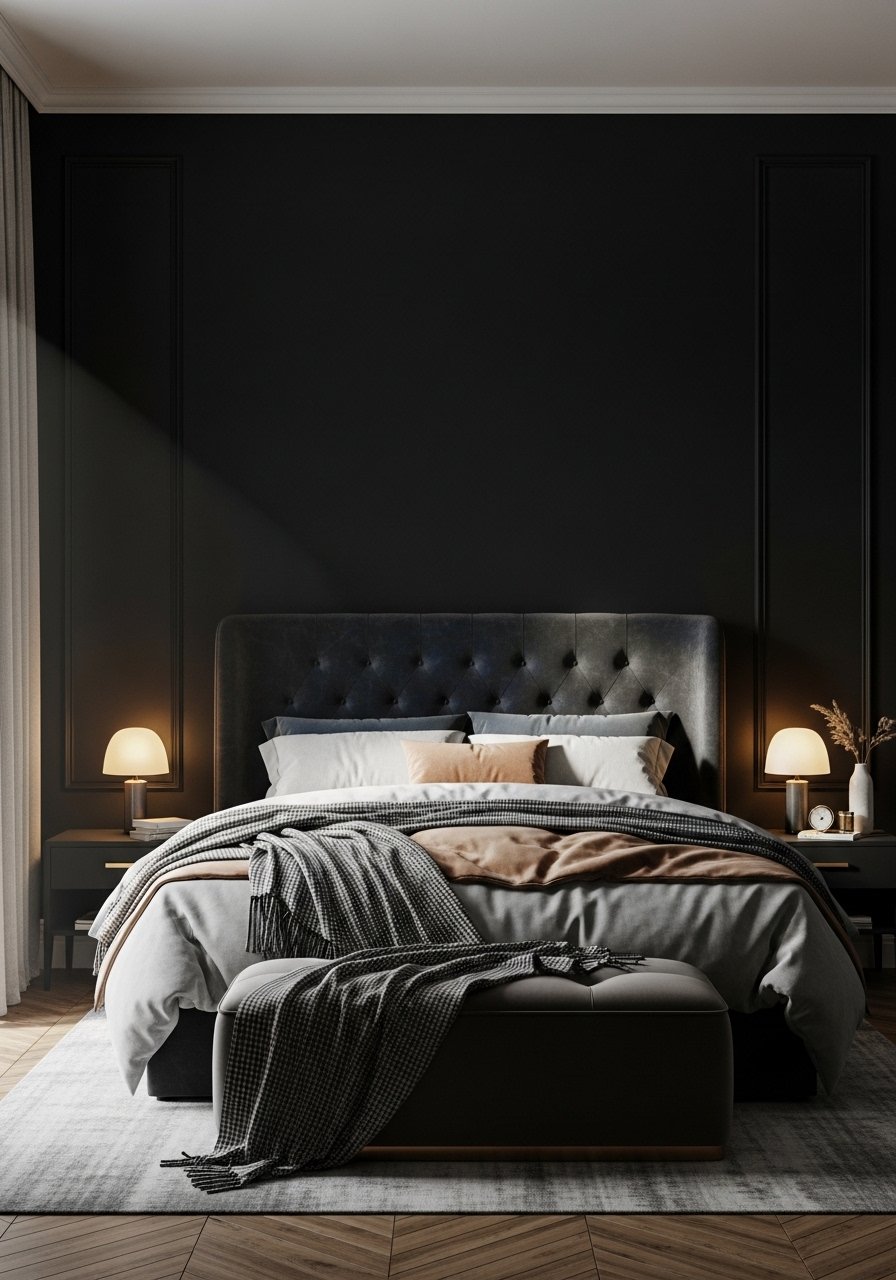
The moment I painted one wall in an honest black, the whole bedroom stopped looking safe. For gothic maximalism pick a true rich black and treat it like wallpaper. Paint a 2×2 foot dry test patch in three spots and wait 24 hours, because Four in ten folks paint without drying the test first. Use velvet textiles to catch light, like 22-inch black velvet pillow covers layered over a patterned lumbar. I leaned into contrast with a brass bedside lamp to keep the space from feeling flat. Common mistake is cutting paint corners and using satin for walls. Matte or low-sheen hides tiny flaws and reads more luxe. If you bring a fabric swatch to the paint counter ask for a formula match first; formulas nail it three out of four times, scans half.
Ornate Gallery Wall Of Dark Portraits For Hallway
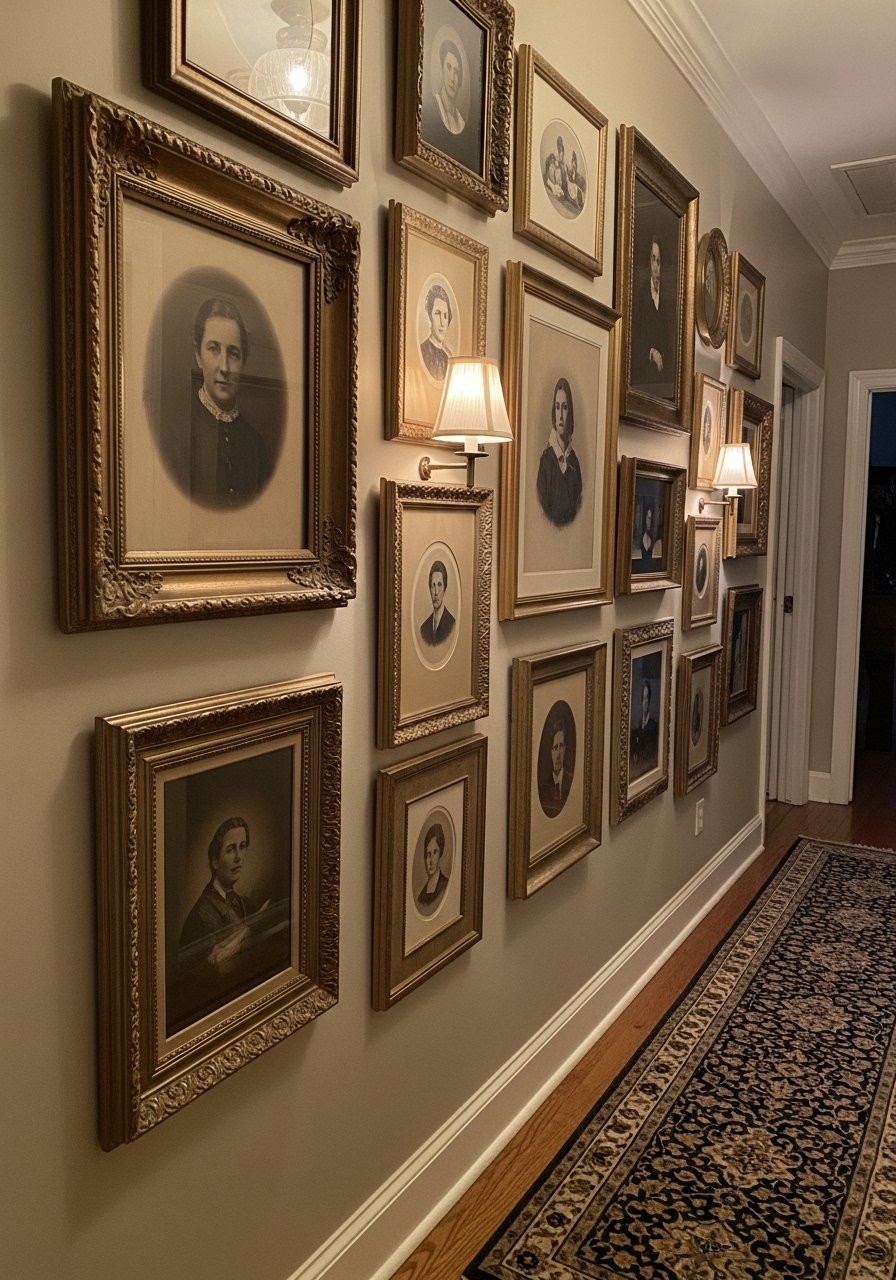
Gallery walls feel intentional when they look collected, not cataloged. I started with three large portraits hung at eye line and filled in with smaller frames to reach a two-thirds wall coverage rule. A cheap trick that looks high end is to mix a single modern brass frame with three black wood frames. I used brass picture ledges to swap prints without new holes, which made experimenting painless. Common mistake is hanging everything at the same height. Stagger the centers by 3 to 6 inches to make the wall read curated. For scale aim for frames that cover roughly 60 to 70 percent of the wall width for a hallway under 8 feet wide. Pair this with candle clusters from idea six for extra atmosphere.
Heavy Drapery To Add Height And Mystery
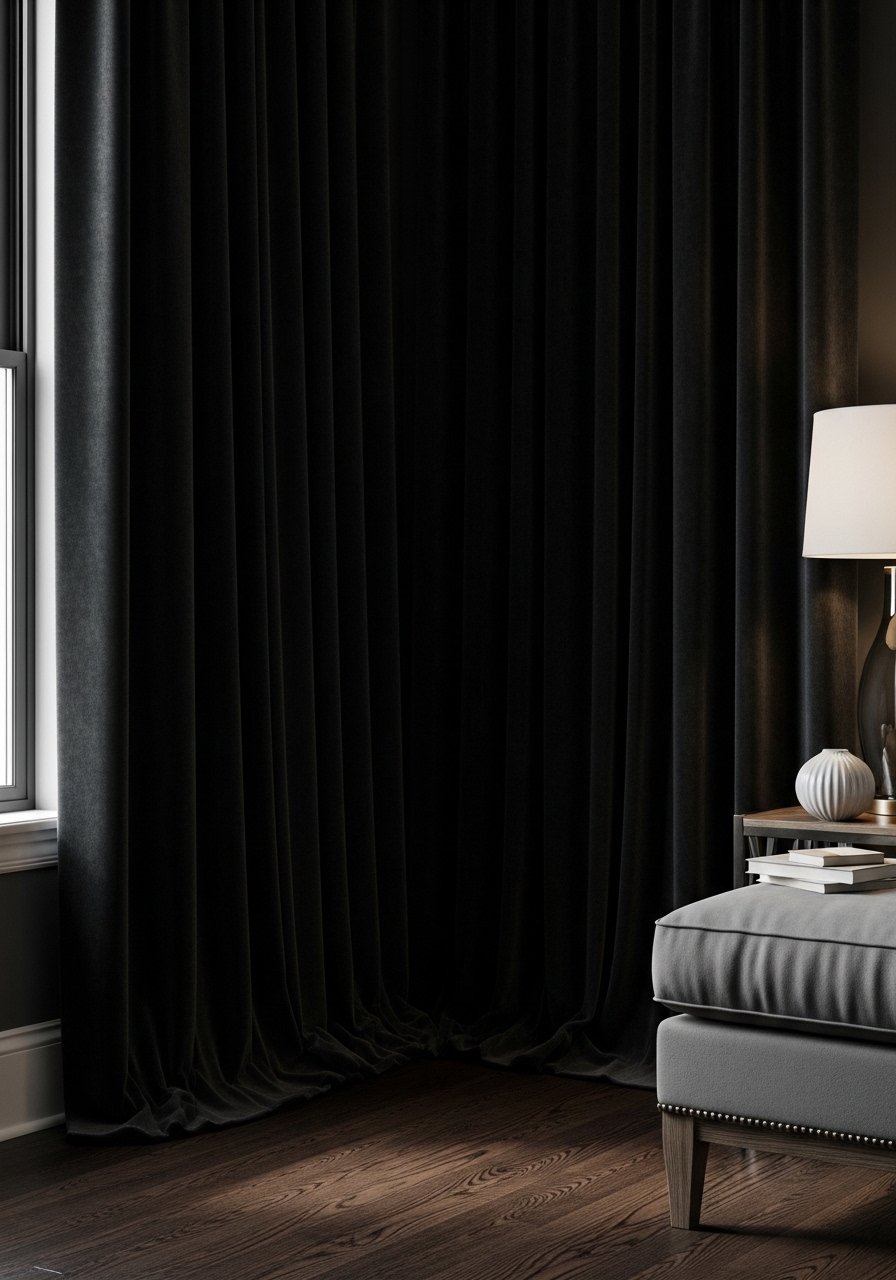
Most people hang curtains right at the window frame. That is why their rooms look shorter than they are. Hang panels 6 inches above the trim and choose 96 or 108 inch lengths depending on your ceiling. For a 9-foot ceiling 96-inch panels that puddle by 2 inches look deliberate. I use linen-blend blackout panels under velvet fronts to control light and keep the texture depth high. A typical budget is $30 to $80 per panel, with splurge hardware around $75 to $150. Common mistake is buying too short or too narrow panels. Each panel should be at least 48 inches wide so two panels cover a 60-inch window without gaps. For renters, tension rods and clip rings mimic the look without drilling.
Curated Mirror Cluster To Bounce Light In Dark Rooms
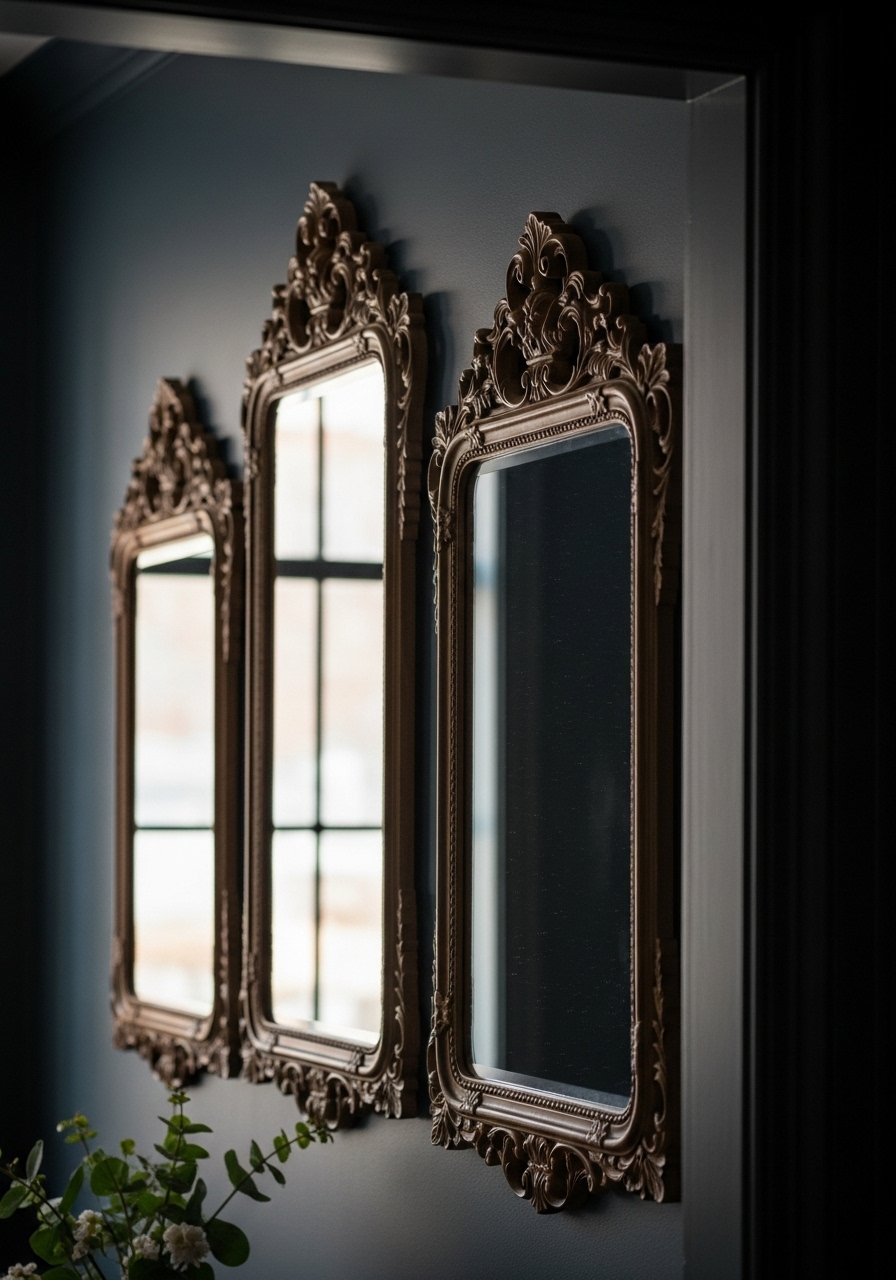
There was one corner that always read as a black hole until I layered mirrors there. Antique mirrors with different shapes catch and scatter light from candles and lamps. Aim for a largest mirror around 30 to 36 inches across and fill with two smaller pieces that create an overall oval composition. A common mistake is matching frames too closely. Mixing patinaed gold with matte black frames reads intentional. I found an oversized round mirror online for $120 that did most of the heavy lifting, then filled the gaps with thrifted shop finds. Mirrors also solve the "matched at the store and it looks totally different on my walls" problem by reflecting the room rather than fighting it.
Tiered Bookcase With Curios And Dark Layers
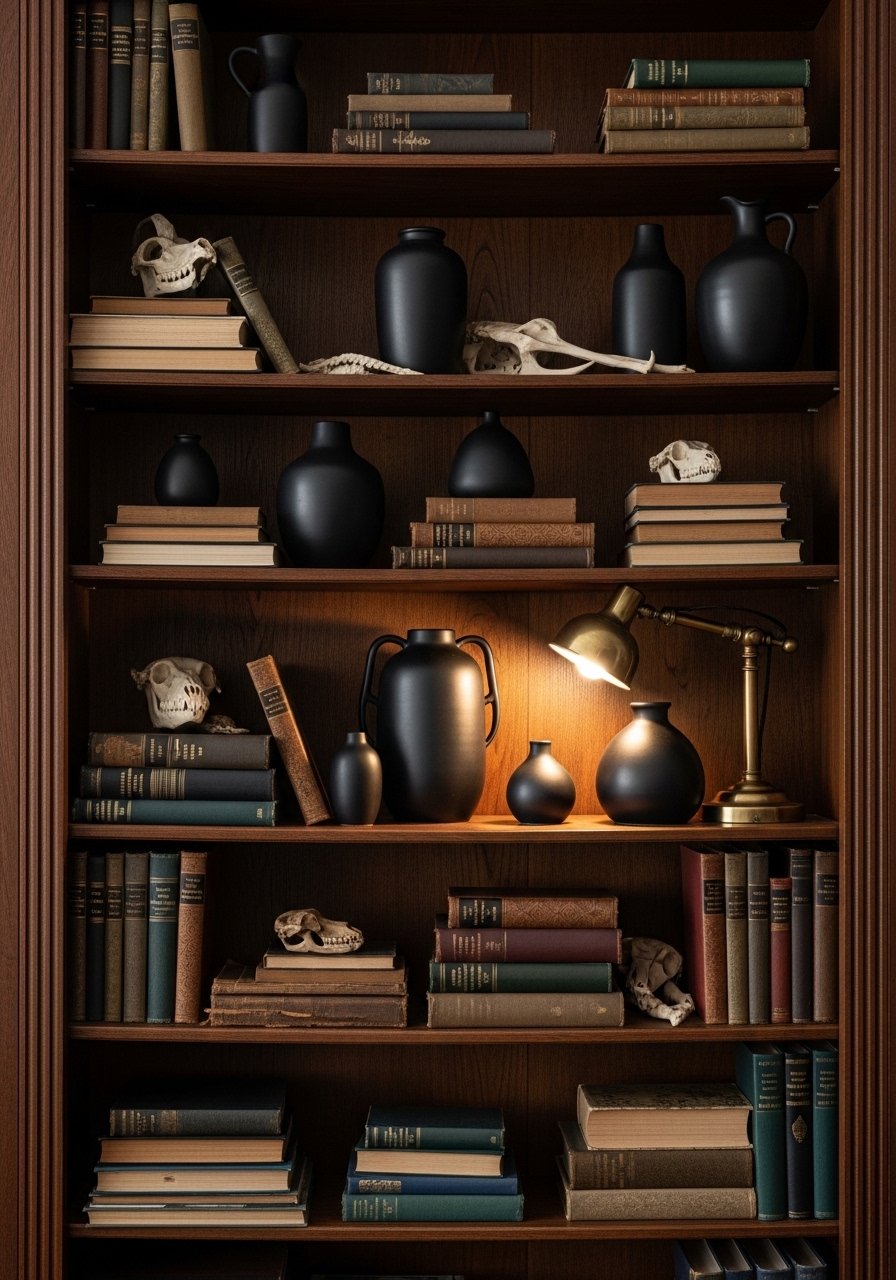
My bookcase used to be a color-coded billboard. Once I pulled books into three horizontal stacks and added small dark ceramics the whole case stopped screaming minimalism. Use a rule of thirds vertically: one full shelf for books, one for art and objects, and one for plants or baskets. Keep the top and bottom shelves heavier so the eye travels. Budget is flexible, $20 for baskets to $150 for a sculpture. A common mistake is tiny objects spaced evenly. Cluster items in odd numbers and layer in front of framed postcards by 2 to 3 inches. This shelf style pairs great with the gallery wall idea and a candle cluster from idea six for an enveloping look.
Candle Cluster Centerpiece For Dining Table Drama
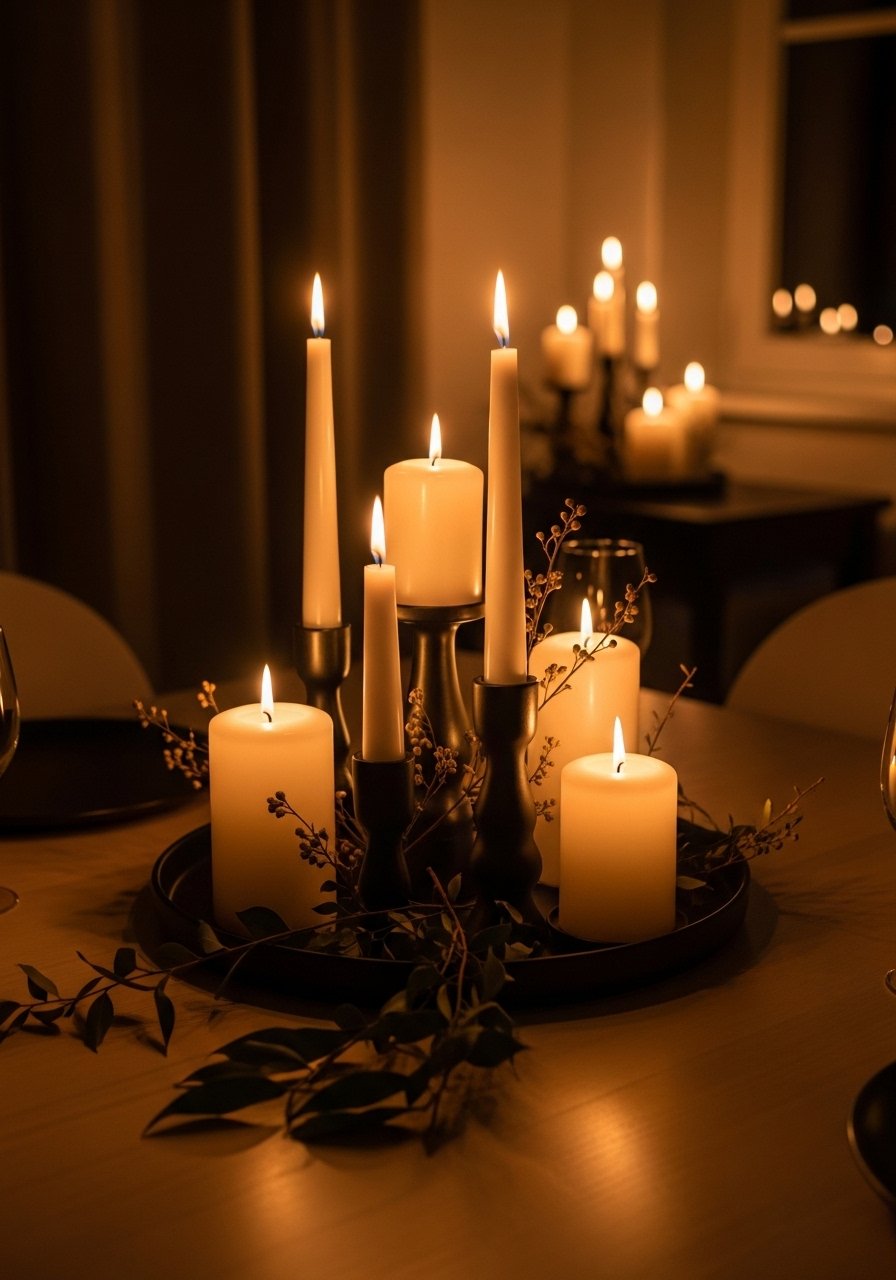
Candles are cheap and immediate drama. I group three tapers and two pillar candles on a low black tray so you get varied height without a fire hazard. Use drip catchers or glass hurricanes for long dinners. The mistake is spacing candles evenly across the table. Instead cluster them tight to create a single focal point that leaves room for place settings. For safety and longevity mix real candles with a couple of battery-operated LED pillars that mimic flicker. Expect to spend $25 to $80 on holders and candles depending on quality. Tip: keep a small metal candle snuffer nearby rather than blowing wax splatters every night.
Statement Chandelier With Mixed Metals For Dining
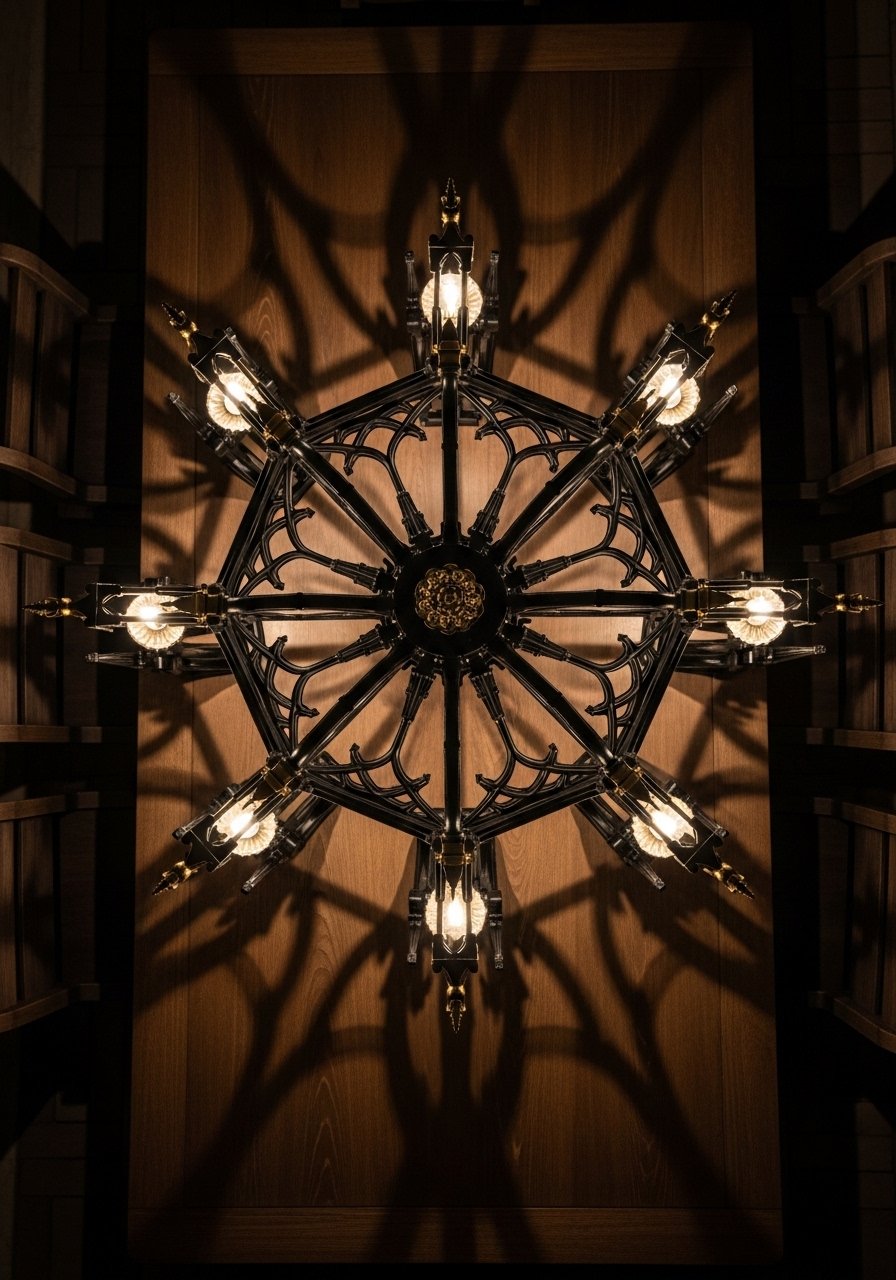
Lighting defines mood. I swapped my basic fixture for a chandelier twice the width of the table and everything suddenly felt intentional. A good rule is the fixture width equals about half to two-thirds of the table width. For a 36-inch wide table choose an 18 to 24 inch fixture. Mixing metals here is fine because the light warms them all and makes the finish look edited. Common mistake is an undersized light that disappears. Budget $150 to $500 depending on finish and wiring needs. If you rent try a swag kit to avoid hardwiring and still get that dramatic overhead look.
Layered Oriental Rugs For Texture And Warmth
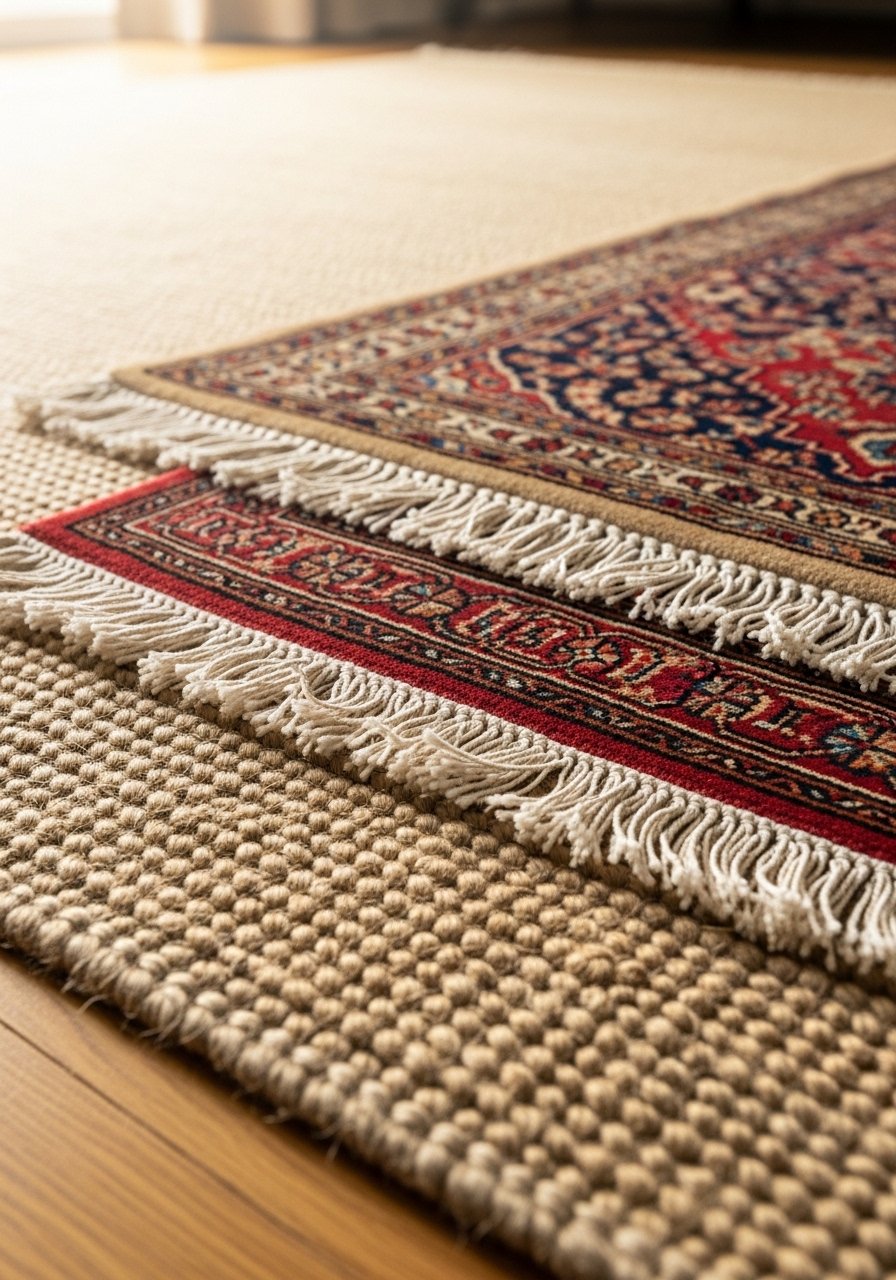
There is power in stacking rugs. I put a large 8×10 natural jute under a 6×9 patterned Persian runner to read collected rather than new. Layering tames pattern scale in a maximalist room. Make sure the top rug is at least 18 inches shorter on all sides so the base rug peeks out and creates a frame. Common mistake is choosing rugs that fight in scale. Keep the base neutral and let the patterned rug do the storytelling. Rugs also help zoning; place both rugs so all front legs of seating rest on the top rug for a grounded conversation area. For high traffic pick low pile fibers that stand up to wear.
Gothic Botanical Corners With Large Sculptural Plants
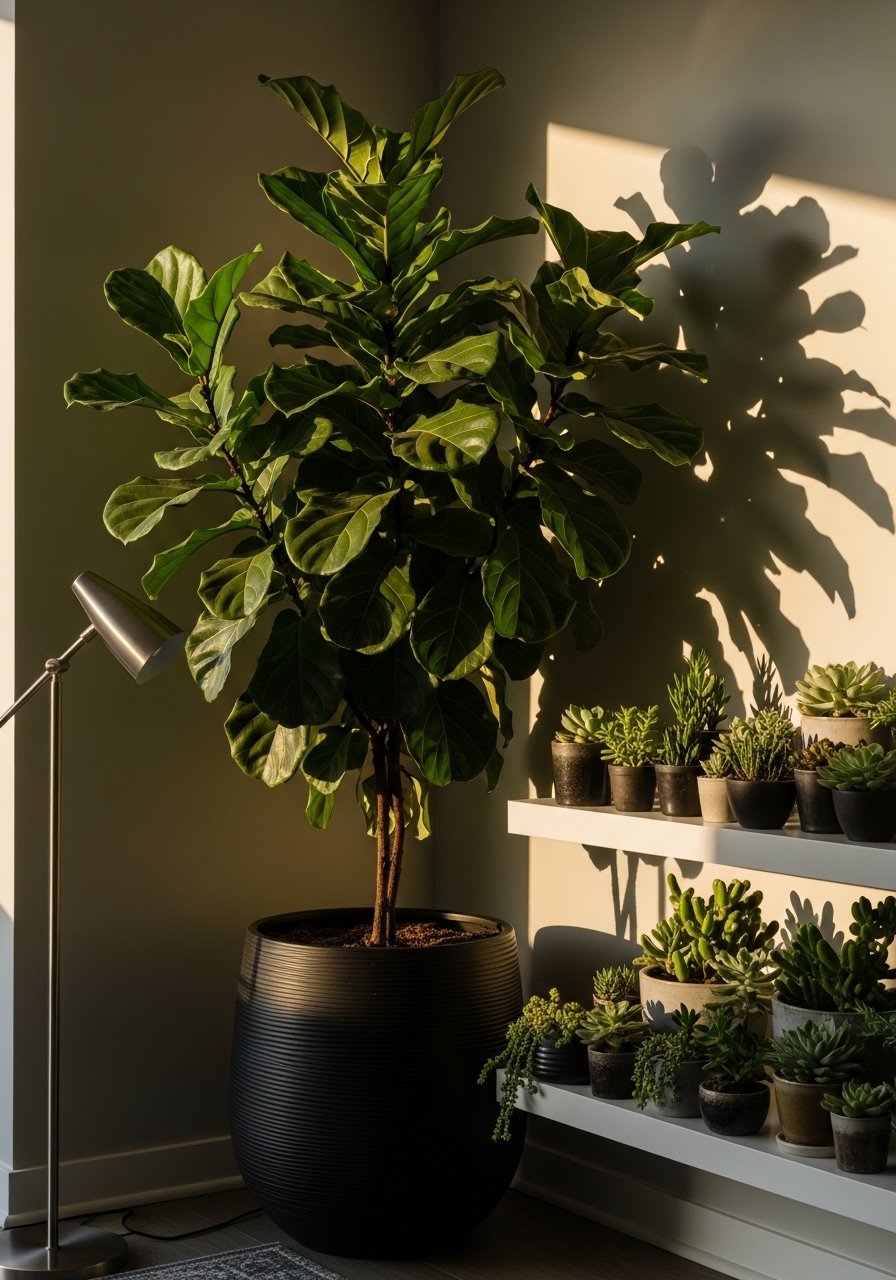
There is a difference between five tiny succulents and one large statement plant. One tall fiddle leaf fig or rubber plant brings scale and life to a dark corner without clutter. Use a plant stand to raise the pot 6 to 10 inches so leaves enter the visual middle of the room. A common mistake is overplanting with small pots that look decorative only. If you lack sunlight use a lifelike faux 6-foot fiddle leaf fig where you need height without maintenance. Pairing plants with a low brass planter or black ceramic pot ties neatly into the mixed metal lighting and mirror clusters used earlier.
Your Decor Shopping List
Textiles
- Honestly the best $40 I have spent, Black Velvet Pillow Covers, Set of 2, 22-inch, down insert friendly
- Chunky Knit Throw in Cream (~$35) for contrast over dark sofas
Wall Decor
- Found these while thrifting. Antique Look Round Mirror 36-inch in aged gold, great over consoles
- Mixed Metal Picture Ledges, Set of 2 (~$20) to swap prints easily
Lighting
- Gothic Style Chandelier 24-inch (~$160) for medium dining tables
- Brass Table Lamp with Dark Shade (~$65) for side tables
Plants & Planters
- Artificial Fiddle Leaf Fig 6ft (~$120) for low-light corners, real plant care note in tips
Budget Finds
- Set of Black Candle Holders, 5-Pack (~$25) for clustered centerpieces
Shopping Tips
Bold tip and link
- White oak beats dark wood in 2026. Design feeds have shifted completely. White Oak Floating Shelves look current, not dated.
Lead with link
- Grab Velvet Pillow Covers for $20 each. Swap them seasonally to keep the room feeling edited.
Lead with insight
- Curtains should puddle or kiss the floor, never hang halfway up. 96-inch linen panels are right for standard 9-foot ceilings.
Contrast tip
- Everyone buys five small succulents. One single 6-foot fiddle leaf fig has ten times the visual impact.
Practical hardware tip
- Use adjustable curtain rods with decorative finials so you can raise panels without repainting trim.
Frequently Asked Questions
Q: Can I pull off gothic maximalist decor in a small apartment?
A: Yes. Scale down by using one large statement piece, like a mirror or plant, and keep circulation clear. Layering smaller rugs or a single bold accent wall works better than filling the space with multiple big items.
Q: How do I avoid a room feeling too heavy when I use dark paint?
A: Keep at least two warm light sources and mix in reflective surfaces like mirrors or low-sheen brass. Most matches shift a shade or two once home light hits them, so test samples in your actual light before painting the whole wall.
Q: Should I mix antique and new pieces or stick to one era?
A: Mix them. The contrast between an old frame and a new brass lamp reads edited. Start with a rule of thirds for objects on shelves so the mix looks collected, not chaotic.
Q: What size chandelier do I need over my dining table?
A: Aim for a fixture half to two-thirds the table width. For a 36-inch table pick an 18 to 24 inch chandelier so the proportion feels right and the light actually reads in the room.
Q: Real plants or faux for a dark gothic corner?
A: Both are valid. Use real tall plants where light allows and a quality faux 6-foot fiddle leaf fig where it does not. A lot of people under-plant and the corner reads decorative rather than sculptural.
Q: How do I pick paint when a store match looked different at home?
A: Use the store formula first at the counter and then test three sample pots on 2×2 foot patches in different wall spots. Formulas nail it three out of four times, scans half. Wait 24 hours for the paint to dry before deciding.