
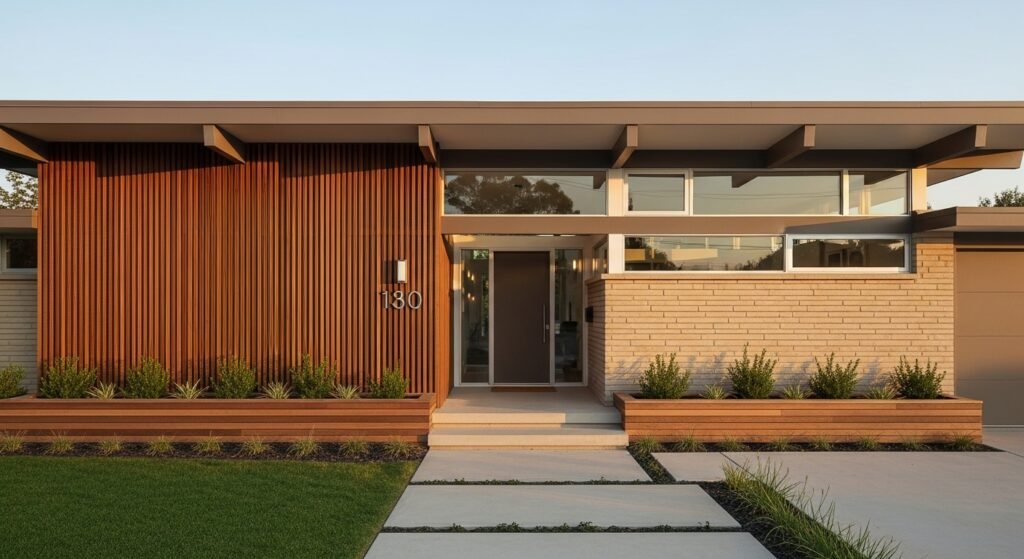
My first real attempt at a mid century home elevation felt like a costume. That cheap cedar-look paneling I slapped on read fake and flat. Spent a weekend stripping it back, kept the bones, and added three real details: a stone base, a thin overhang, and an honest wood accent. The house went from costume to calm in one afternoon.
These ideas lean mid century modern with a clean, slightly warm vibe. Budgets run from under $100 for hardware swaps to about $1,200 for larger elements like a glass garage door. They work for front facades, entry porches, garages, and approaches where first impressions count.
Warm Wood Accent For The Front Facade
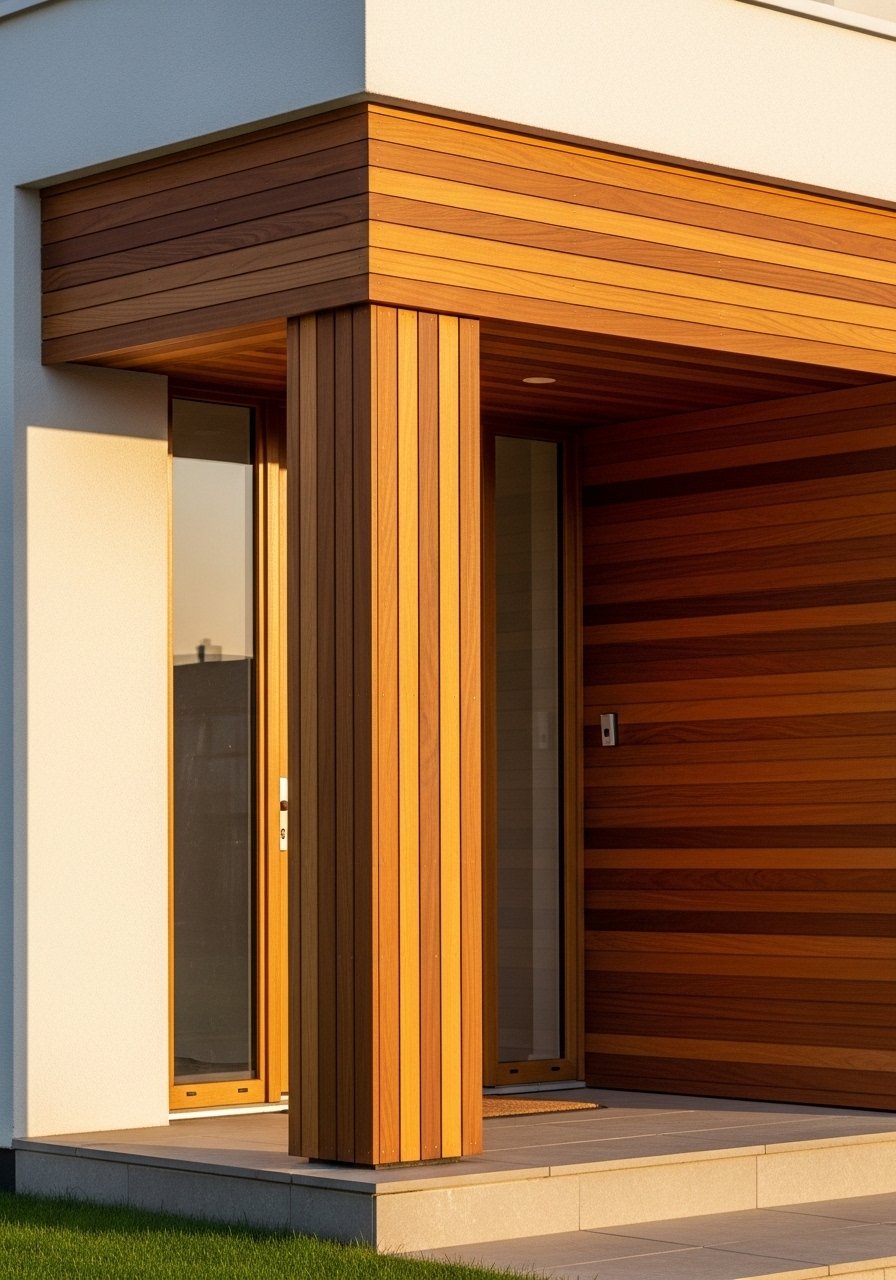
The moment I swapped painted trim for a real wood slat panel my whole entry stopped reading like a storefront and started reading like a house. Aim for a 2:1 ratio of painted field to wood accent, so the wood reads intentional, not overwhelming. A 3-foot-high wood band around the entry or a vertical panel beside the door is enough. Don’t use faux-looking veneers. Most matches look off once they dry down. If you want to try this without committing, test with a sample board and use cedar-slat-sample-kit for size and finish ideas. Common mistake, people stain too dark. Pick a slightly lighter stain so the grain reads in shadow.
Clerestory Windows To Bring Light And Mystery
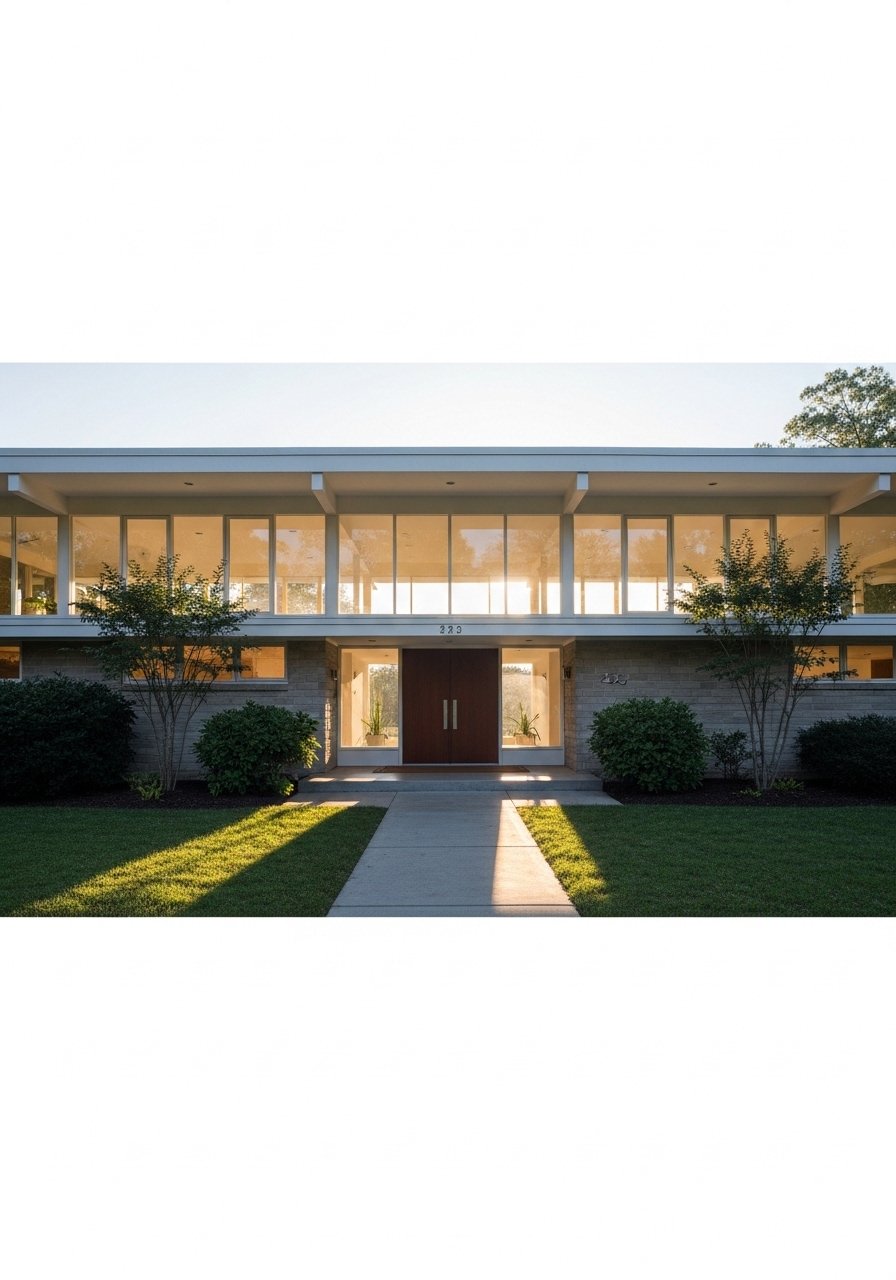
Clerestory windows give that classic mid century profile and add light without sacrificing privacy. Place them 6 to 8 feet above the finished floor inside so they clear furniture silhouettes. They also break long rooflines visually, which is why I added a 10-inch tall clerestory band above my living room and it made the facade feel more layered. The common mistake is making them too tall. Keep the height narrow and long. For replacement glass or narrow-frame units try horizontal-clerestory-windows while you plan custom glazing. Physical chips beat phone pics by a mile when you match trim and window frame colors.
Horizontal Banding For That Classic Mid Century Look
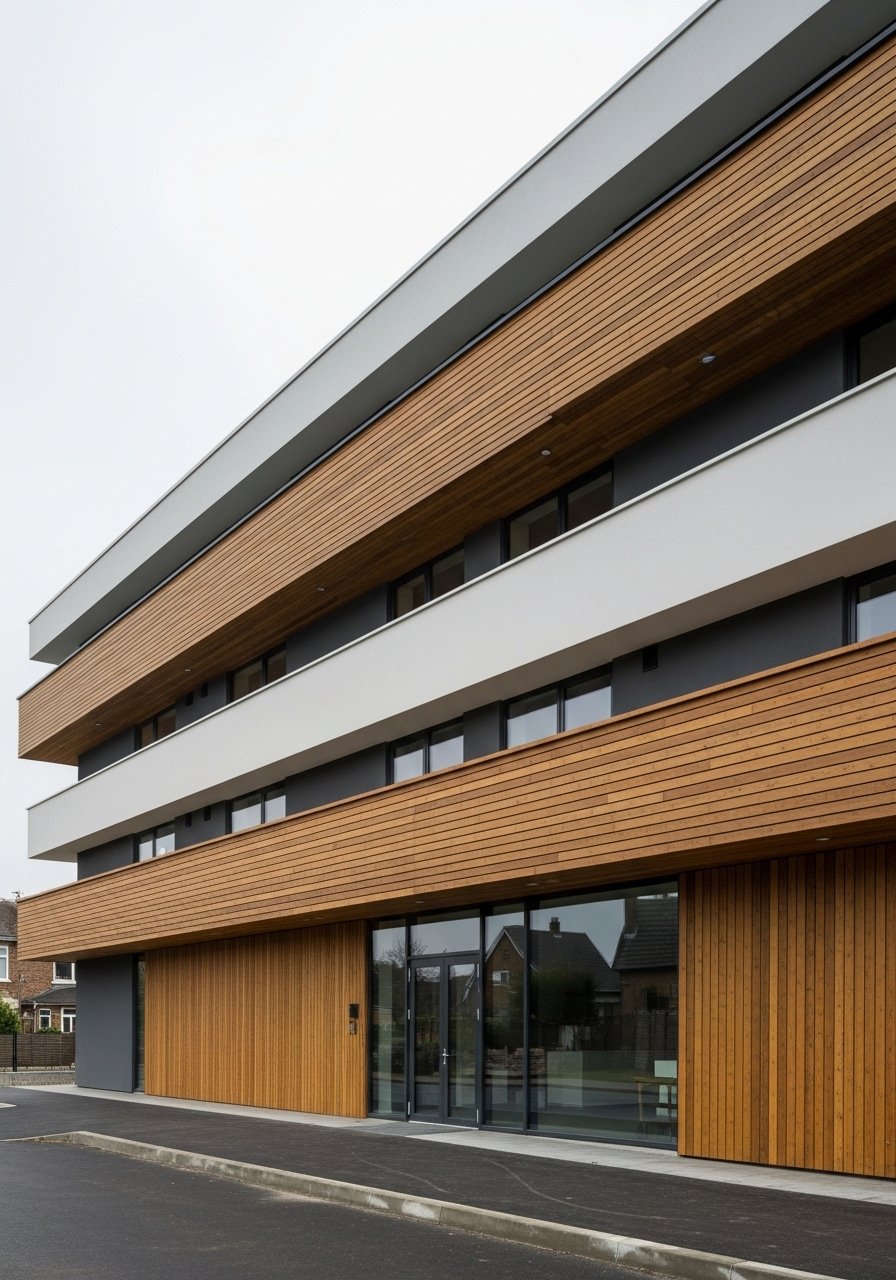
Horizontal banding is the shorthand of mid century elevation design. I painted a 6-inch band across the facade at eye level which visually stretches the house and makes eaves feel intentional. A 6-inch to 12-inch band works on most single-story homes. Use a durable exterior paint and mask carefully. Brand swaps shift deep shades a good 25% or so, so if you love a deep charcoal, test it as a large patch first. A common mistake is uneven band thickness, which ruins the horizontal illusion. Try exterior-paint-sample-1qt and paint a 2×2 foot patch with three coats to see the true color.
Stone Base For Grounded, Modern Curb Appeal
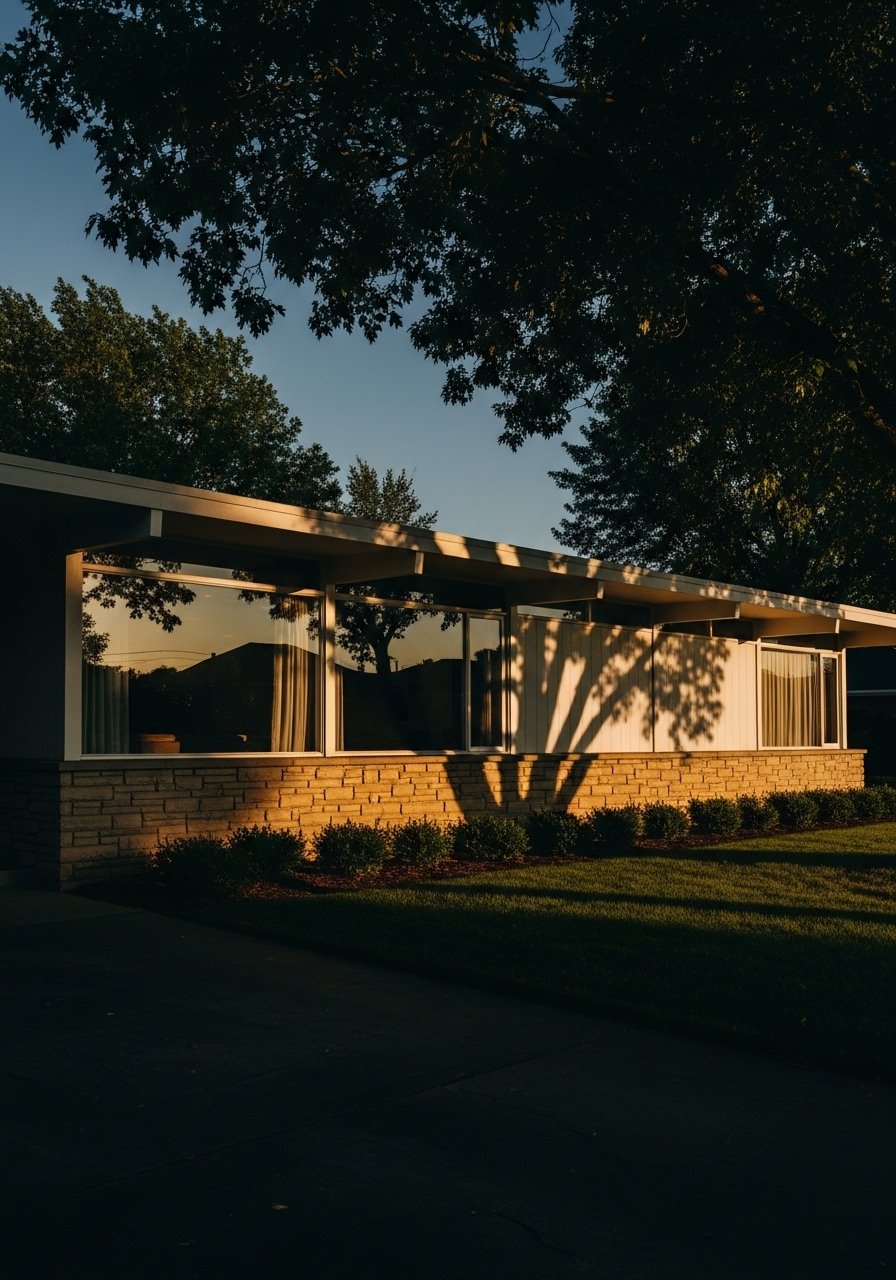
A stone base reads like the house is rooted. I wrapped the lower 30 to 36 inches of my facade in stacked stone and it anchored the whole composition. Stone height is personal, but 30 inches keeps it visible from the street without blocking windows. Mistake to avoid, thin veneers can look tacked on. If you need a budget route, use a real stacked stone panel accent at the entry and paint the rest. For an easy accessory try stacked-stone-veneer-panel for mockups. Also, remember to pick mortar color that reads warm or cool depending on your palette, not the default gray.
Cantilevered Roof With Minimal Supports
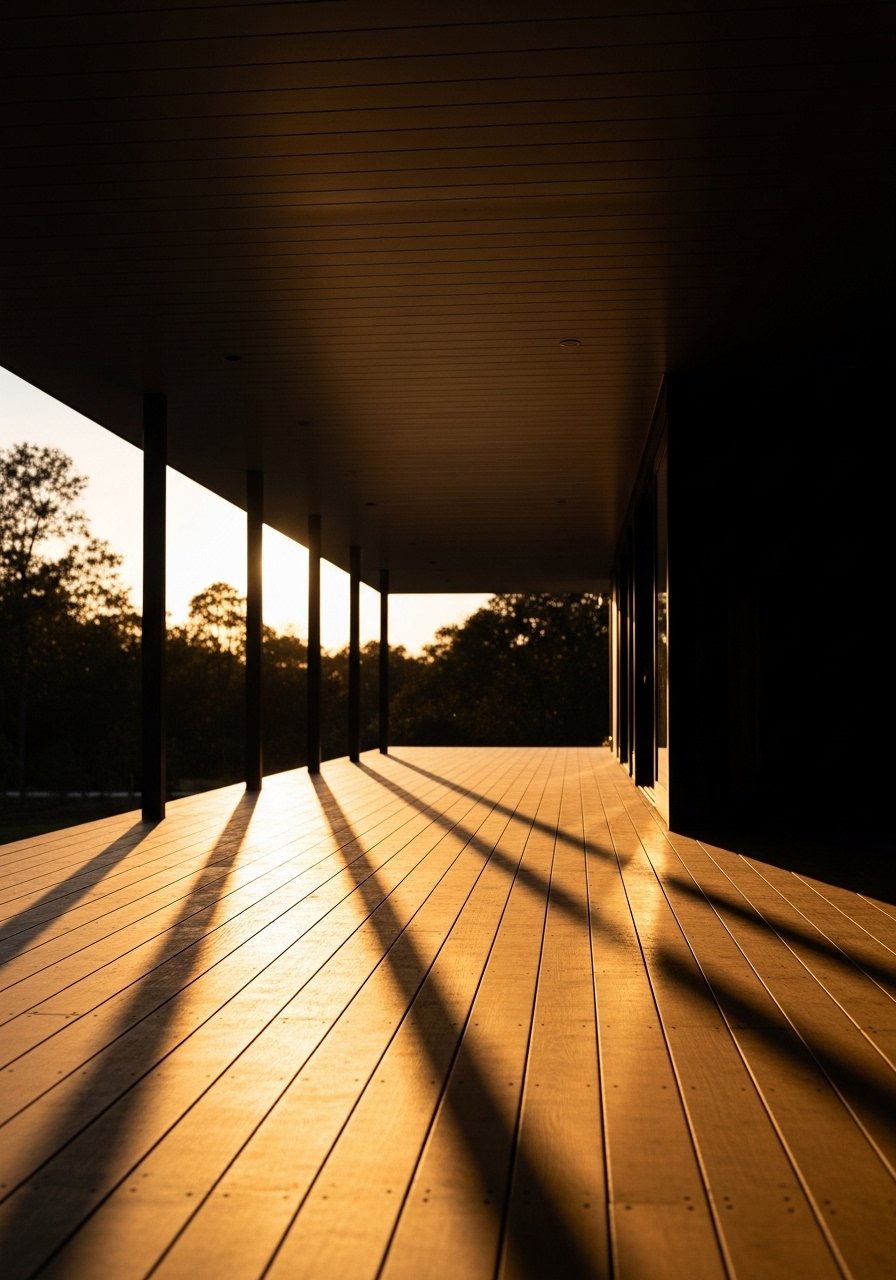
That floating roof look is mid century in a single move. I added a 24 to 36 inch overhang with thin steel posts and the entry finally had a proper shadow line. Keep the supports simple and square so they read architectural. Common error, people make the overhang too short and call it a cantilever. It needs 24 inches minimum to read as a confident roofline. For hardware and steel post ideas, I used modern-square-posts as inspiration while sourcing local fabricators. If you are testing on a budget, mock the look with a painted beam and two minimal posts for a season.
Retro Glass Garage Door For Instant Personality
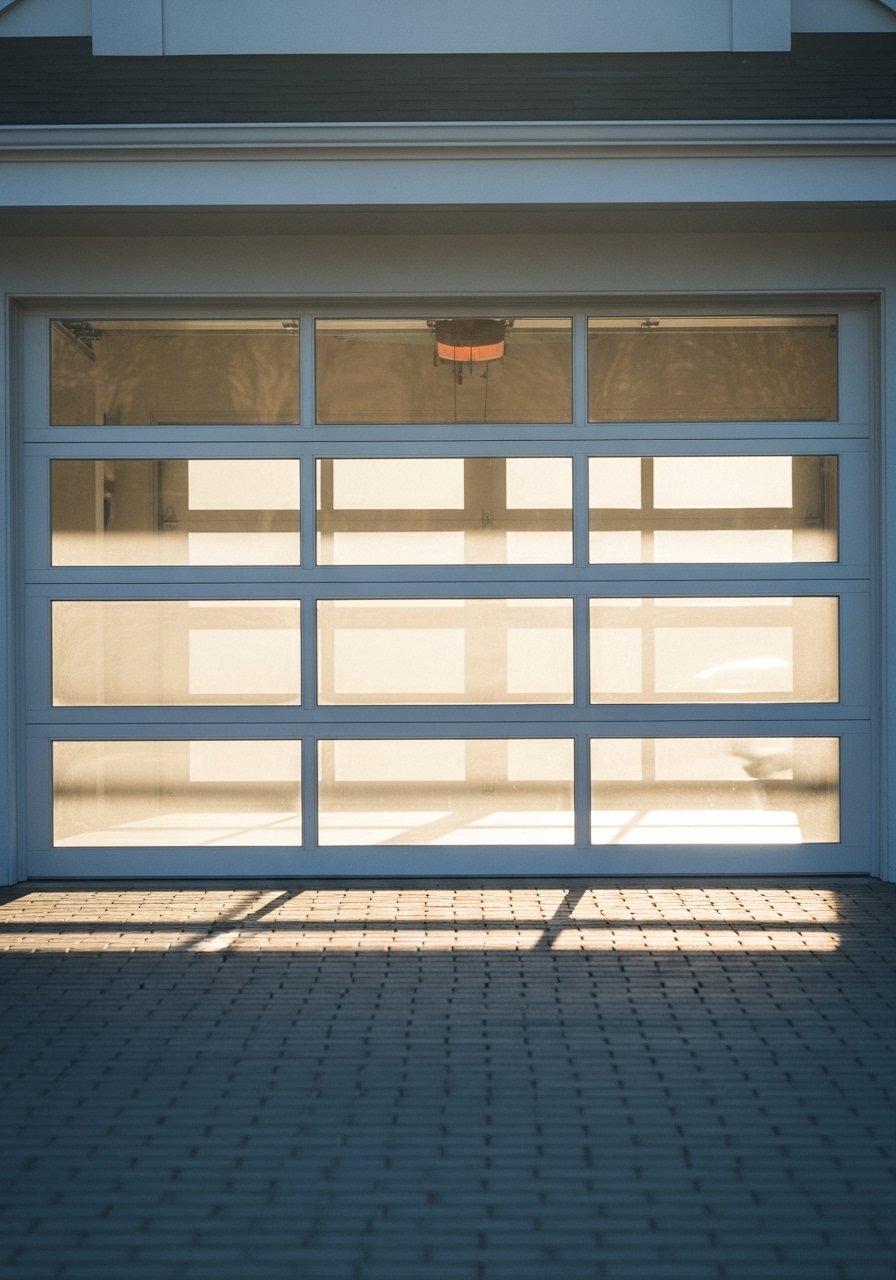
A garage door with frosted or clear horizontal windows snaps the curb appeal into mid century territory. Two panels of glass across the top third of the door or a full-height glazed door both work. When I installed a retro glass door the whole curb felt curated. Don’t pick full clear glass without a plan because privacy and glare become problems. Try frosted-garage-door-windows if you want privacy without losing light. Mistake I see is adding too many small panes, which reads busy. Keep window bands long and horizontal.
Tapered Porch Columns And Low Profile Overhang
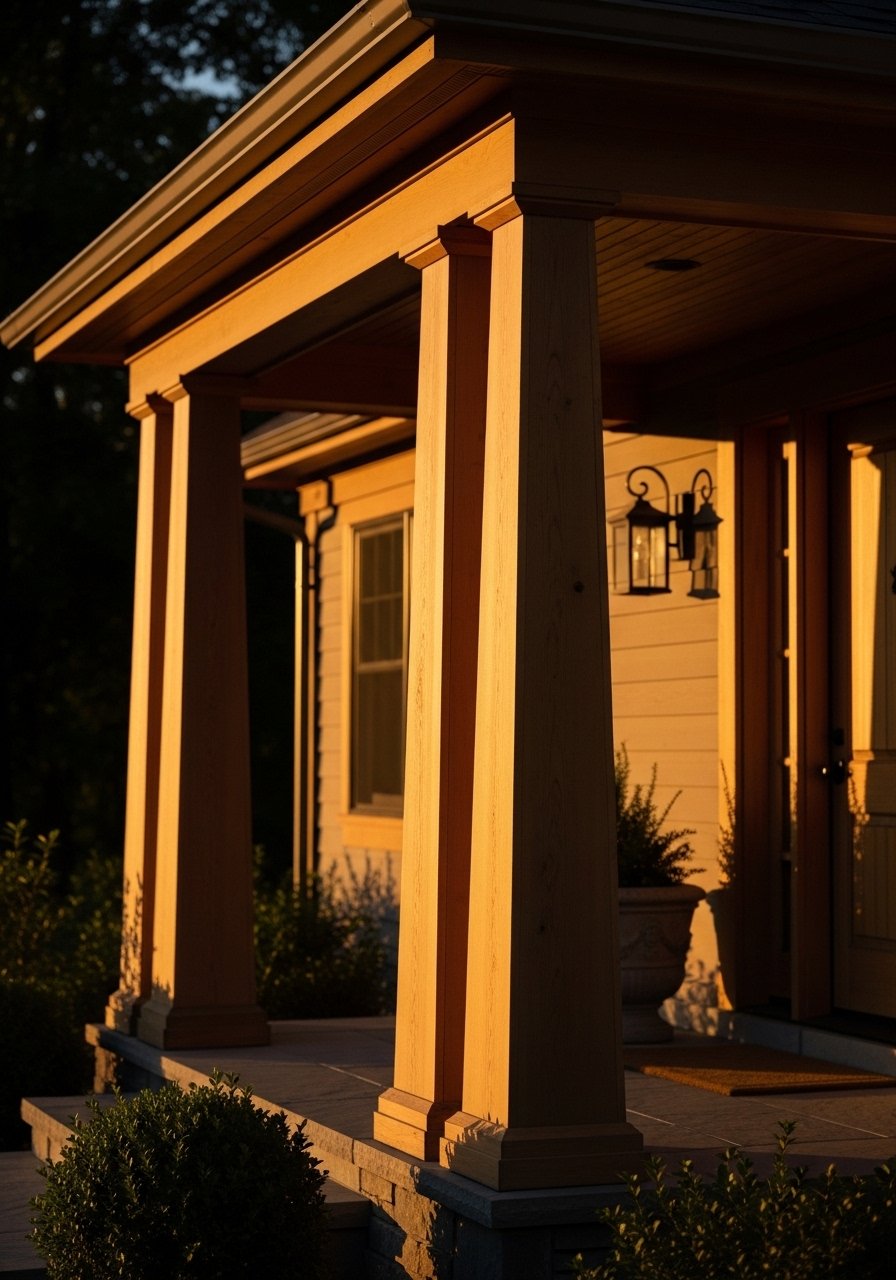
Tapered columns are a subtle mid century cue that most people skip. I replaced chunky posts with 6×6 tapered columns and the porch finally felt proportional to the roofline. Keep the base slightly wider than the top, about a 2-inch taper per side for an elegant look. A common slip, people paint tapered columns the same color as the trim and lose the detail. Try a wood-stain finish or a slightly darker paint. For temporary fixes, outdoor-column-wraps can give that profile without demo.
Integrated Planter Boxes For Softening Hard Edges
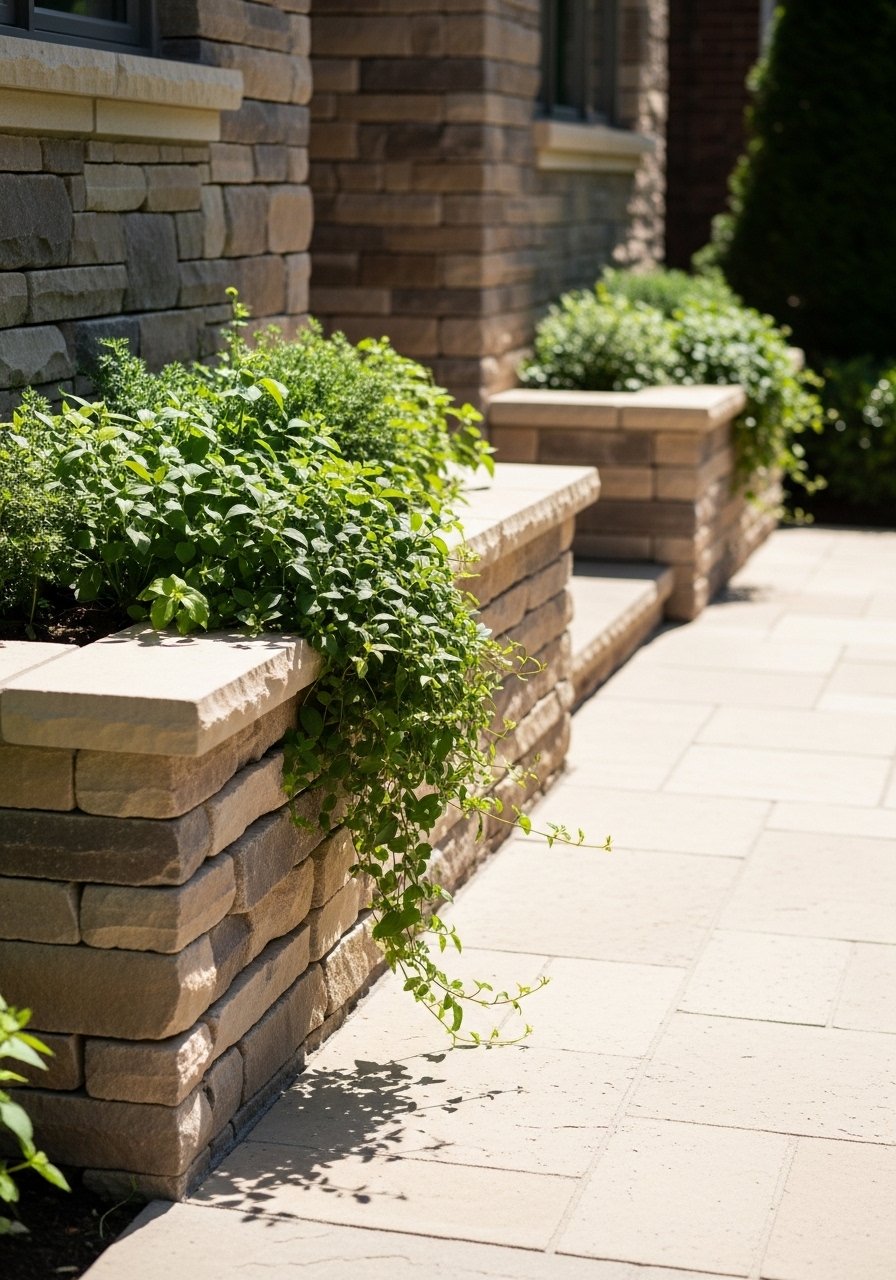
I hate when beds look tacked on. Built-in planter boxes at porch edges make landscaping read like architecture. Aim for 10 to 12 inches of soil depth for perennials and succulents, and keep the boxes the full width of the porch for continuity. Mistake to avoid, undersized planters that require constant refilling. For a quick try, use wood-planter-box-kit-12in to mock up the scale. Pair these with the vertical cedar slats idea and the facade stops feeling like a flat poster.
Vertical Cedar Slats To Add Rhythm And Texture
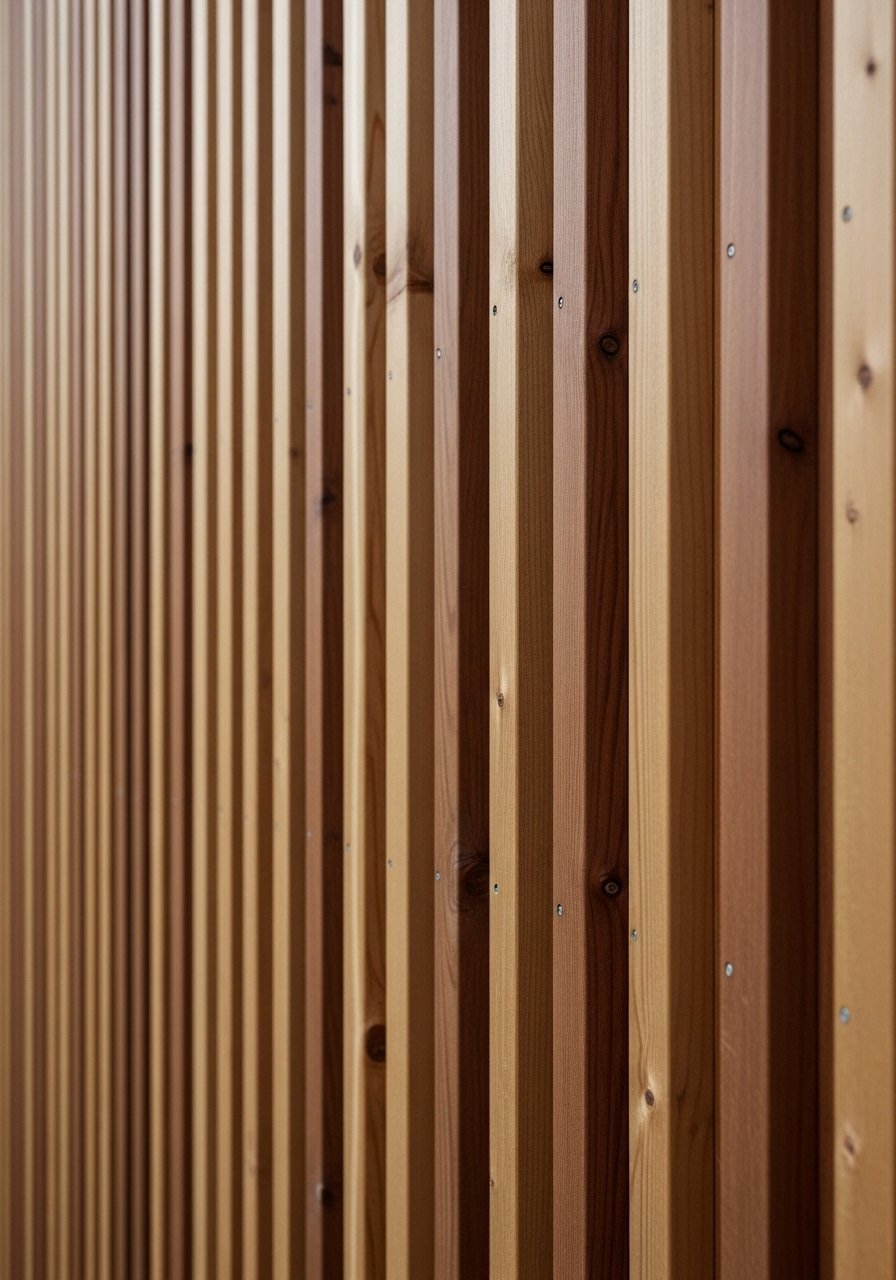
Vertical slats add rhythm and break long walls into human scale. I installed 1×3 cedar slats spaced at 1.5 inches over a painted backing and it added a subtle mid century rhythm. Try a repeat spacing of 1.5 to 2 inches and keep the slats continuous across corners to avoid awkward end joints. People often use the wrong finish and the slats grey too quickly. Pre-finish with a UV-stable oil and keep a small reserve for touch-ups. For inspiration, I used cedar-slat-boards while planning the run.
Minimal House Numbers And Matte Black Hardware
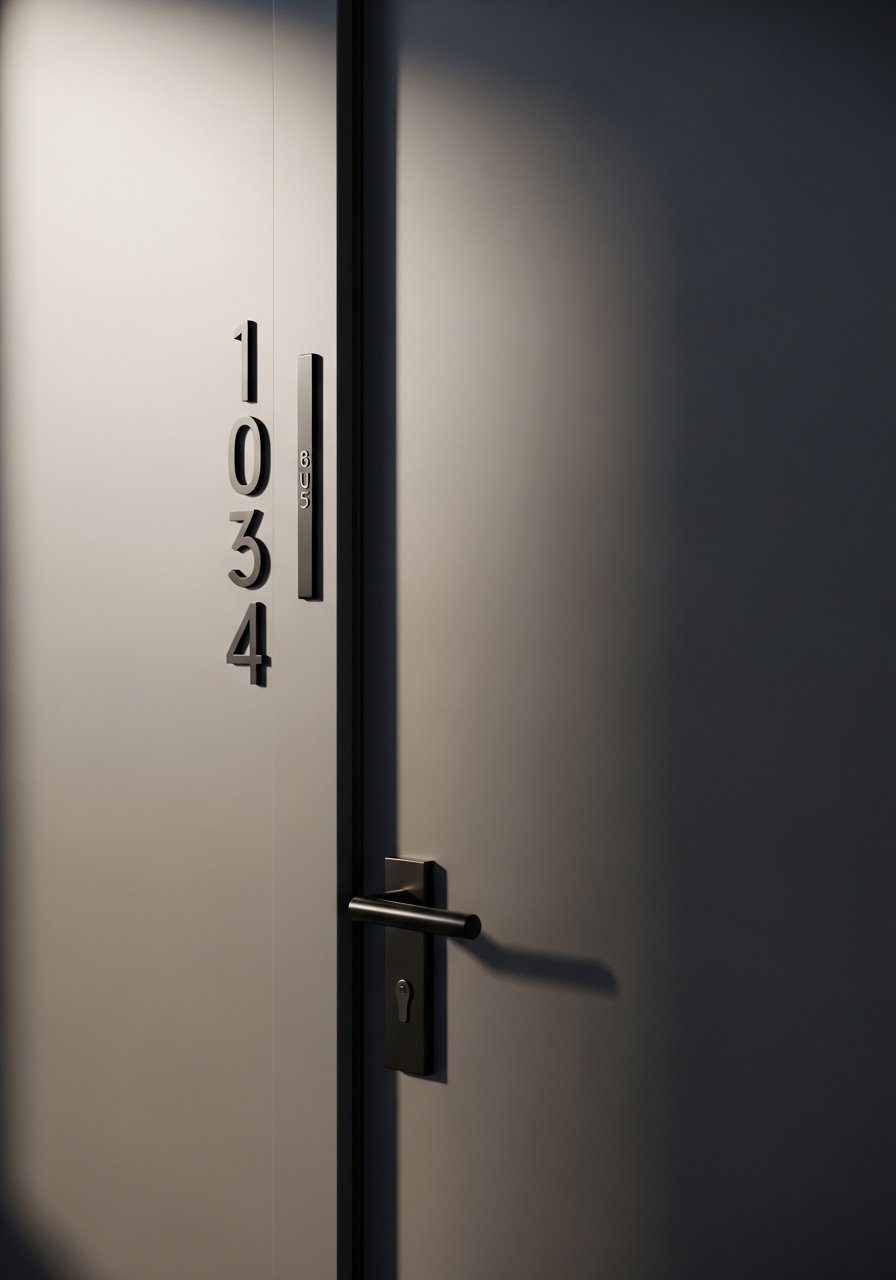
One small swap I made was changing the mailbox, house numbers, and door hardware to slim matte black pieces. It cost under $150 and anchored the facade. Choose numbers at least 6 inches tall for suburban setbacks, and use a sans serif style to keep the mid century reading. Common mistake, people pick shiny finishes that fight the other materials. I recommend matte-black-house-numbers and a matching modern-black-pull-handle. Mix metals sparingly on the exterior though mixing one accent metal with black hardware usually reads intentional.
Layered Exterior Lighting For Depth At Night
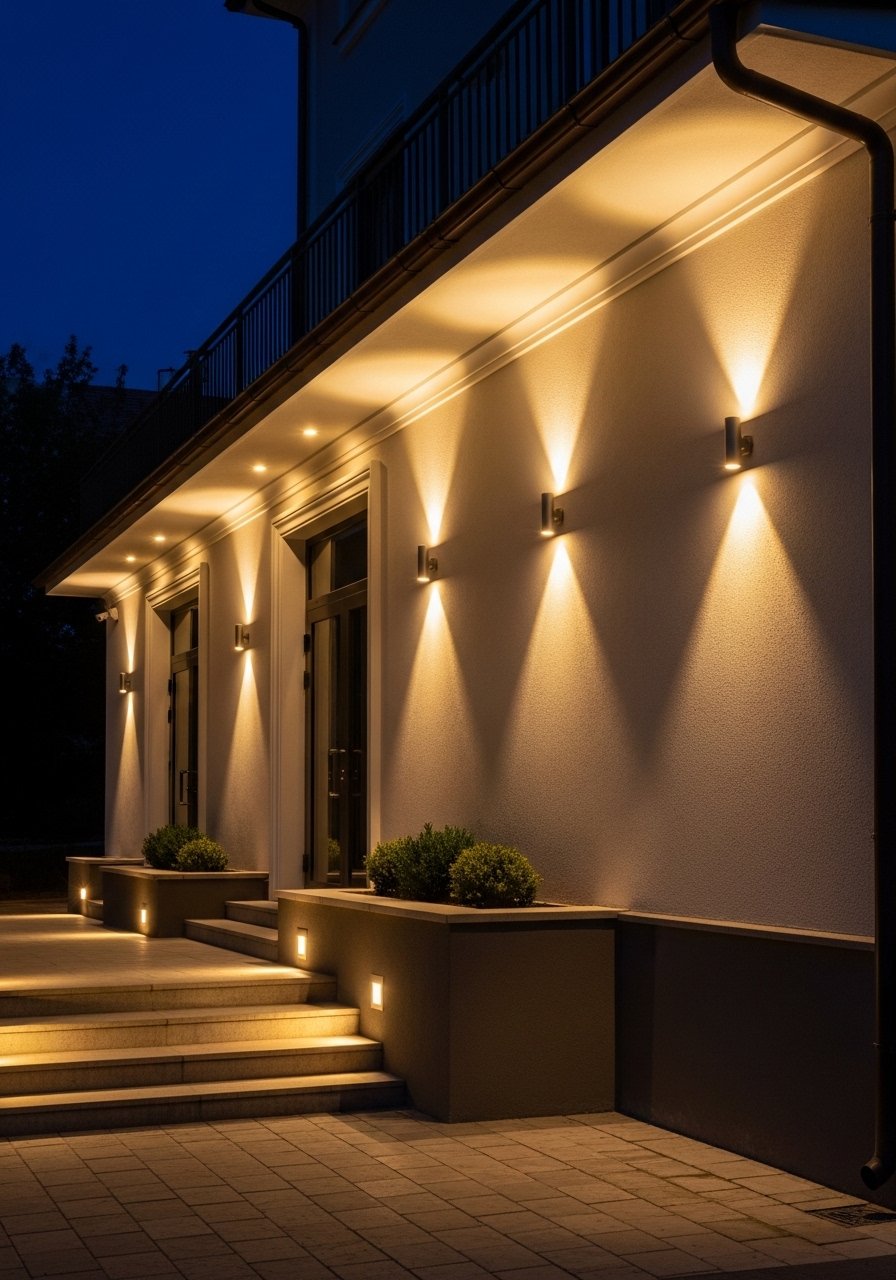
Night is where elevation details show personality. I added a pair of slim wall sconces bookending the door, low path lights, and a recessed eave strip. Use warm 2700K to 3000K for front porches and 3000K for path lights. A mistake is uniform lighting everywhere which flattens the facade. Layered lights create pockets of interest. For fixtures try modern-outdoor-wall-sconce-2700k and use 6500K bulbs for paint-matching at the store if you are testing color under a neutral light. One helpful tip when matching paints, bring your own bulb because store lights lie.
Your Decor Shopping List
Textiles and Softs
- Exterior-grade outdoor rug 4×6 (~$80). Use at the entry under a bench.
- All-weather bench cushion 48-inch for porch seating.
Wall Decor and Hardware
- Matte black house numbers set (6-inch height). Simple swap, big impact.
- Modern black pull handle to match numbers.
Materials and Accent Elements
- Cedar slat boards 1×3 for vertical accents. Prefinish before install.
- Stacked stone veneer panel sample to try at the base.
- Outdoor wall sconce 2700K for porch lighting.
Budget Finds Note
- Most of these are available at big box stores too. If you see a price drop online, many items will have similar versions at Target or HomeGoods.
Shopping Tips
White oak beats dark wood in 2026. Design feeds have shifted completely. White oak floating shelves work for small covered porch displays.
Grab cedar-slat-boards-1×3 for mockups. Cut a 2×2 foot mockup and tape it to the facade to check scale before buying lengths.
Curtain trick for nearby windows applies outside too. Bring a 6500K LED bulb to the paint store when matching exterior trim, then test it on a 2×2 foot painted patch with three coats. Most matches look off once they dry down.
If you are renting or on a tight budget, try outdoor-column-wraps and wood-planter-box-kit-12in for temporary accents that can move with you.
Frequently Asked Questions
Q: How high should a stone base go on a mid century facade?
A: Aim for 30 to 36 inches. That height reads grounded from the street without covering windows. Keep mortar color coordinated with your palette to avoid looking like an afterthought.
Q: Can I mix wood slats and painted horizontal banding without it looking busy?
A: Yes. Use a ratio where wood occupies about one third of the facade visually and horizontal banding runs across the painted field. Cross-reference the vertical cedar slats idea and the horizontal banding idea above for balance.
Q: My paint looked right in the store but pink at home. What did I do wrong?
A: Bring a physical chip and your own bulb when you test. Physical chips beat phone pics by a mile. Also make a 2×2 foot patch with three coats and wait 48 hours to see the true dry-down.
Q: Do vertical cedar slats need sealing?
A: Yes. Pre-finish with a UV-stable oil and plan for refresh every 2 to 4 years depending on exposure. Leaving them raw will grey them quickly unless that weathered look is your goal.
Q: Can I mix matte black hardware with a brass porch light?
A: You can. Mix one accent metal with matte black for cohesion. Avoid more than two metal families on the primary facade or it reads disjointed.
Q: My spectrophotometer scan failed on a metallic finish. Any fixes?
A: Metallic sheens do fail scans. Ask for a manual formula tweak and do an onsite 2×2 test patch with three coats. Brand swaps shift deep shades a good 25% or so, so expect to fine-tune before buying full quantities.