
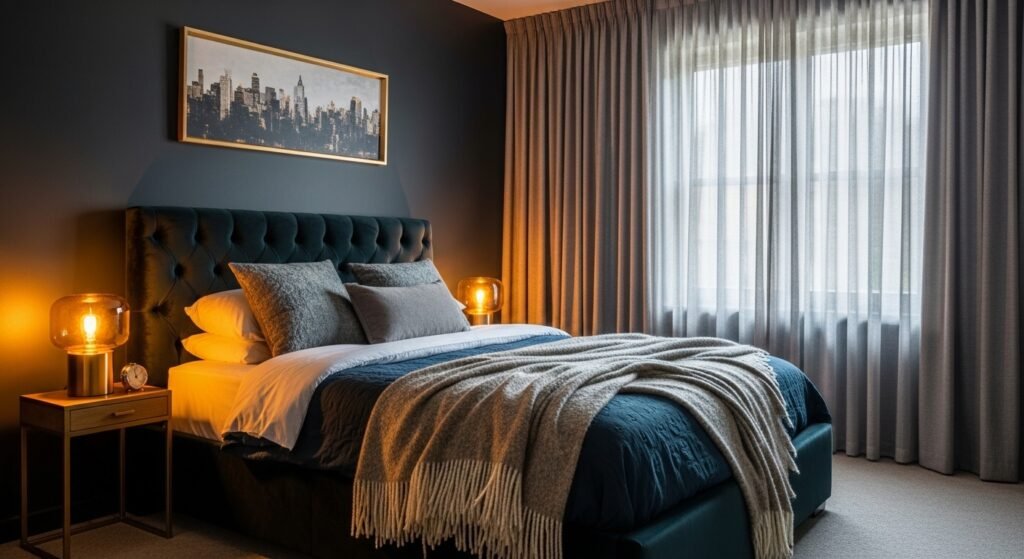
My living room had nice furniture but it still felt like a waiting room. Took me embarrassingly long to figure out it was missing texture. These bedroom ideas lean into the darker, moodier side of the early 2000s with velvet, smoked glass, and amber lighting. Most looks work on a renter budget with key splurges around $100 to $250. They suit bedrooms, guest rooms, and small studio corners that want that pulled-together, sultry vibe.
Plush Velvet Headboard for Instant Mood
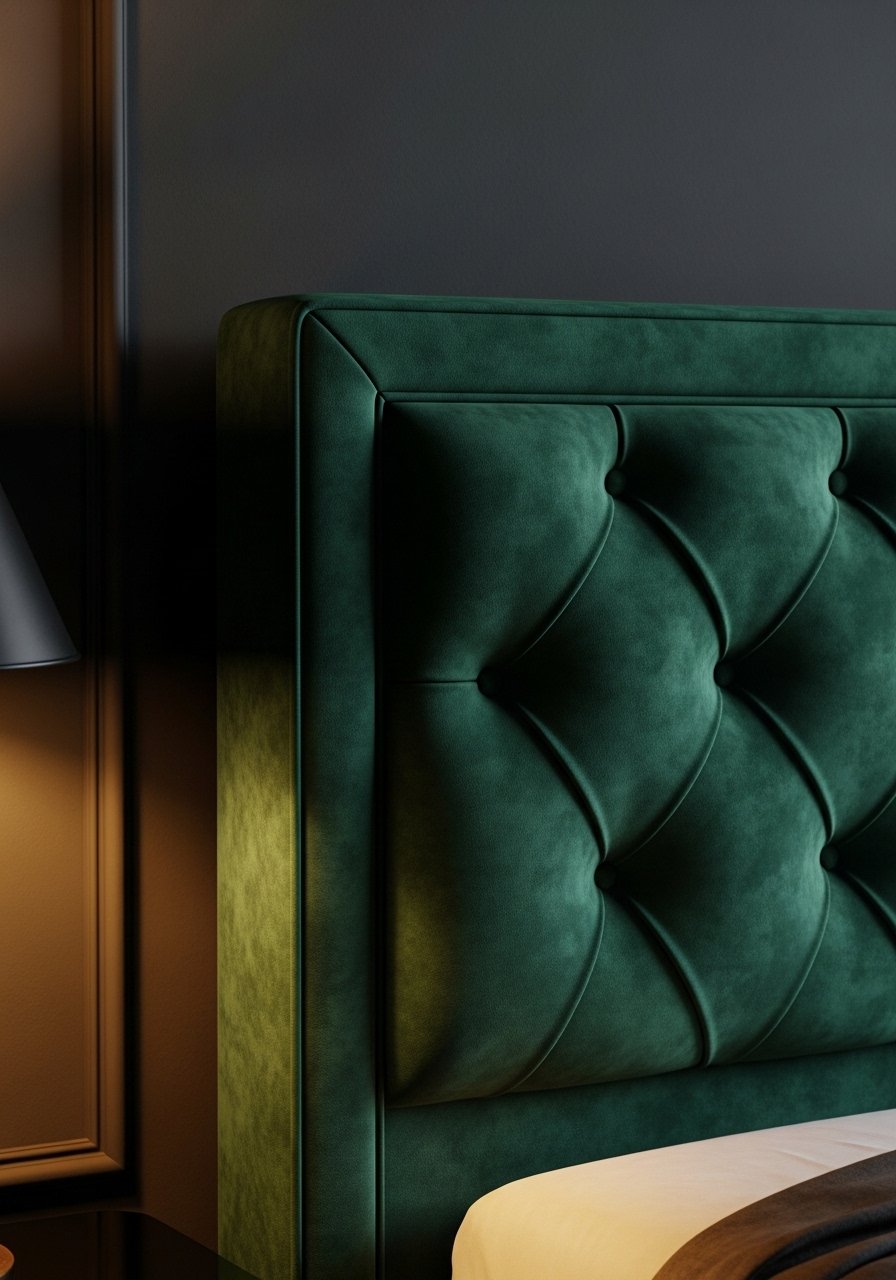
Putting a velvet headboard in my tiny bedroom made the whole room feel intentional overnight. Velvet reads moody and luxe without needing a lot of accessories, so it works well in master bedrooms or a compact guest room. Budget runs from $70 for a simple upholstered panel to $250 for a fully framed headboard. Try a low-profile velvet headboard for a 60-inch bed, it keeps sightlines balanced with a 14-inch height. Avoid a tiny 36-inch headboard on a queen, it looks lost. I used a low-profile velvet headboard to anchor the bed and paired it with amber lamps for warmth.
Layered Throws and Pillows for Softness
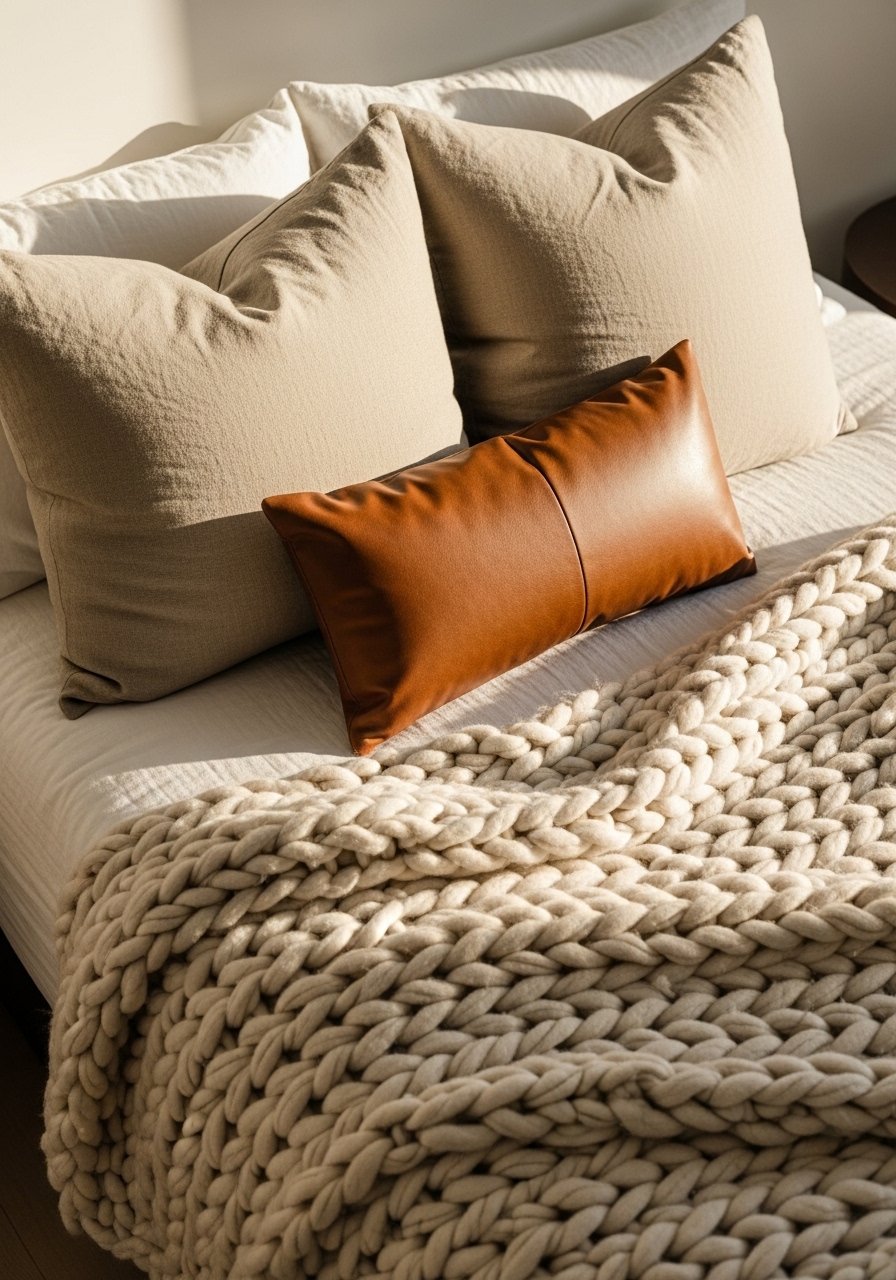
Spent $400 on a new coffee table. Room still looked off. Spent $35 on a throw and three candles. Suddenly everything clicked. The same trick applies to bedrooms. Layer a chunky knit throw over a lightweight duvet and add a 22-inch down-filled linen pillow plus a 14-inch leather lumbar. Aim for a 80/20 ratio of texture to pattern, meaning mostly tactile solids with one patterned pillow. A common mistake is using all new pillows that match too closely. Mix sizes and fills so the bed invites you in. I grabbed chunky knit throws in neutral tones and swapped them seasonally.
Smoky Painted Walls for Depth
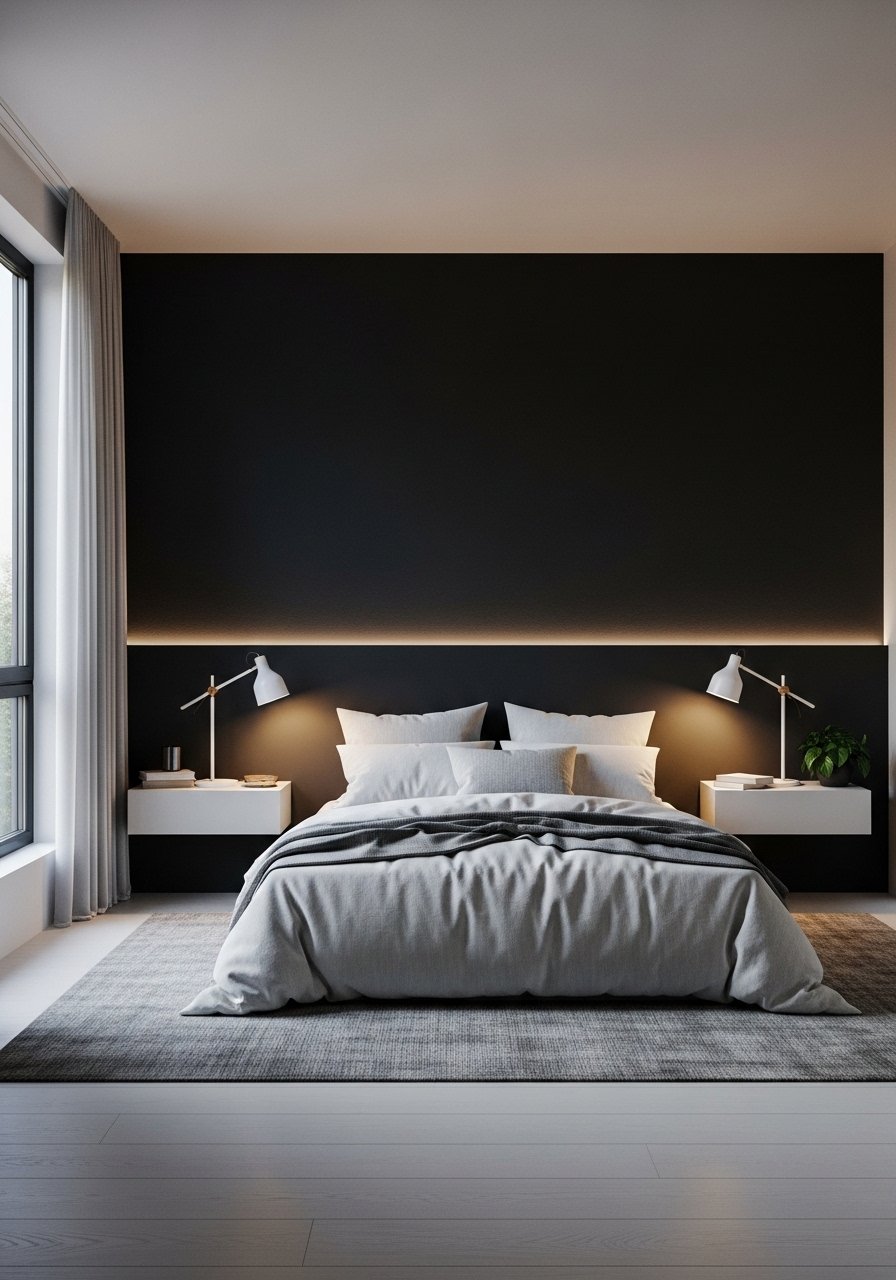
A single smoked or charcoal wall adds depth without making the room feel like a cave. On a budget, paint just the wall behind the bed rather than the whole room. Use a satin finish for slight sheen so the surface catches lamp light. Typical cost is a can or two of paint, about $30 to $70. People often paint too glossy and end up with a patchy look. Roll in long passes and cut in with a small brush for crisp edges. This works especially well with mirrored bedside tables or glossy frames from these black wood frames to reflect light.
Amber Glass Lamps for Warm Glow
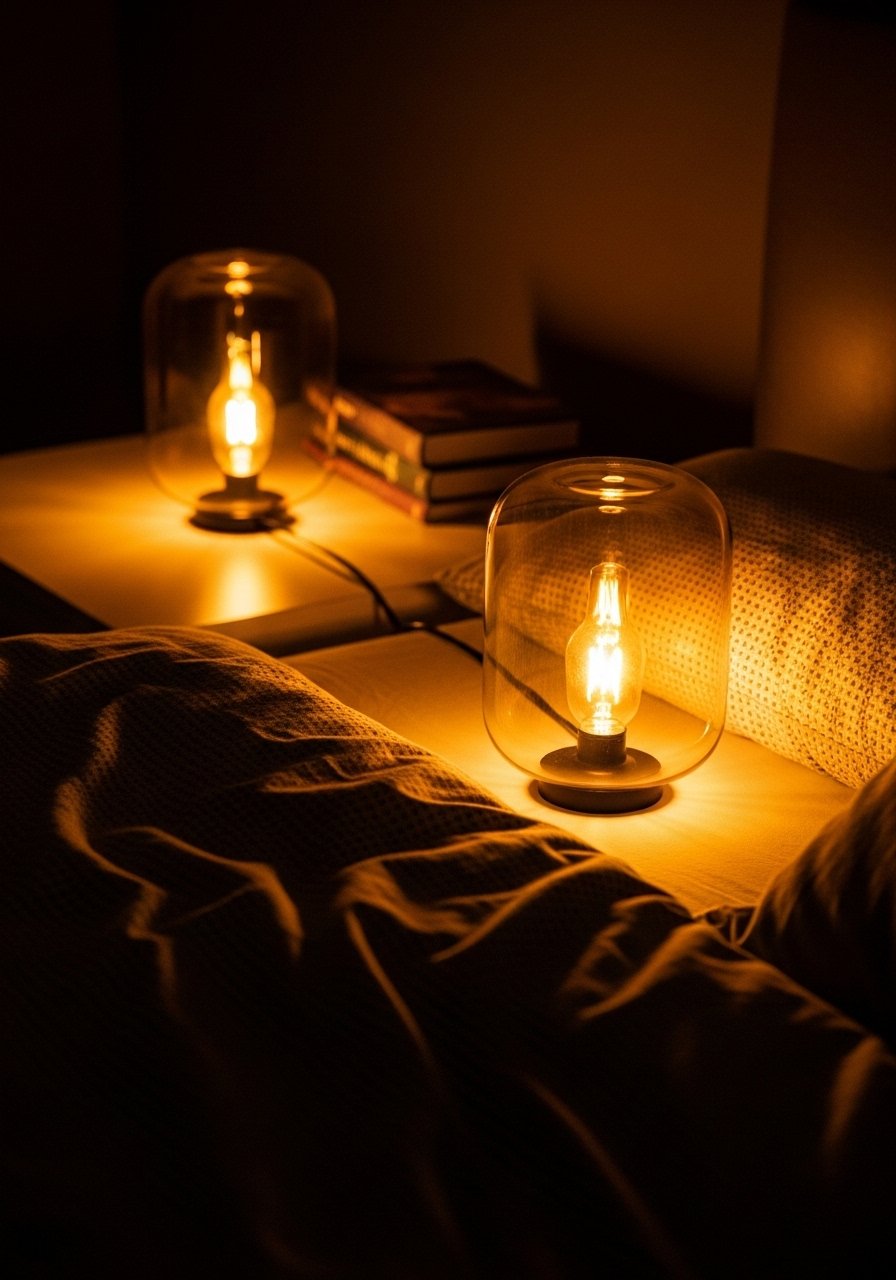
Most bedrooms I fix have one overhead light and nothing else. Adding two amber glass lamps gives a warm amber glow that reads 2000s moody without trying too hard. Lamps priced $30 to $120 each do the job. Place them on opposite sides at about 28 inches from the floor to match bed height and keep scale right. A common mistake is using bulbs that are too bright. Swap in 2700K bulbs or dimmable LED bulbs for softer light. I used amber glass lamps and immediately the room felt like someplace you wanted to stay in.
Mirrored Nightstands for Bounce and Glam
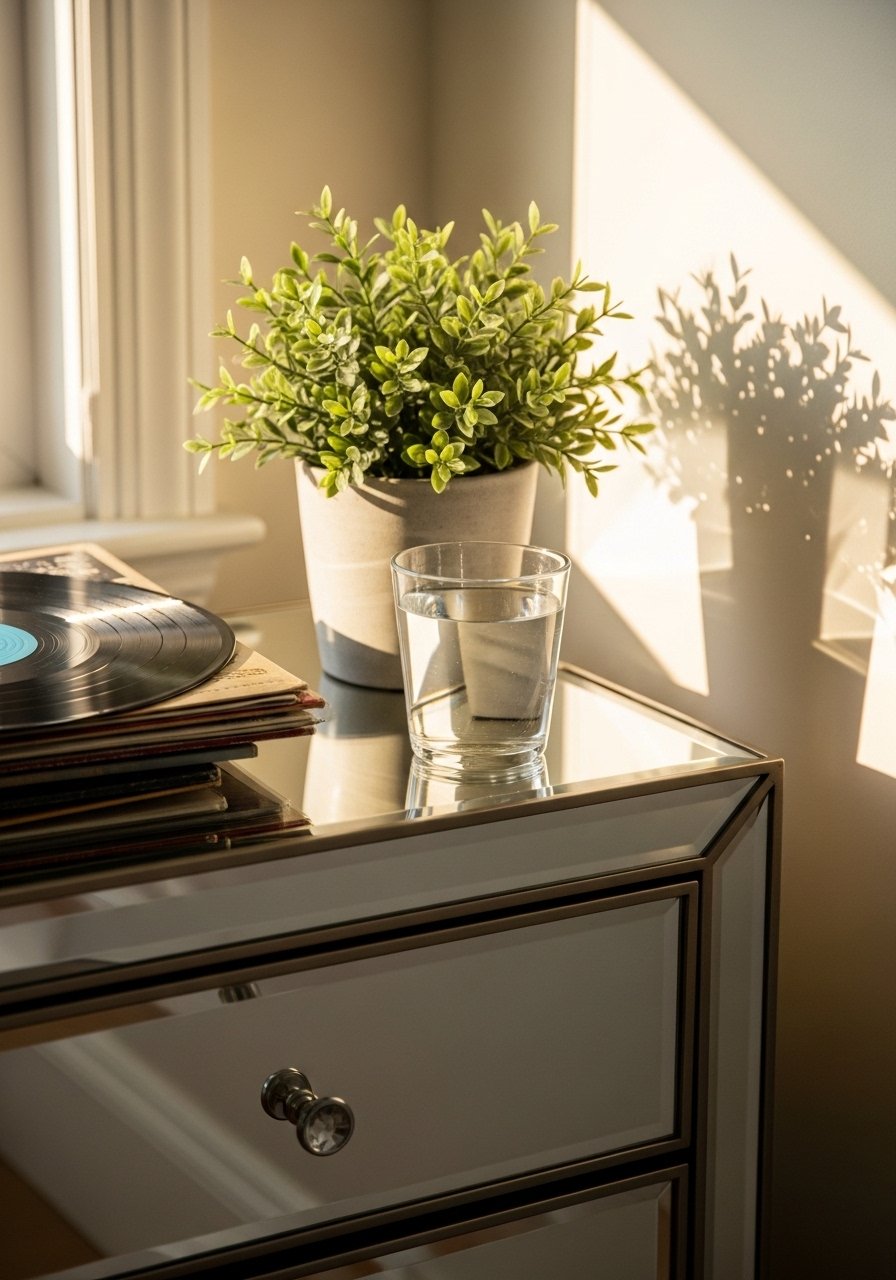
Mirrored nightstands reflect the warm lamp light and stop dark walls from swallowing a space. They read glam 2000s without being over the top when paired with matte finishes elsewhere. Expect $80 to $300 depending on size and mirror quality. Scale is the trap. Too-large mirrored furniture makes a small room feel crowded. For a standard double bed, a nightstand about 18 inches wide keeps the balance right. I paired a mirrored piece with a linen-covered bench at the foot of the bed to mix textures and avoid a hotel look. See compact mirrored nightstands if you need a smaller footprint.
Layered Rugs for Texture and Comfort
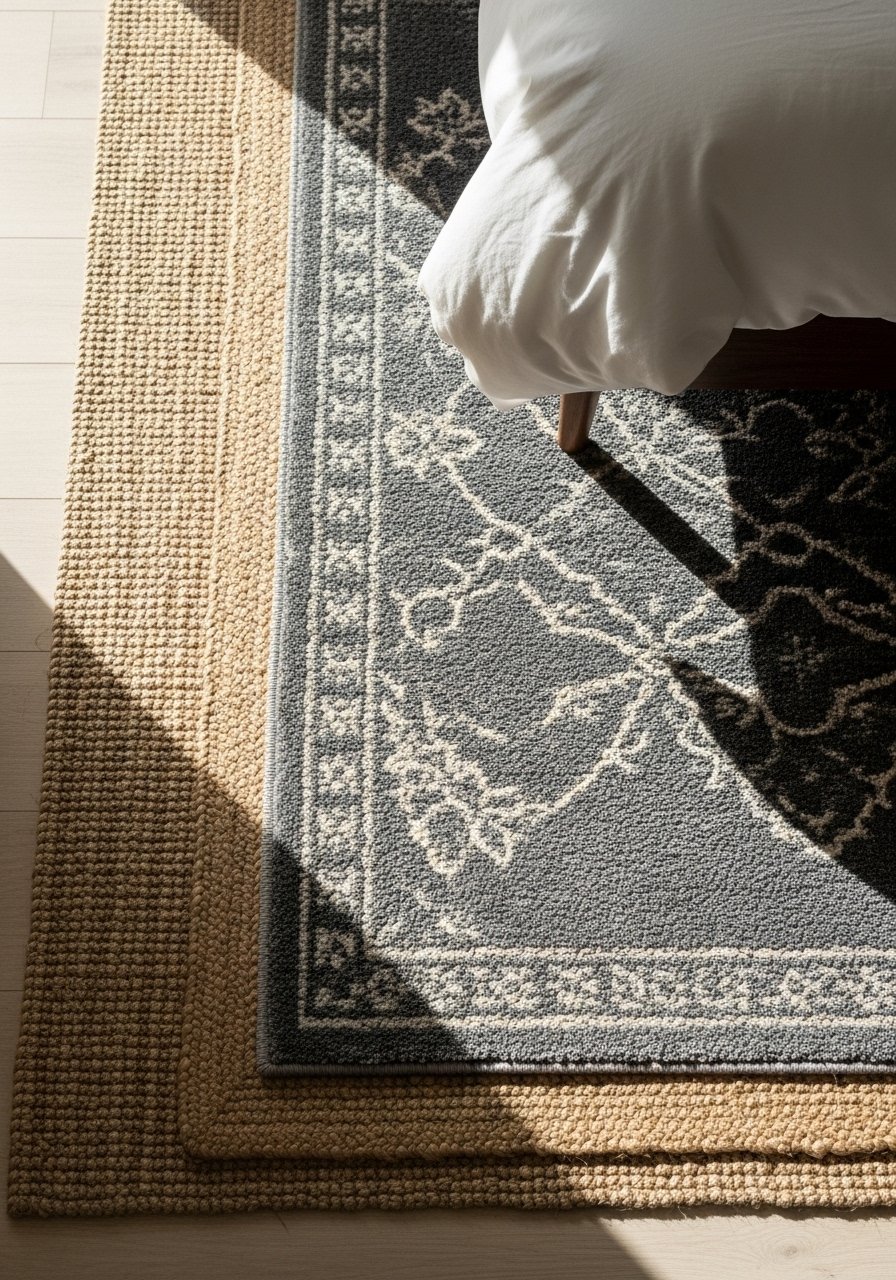
Layering rugs was one of those surprised wins for me. Start with a neutral jute or sisal as a base, then add a darker patterned rug on top for contrast. For a queen bed, aim for an 8×10 base rug with a 5×8 accent rug layered so at least the front legs of furniture sit on the larger rug. People buy rugs that are too small which visually chops the room. Jute underlay plus a soft rug on top gives warmth and prevents slipping. I used 8×10 jute rugs as an anchor and layered a smaller charcoal rug for pattern.
Moody Wall Art with Black Frames
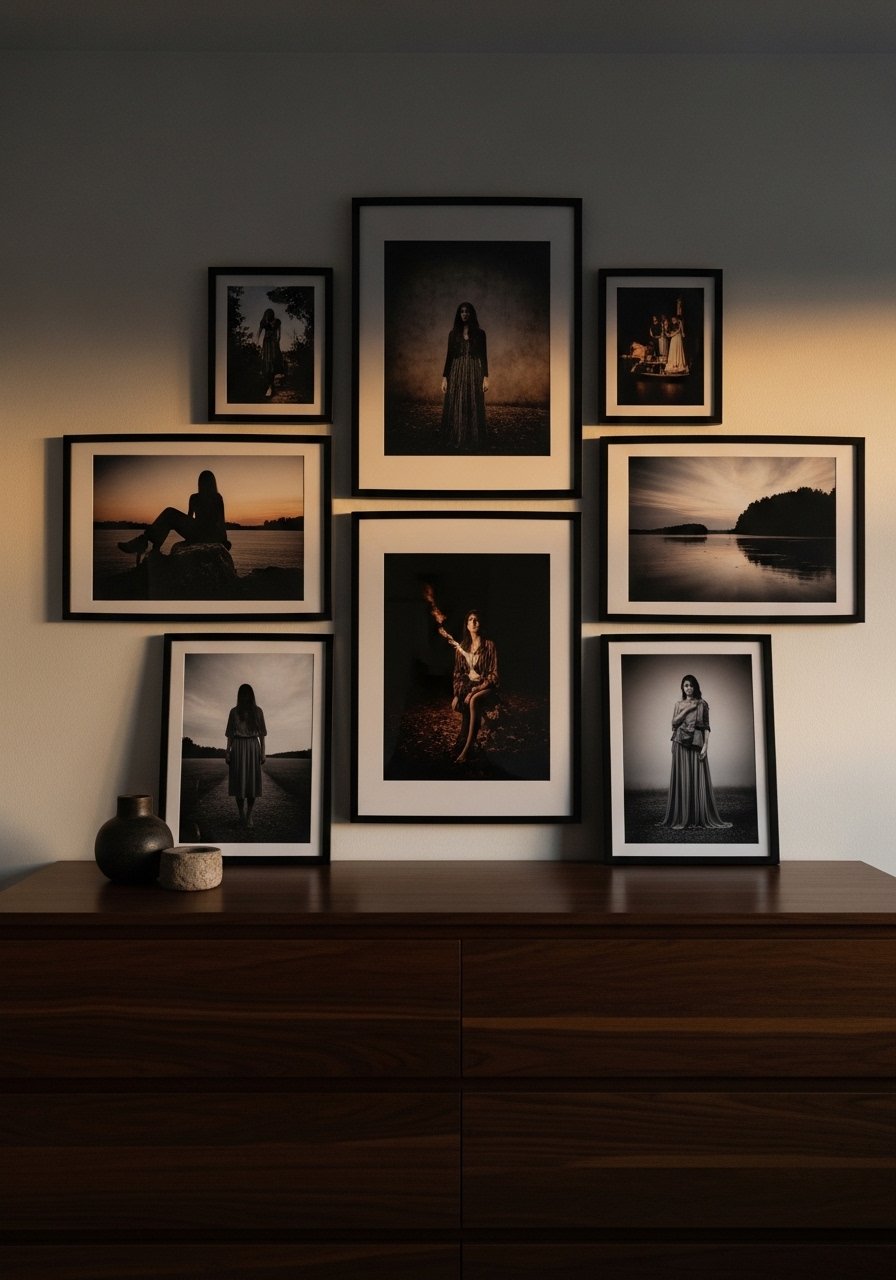
A gallery of photographic prints in black frames feels very 2000s moody when the images are high contrast and slightly desaturated. Stick to a rule of three to five pieces grouped tightly. I used three 18×24 prints above a dresser and it read intentional rather than cluttered. A common error is mixing frame finishes. Keep a consistent black frame size or mat width for cohesion. I used black picture frames and swapped prints seasonally to keep the wall from going static.
Satin Bedding for Subtle Sheen
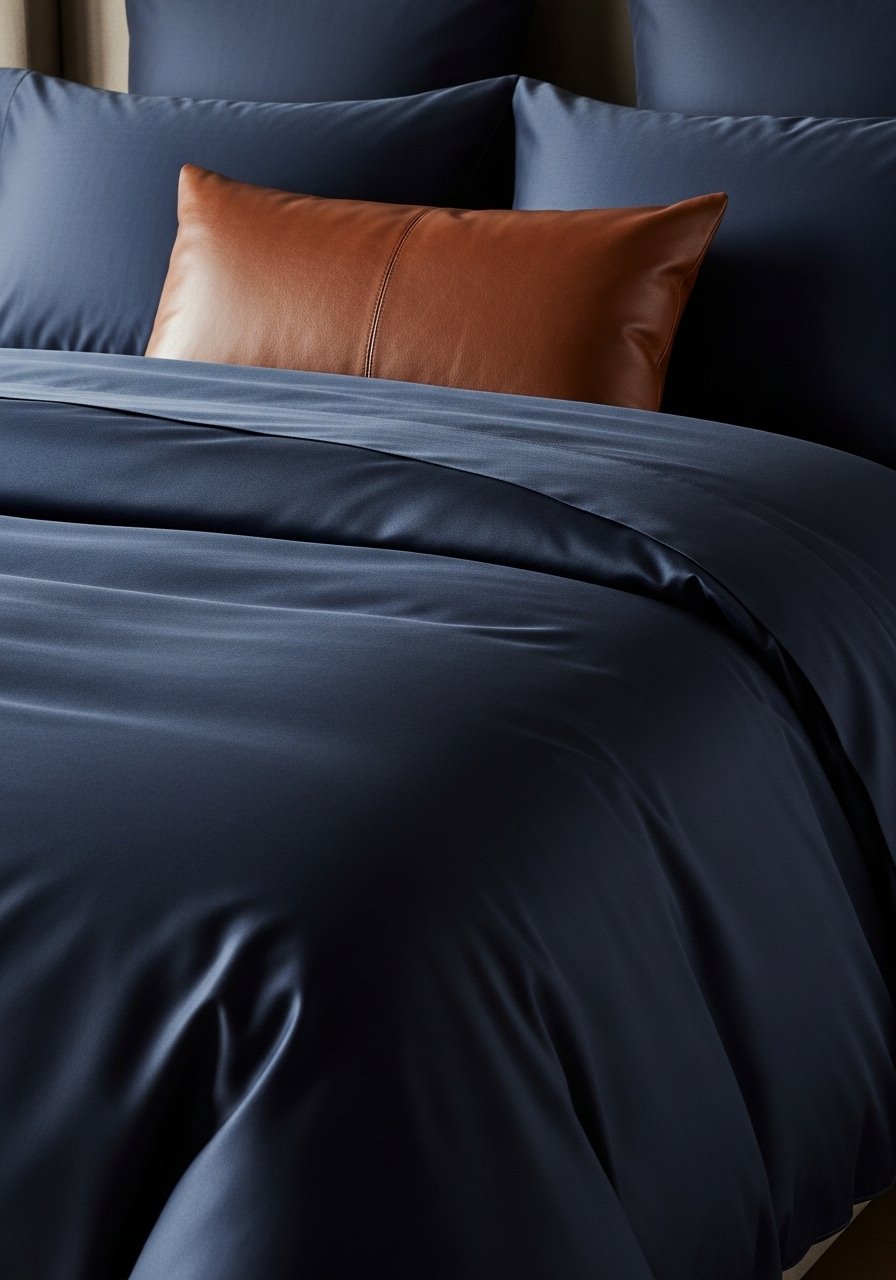
Satin or sateen bedding offers a soft sheen that catches lamp light and ties into the moody palette. Choose a heavier sateen for cooler months and switch to linen blends in summer. Budget options start around $40 for a duvet cover, up to $200 for higher thread counts. Beware of slippery fabric that slides off a mattress. Use corner ties or a flat sheet underneath to keep layers in place. I keep a satin duvet cover paired with linen pillow covers for contrast. Found a good navy satin duvet cover that held up after multiple washes.
Leather Accents to Ground the Room
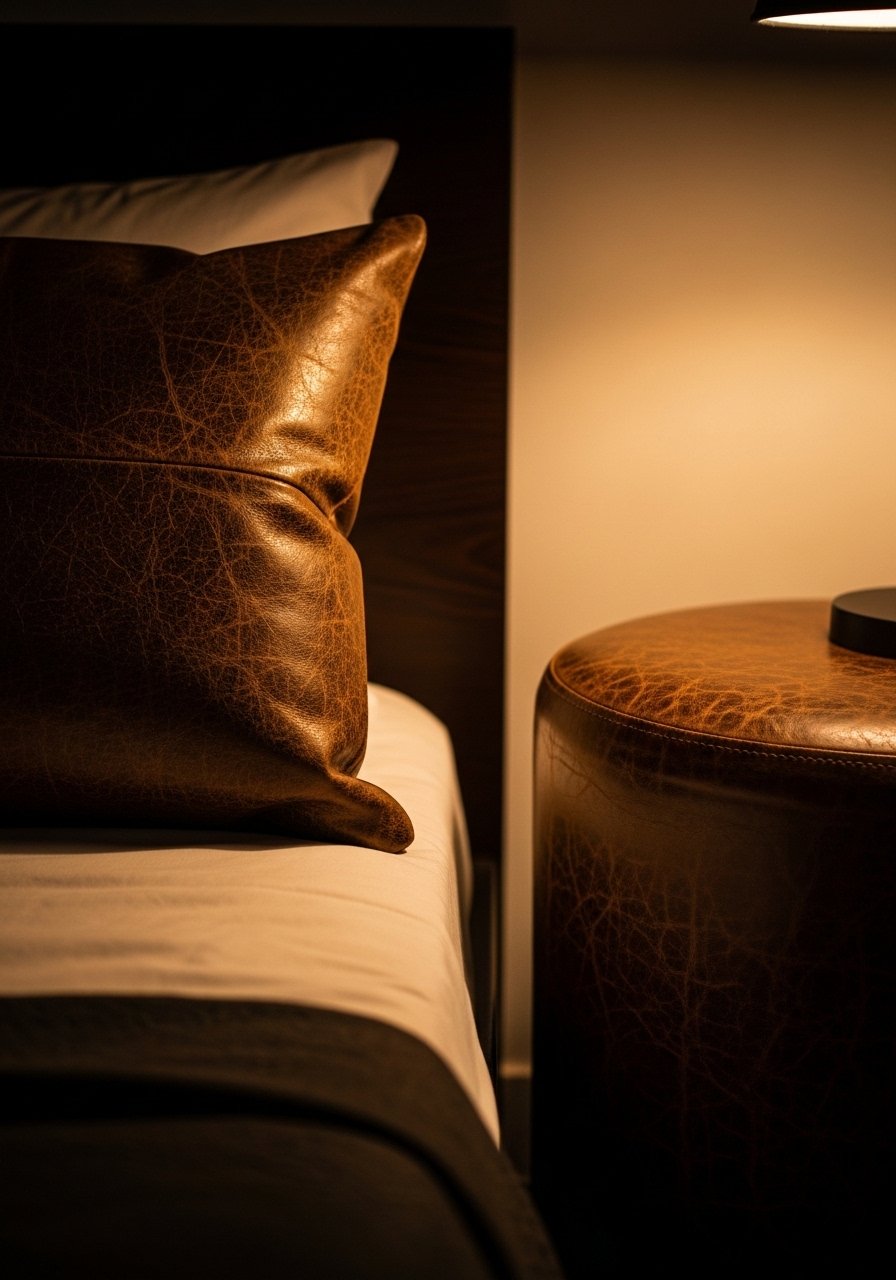
Leather pieces add weight and a lived-in feel that stops a moody bedroom from looking staged. A small leather lumbar or a vintage leather stool near the bed is enough to anchor the space. Leather ranges a lot in price. You can get a tasteful leather lumbar for $40 to $120. People often mix too many textures at once. Limit leather to one or two pieces so it reads intentional. I used a 14×24 leather lumbar on a velvet bed to balance shine and matte. Try leather lumbar pillows for a quick fix.
Smoked Glass Accessories for Subtle Shine
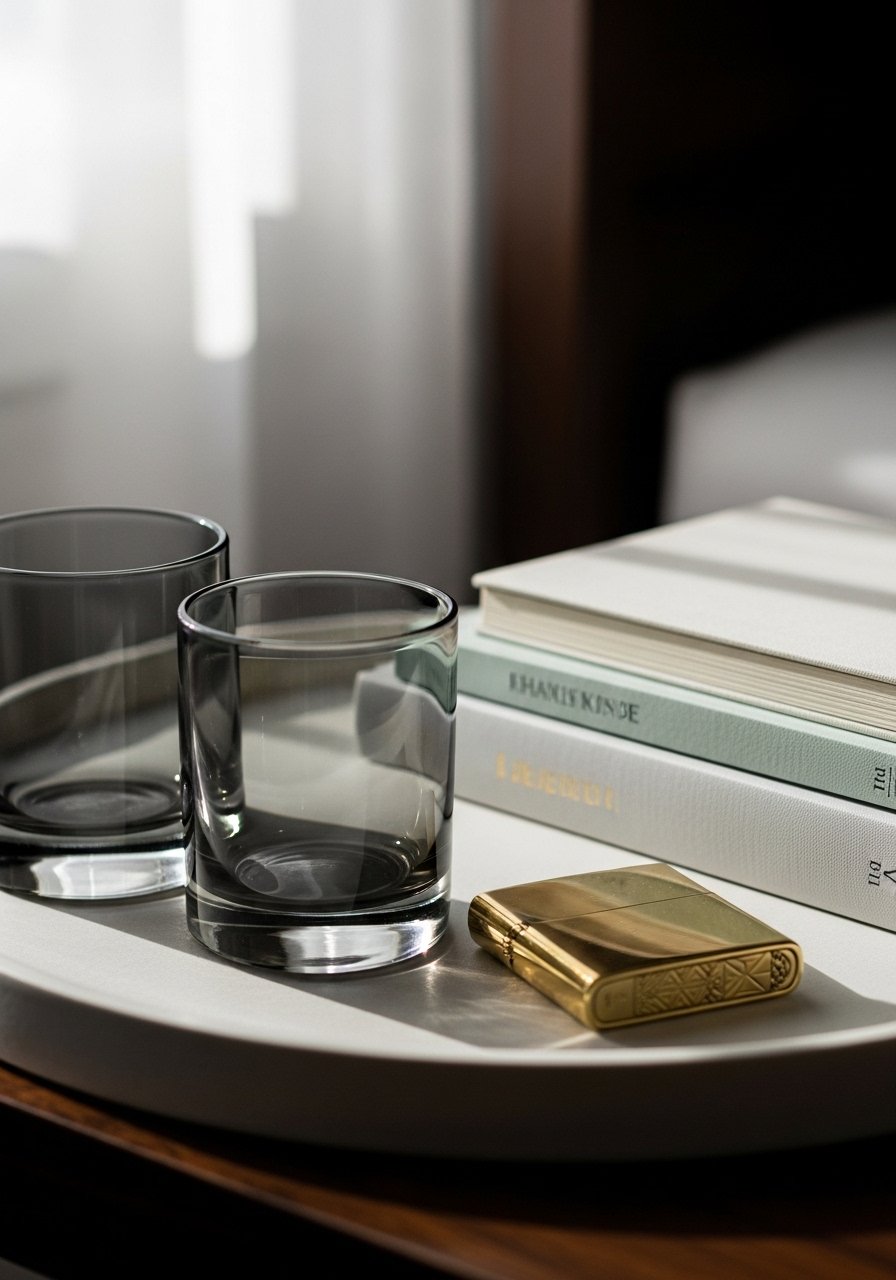
Small smoky glass vases and candle holders give the room subtle sheen without bright reflections. They are inexpensive and make a big difference in mood. Cluster three in odd numbers on a dresser or nightstand at different heights for a curated look. Mistake people make is using clear glass which bounces too much light in a moody room. I swapped clear glass for smoked glass votives and the bedside vignette immediately read more cohesive.
Vintage Band Posters for Nostalgic Edge
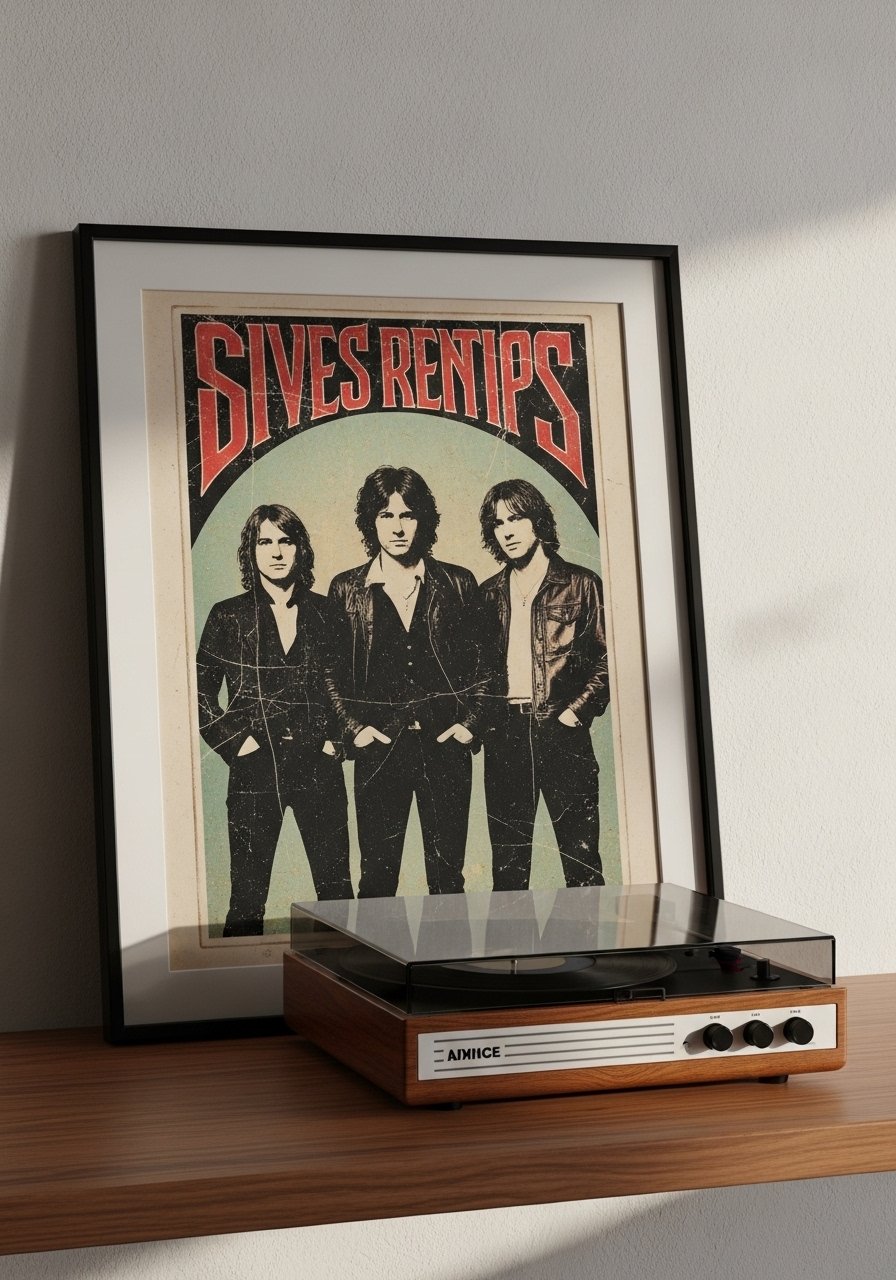
Adding a vintage band poster gives the room personality and a subtle 2000s nod to music culture. Frame the poster behind glass and keep surrounding decor minimal so it becomes a focal point. Poster framing runs $20 to $60 depending on size. Avoid cheap paper prints that yellow quickly. I framed a small vintage poster next to a stack of records and it made the room feel lived in. Check poster frames in standard sizes so you can swap art without new nails.
Layered Lighting with a Dimmer
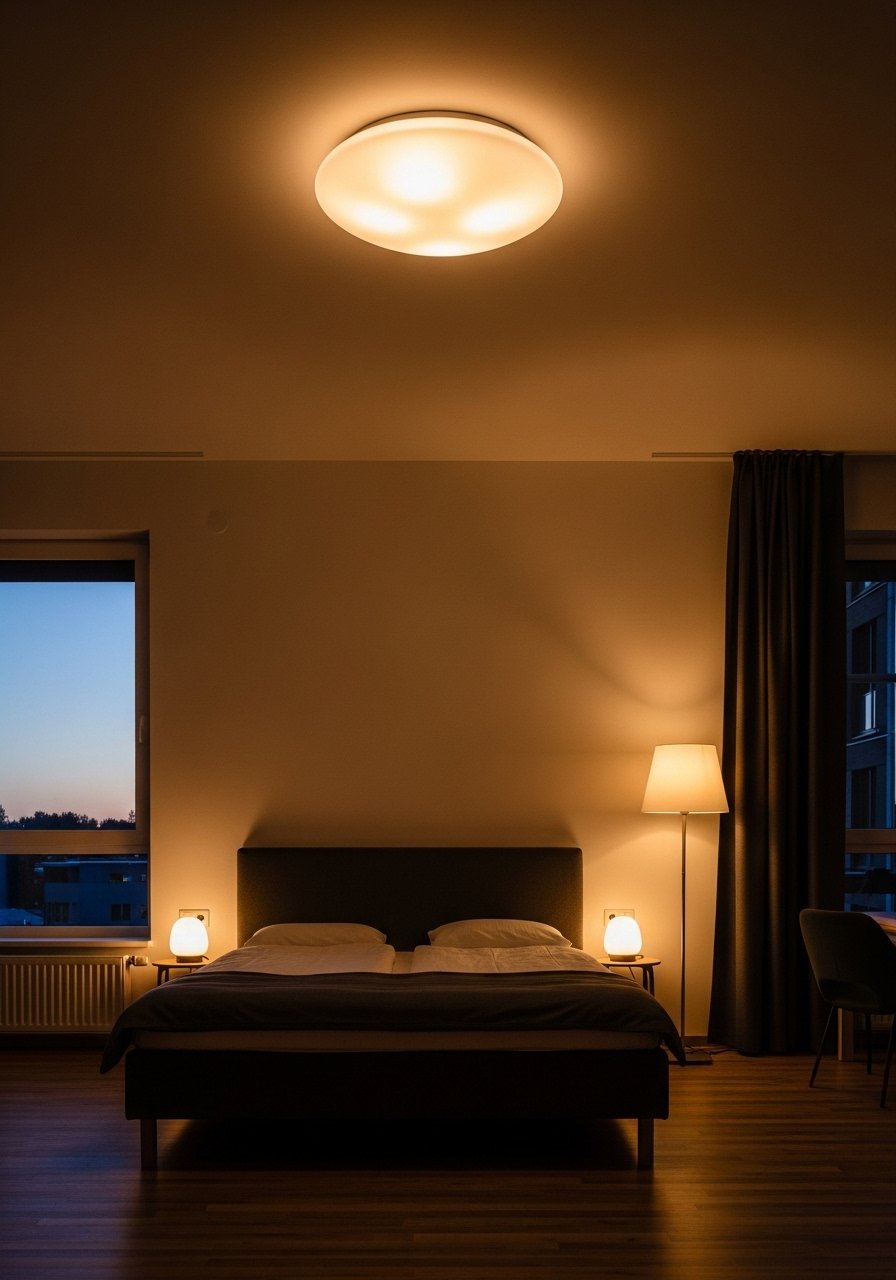
Layered lighting is the difference between a staged bedroom and one that feels inviting. Use three light layers: ambient overhead, task lamps, and accent lamps. Install a dimmer on the overhead fixture so you can tune the mood. A dimmer and LED bulbs together cost $30 to $60. The common mistake is relying on one source that reads clinical. I installed a dimmer and now the room feels like a place to unwind. Grab dimmable LED bulbs to soften the overhead light.
Dark Drapes Hung High to Add Height
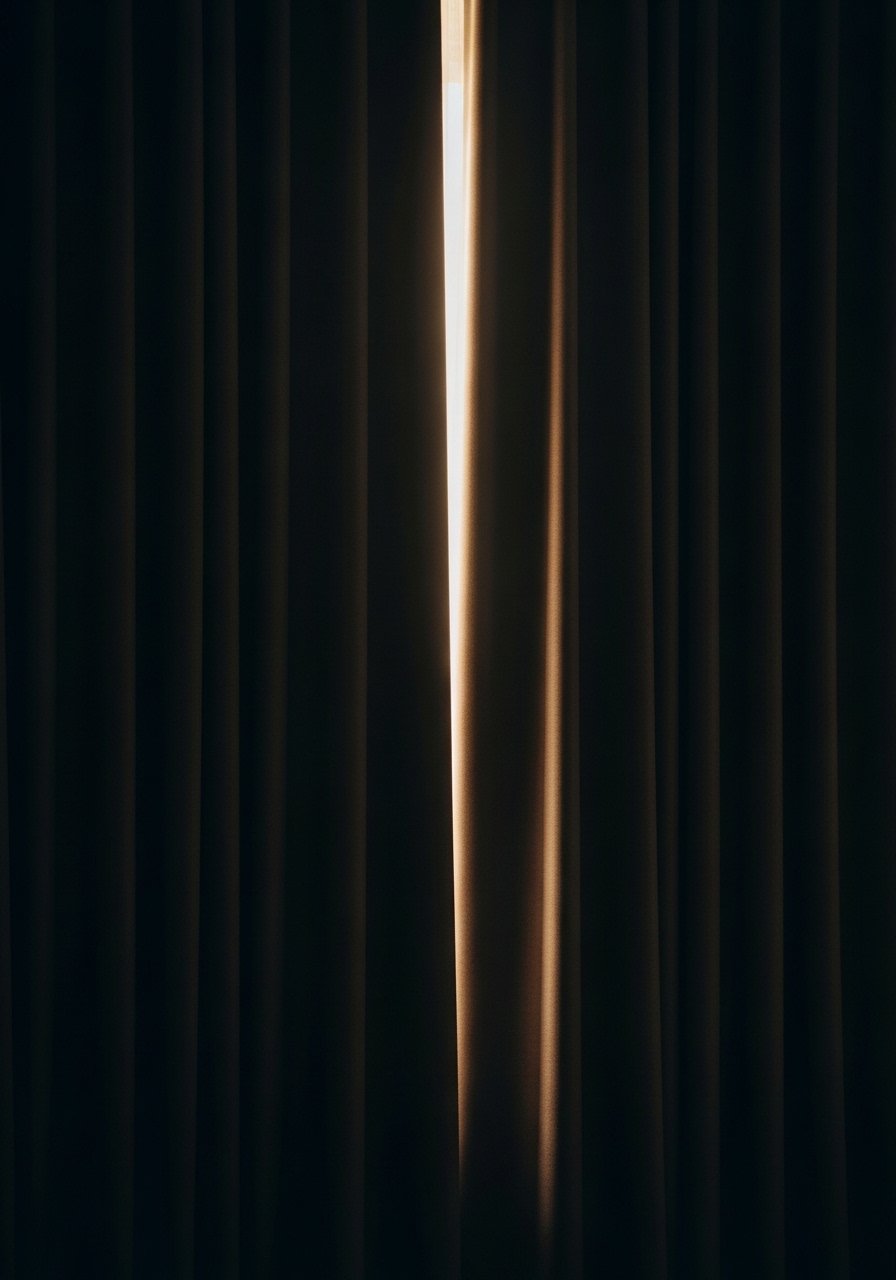
Most people hang curtains right at the window frame. That is why their rooms look shorter than they are. Hang drapes about 6 to 10 inches above the window and let them kiss or puddle the floor. Use heavier dark drapes for this moody look to add visual height and block excess light for better sleep. Panels run $20 to $80 each. Avoid curtains that stop at the sill. I use 96-inch linen blend panels on a nine-foot ceiling and the room reads taller and richer.
Curated Nightstand Styling for Intentional Clutter
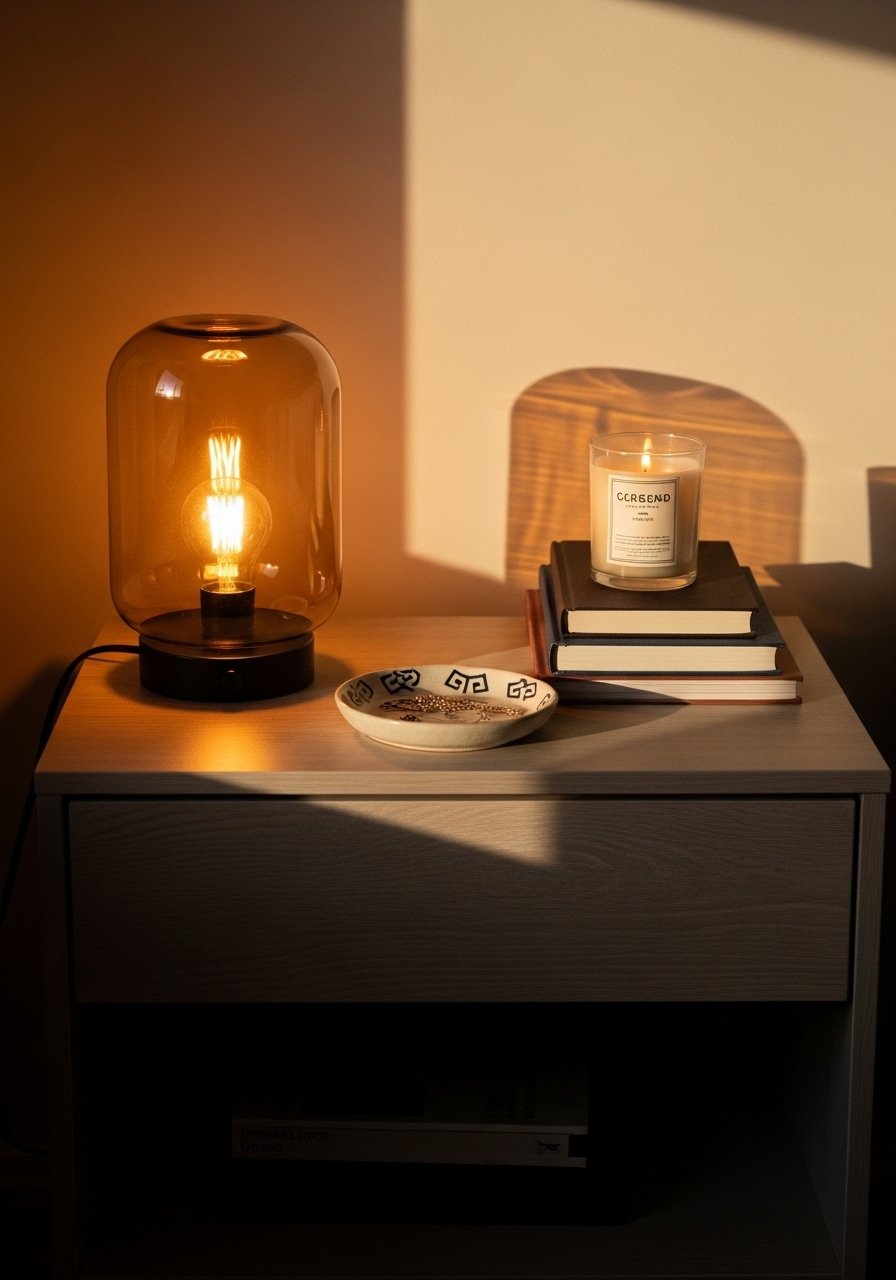
Nightstands often become a junk zone. Curating three to five meaningful items gives them personality without chaos. I keep a small lamp, one book, a ceramic dish for daily jewelry, and a candle. Use the rule of three for objects and keep one item vertical to add height. A common mistake is filling the top surface with too many tiny items that read messy. I switched to a single stack of books and a tray and the bedside area looked finished. Try a ceramic catchall dish to corral small items.
Your Decor Shopping List
Textiles
- Honestly the best $40 I have spent. Chunky knit throw blanket in cream (50×60 inches)
- 22-inch down-filled linen pillow covers, set of 2 in natural
- Navy satin duvet cover, queen (100% sateen)
Wall Decor
- Black wood picture frames, set of 4 (18×24 inches)
- Poster frames in standard sizes for vintage prints
Lighting
Budget Finds
- 8×10 jute area rug neutral base
- Smoked glass candle holders, set of 3
Shopping Tips
White oak beats dark wood in 2026. Design feeds have shifted completely. These white oak floating shelves look current, not dated.
Grab navy satin duvet covers for $40 each. Swap them seasonally and the whole room feels different.
Curtains should puddle or kiss the floor, never hang halfway up. These 96-inch linen blend panels are right for standard 9-foot ceilings.
Lead with one statement piece and add anchors around it. A low-profile velvet headboard is often all you need to build a moody palette.
Everyone buys five small succulents. One single 6-foot faux fiddle leaf fig has ten times the visual impact.
Frequently Asked Questions
Q: Can I make a small bedroom feel moody without it feeling cramped?
A: Yes. Paint one accent wall in a smoky tone, hang curtains high, and use mirrored or slim-profile furniture to bounce light. Keep one light-colored textile like a jute rug to stop the room from feeling closed in.
Q: What size rug should I use under a queen bed for the layered look?
A: Go 8×10 for the base so all front legs of the bed sit on it. Layer a 5×8 or runner at the foot for contrast. That keeps proportions right and avoids the "rabbit hole" look where the bed seems to float.
Q: Are faux plants okay in a moody bedroom?
A: Both real and faux work. Use a tall faux fiddle leaf fig where you need height without maintenance. For low care real options, snake plants handle neglect and still read green in moody lighting.
Q: How do I keep the moody look from feeling heavy?
A: Add one or two lighter textures like a linen pillow or a cream knit throw and keep surfaces minimally styled. Use warm bulbs and a mirrored surface to reflect light so the darkness reads intentional rather than oppressive.
Q: What common mistakes should I avoid when styling bedside tables?
A: Don’t clutter them. Stick to three to five objects, vary heights, and include a tray or dish for small items. Avoid matching lamp pairs that are too large for the nightstand width.
Q: Can I mix metal finishes in this style?
A: Mix them. A couple of brass or antique brass pieces paired with black frames reads curated. Use one dominant finish and pepper in accents of another so it feels intentional.