
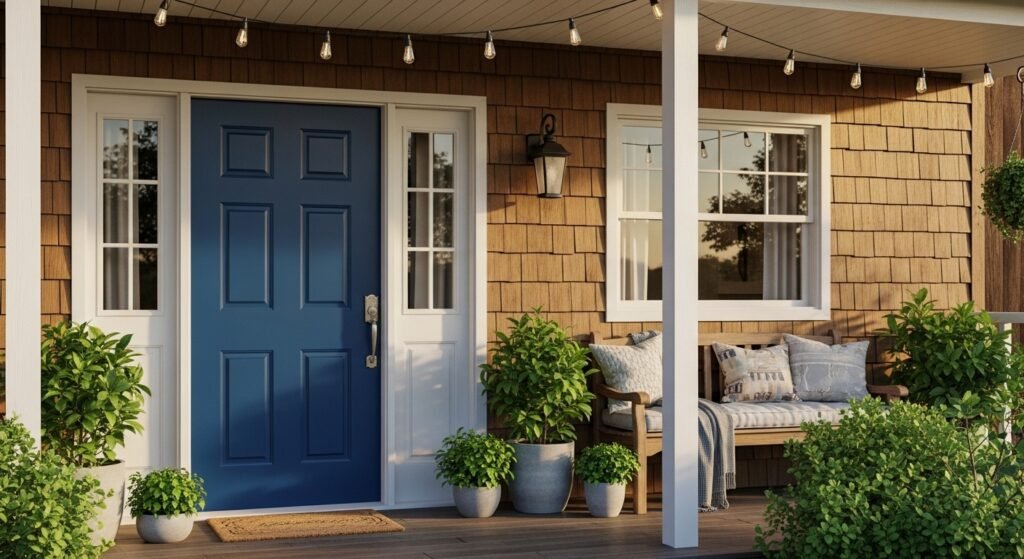
My front walk used to feel like a grocery chute. Shoes, mail, and the neighbor's stray garbage can all collected in front of the door. I started small, moving one plant, swapping a sad welcome mat, and suddenly the whole house read differently. These ideas are the ones that fixed clutter, added rhythm to a flat yard, and made people actually stop and look before they came up the stoop.
These ideas lean cottage-meets-modern and work on tight city lots or wider suburban yards. Most projects land under $150, with a handful of splurges around $300 for things that last. They’re meant for front yards, steps, porches, and the immediate entry zone.
Lush Native Planting For Low-Maintenance Curb Appeal
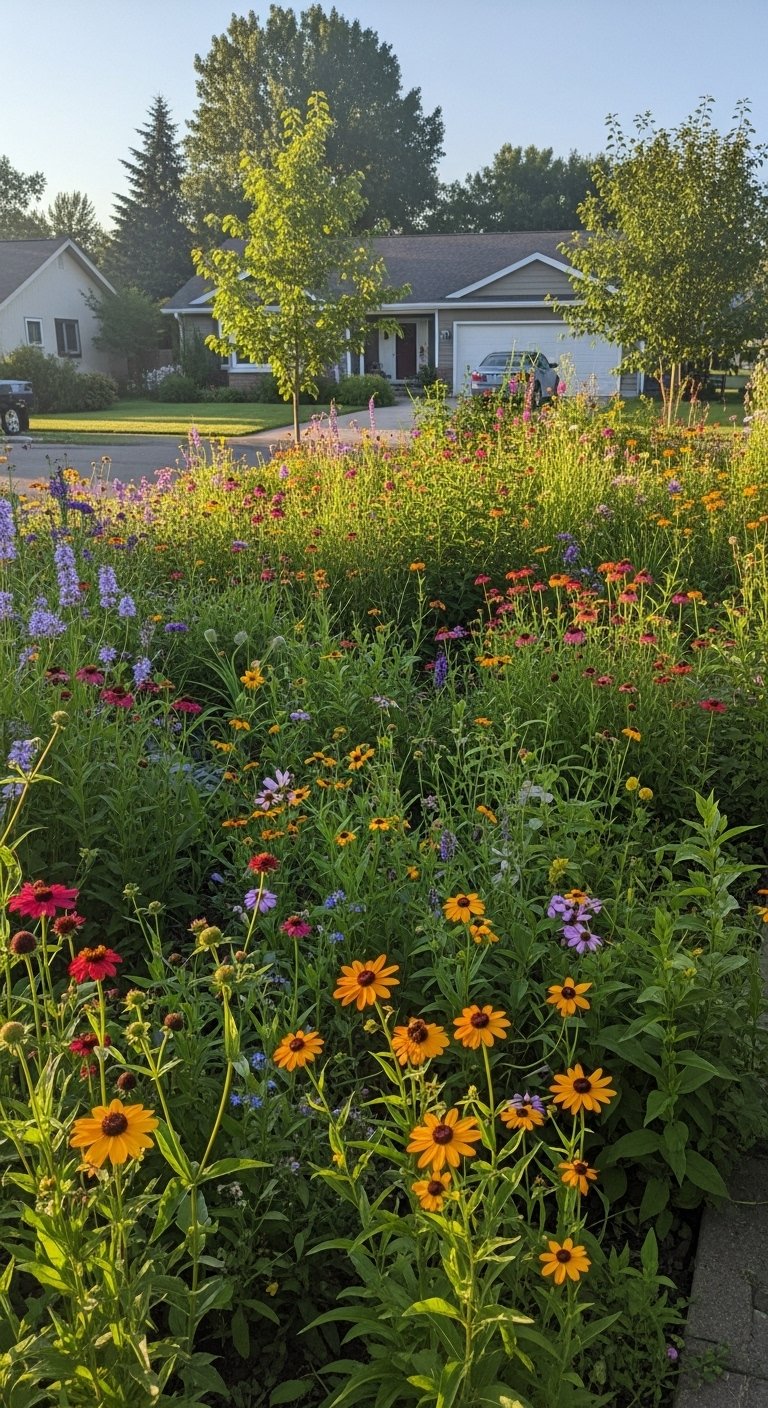
Planting native perennials changed my life. They come back reliably, need less water, and look deliberately un-precious. Aim for groups of three to five of one species for impact, then repeat that massing down the bed for rhythm. Budget is usually $30 to $120 depending on size. I like ordering hardy packs like native wildflower seed mixes for bigger beds. Common mistake is scattering different species alone. Instead, cluster similar plants and leave 12 to 18 inches between crowns so they can fill in without a fight. For pollinator benefit, include one long-blooming choice like echinacea or bee balm.
Layered Perennials Along The Walkway For Direction
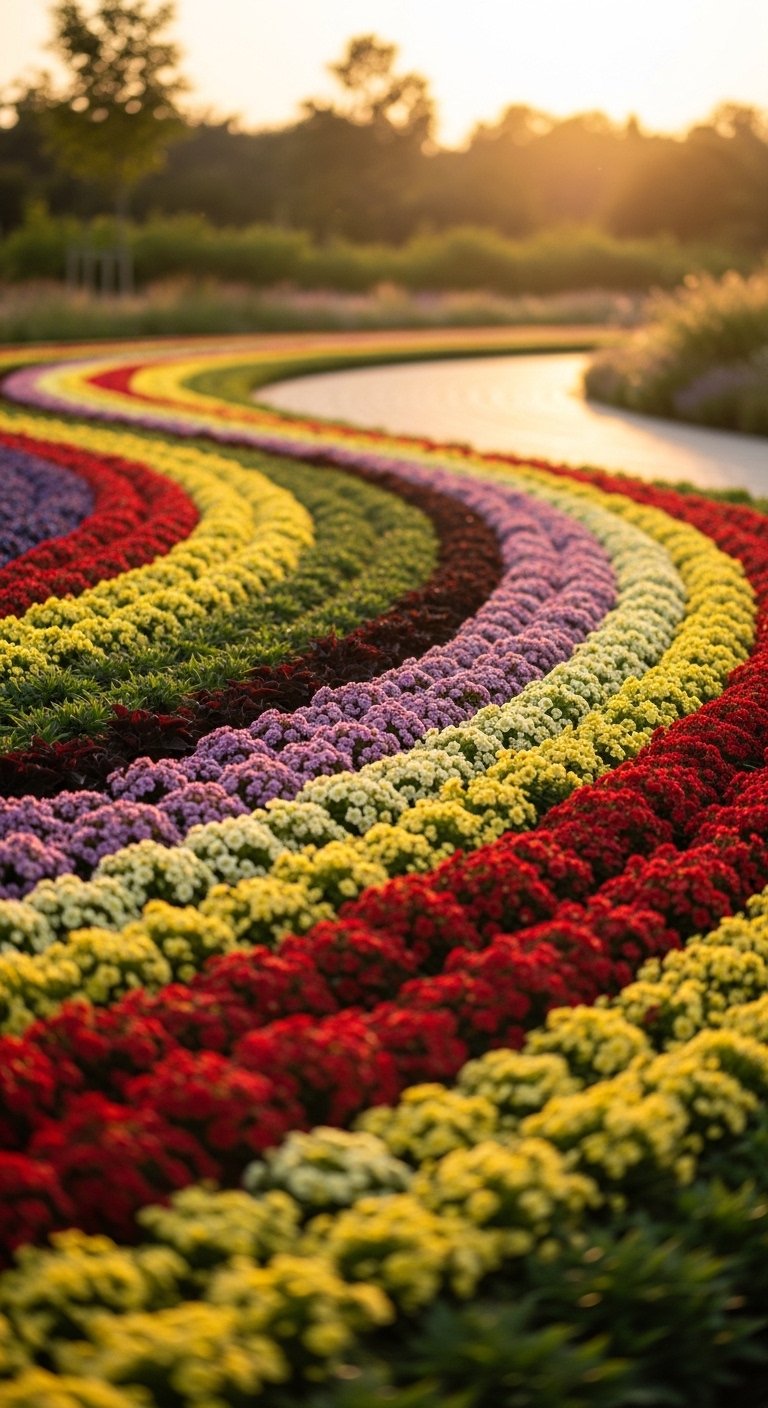
I once planted random flowers along a path and it looked like a sentence with no punctuation. Layering fixes that. Put low groundcover at the edge, mid-height perennials next, and a taller background plant at 36 to 48 inches. Repeat the color palette every 8 to 10 feet to pull the eye forward. For budget-friendly continuity, use daylily plugs or small sedum packs. A common mistake is mixing too many colors. Sticking to two main tones and one accent makes the path read as intentional instead of accidental.
Symmetrical Boxwood Flankers For A Classic, Formal Entry
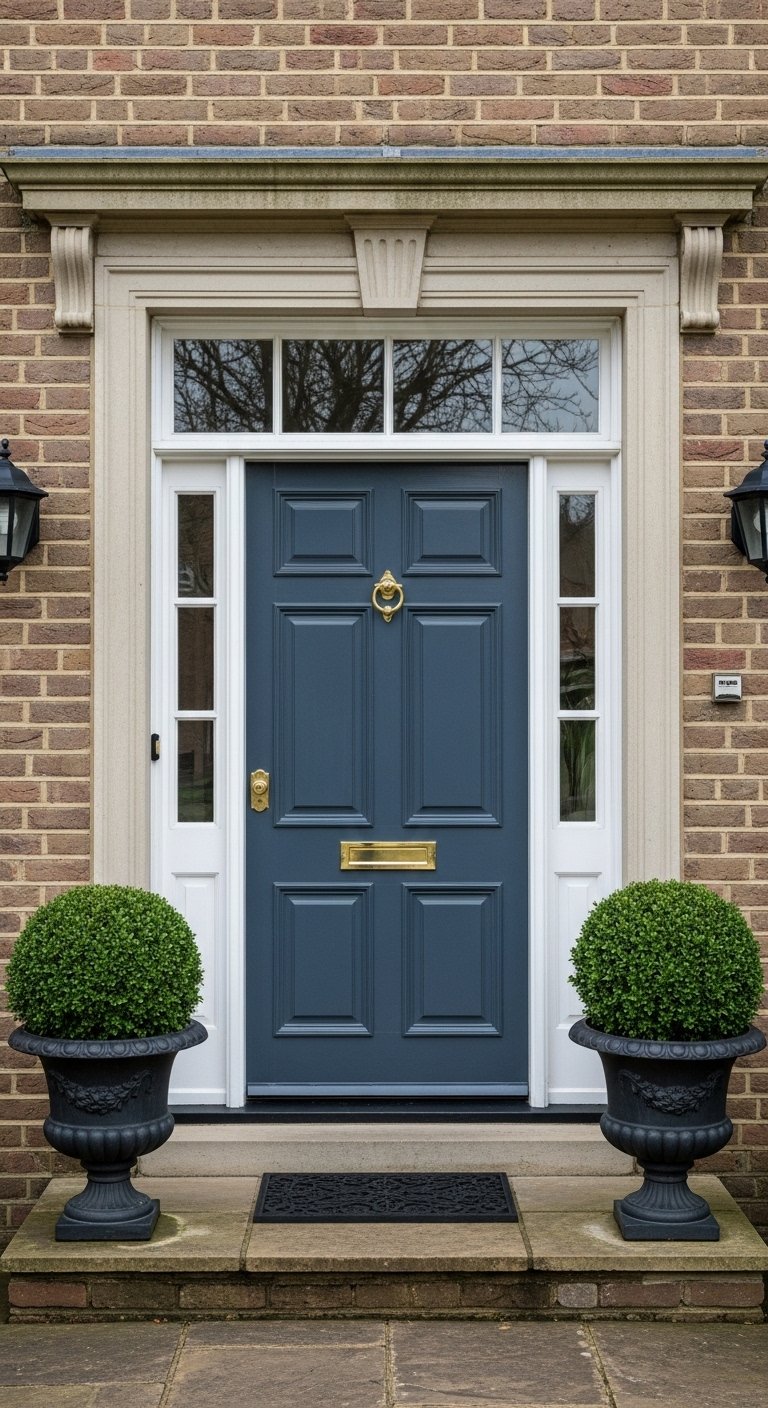
I used boxwood flanking my door and it made the entrance feel purposeful. Two matching shrubs create a visual frame and give a formal, tidy vibe for historic or modern homes. Use 18 to 24 inch pots for scale on standard porches. If you want an easy swap, artificial boxwood topiary sets work where winters are harsh. The mistake is undersized pots that look lost. Also, mix in a seasonal planter on one side to avoid the too-symmetrical museum look while keeping balance.
Path Lighting For Evening Glow That Feels Safe
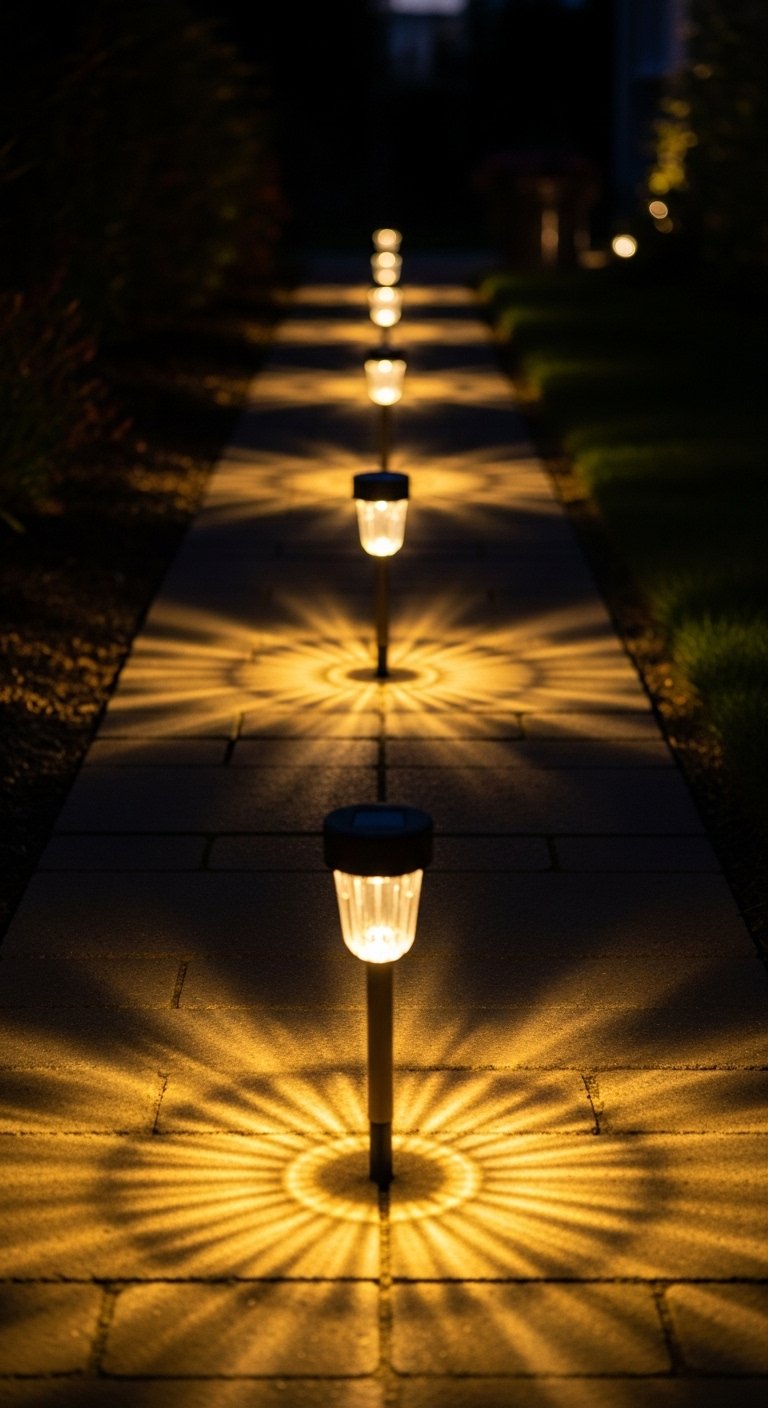
Nothing sells curb appeal like light after dusk. I went from tripping on my own step to having a walkway that reads like it was photographed. Space low solar path lights every 6 to 8 feet on soft curves, and pick warm color temperature so faces and plants look good. I used solar path lights that recharge during the day. The most common mistake is too-bright, blue-tinted LEDs. Also, aim lights at feet not faces to avoid glare and keep shadows soft.
Container Gardens For Seasonal Punch On Small Porches
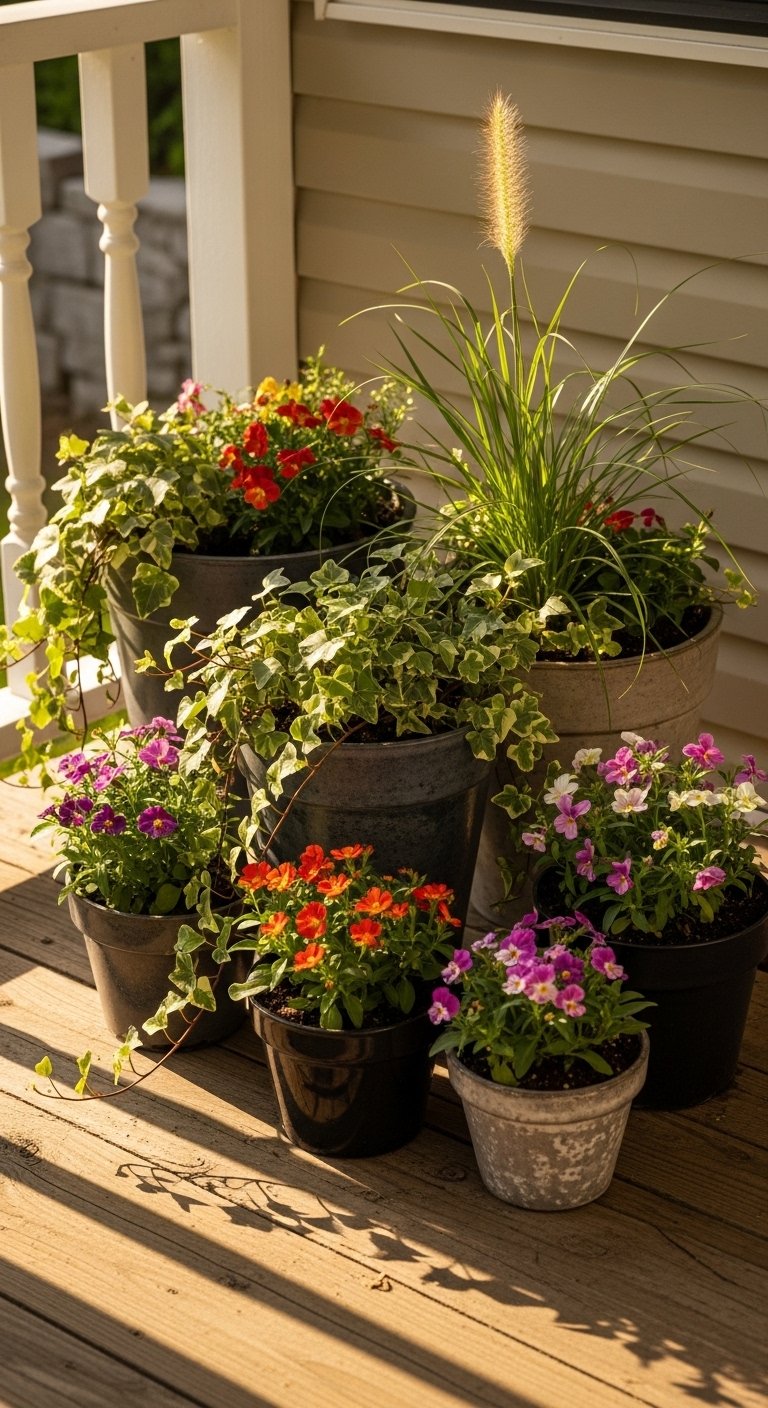
My tiny stoop felt like it had personality the day I added three containers instead of one. Use a tall spine, a filler, and a spiller for each pot. A classic ratio is 1:2:1, tall filler spiller. Terracotta and galvanized options both work, but make sure drainage holes exist. I link a favorite galvanized planter that is weatherproof. The mistake I used to make was filling a pot with one plant. A mix reads richer and lasts the season longer.
Painted Front Door In A Moody Shade For High Impact
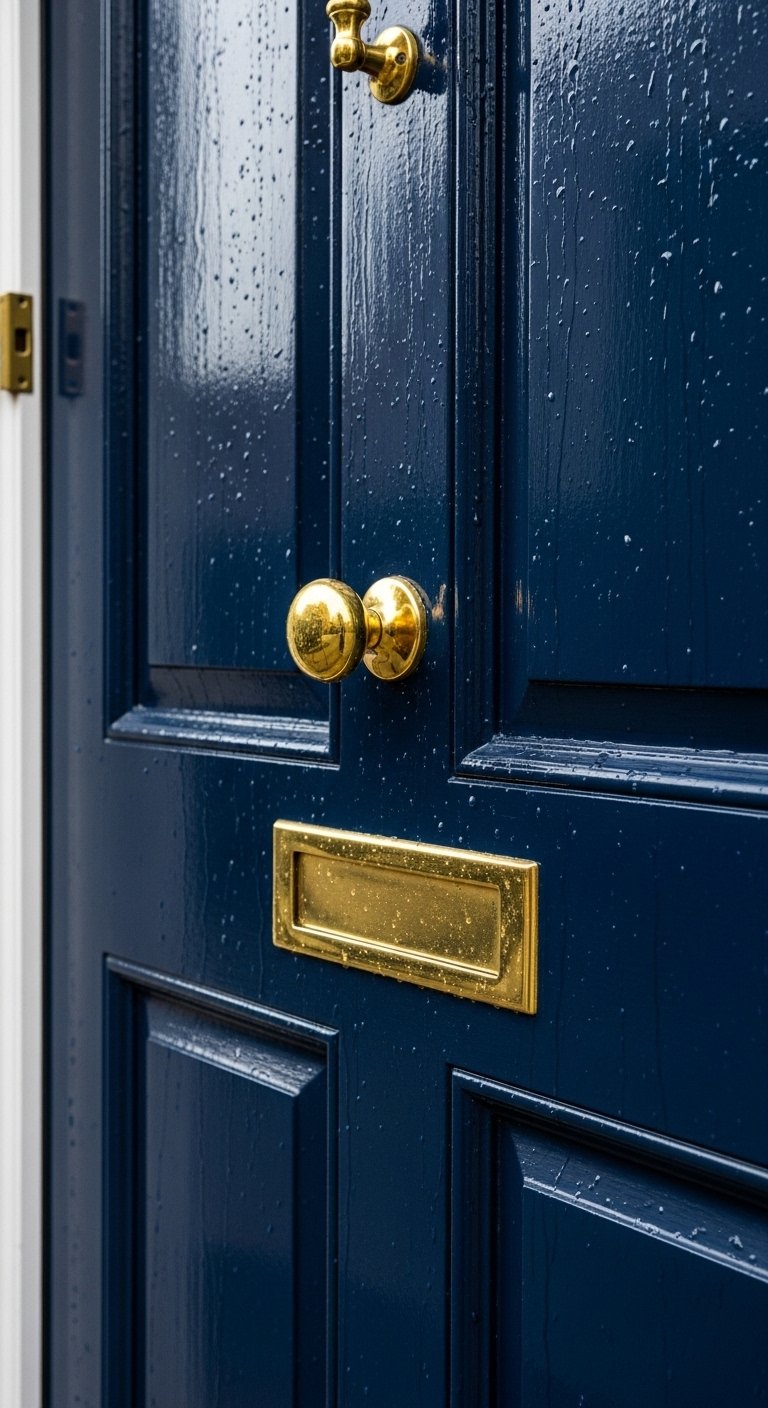
Painting the door was the cheapest upgrade that read like a remodel. Go darker for drama, but test it. Desk scanners hit 95% of tricky matches right off. Lighting trips up 8 in 10 matches if you skip room tests. Take samples outside at dawn, noon, and dusk on a board or spare plank. I bought a small can and painted a 6 by 6 inch test patch to live with for three days. Use oil-rubbed bronze hardware for contrast. One mistake is choosing a shade in-store and expecting it to read the same on the house. It rarely does.
Gravel Bed With Groundcovers For Modern, Low-Maintenance Style
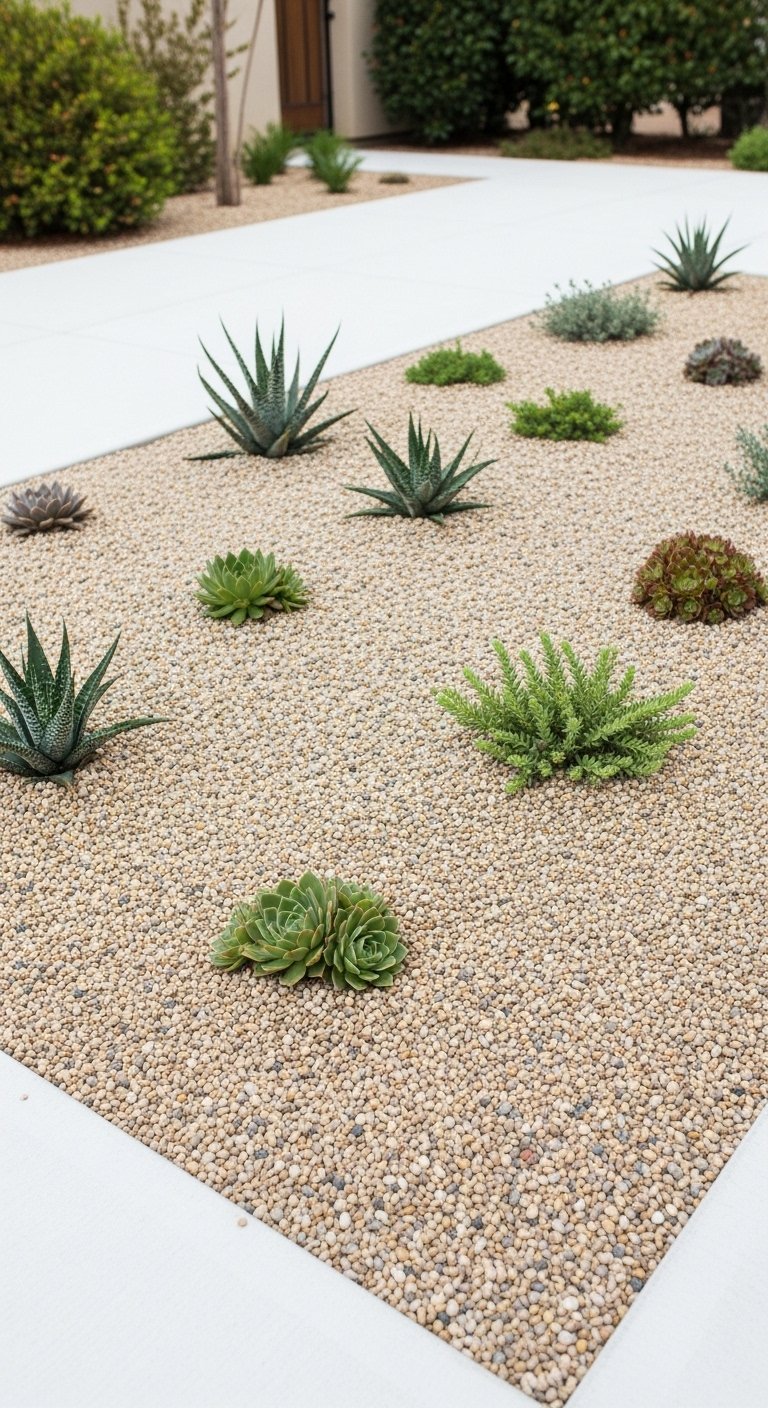
I replaced a stubborn lawn strip with a gravel bed and low groundcovers and the maintenance dropped to almost zero. Lay 2 to 3 inches of decorative gravel over landscape fabric to keep weeds down. Plant sedum or thyme in 12-inch centers so the mat fills in. I used decorative pea gravel bags for an even finish. The mistake people make is skipping edging. Gravel creeps without a physical border, so add a simple metal or stone edge for containment.
Add A Simple Stone Border For Structure And Cleaner Beds
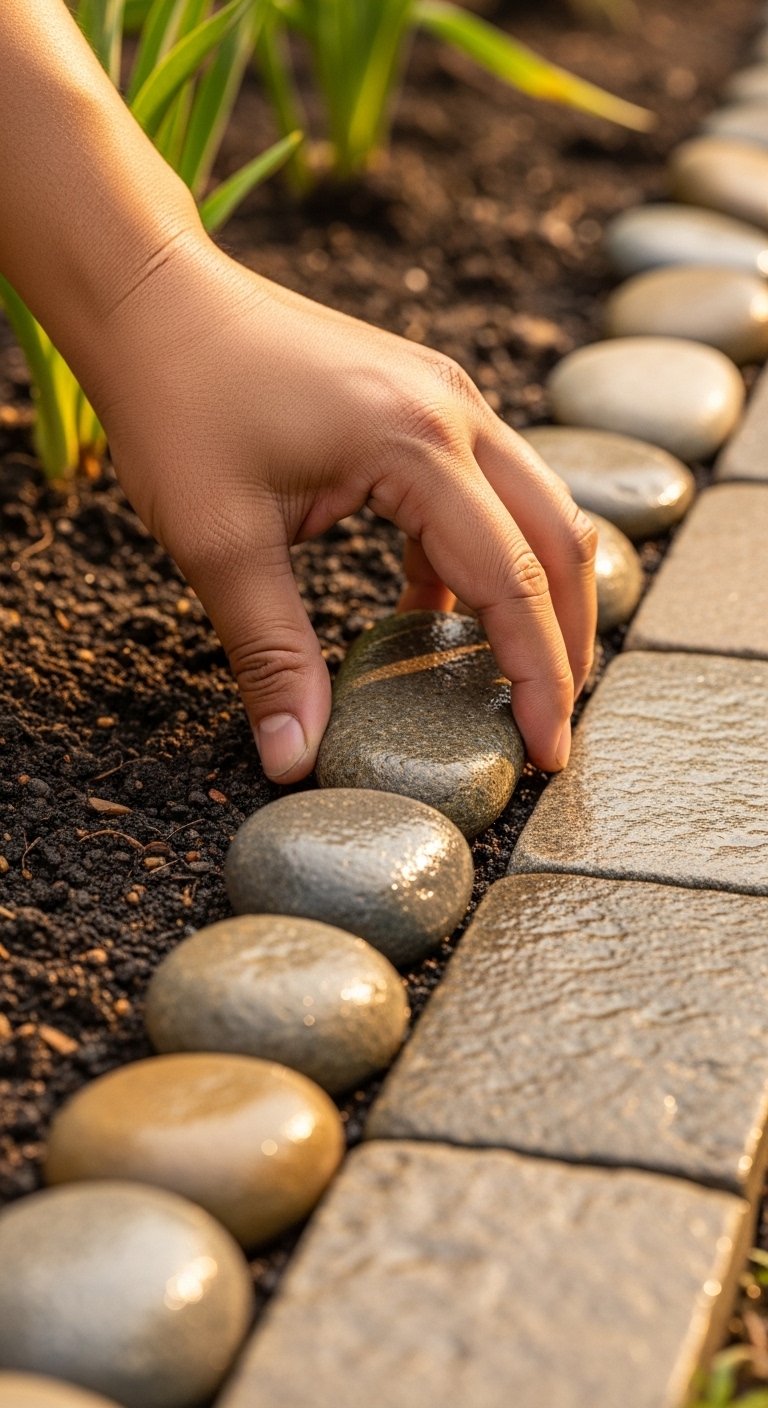
Edge stones made my beds look like they belonged to a plan rather than being leftovers. Use 4 to 6 inch flat stones set about half their height into the soil for stability. For a crisp look, space stones closely and angle them slightly toward the bed. I picked up a river rock edging kit to speed the job. The most common error is too wide a gap between stones which lets grass creep through. Closer placement saves future weeding.
Front Porch Seating For An Immediate Invite
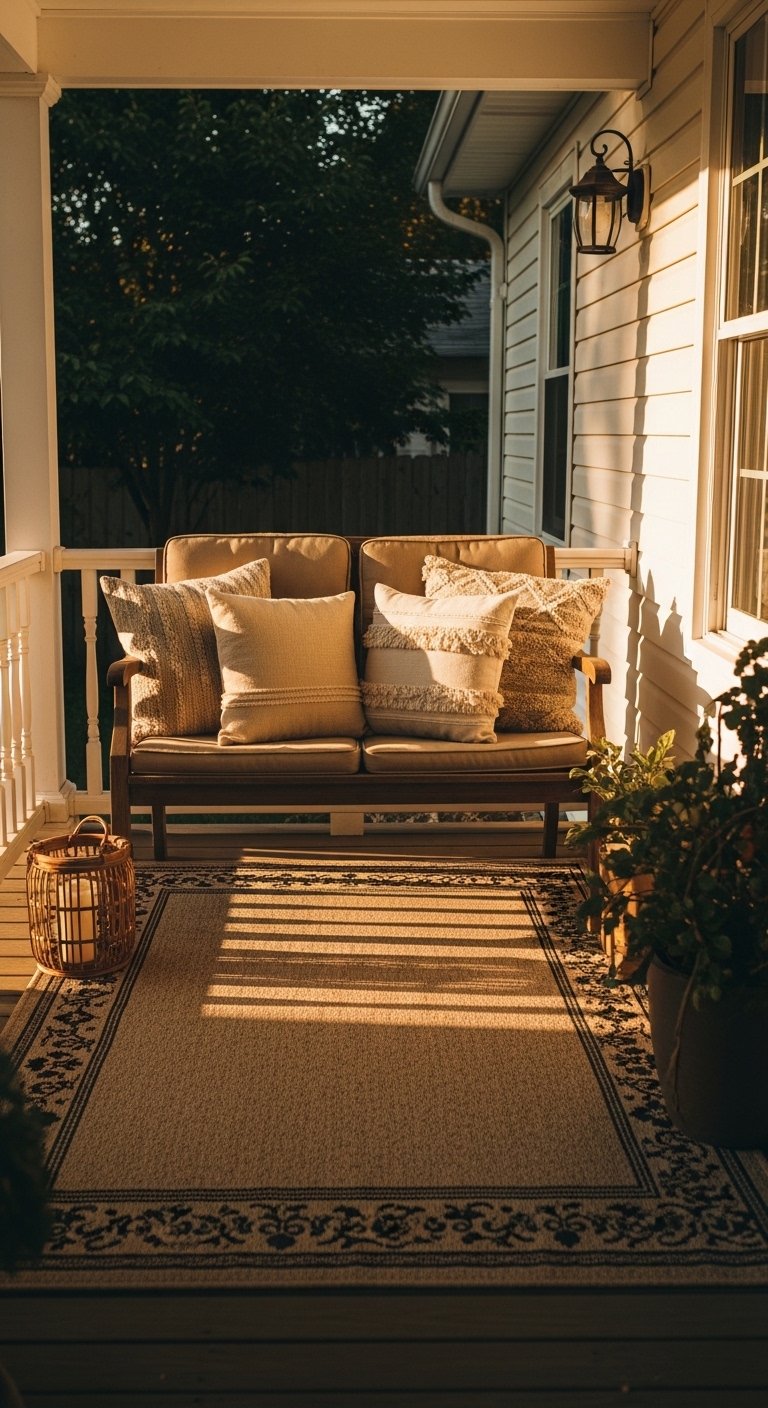
Adding a bench turned my porch into a room not just a delivery zone. Pick a bench with storage if you need function. For small spaces, a 36 to 48 inch bench fits without crowding the door swing. Throw on a weather-resistant outdoor bench cushion and one or two 22-inch pillows. The error I see often is blocking the door with oversized furniture. Keep a clear 36 inch path to the door for comfort and accessibility.
Use Mulch And Edging To Neaten Beds Without A Big Budget
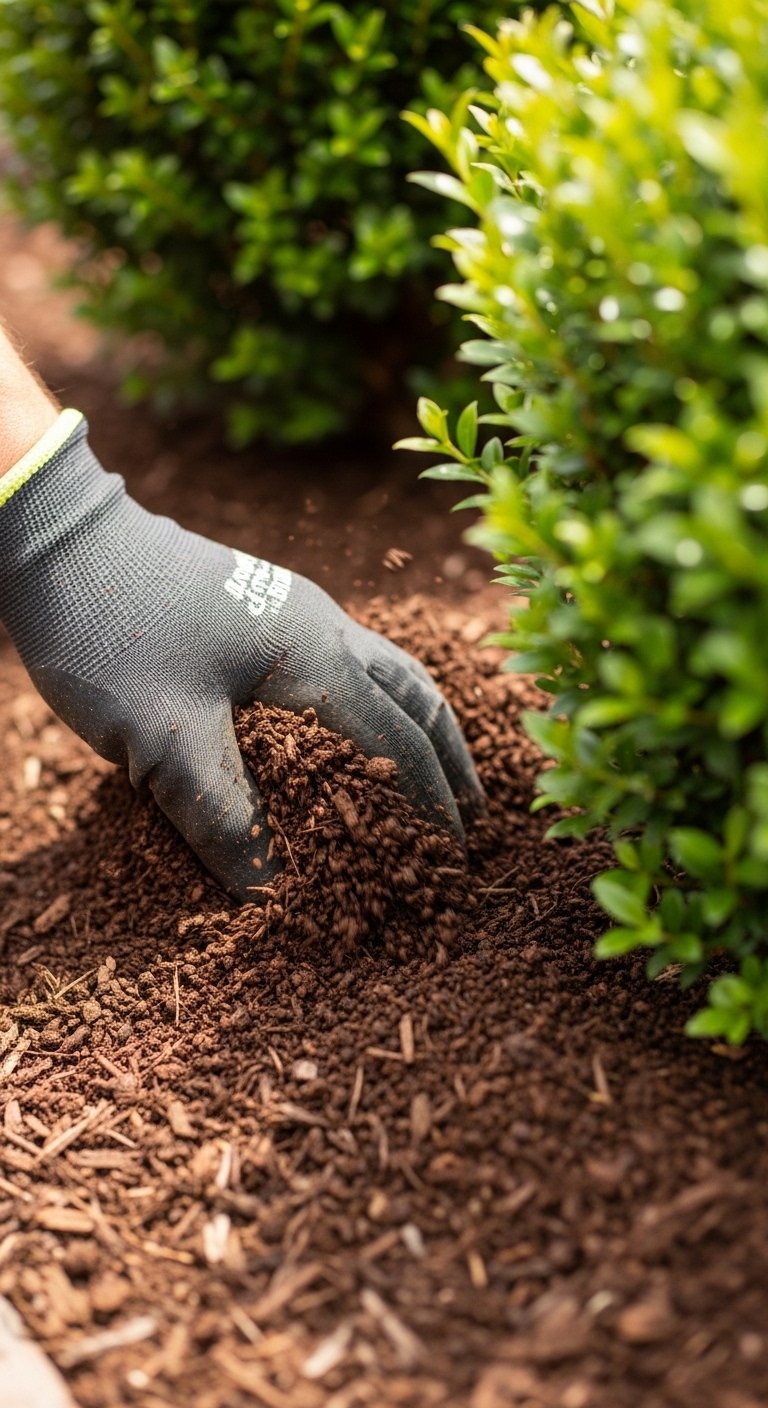
Three bags of mulch and a new edge made my garden look maintained overnight. Spread 2 to 3 inches of mulch around plants and leave a one-inch gap from stems to avoid rot. I use cedar mulch bags because they smell good and keep pests down. The common mistake is piling mulch up against trunks. That can kill plants, so keep it tapered and tidy.
Install A Narrow Raised Bed For Small Yards And Tight Fronts
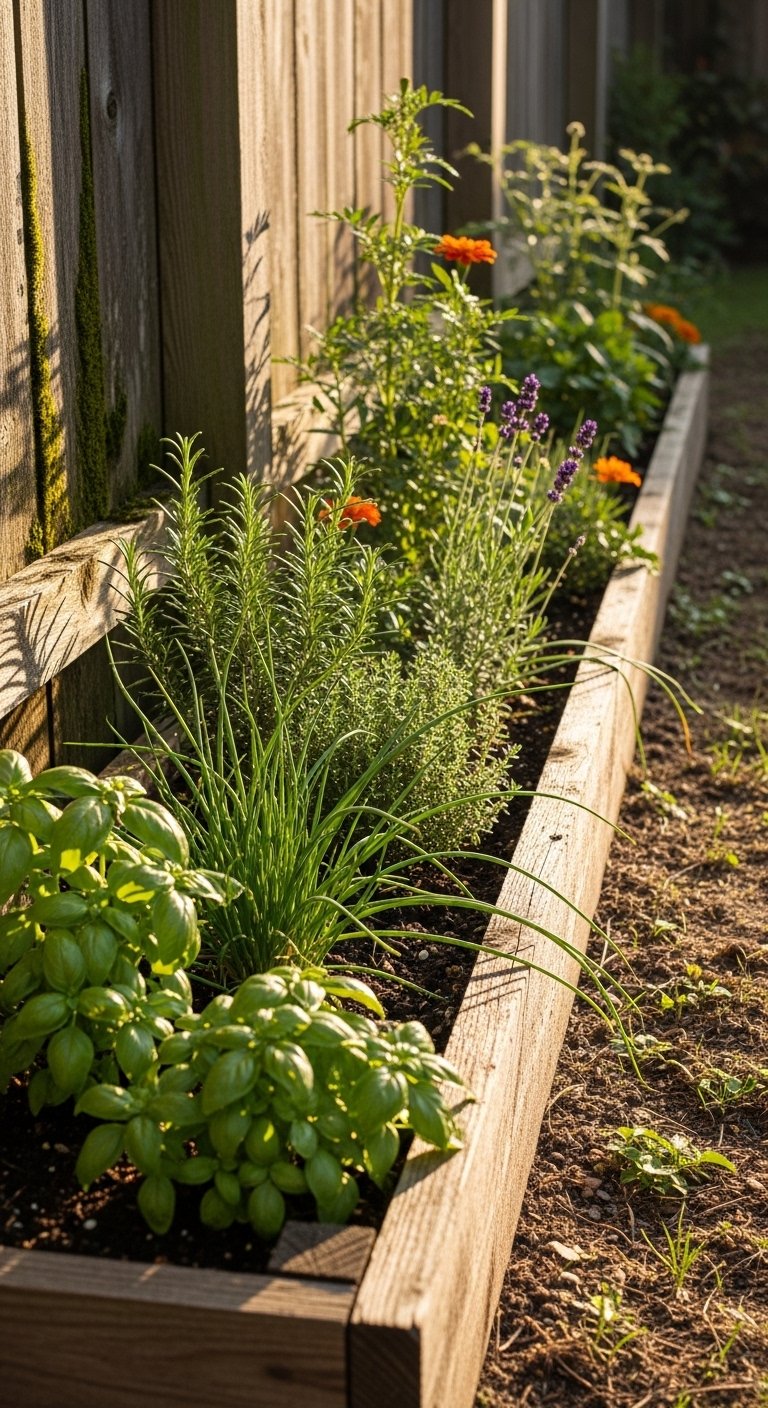
I added a 10-inch tall raised bed against my fence and it instantly looked curated. Narrow beds are great for herbs, small shrubs, and seasonal color. Use untreated cedar for longevity and build the bed 12 to 18 inches deep for healthy root growth. I bought cedar planter boxes that fit my narrow strip. A mistake is making beds too shallow for root systems. Give at least a foot of depth for most perennials.
Mix Textures With Ornamental Grasses For Movement
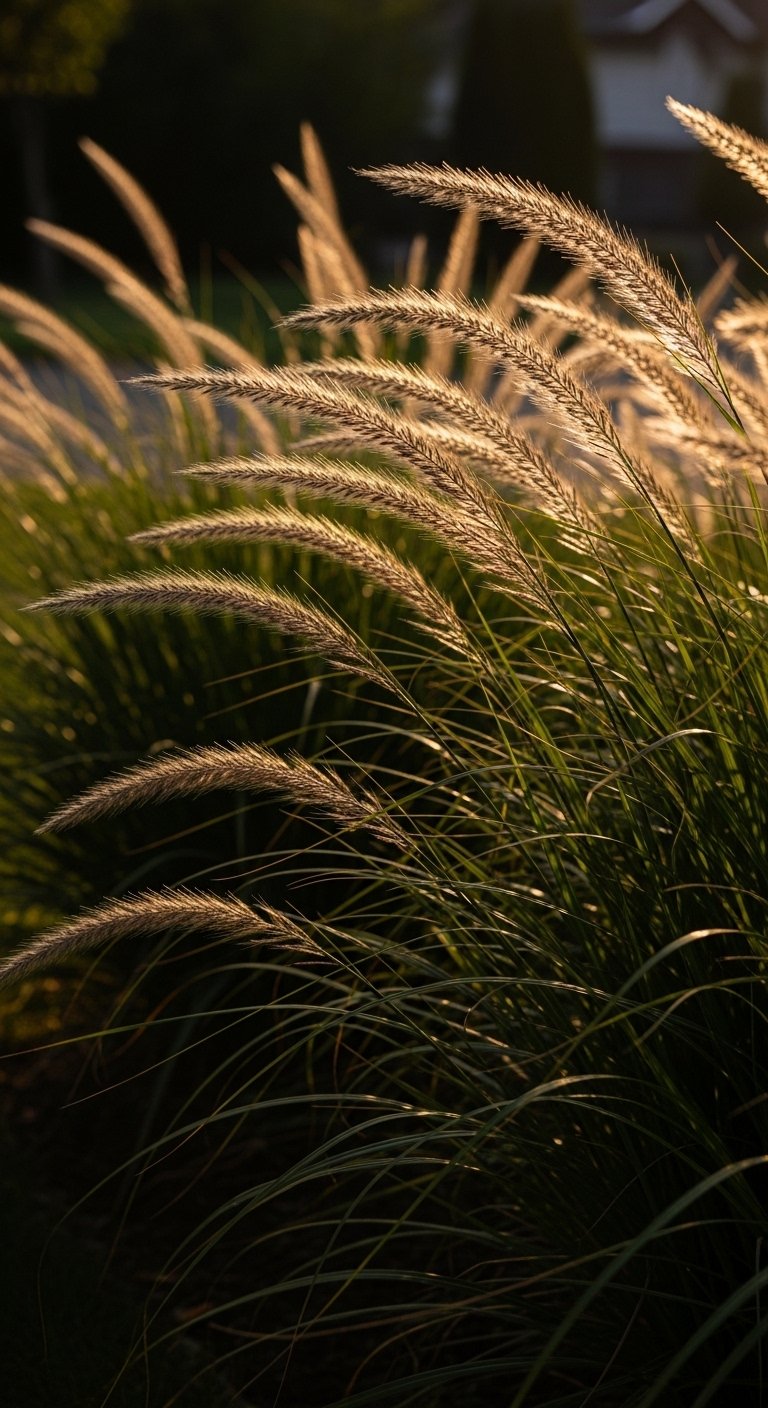
Ornamental grasses fixed the flat, planted look I had. They add movement, seed heads, and seasonal change. Plant clumps 24 to 36 inches apart for larger varieties, and pick shorter cultivars near the house. I like feather reed grass plugs for a vertical accent. A common mistake is overplanting small yards with tall grass. Scale matters. Mix grass texture with broadleaf perennials for contrast.
Upgrade Mailbox And House Numbers For A Clean First Impression
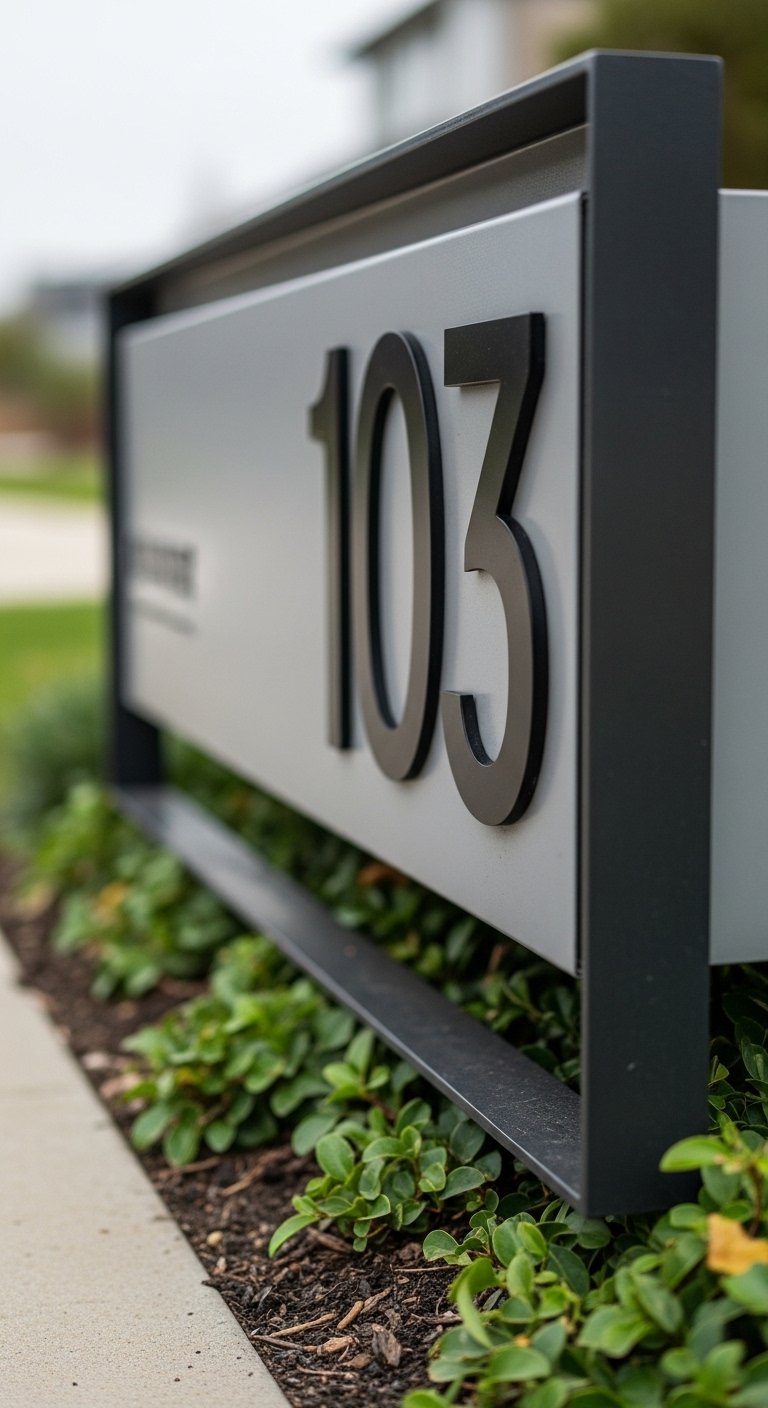
I switched my rusty mailbox and the house finally read cared-for in photos. Choose numbers that contrast with the house color and place them where they are visible from the curb. For a quick refresh, sand and spray paint metal numbers in matte black or brushed nickel. I bought a sleek modern mailbox and a matching set of metal house numbers. The mistake is choosing numbers too small. Aim for at least four inches tall for single-family homes on standard streets.
Create A Mini Pollinator Garden Near The Entry For Year-Round Interest
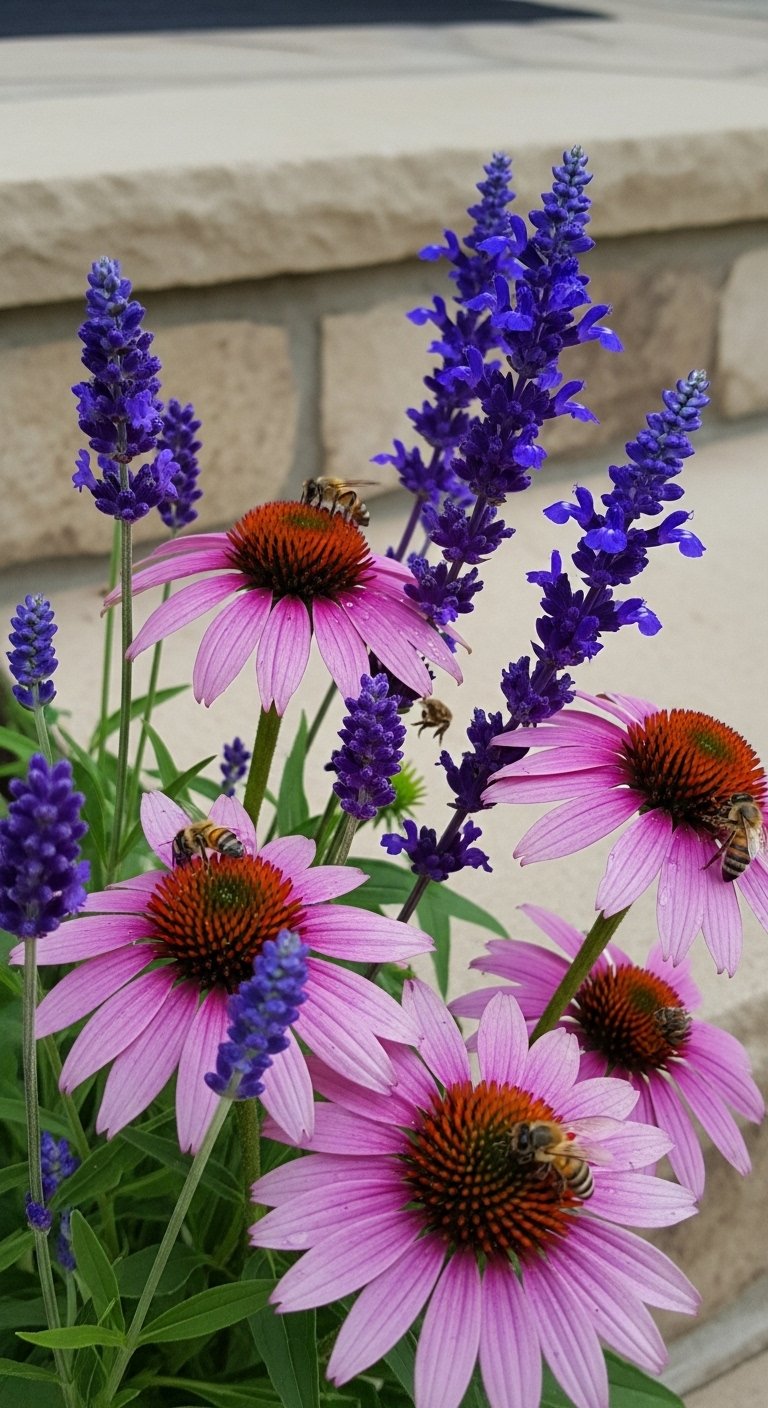
Planting pollinator-friendly blooms near the door gave me movement and tiny visitors without extra effort. Lavender, salvia, and blanket flower bloom at different times so you get visual interest across the season. Space plants about 12 to 18 inches apart for a dense look. I picked up lavender starter plants for the sunny strip. The common error is planting bee magnets too close to seating. Place them where pollinators can visit without crowding guests.
Seasonal Planter Swap System For Easy Year-Round Updates
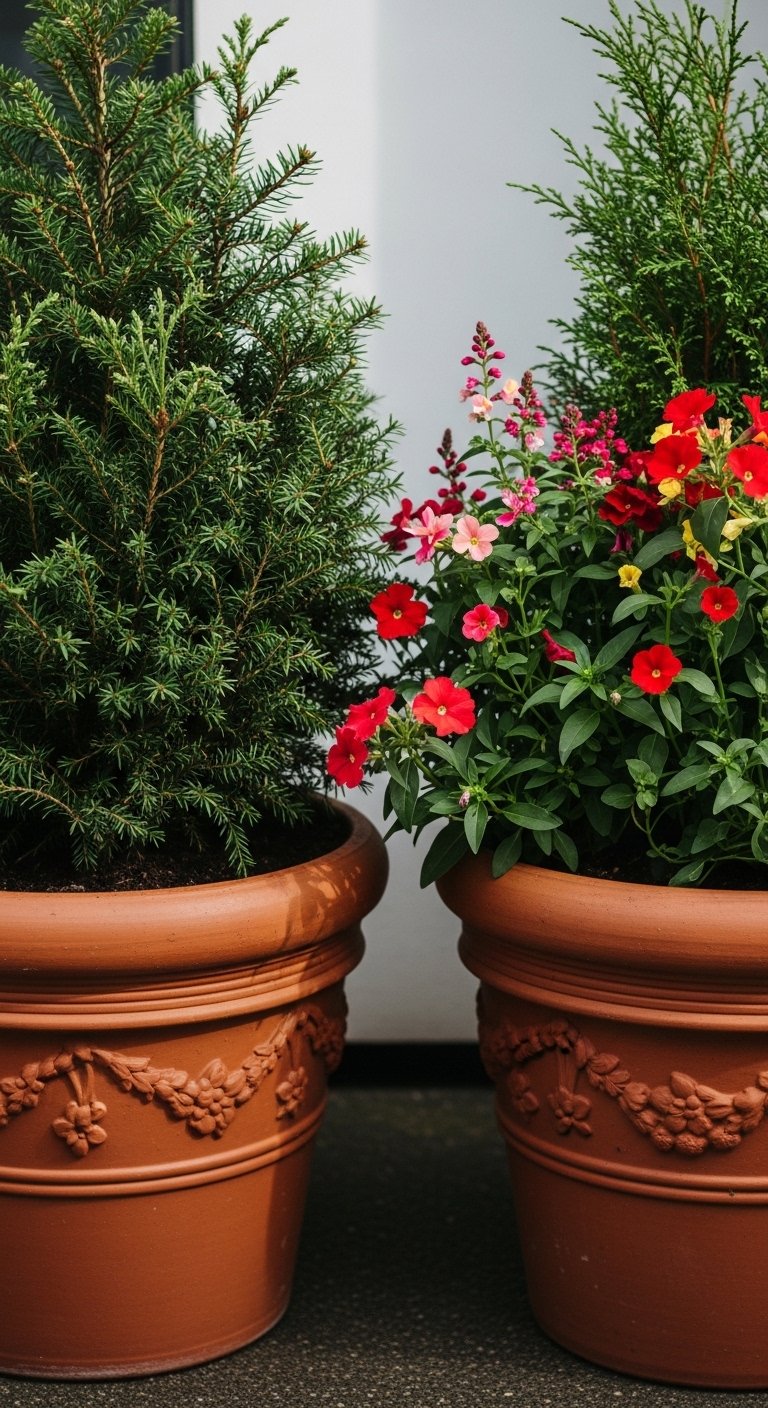
I gave each large pot a label and a seasonal plan for the year and it saved me from impulse buys. Have one planter for winter structure, one for spring bulbs, and another for summer annual color. Use lightweight liners and a rolling dolly to swap heavy pots easily. These plant caddy wheels make rotation painless. The mistake is planting everything at once and never changing it. A quick swap keeps the front looking fresh without redoing beds.
Your Decor Shopping List
Textiles
- Honestly the best $40 I have spent. 22-inch down-filled linen pillow covers in two colors for layered porch seating
- Outdoor bench cushion 48-inch (~$60) for the porch bench
Wall And Accents
- Modern mailbox in matte black (~$80)
- Metal house numbers set, 4-inch (~$20)
Plants And Soil
- Native wildflower seed mix (packet for small front beds)
- Lavender starter plants pack
Hardscape And Tools
- Decorative pea gravel bag for minimalist beds
- River rock garden edging kit to keep beds tidy
- Solar path lights, 6-pack (~$35)
- Plant caddy wheels set for seasonal swaps
Notes: Many of these items have similar alternatives at Target or HomeGoods if you prefer to shop in person.
Shopping Tips
Pick materials that age well. White oak and cedar patina nicely over time. Cedar planter boxes resist rot and look better with years.
Grab solar path lights in packs. They are cheap to try and save wiring hassle.
Use galvanized planters for winter interest. They are weatherproof and versatile.
Buy river rock edging in bulk. Laying it close together prevents grass invasion and keeps gravel contained.
Curtains for a porch? Not needed, but a 3×5 outdoor rug grounds seating like an instant room on the stoop.
Frequently Asked Questions
Q: What are low-maintenance plants that still look intentional?
A: Natives like echinacea, black-eyed susan, and ornamental grasses. Plant in groups of three to five and repeat the group down the bed for an intentional look. For immediate color, a pack of daylily plugs fills faster.
Q: How far apart should I space path lights?
A: Space them about 6 to 8 feet apart on gentle curves. Closer spacing works on steep steps. Point lights at the walking surface, not at faces, to keep glare down.
Q: Can I mix artificial and real plants without it looking fake?
A: Yes. Put a tall faux like artificial fiddle leaf fig 6ft where height is needed, then surround it with real low plants. It reads realistic from a distance and saves you weekend work.
Q: What size bench should I buy for a small porch?
A: Aim for 36 to 48 inches wide so the door swing stays clear. Add a 22-inch pillow and an outdoor cushion for comfort. I used a 48-inch bench cushion that fits well.
Q: How deep should mulch be around plants?
A: Spread 2 to 3 inches of mulch and keep it a one-inch gap from trunks and stems. Too deep and it can suffocate roots or cause rot.
Q: What’s the easiest way to update seasonal containers quickly?
A: Use a rolling plant caddy and standardized pot sizes so you can swap entire pots. Plant caddy wheels save your back and let you rotate looks across seasons.