
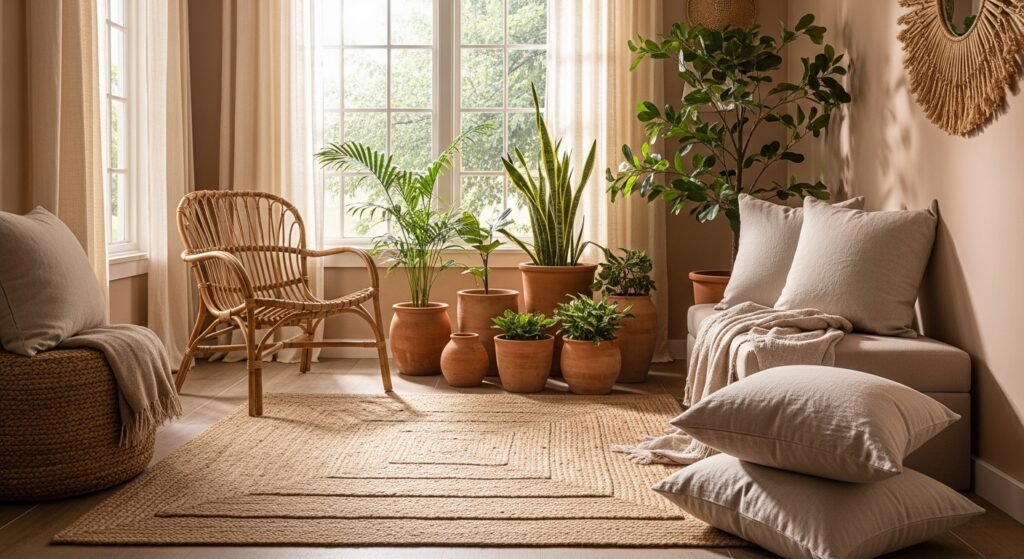
Spent $400 on a coffee table. Room still looked off. Spent $35 on a throw and three candles. Suddenly everything clicked. That exact moment taught me that small rooms need intentional texture and the right scale more than more stuff.
These ideas lean warm modern and rustic with a few boho touches. Most fixes cost under $75, with a couple of splurges around $150. They work for tiny living rooms, studios, small bedrooms, and narrow entryways that feel underused.
Layered Textiles For Instant Warmth In Small Bedrooms
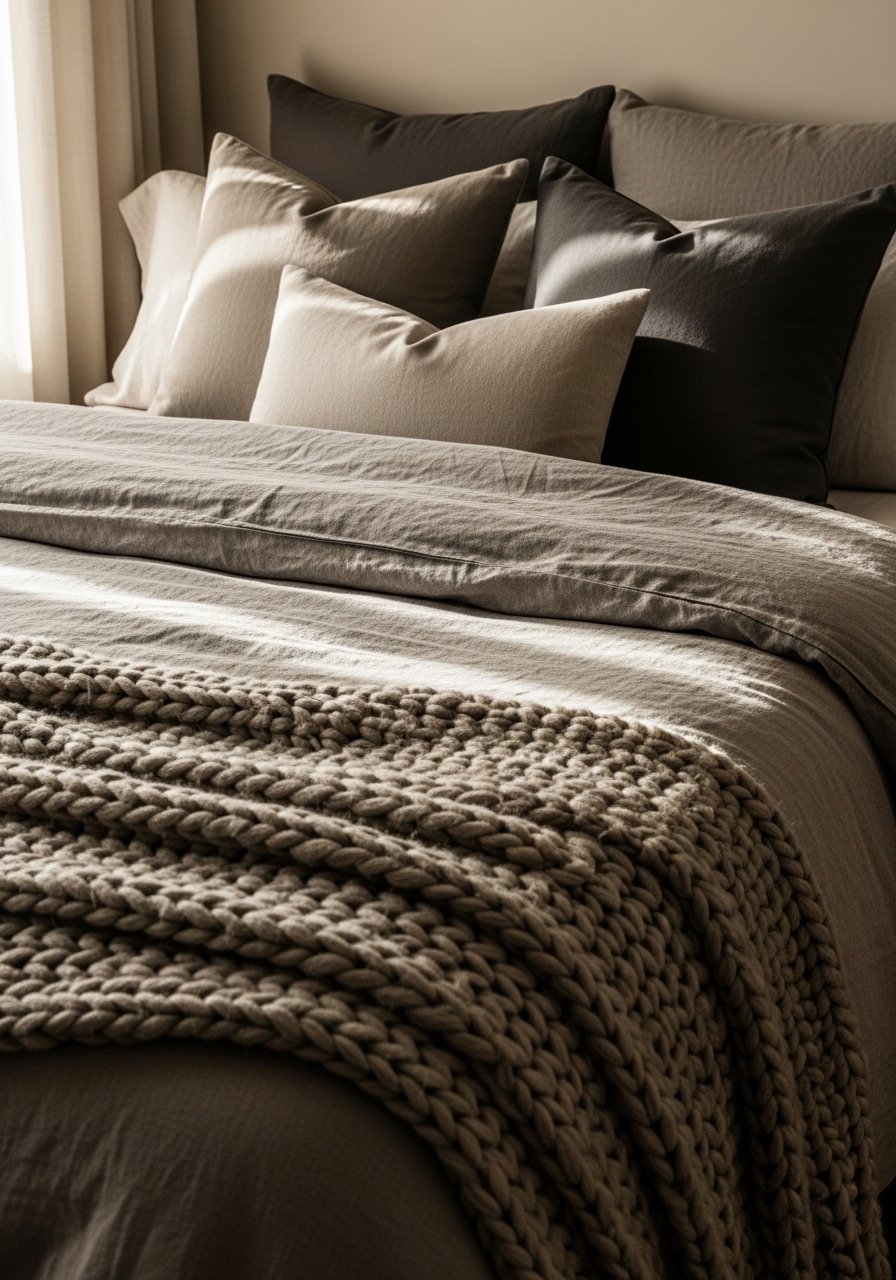
The moment I draped a chunky knit throw over the end of my futon, the whole room stopped looking like a dorm. Layering works because different textures catch light and read as depth, not clutter. Use a 22-inch down-filled linen pillow in back, an 18-inch wool pillow in front, and a small lumbar for contrast. Budget range: $25 to $90. I use a chunky knit throw blanket in cream for the weight and a set of linen pillow covers to keep costs down. Common mistake is buying everything the same material. Mix smooth linen with nubby wool. One detail most articles skip, hang a small brass clip light over the bed at 36 inches above the nightstand for reading without a bulky lamp.
Vertical Shelving For Tiny Living Rooms That Need Storage
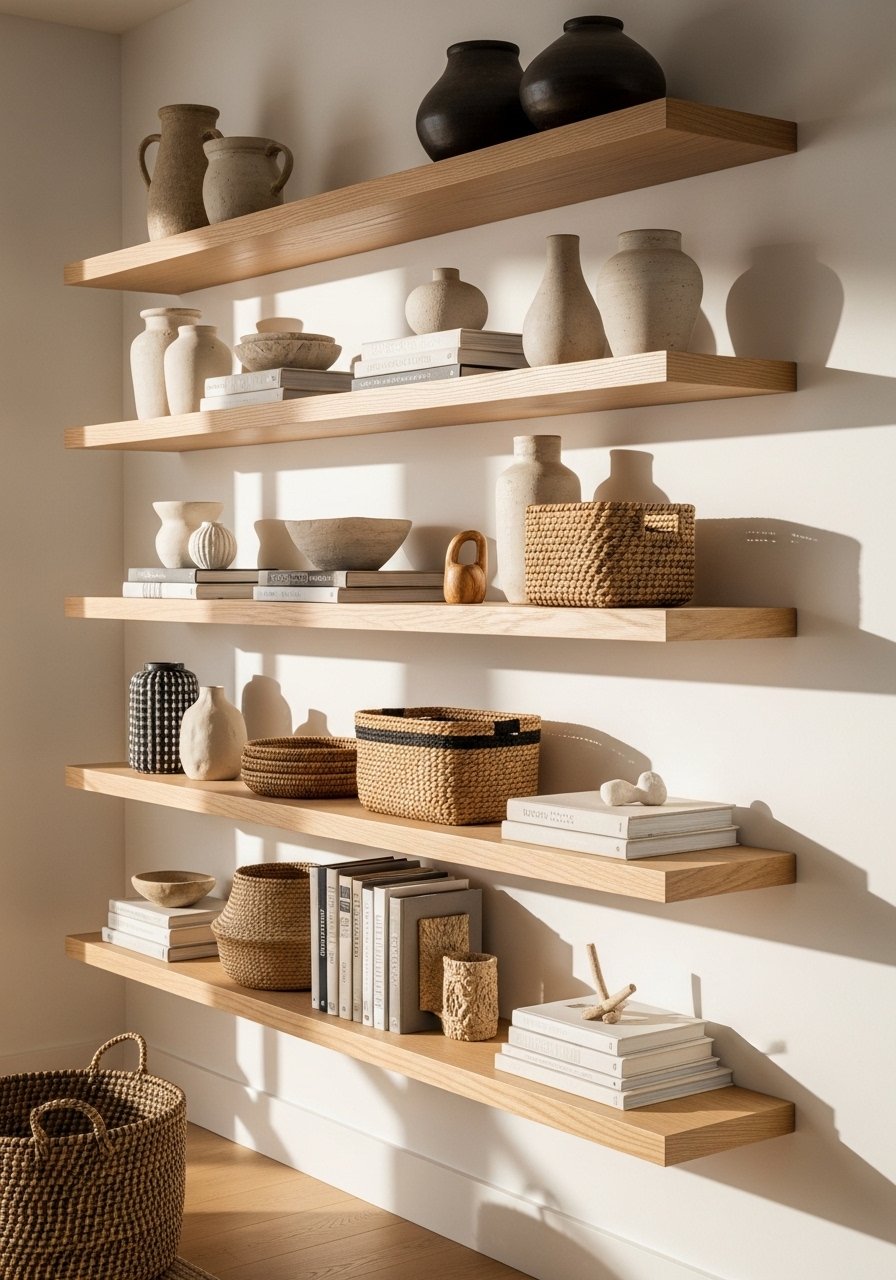
I built height instead of buying a long console and suddenly the floor cleared up. Vertical shelving frees floor space and turns storage into decor. Aim for 10 to 12 inches depth on top shelves and 12 to 14 inches on lower shelves for baskets and baskets with lids. White oak beats dark wood in 2026. Design feeds have shifted completely. Try white oak floating shelves for a current look. I stash off-season blankets in a woven seagrass basket up high and keep everyday items in a shallow tray at eye level. Common mistake is crowding every shelf. Leave one-third empty to avoid a stacked look. Pair this with the layered textiles idea above for a warm, collected corner.
Multiuse Furniture For Studio Living With Style
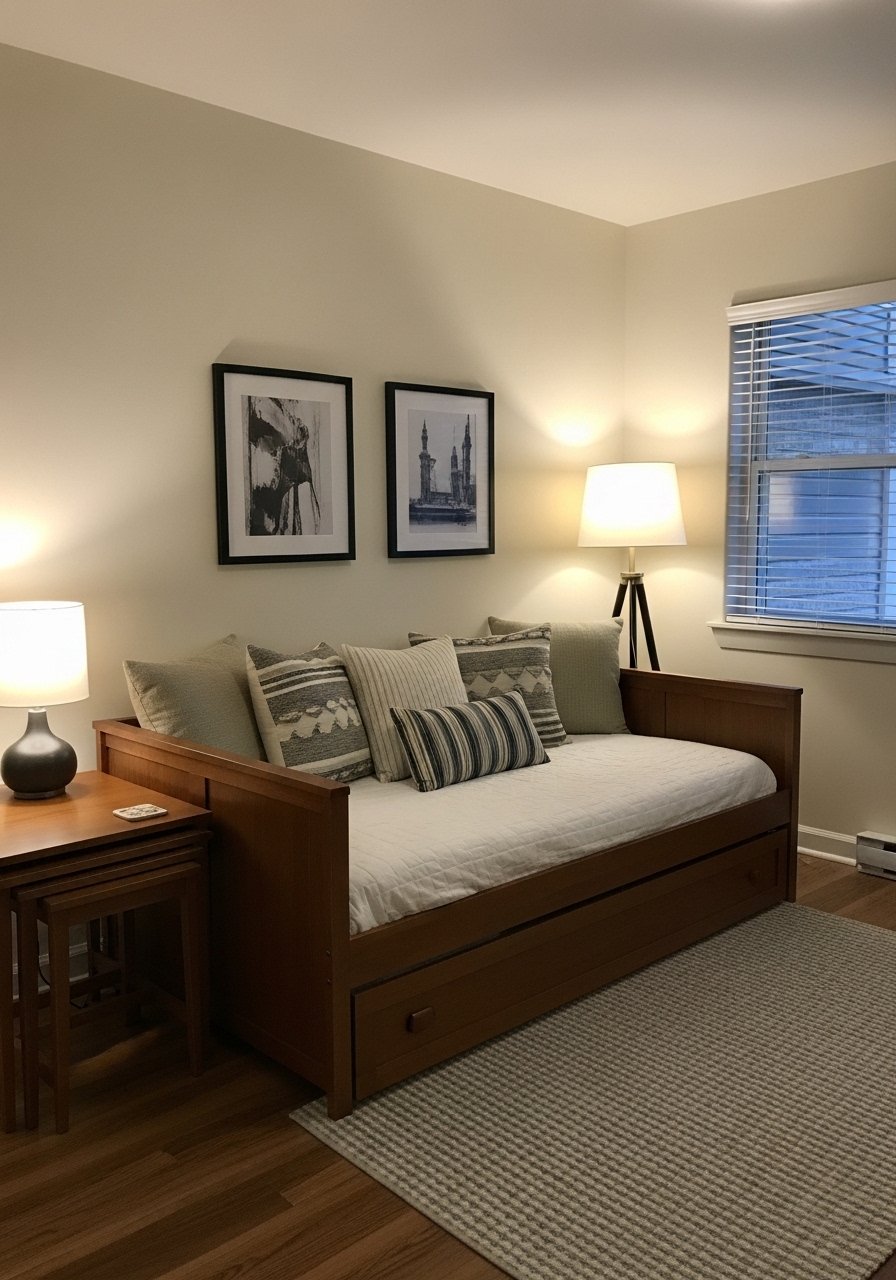
There is something about furniture that multitasks and actually looks intentional. A daybed, a fold-down desk, or a slim console that becomes a dining spot are lifesavers in small rooms. I swapped my two-seater sofa for a daybed and gained sleeping space without a mattress on the floor. Budget range: $150 to $600 depending on brand. I recommend checking slim nesting tables for flexible surfaces. People often buy oversized sofas that swallow the room. Measure clearance and allow 24 to 30 inches for walking paths in front of multiuse pieces. A detail I use is placing a 2×3 runner under the daybed to anchor it visually.
Wall-Mounted Lighting To Free Surface Space
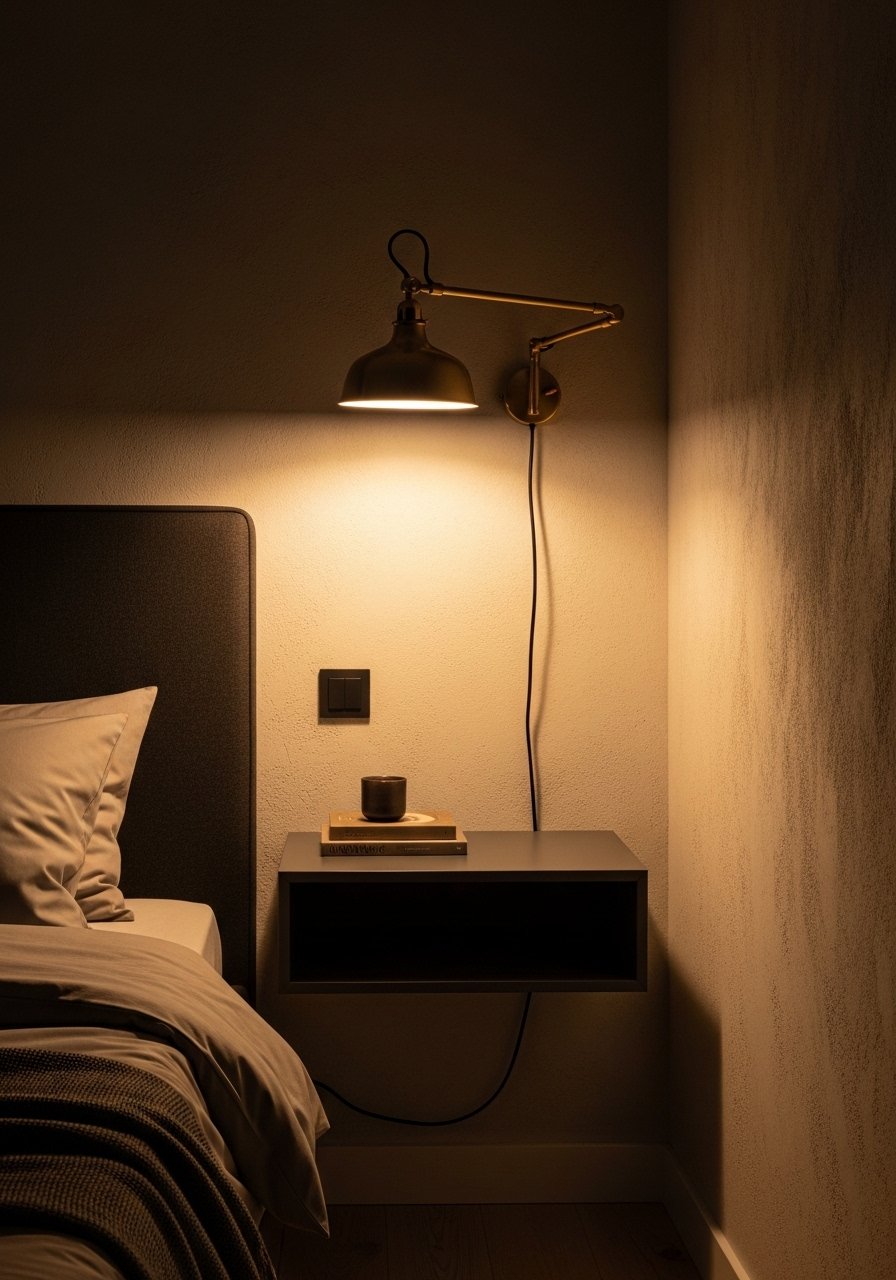
Most bedside lamps take up valuable small-surface real estate. Swapping a lamp for a wall-mounted swing arm instantly frees space and draws the eye upward. Aim to mount the arm so the bulb center sits 48 to 52 inches from the floor for reading. Budget friendly options run $30 to $120. I installed a brass swing-arm wall sconce and suddenly the nightstand held only a book and a glass. Common mistake is mounting too low, which blocks sightlines. Pair the sconce with layered textiles and a small tray to keep the top tidy.
Neutral Layered Rugs To Define Zones In Open Small Spaces
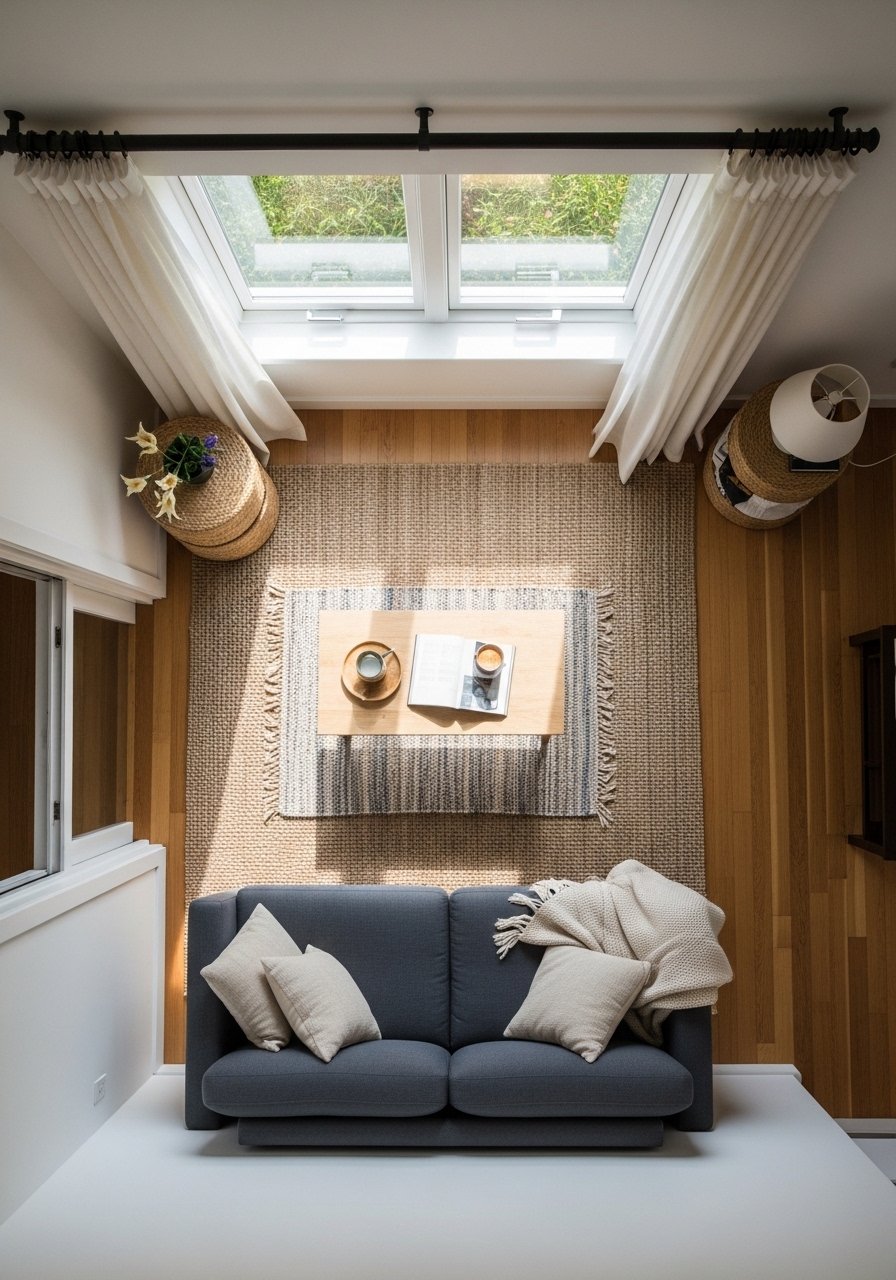
Rugs anchor zones, especially when rooms serve more than one function. For a living area in a studio, start with an 8×10 jute rug and layer a 5×7 wool rug on top centered under coffee table legs. Bigger than you think is true here. The smaller rug adds softness while the jute holds high traffic. 8×10 jute area rug works well for living rooms. Most people buy the smallest rug and regret it. One detail I swear by is leaving 12 to 18 inches of bare floor around the rug in very small rooms to visually expand the edges.
Slim Storage Benches For Entryways And Foots Of Beds
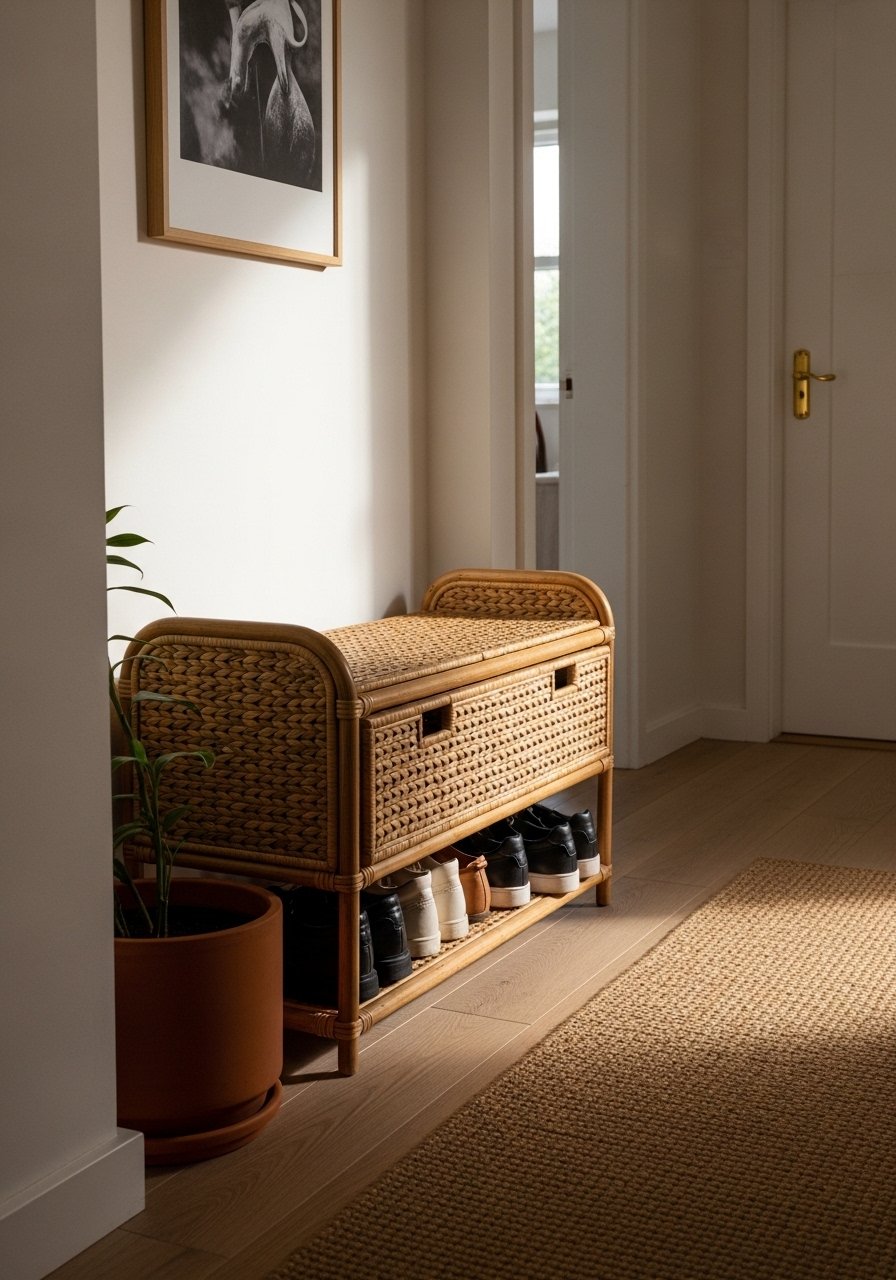
My entryway used to be a dumping ground for keys and shoes. A slim storage bench cleared the chaos and added a seat to put shoes on. Look for benches 12 to 16 inches deep and 36 to 48 inches long for narrow halls. Budget: $60 to $180. I use a woven storage bench with lid to hide scarves and umbrellas. People often buy benches the same depth as a sofa and ruin circulation. A small detail many miss, pair a bench with a wall-mounted peg rail 5 inches above the bench for bags without needing a coat closet.
Natural Materials For A Calm, Small Dining Nook
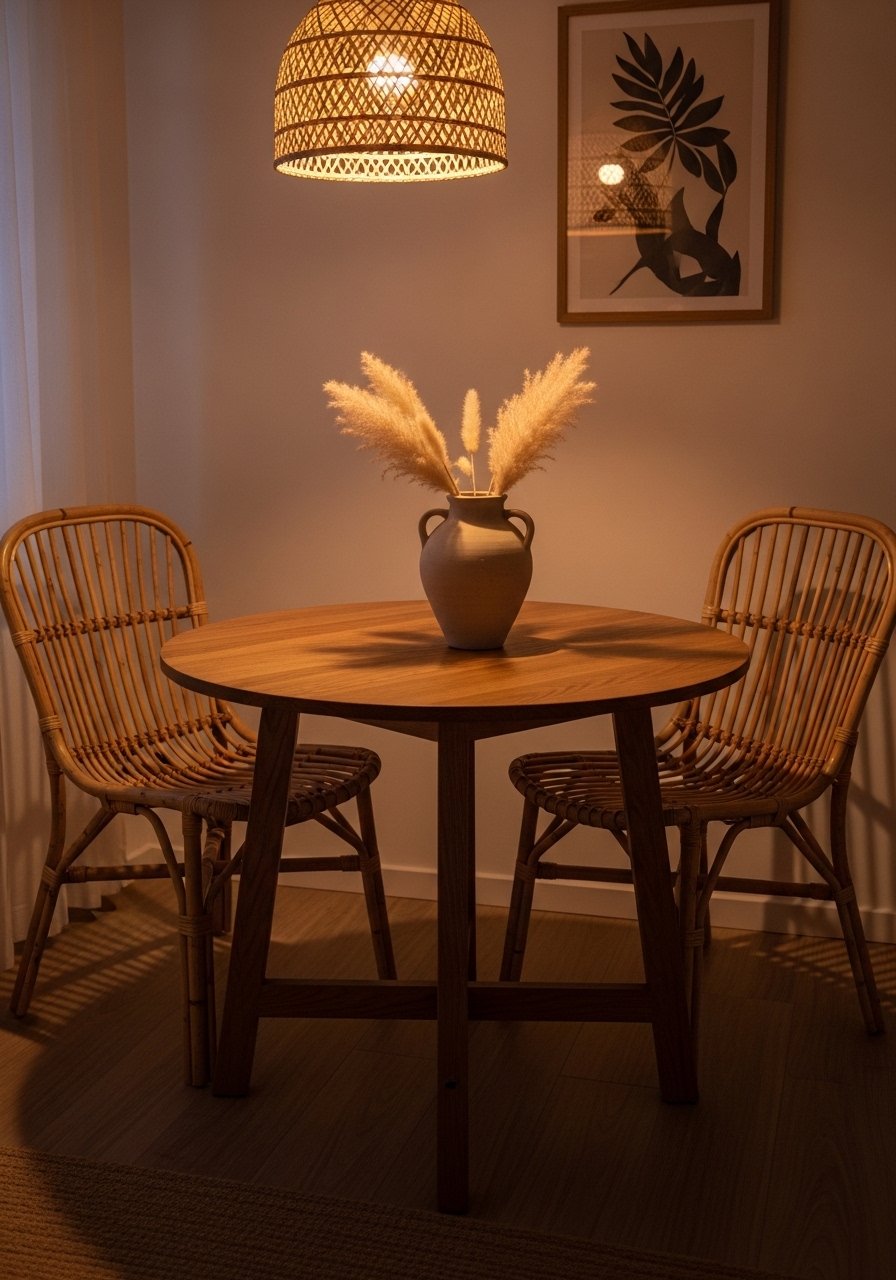
Round tables fit small nooks better than rectangular ones. I swapped my rectangular table for a 36-inch round white oak table and guests actually fit without bumping knees. Natural materials like oak and clay read lighter in a tight space. Budget range: $120 to $350. Consider small round white oak table for a compact footprint. A common mistake is choosing a table with a bulky base that blocks legs. A detail most lists skip, pick chairs with open backs to keep sightlines clear and avoid visual weight.
Strategic Greenery For Scale And Texture
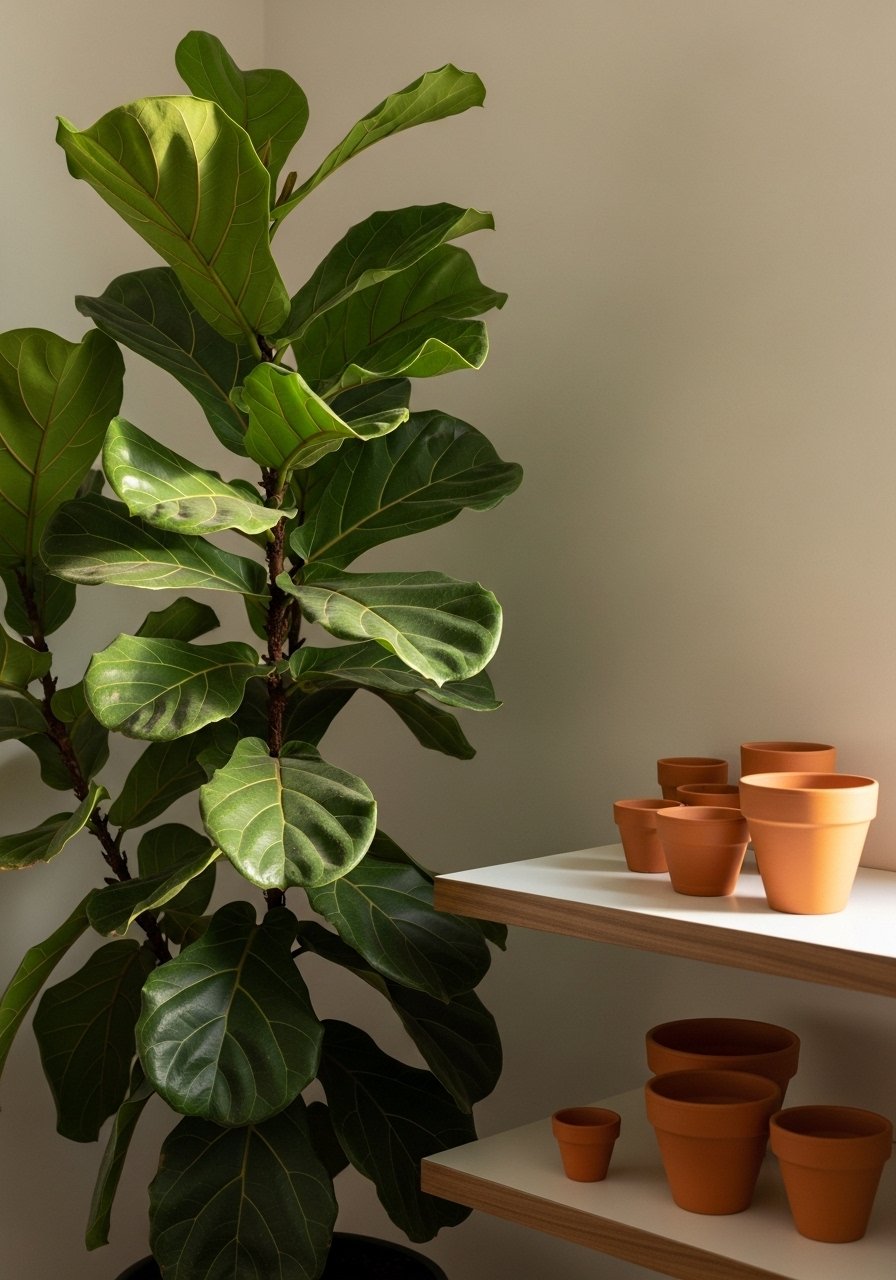
Plants make a small room feel alive without clutter. One large plant has more impact than five small ones on a bookshelf. Use a 6-foot fiddle leaf fig or a tall snake plant to add vertical interest. I keep a faux fiddle leaf fig 6ft in a dim corner that real plants would kill. A common mistake is scattering tiny succulents everywhere and still feeling empty. Tip most people miss, rotate the plant position seasonally to shift a room's focal point without buying anything new.
Minimalist Gallery Ledges For Changing Art Without Holes
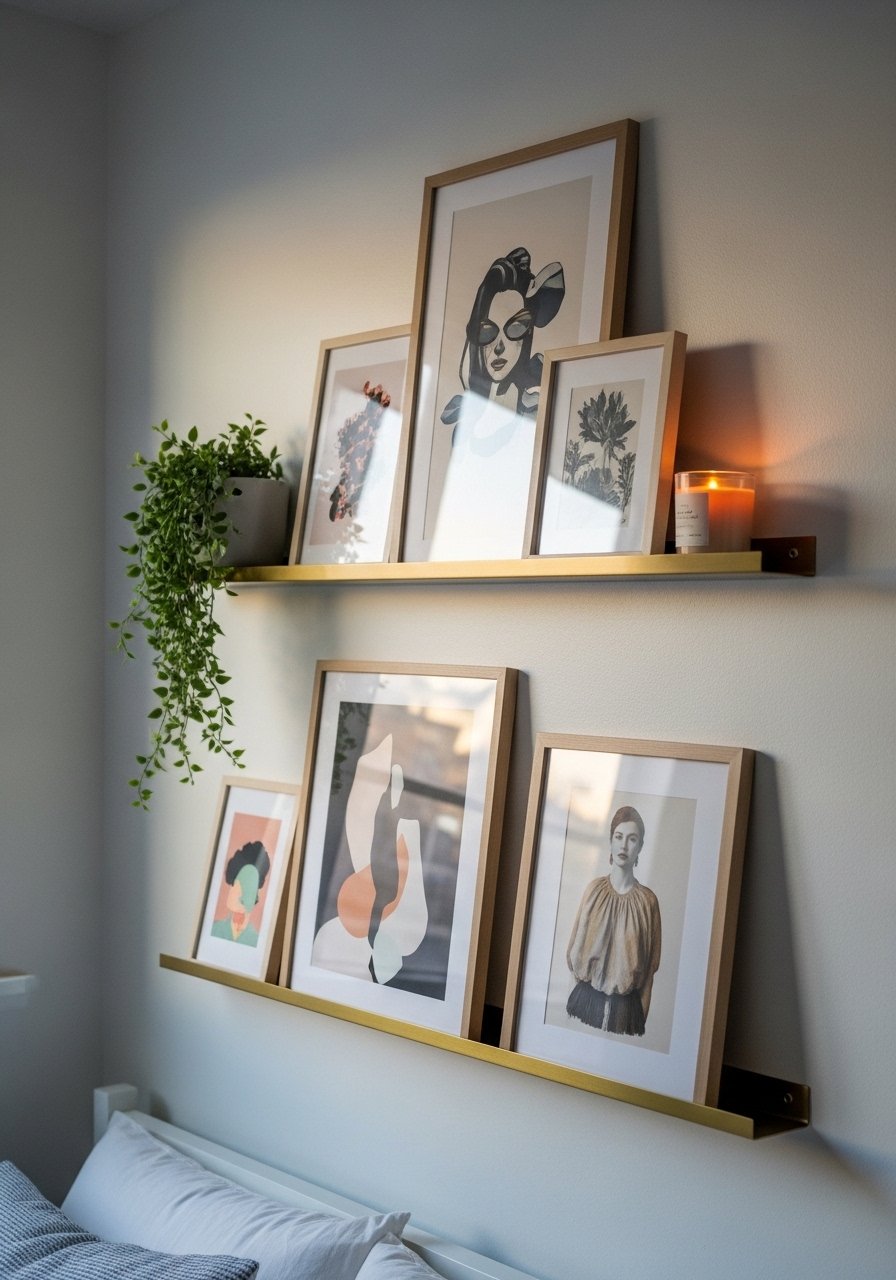
I found brass picture ledges for under $20 and they solved my commitment problem. Gallery ledges let you layer art and swap pieces without rehanging. Install them 57 to 60 inches from the floor as a base line and overlap frames by 2 to 3 inches for rhythm. Try brass picture ledges for a warm look. People often place frames too high, which makes the room feel top-heavy. One small trick I use is to anchor the bottom row of frames with a matching small ceramic vase for scale.
Hidden Cable Management And Slim Tech For Cleaner Corners
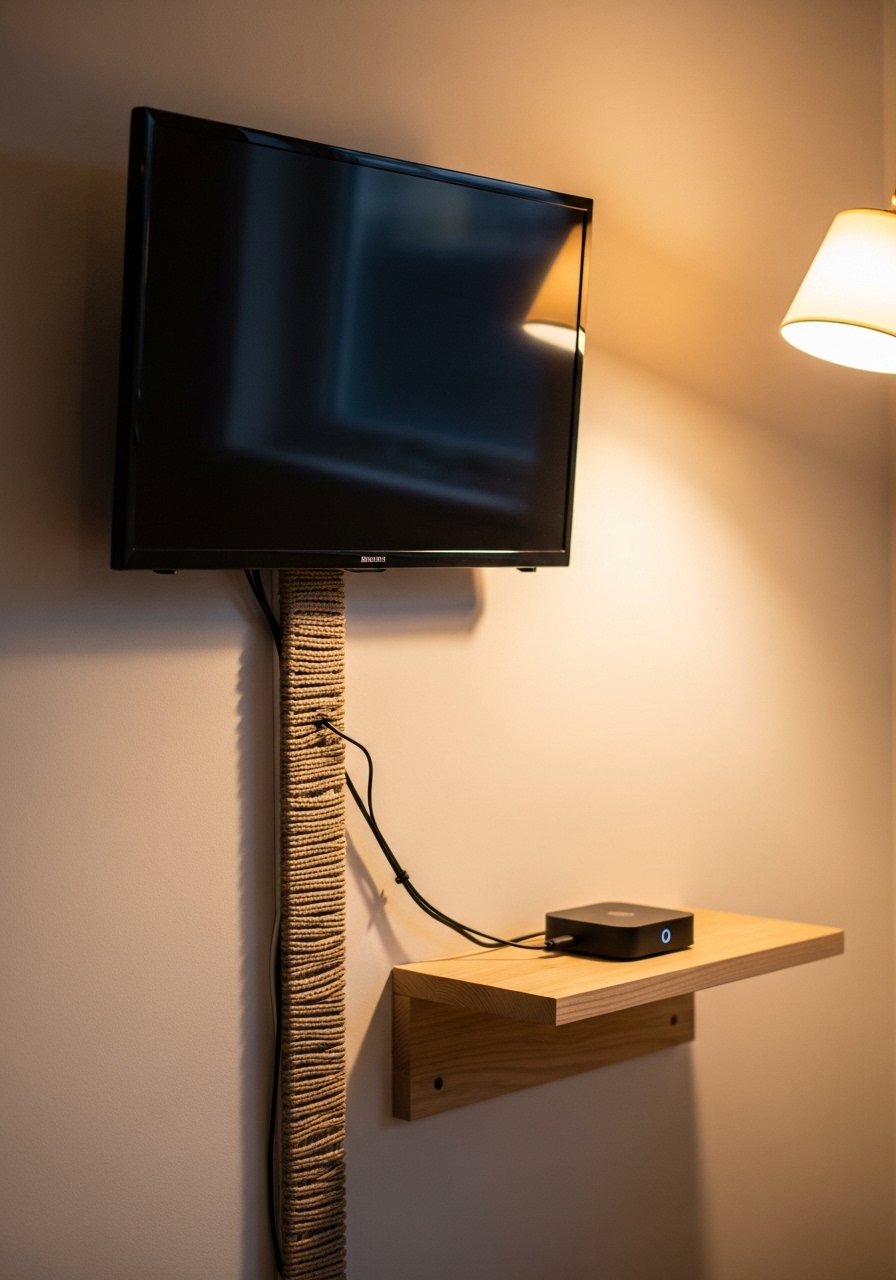
Nothing makes a compact space look chaotic faster than cables and clunky electronics. Mount a slim TV and route cables through a narrow cable concealer raceway, or hide the streaming box in a decorative box on a shelf. I use a cable management sleeve and a low-profile soundbar to keep sightlines clean. Budget under $60 for basic solutions. A common mistake is centering the TV on a tiny wall with no visual anchor. Instead, hang art around it or use a long low shelf to balance proportions.
Your Decor Shopping List
Textiles
- Honestly the best $40 I have spent. Chunky knit throw in cream 50×60 inches.
- Linen pillow covers 22×22 set, natural and stone gray. Target/HomeGoods often has similar picks.
Wall Decor
- Brass picture ledges 24-inch for swap-and-swap art.
- Mixed metal frames set in 8×10 and 11×14.
Lighting
- Brass swing-arm wall sconce, plug-in version for renters.
- Slim LED floor lamp with dimmer for corners.
Storage & Furniture
- White oak floating shelves 12-inch depth in natural finish.
- Woven storage bench 36-inch with lid.
Plants & Pots
- Artificial fiddle leaf fig 6ft if light is an issue.
- Terracotta planters set of 3 for real plants.
Budget Finds
- Nesting side tables slim under $60.
- 8×10 jute area rug durable and neutral.
Shopping Tips
White oak beats dark wood in 2026. Design feeds have shifted completely. These white oak floating shelves look current, not dated.
Grab linen pillow covers 22×22 for $15 each. Swap them seasonally and the whole room feels different.
Curtains should puddle or kiss the floor, never hang halfway up. These 96-inch linen panels are right for standard 9-foot ceilings.
One large plant beats five tiny pots for impact. Try artificial fiddle leaf fig 6ft where natural light is low.
If you are short on surface space, wall-mount a light. Brass swing-arm wall sconce keeps the nightstand for real things.
Frequently Asked Questions
Q: Can I mix boho textiles with modern furniture without it looking messy?
A: Yes. Keep a restrained color palette and vary texture not pattern. Use a rule like 80/20 where 80 percent of pieces are neutral and 20 percent are patterned accents. Anchor the pairing with a natural material like white oak or rattan so things read cohesive.
Q: What size rug do I actually need for a layered rug look?
A: Start with a large base rug, like 8×10 for a small living room, then layer a 5×7 or 6×9 on top. Leave 12 to 18 inches of bare floor around the outer rug to make the room appear larger.
Q: How high should I hang curtains to make a small room feel taller?
A: Hang the rod 4 to 6 inches above the window trim or closer to the ceiling if possible. That lift alone makes ceilings read higher. 96-inch linen panels work well for standard rooms.
Q: Are faux plants acceptable in small spaces?
A: Absolutely. Use a faux 6-foot fiddle leaf fig where light is low and real plants would struggle. It gives scale and texture with zero upkeep.
Q: How do I avoid a mismatched metal look?
A: Mix intentionally. Keep one metal dominant, such as brass, and introduce a second metal in small doses like frames or drawer pulls. Mixed metal frames set helps tie the look.
Q: What is the easiest way to hide tech and cables in a compact living room?
A: Use a slim wall-mount for the TV, a low-profile soundbar, and a cable concealer sleeve. Hide small streaming devices in a decorative box on a shelf to keep surfaces clean.