
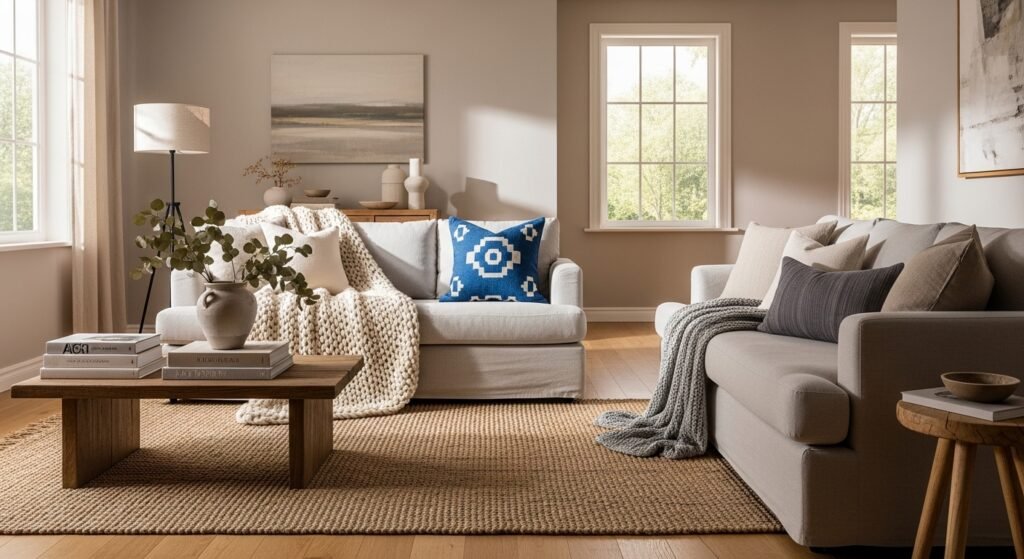
My living room had nice furniture but it still felt like a waiting room. Took me embarrassingly long to figure out it was missing texture. Every surface was smooth, every color was flat, and nothing invited you to actually sit down. Once I started treating fabric, scale, and light like the main players, the whole place stopped feeling staged and started feeling lived in.
These ideas skew modern cozy with warm neutrals and a single color pop. Most fixes are under $100, with a few splurges around $150. They work for living rooms, small bedrooms, narrow entryways, and any tight space that needs better proportion and warmth.
Layered Neutrals With One Bold Accent Color
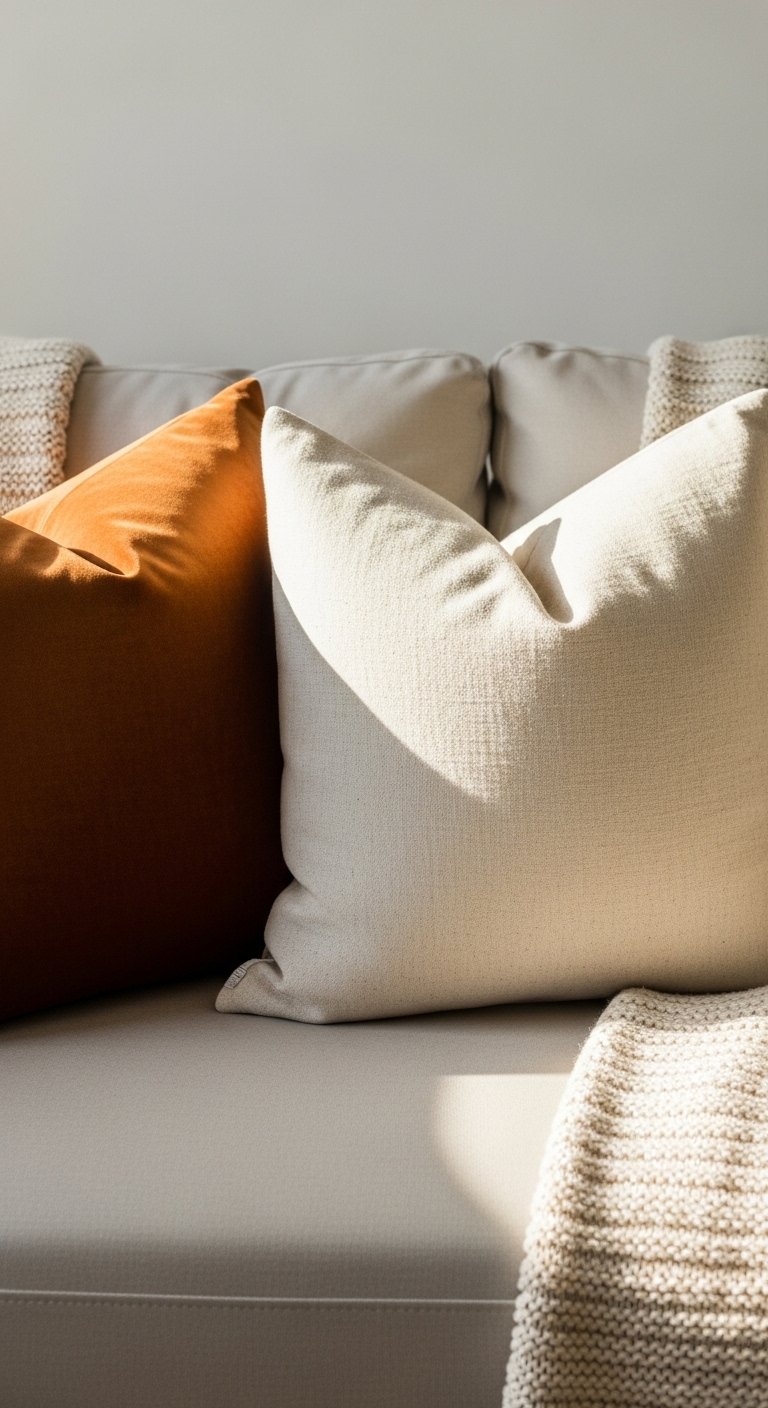
The moment I draped a chunky knit throw over the arm of my gray sofa, the whole room stopped looking flat. Use an 80/20 color ratio, 80 percent quiet neutrals and 20 percent one strong color. That keeps a small room calm while giving a focal point. I like 22-inch down-filled linen pillow covers for the neutral base and one 18-inch velvet pillow in rust for the pop. Try 22-inch linen pillow covers and a single rust velvet accent pillow. Common mistake is using too many small pillows. Stick to rule of three on the sofa, and vary texture not pattern. As a real detail, mix a 2/3-to-1/3 texture ratio, meaning two textured pieces to one smooth, and the balance reads expensive.
Floor To Ceiling Curtains To Add Height
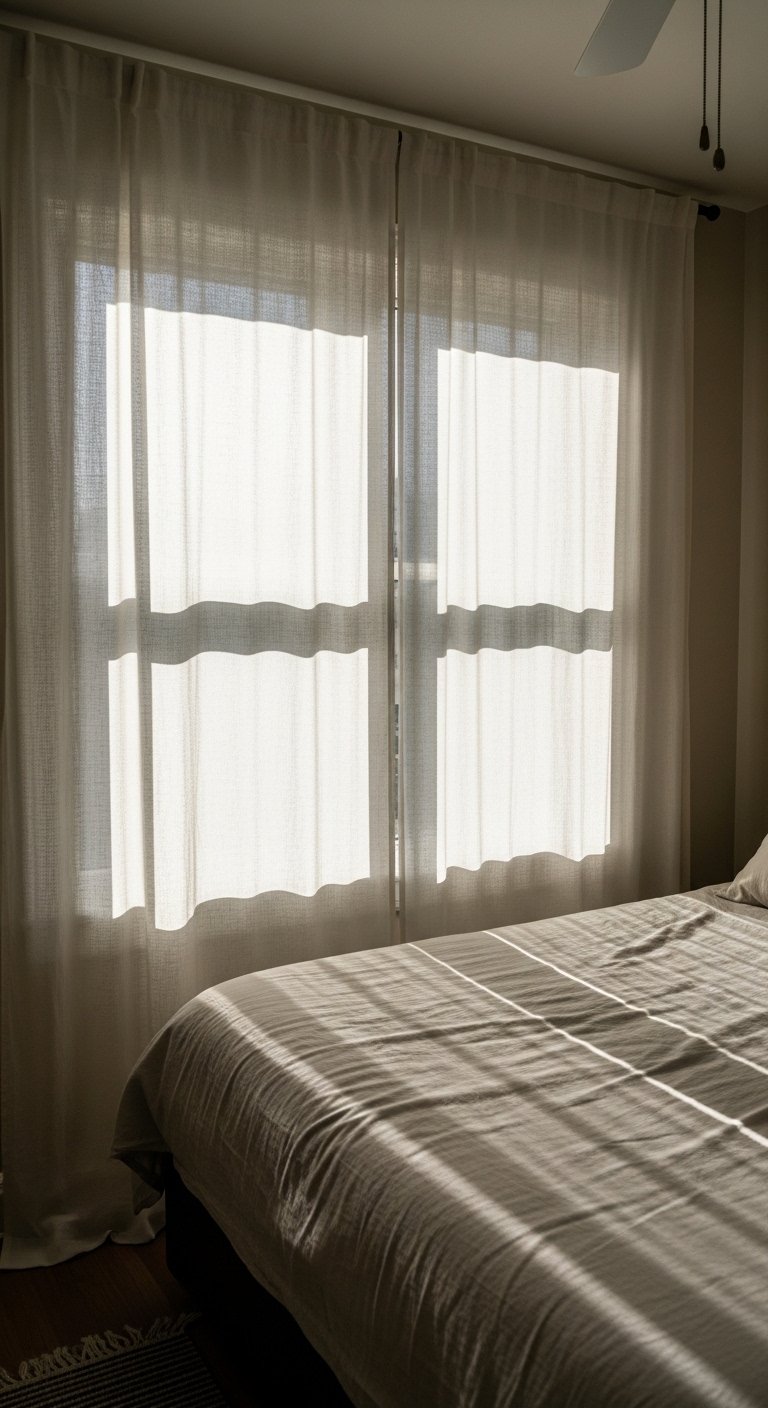
Most people hang curtains right at the window frame. That is why their rooms look shorter than they are. Hang panels 6 to 12 inches above the window trim and choose panels that graze or puddle the floor. I used 96-inch linen panels in my apartment for a 9-foot ceiling and the room suddenly felt taller. 96-inch linen curtain panels are budget-friendly and drape well. The mistake is buying panels the same width as the window. For a soft full look, each panel pair should be 1.5 to 2 times the window width. Pair this with the layered neutrals idea above and the walls will appear taller and more intentional.
Oversized Mirror To Brighten Dark Corners
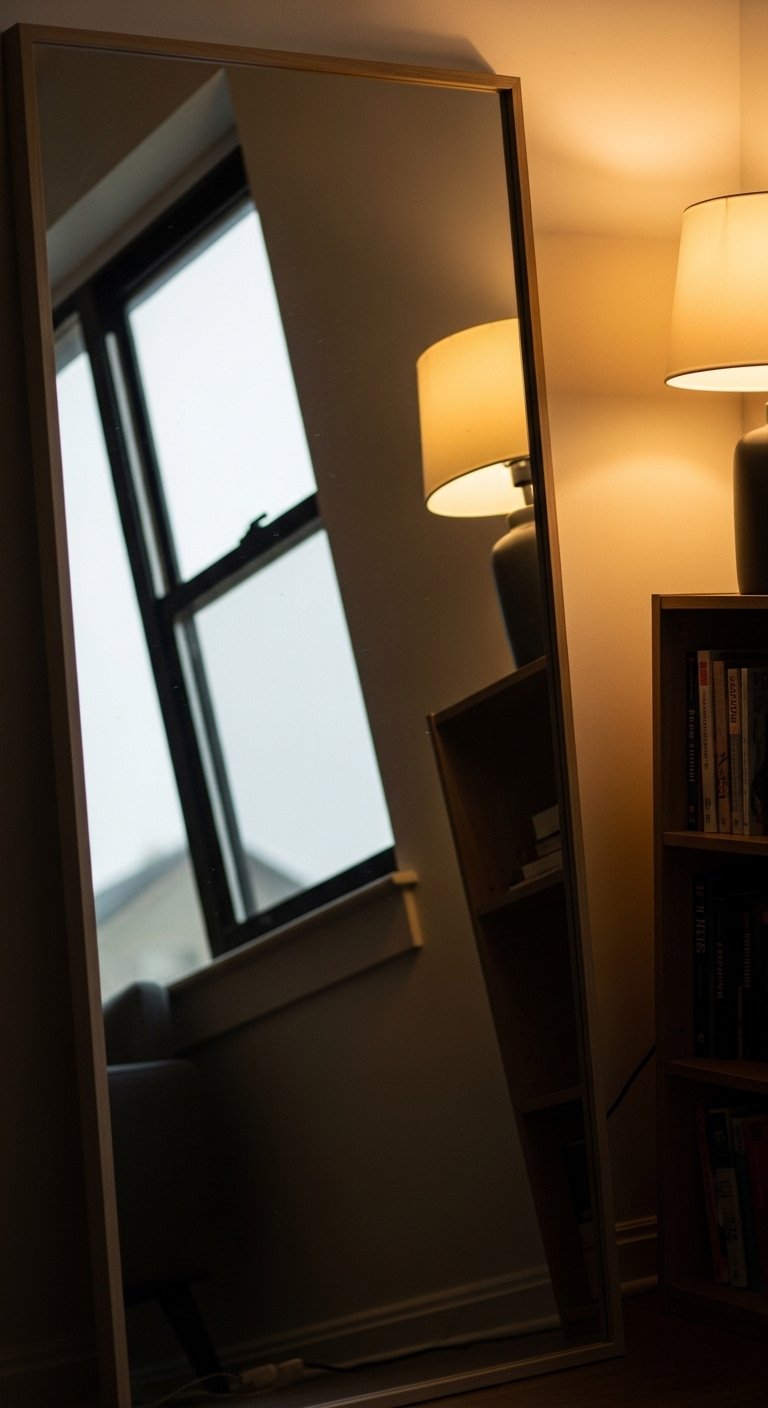
I bought a big mirror and propped it opposite a window. It doubled the light and made a tiny living room feel twice as deep. For small rooms, aim for a mirror at least 30 inches wide or one that takes up half the wall height. Try an oversized arched mirror for a soft look. Avoid mirrors that are too busy with small panes, which read cluttered in tight spaces. One trick a lot of people miss is angling a leaning mirror slightly toward a light source, not a piece of furniture. It bounces light more naturally. This works great beside the curtain trick from earlier and helps glare-free TV viewing when placed thoughtfully.
Gallery Wall With Mixed Metallic Frames
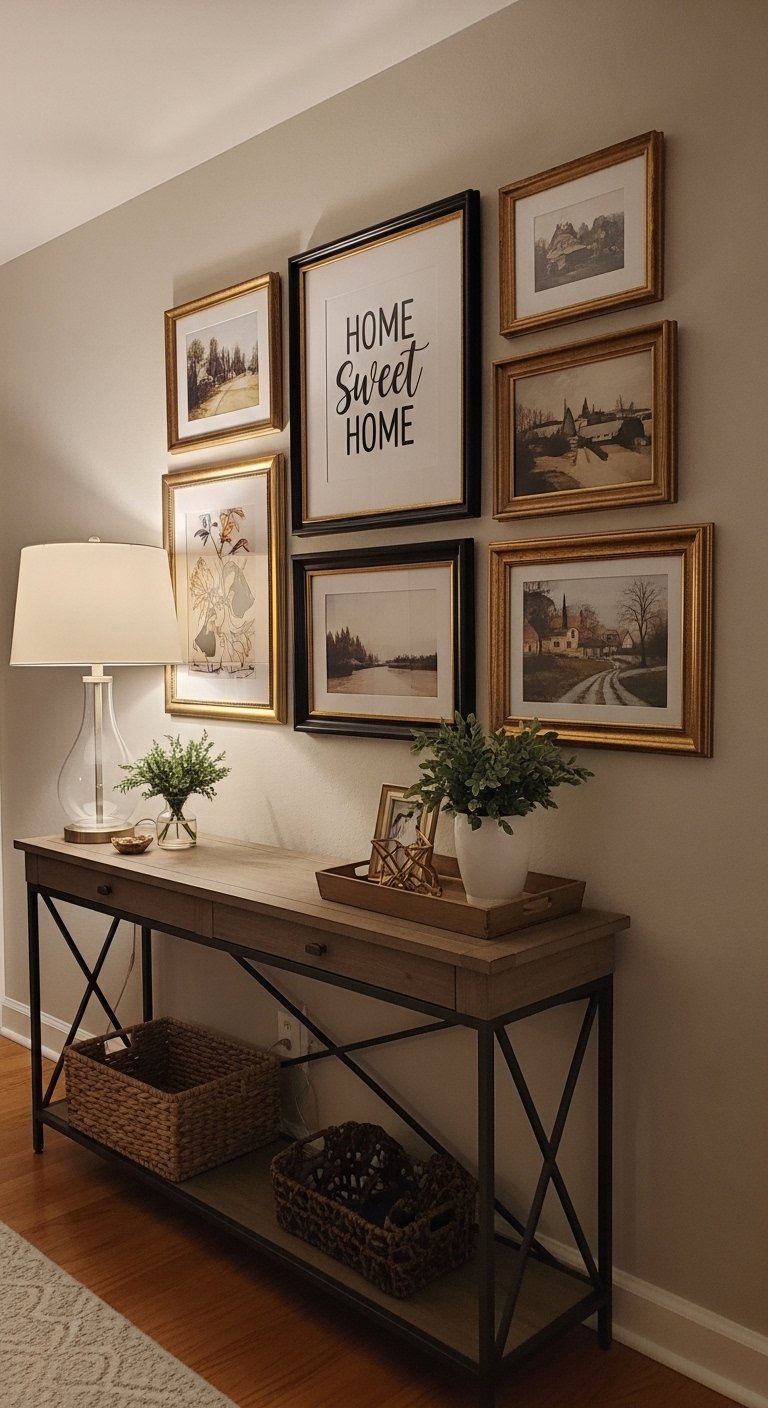
I found these brass picture ledges and they solved my commitment problem for art. Mixing metals keeps a small room from feeling matchy-matchy. Use a loose grid and stick to three frame sizes max, then repeat a frame color across the composition for cohesion. Mixed metal frames set makes it easy to blend brass and black. A mistake is spacing art evenly without considering eye level. Aim for the center of the grouping at about 60 inches from the floor. For scale on a small wall, keep negative space to roughly one fist width between frames for a curated feel that looks designer.
Textured Rug Layering For Warmth
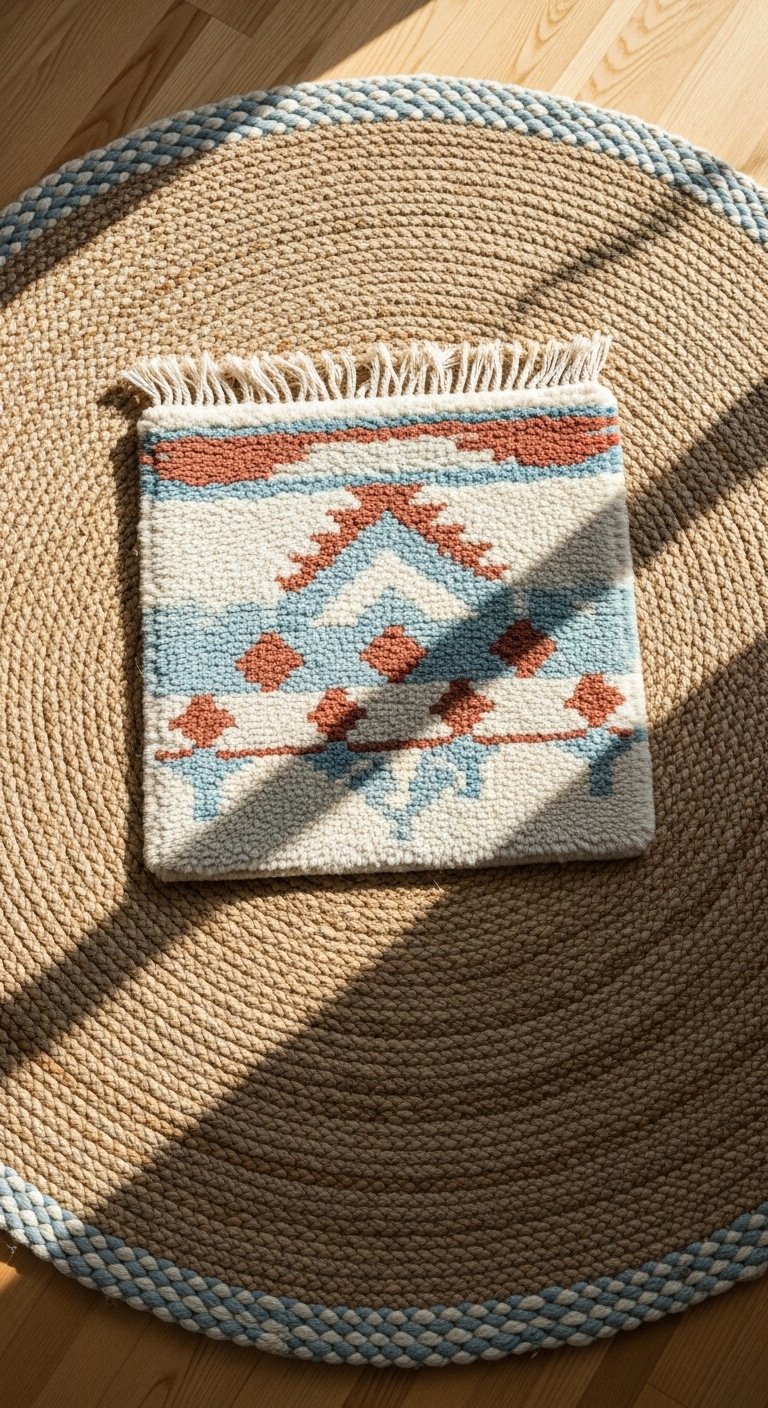
Rugs anchor a room. Bigger than you think is almost always better. For a small living room, use an 8×10 or at least make sure front legs of seating sit on the rug. I layered a sisal base with a smaller patterned wool rug on top for comfort and to hide high-traffic wear. 8×10 jute rug plus 5×7 wool accent rug gives natural texture with color. A common mistake is buying a rug that is the exact size of the furniture and too busy. Layering with a neutral base and a smaller patterned rug follows the rule of three in texture and prevents the floor from reading flat.
Built-In Look With Slim Floating Shelves
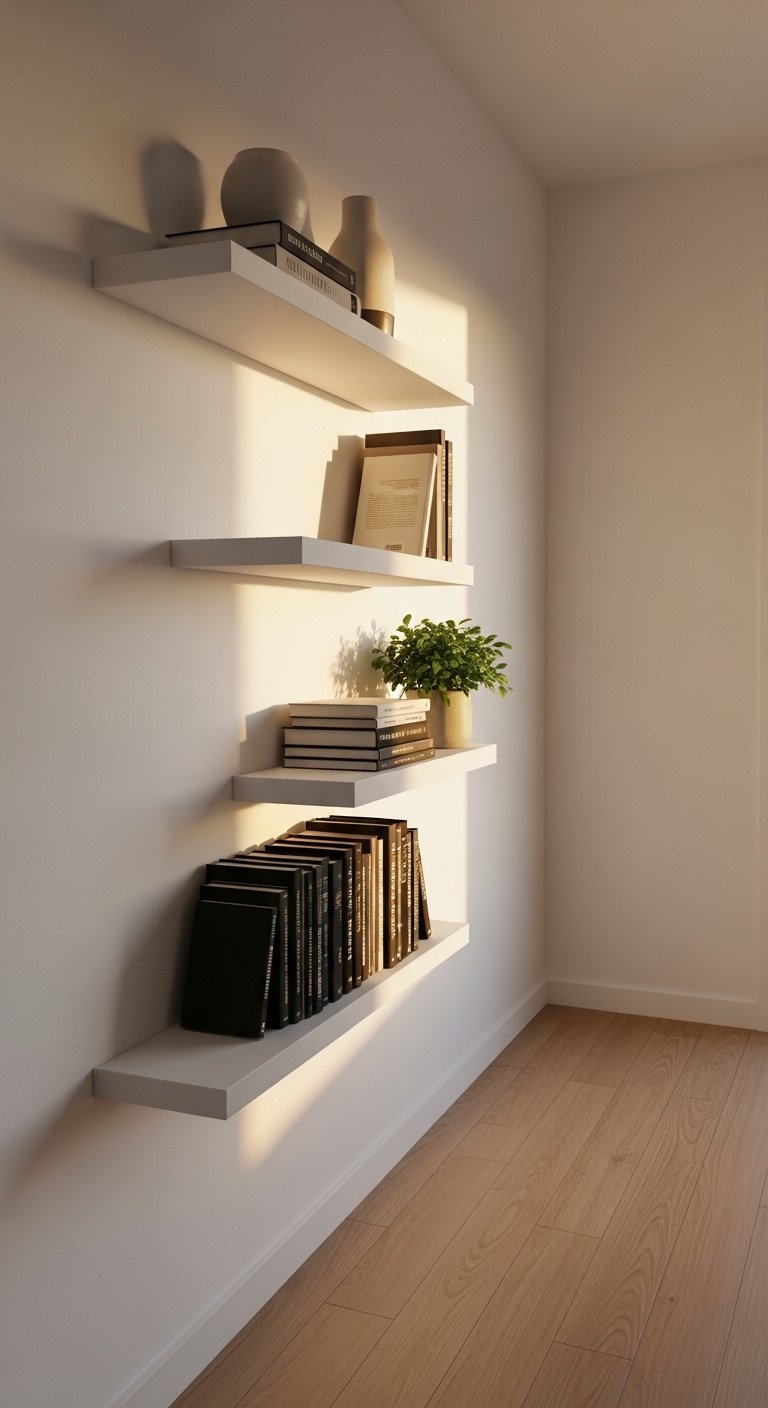
Shelving can feel heavy in a small room. I swapped a chunky bookcase for three slim white floating shelves and the wall felt custom. White oak floating shelves look current and keep the line of sight open. White oak floating shelves are easy to install and make a corner read built-in. The trick is spacing: place shelves 10 to 12 inches apart vertically so you can layer books standing and lying down. People often overload one shelf. Use the rule of three for styling and leave negative space on at least one shelf per run. This also gives a nicer backdrop for the gallery wall idea nearby.
Statement Lighting For Low-Ceiling Rooms
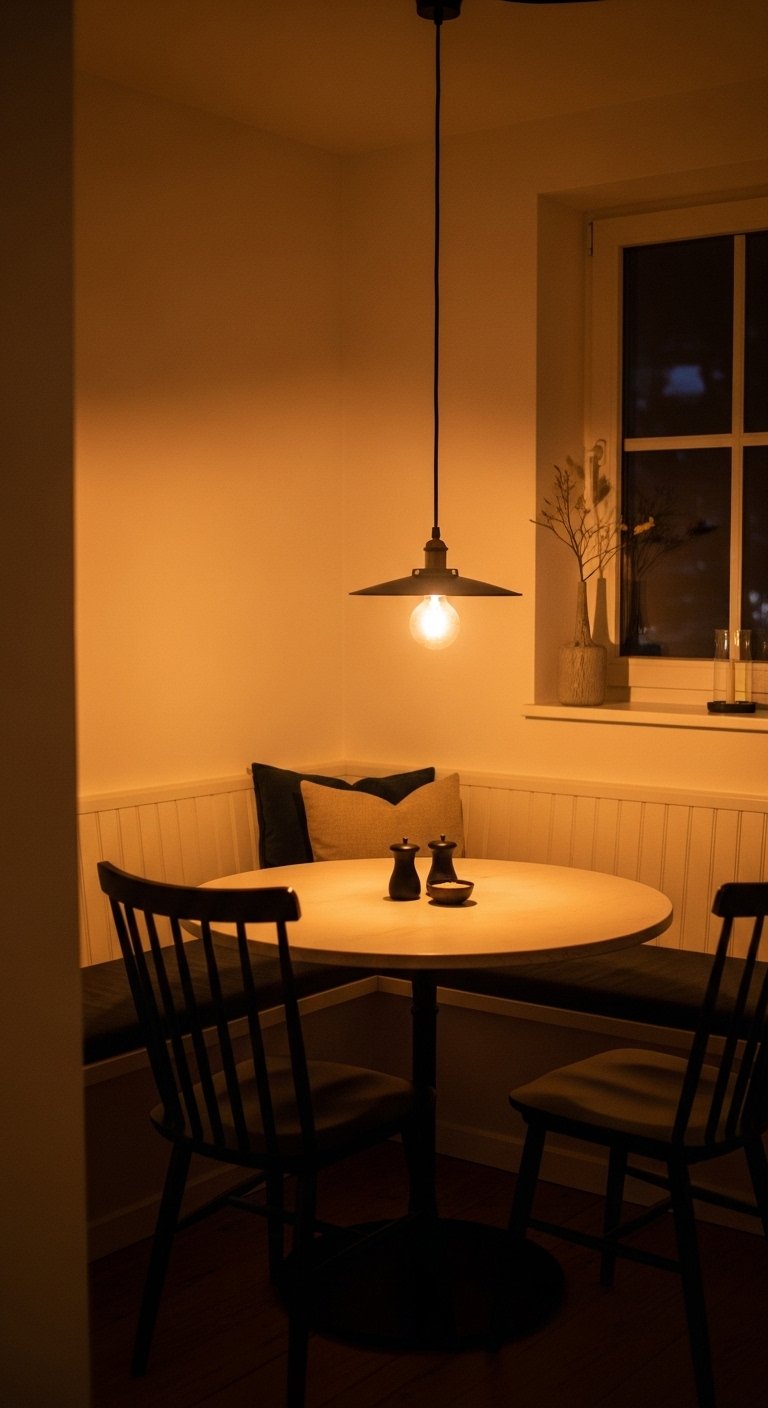
A friend texted me a photo of her bedroom asking why it felt cold. She had zero textiles. No throw, no layered pillows, nothing soft anywhere. Lighting can do the same thing. Swap an anonymous flush mount for a scaled pendant or a layered lamp cluster to add personality. I used a low-profile pendant over a small round table and it read like a design choice instead of an afterthought. Try low-profile pendant lighting. Mistake people make is buying an oversized fixture that overwhelms the room. Measure the table diameter and choose a fixture about one-third that width for balanced proportion.
Cozy Reading Nook With Scaled Furniture
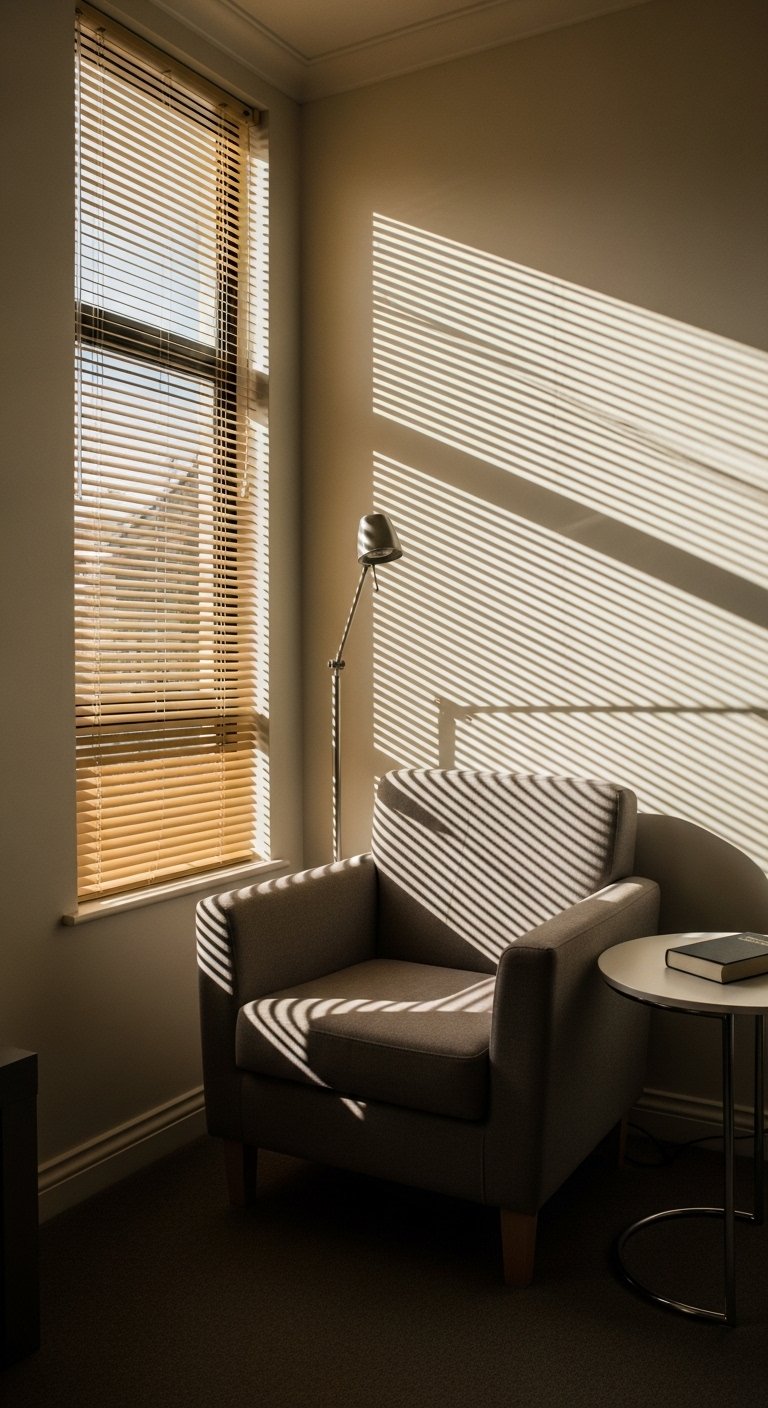
There is something about a reading nook with layered pillows that makes you want to cancel your plans. Use a compact slipper chair rather than a full armchair in a small room, and pair it with a slim side table. I keep a 20-inch diameter table next to my chair so it never feels crowded. A compact accent chair plus a 20-inch round side table makes the nook readable and usable. The mistake is choosing a chair that's too deep. Aim for a seat depth under 22 inches for small spaces. Pair this with the textured rug and a tall plant for height contrast.
Hidden Storage Seating For Clutter Control
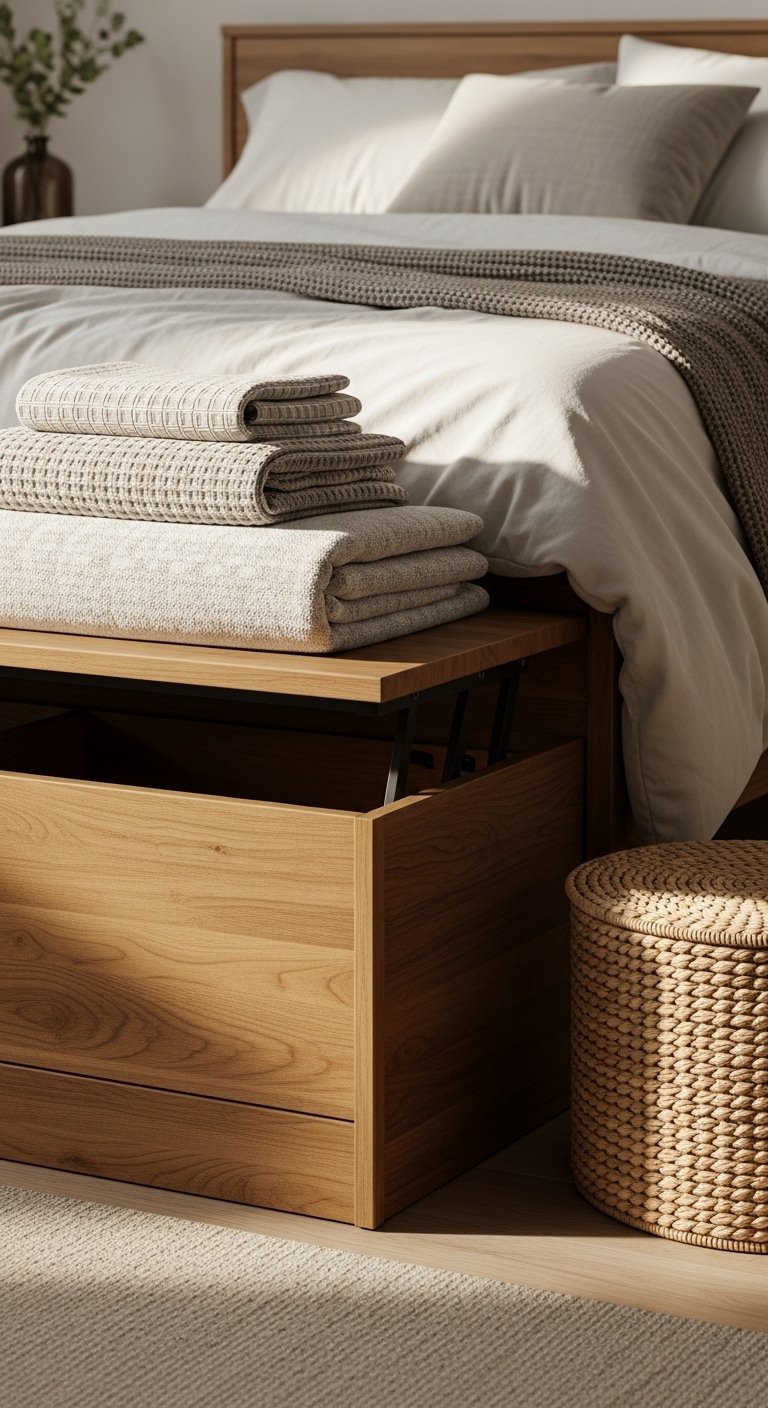
My entryway used to be a dumping ground for keys and shoes. One storage bench and a round mirror changed everything. Storage benches or ottomans solve the clutter problem while adding an extra seat. Look for a bench with 30 to 36 inches length to fit small hallways. I use a storage ottoman bench that hides seasonal throws. The common error is choosing an upholstery color that shows dirt. Pick a performance fabric or leather-look material for everyday use. This idea pairs well with the console styling below and keeps visual clutter down.
Minimalist Console With Decorative Trays For Entry
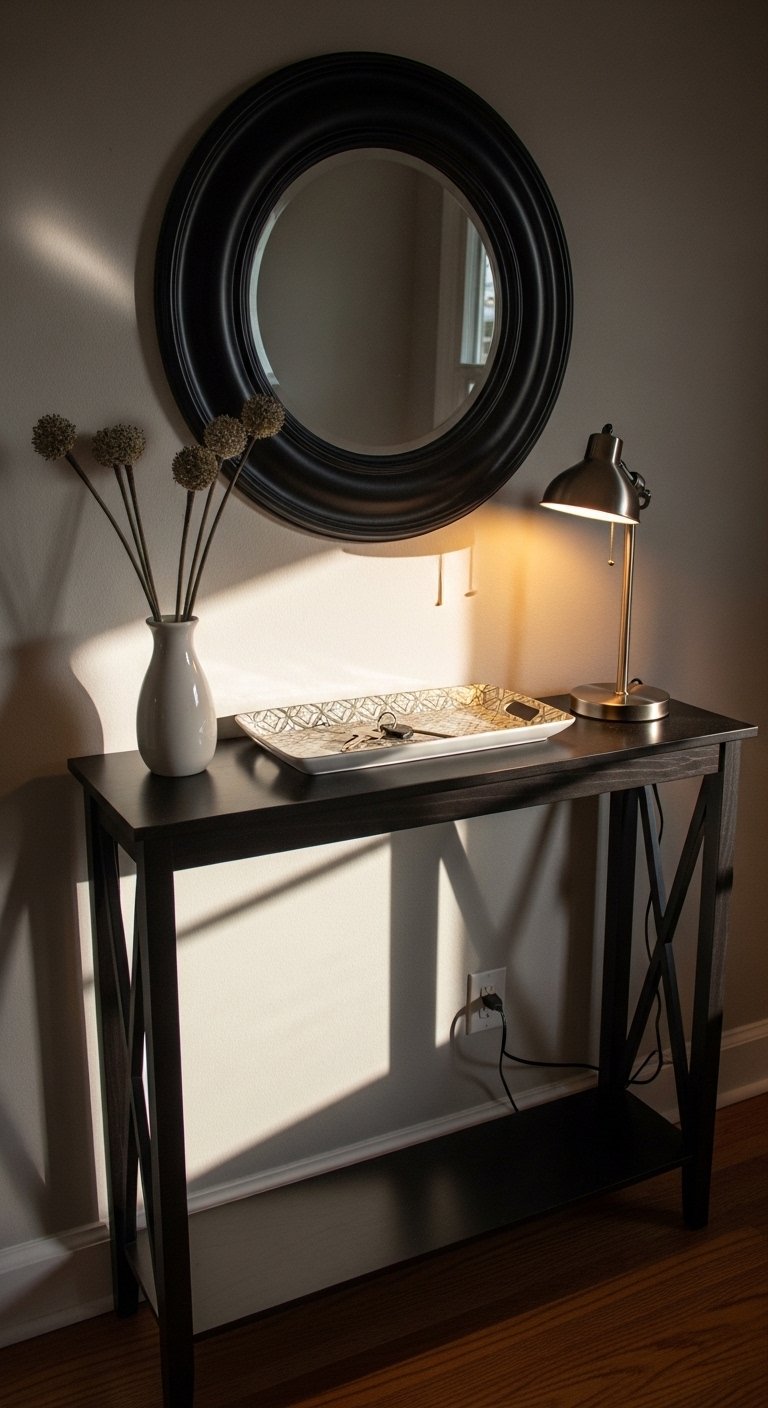
An entry table is a small room's greeting. Keep it slim and use a decorative tray to corral essentials. I swapped a wide console for a 10-inch deep option and suddenly the circulation path felt wider. Narrow entry console table plus a brass decorative tray looks curated without clutter. A mistake is piling the top with too many small objects. Stick to three objects in a triangular placement, and include a living element like a small plant or fresh stems. This sets the tone before you even enter the main room and ties back to the layered textures idea for continuity.
Your Decor Shopping List
Textiles
- Honestly the best $40 I have spent. Chunky knit throw in cream (~$35-55). Drape over a sofa arm for instant warmth
- 22-inch linen pillow covers, set of 2 in natural and slate for layering
Wall Decor
- Oversized arched mirror, 32-inch ($$$). Similar at HomeGoods if you prefer in-person shopping
- Mixed metal picture frames set for a gallery wall
Lighting
- Low-profile pendant light in matte black for small dining nooks
Rugs
Storage & Seating
- Storage ottoman bench, 36-inch for entryways and end-of-bed storage
Shelving & Surfaces
Shopping Tips
White oak beats dark wood in 2026. Design feeds have shifted completely. These white oak floating shelves look current, not dated.
Grab velvet pillow covers for $12 each. Swap them every season and the whole room feels different.
Curtains should puddle or kiss the floor, never hang halfway up. These 96-inch linen panels are right for standard 9-foot ceilings.
Everyone buys five small succulents. One single 6-foot fiddle leaf fig has ten times the visual impact.
If you buy a rug online, order a swatch first. Jute rug sample packs save you a return and show real texture under your lighting.
Frequently Asked Questions
Q: What size rug do I actually need?
A: Bigger than you think. For a small living room go at least 8×10 or make sure the front legs of seating sit on the rug. I layered a 8×10 jute base with a smaller wool rug and it anchored the space without feeling crowded. This 8×10 jute rug is one I recommend.
Q: Can I mix boho textiles with modern furniture without it looking messy?
A: Yes. Keep furniture lines simple and use textiles to add softness. Stick to a consistent color story and vary texture, not pattern. Use the rule of three when styling a sofa or shelf and repeat a color at least twice across the room for cohesion.
Q: Should I match my metals or mix them?
A: Mix them. It looks more intentional. Start with one dominant metal and add a second as an accent. Mixed metal frames are a safe way to test the look.
Q: How high should I hang curtains above a window?
A: Aim 6 to 12 inches above the trim. That small lift makes ceilings feel taller. For a modern look hang them 8 inches above the frame and let them kiss the floor.
Q: Real plants or fake?
A: Both. Real snake plants and pothos are forgiving. Use a faux fiddle leaf fig where you need height without the maintenance. Mix a couple of real low-care plants with one tall faux for balance.