
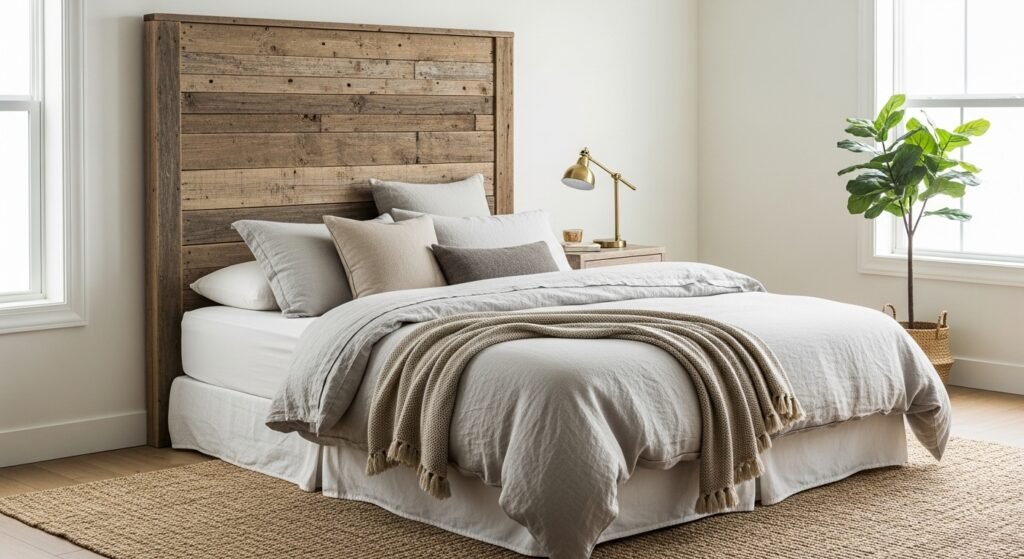
My friend walked into my apartment last month and said "this looks like a real adult lives here." Highest compliment I have ever received. I did not buy one big-ticket thing. I changed pillow scale, added a headboard that reaches up the wall, and swapped in one textured throw. Those small moves made the bed feel deliberate instead of limp.
These ideas lean modern farmhouse with a warm, lived-in edge. Most projects are under $150 and a few are $200 to $350. Works best for bedrooms but most tricks translate to a small guest room or a studio nook. Most folks pull off a bedroom glow-up for under 500 bucks.
Tall Rustic Wood Headboard That Anchors the Room
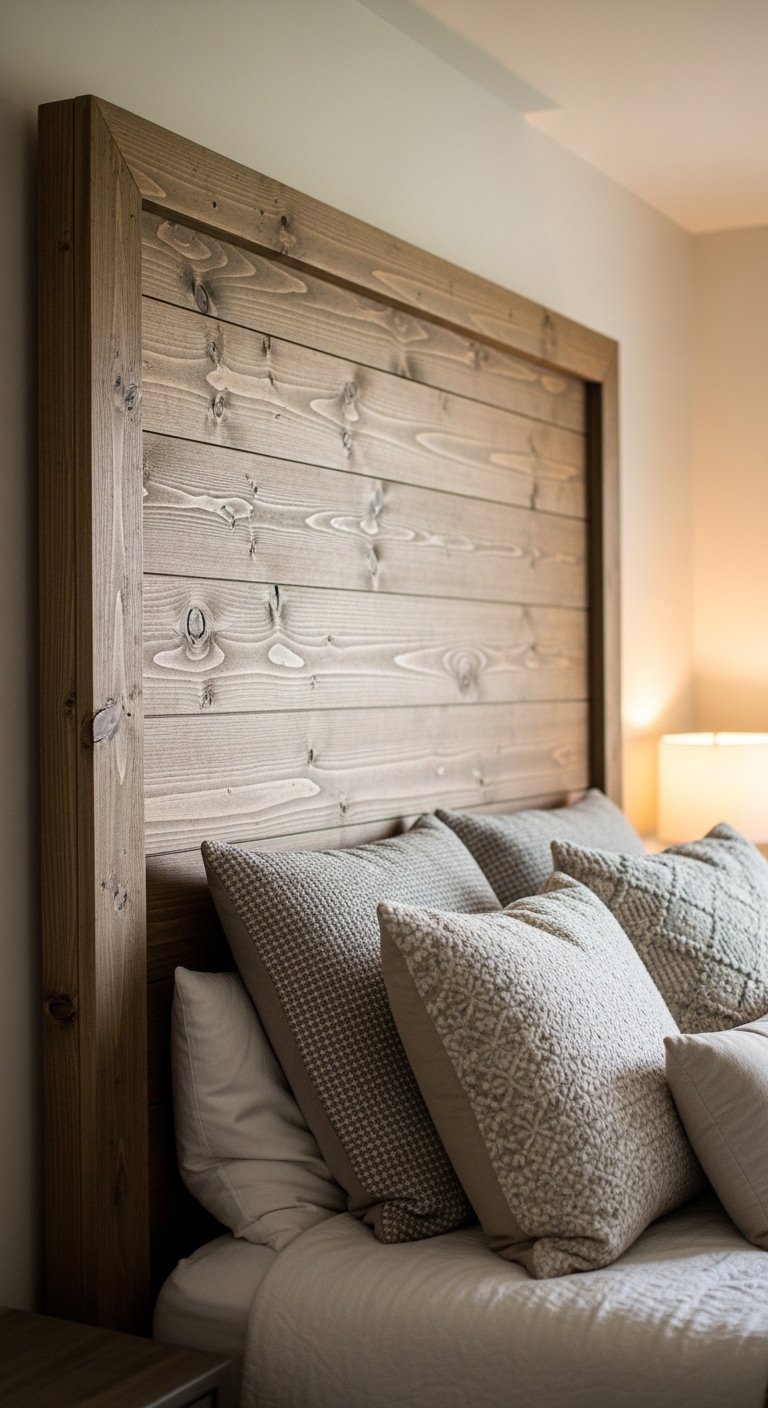
I built a tall reclaimed headboard because low beds made my room feel chopped. Aim for a headboard that reaches about three quarters up the wall or higher. Visually it makes the bed the room's star. A 3×8 foot plank or two stacked vertically does the trick and looks expensive, even if you spend $150 to $300 on reclaimed wood. Mount with brackets if you own the place. Renters can lean a thinner panel against the wall or use heavy-duty Command picture hanging strips rated for large frames. Watch the common mistake of building a headboard too narrow. Make it at least two inches wider than your mattress on each side. Pair with linen pillows and a chunky knit throw for contrast, and if you want a ready option try a reclaimed wood headboard search to see styles and sizes.
Ticking Stripe Duvet with Dropcloth Shams for That Collected Bed
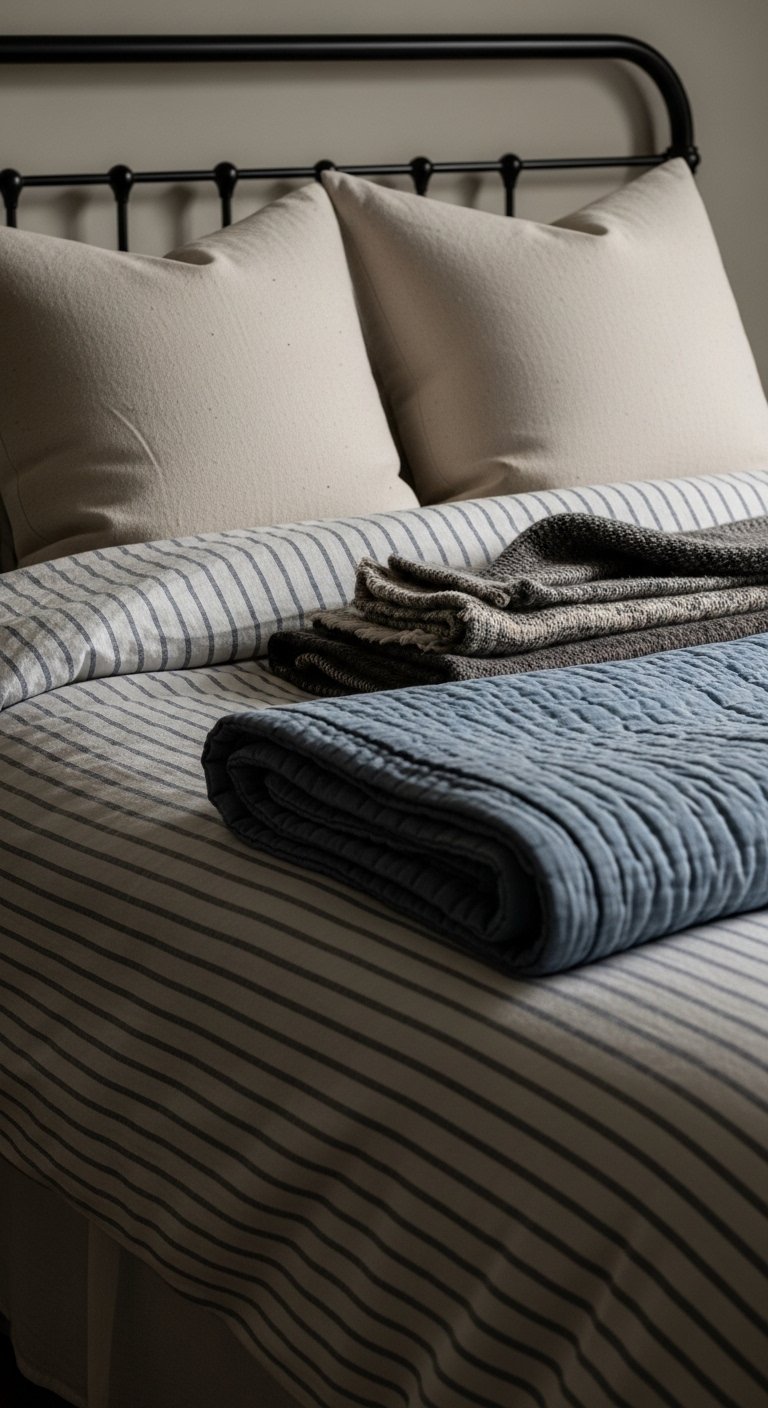
The easiest way to stop a bed from looking lumpy is a clear layering order. I use one duvet, then fold a quilt across the foot, add two 26×26 inch euro pillows in back, two standard pillows, and a 12×20 lumbar front and center. Overstuffing makes the bed look like a studio shot. Ticking stripe gives pattern without shouting. You can pick up a ticking duvet for $60 to $120 and make dropcloth shams for under $15 each if you like a DIY hack. A common mistake is matching everything. Aim for 80 percent neutrals and 20 percent pattern. For an easy buy, search for ticking stripe duvet covers and look for machine-washable linen or cotton that holds up to real life.
Floor-to-Ceiling Curtains to Fake Taller Ceilings
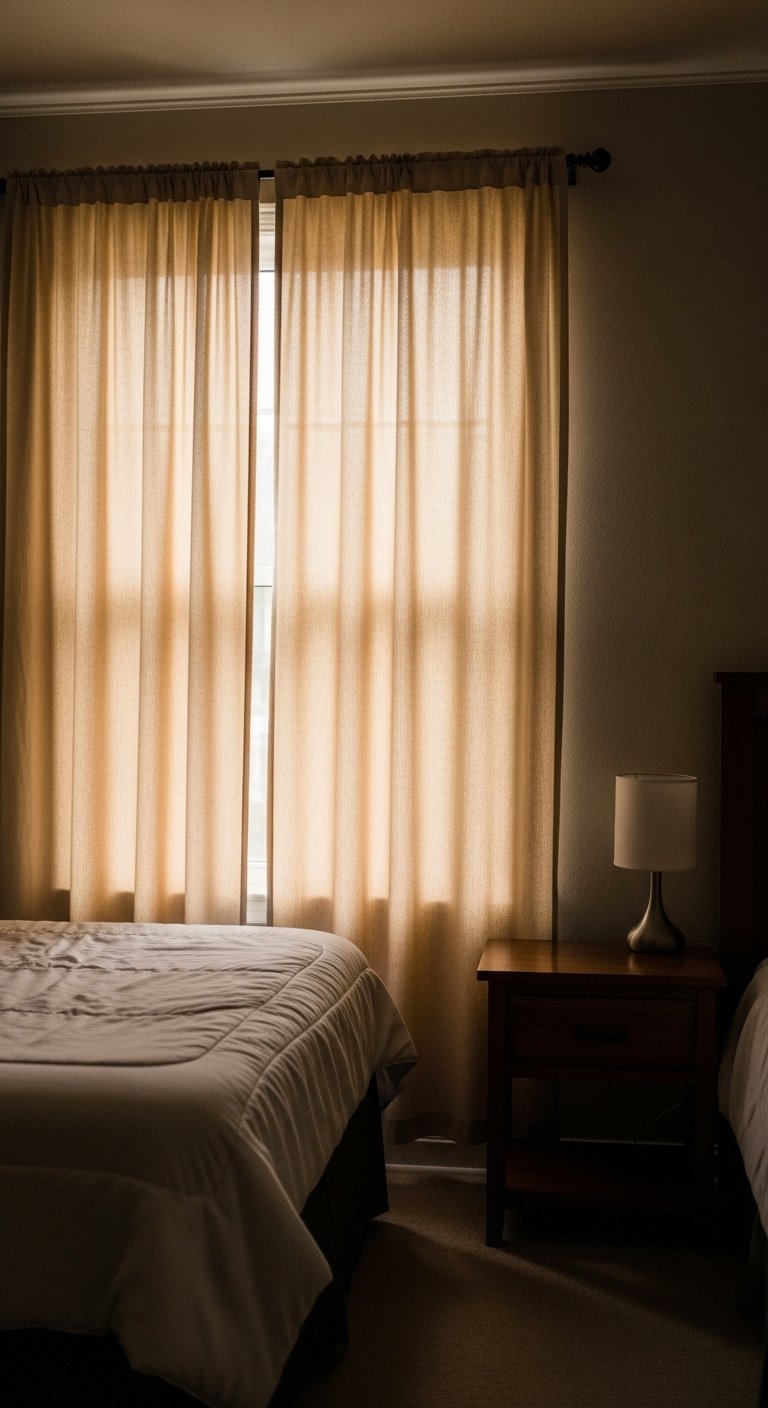
Most people hang curtains at the window frame and it makes the room look shorter than it is. Hang rods about 4 to 6 inches above the trim or as close to the ceiling as you can, and use 96-inch panels for 8 to 9 foot ceilings. Let them puddle 2 to 4 inches for softness. I swapped from 84-inch panels and the room suddenly felt taller. For renters, tension rods and lightweight panels work well. A mistake I see is buying thin, transparent panels when you need privacy. Pick a heavier linen or linen blend for texture and warmth. These 96-inch linen panels are a good neutral pick that does not read too new.
Faux Beams to Add Architecture Without Demo
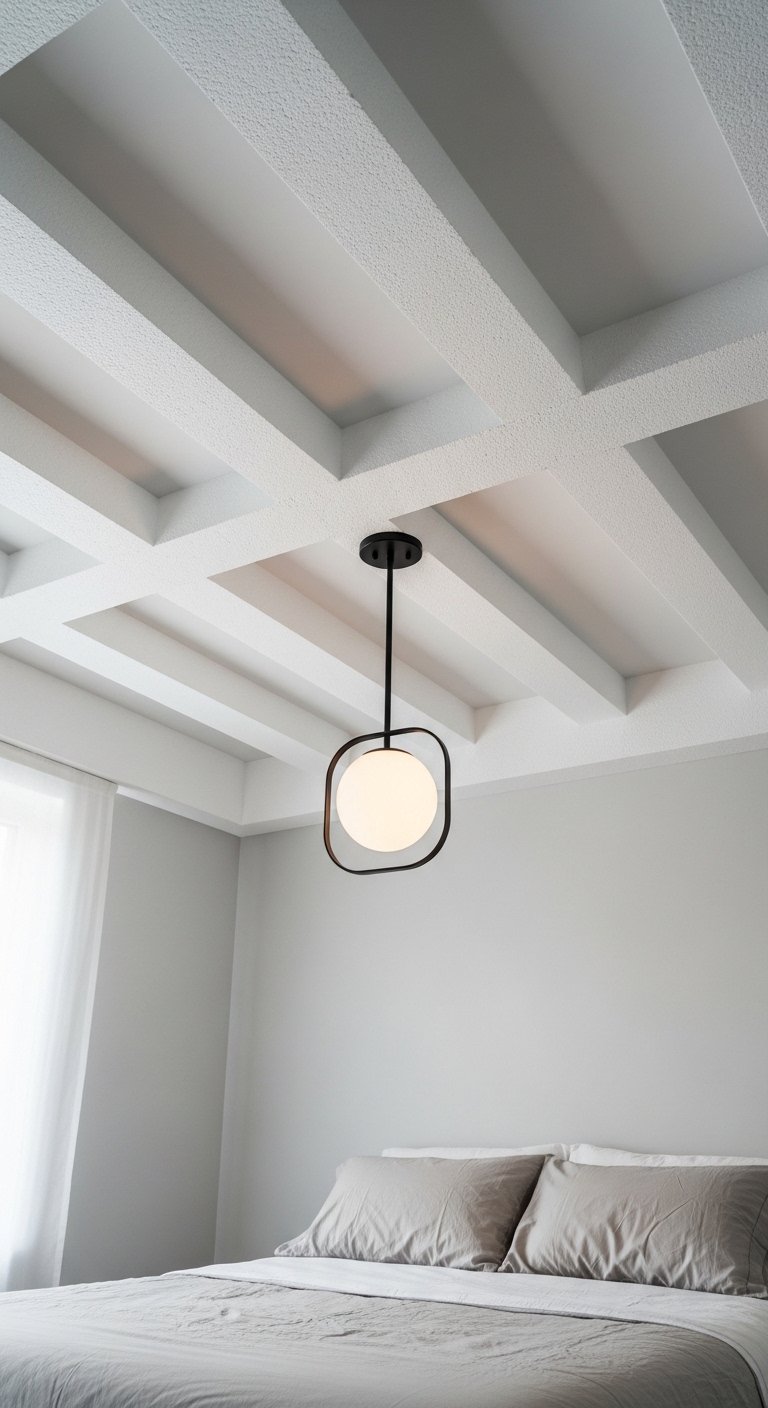
My boyfriend kept asking why the room felt flat. I added budget faux beams and suddenly the ceiling had personality. Foam or hollow wood beam kits run $100 to $250 and are much lighter to install than real timber. You can paint them the same color as the ceiling to keep the room bright or stain them for contrast. The main trap is skipping the mounting plan. If beams wobble you will see the seams in photos. These are not ideal for strict renters unless you use temporary braces. Faux beams pair well with a tall headboard and layered rugs. For kits, try searching faux wood beam kits and plan a weekend for installation.
Layered Rugs: Jute Base with Cowhide Top
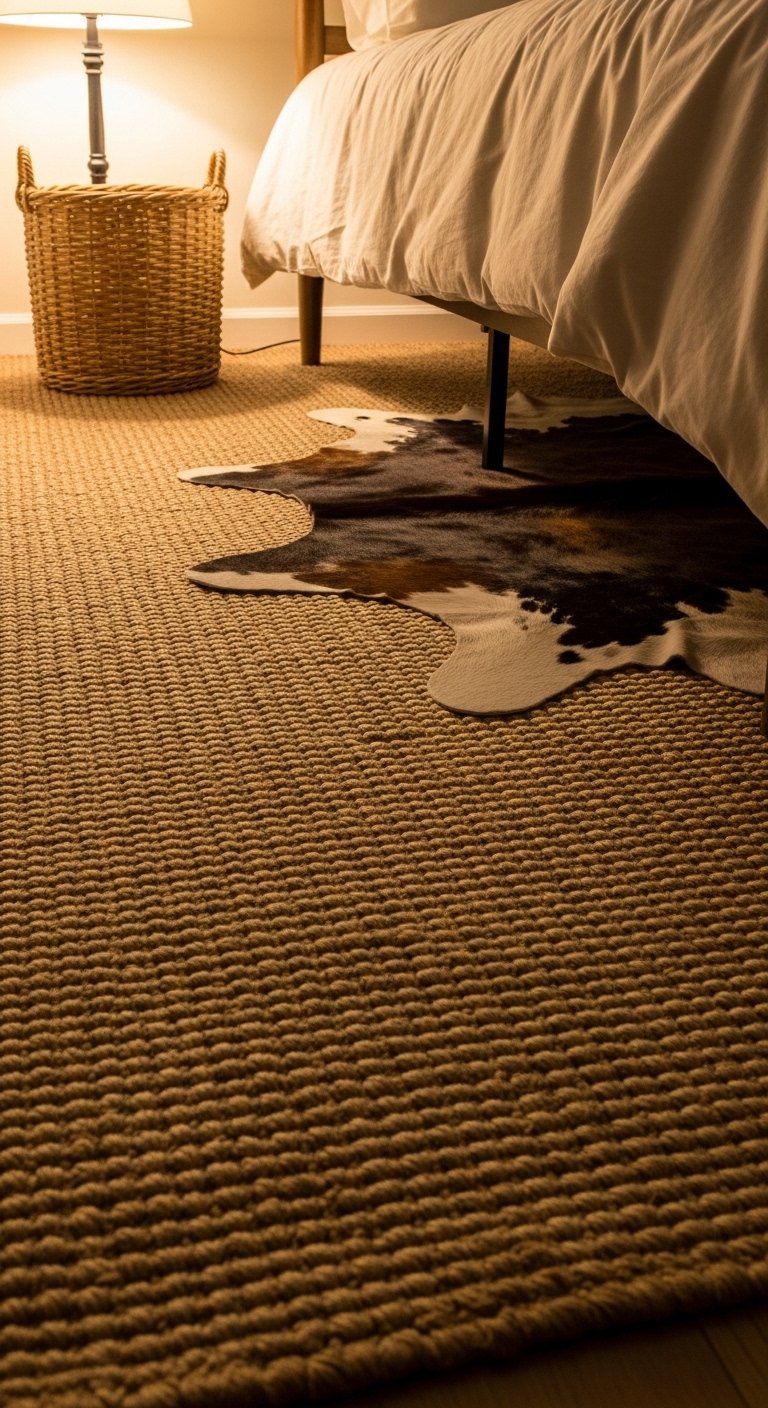
Tiny rugs under a big bed look awkward. Rule of thumb, use at least an 8×10 so the front two legs of the bed sit on the rug. I lay an 8×10 jute first for texture and then tuck a cowhide off to one side for a rustic pop. Jute sheds for a few weeks, so expect vacuuming more initially. Cowhide needs a non-slip pad or it will slide. Nearly half switch rugs with the seasons, so this layered approach makes swapping the top layer easy. If you want a ready pairing, look for an 8×10 jute area rug and a small cowhide rug.
Repurposed Wood Bed Frame That Looks Heirloom
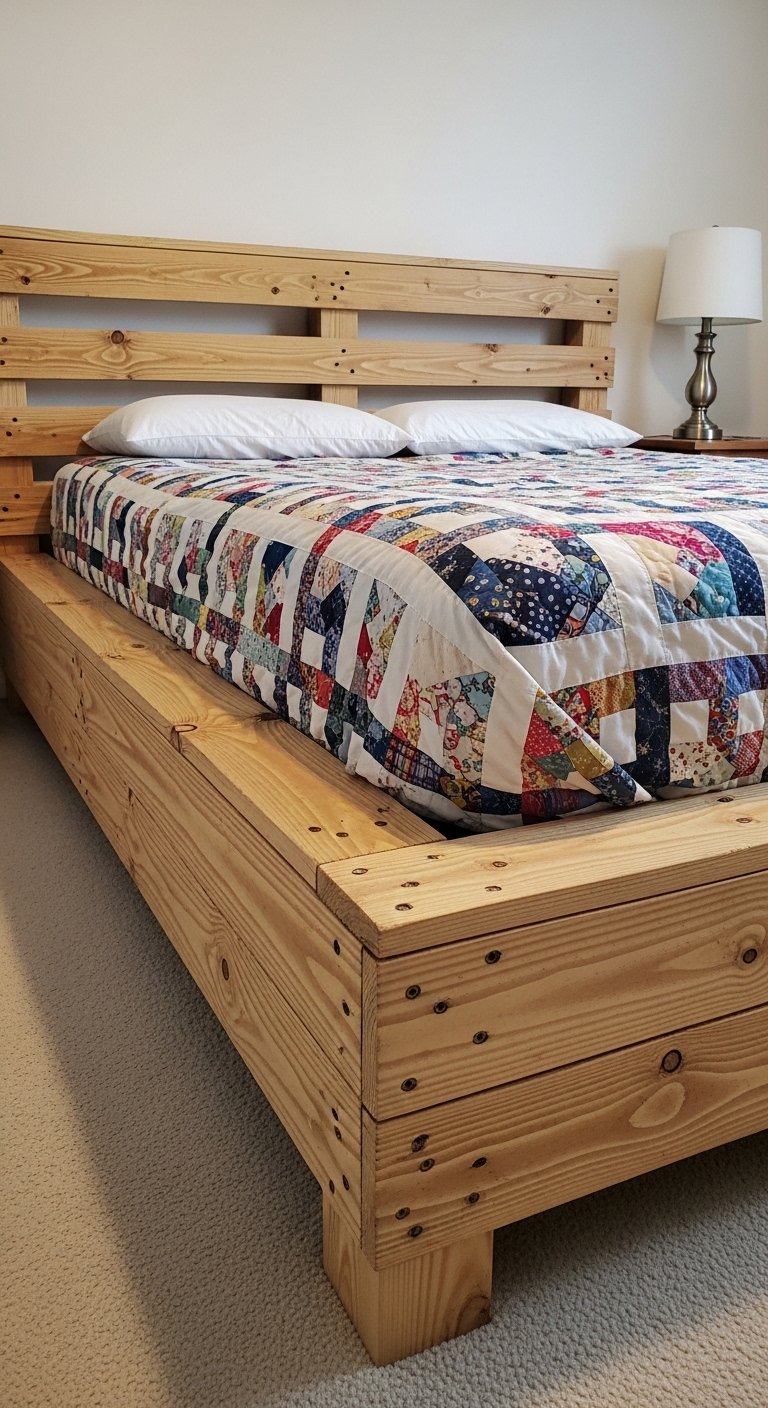
I built a bed frame from salvaged pallets for under $150 and friends assumed it was a splurge piece. A rough wood frame reads like an heirloom and is forgiving if your linens are a little rumpled. The trick is sanding the top edges and using stain or whitewash to pull the look together. Common mistakes are not reinforcing the center support and finding the slats sag after a month. Add a center rail and use three mattress supports for stability. This works well in guest rooms, kid rooms, and anywhere you want a vintage feel. For ideas, browse pallet wood bed frame ideas to see construction approaches.
Board and Batten Accent Wall Behind the Bed
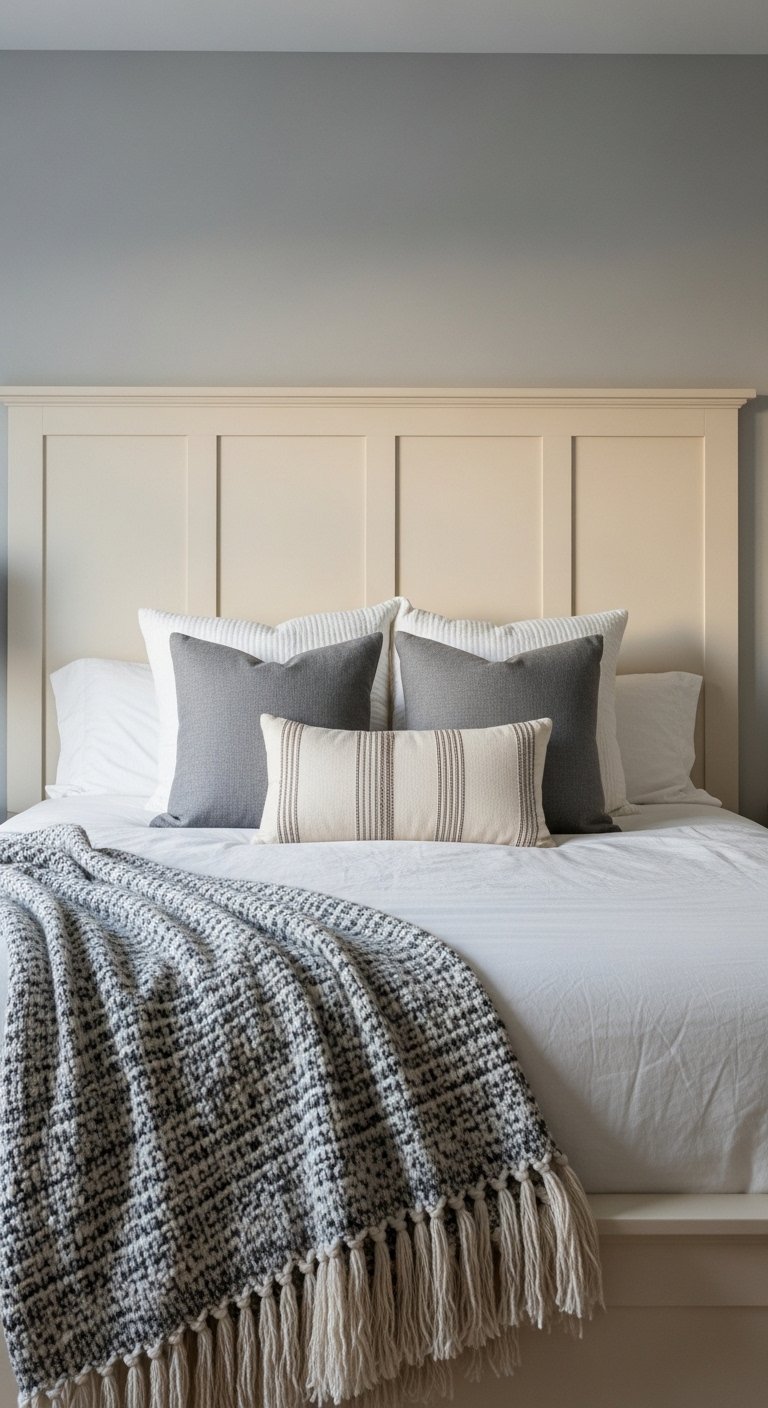
Shiplap feels dated in some feeds, and board and batten gives similar texture with cleaner lines. I used 1×4 boards painted the same color as the wall for a subtle, modern look. It adds depth without stealing attention from the bed. For renters, you can build a removable batten wall by attaching thin molding to a large sheet of plywood and leaning it behind the bed. A mistake is making the batten strips too wide for the scale of the room. Narrower strips feel lighter in small bedrooms. This project can be done for $50 to $120 depending on materials. If you need supplies, try a search for board and batten molding strips.
Brass Lamps on Nightstands for Warm Glow

Switching to warm brass bedside lamps changed how my room reads at night. Cool chrome looks sharp but not restful for bedtime. Go for matte or aged brass in the $60 to $150 range for a luxe feel without a huge spend. Keep nightstand vignettes to three items max and vary heights so it looks lived in. A common mistake is oversized lamps that crowd a small nightstand. Measure first and pick a lamp where the bottom of the shade sits roughly at eye level when you are seated. For easy shopping try matte brass table lamps to compare sizes.
Flea Market Art Gallery Above the Bed for Personality
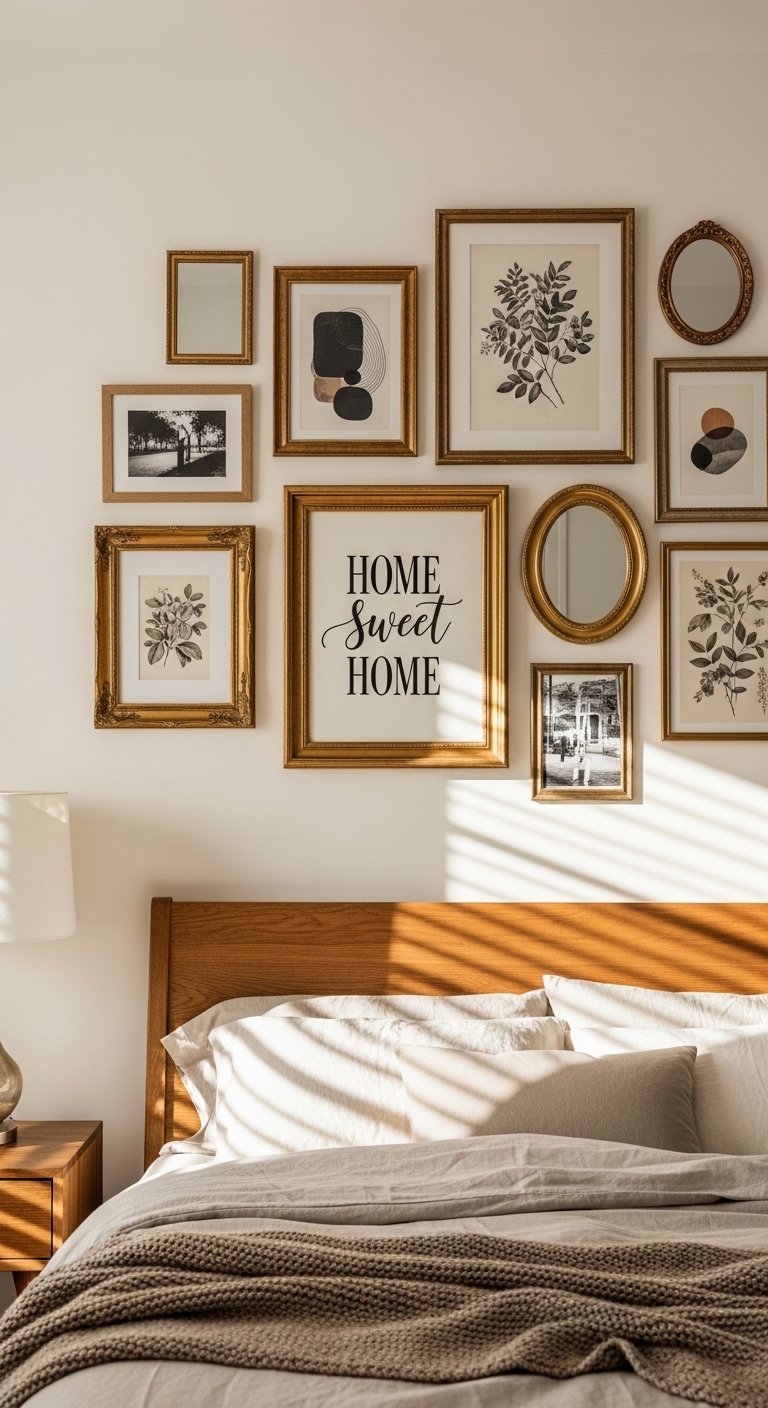
Blank walls tell nothing about the people who live there. I leaned into flea market finds and curated a small gallery over my bed. Use three to five pieces, mix frame finishes, and vary heights. The rule I follow is odd numbers for vignettes so it feels collected. If you rent, swap nails for adhesive picture hanging strips rated for frames. A mistake is hanging art too small. Aim for art that spans about two thirds the bed width. Start with a brass picture ledge if you want to change things often. Search for vintage art prints set if you want ready-to-frame options.
Window Seat with Built-In Shelves for a Reading Corner

There was wasted space under my bedroom window and a narrow bench fixed it. A window seat instantly creates a place to pause. For renters, build a freestanding bench with storage cubes and top it with a custom cushion. Use two 22-inch down-filled linen pillows and a long lumbar to make the seat inviting. One mistake is using a cushion that is too thin. Aim for at least four inches of high-density foam covered in performance linen for durability. This project fits bedrooms of all sizes and works as a mini reading nook or extra storage. I like searching for window seat cushion covers 48-inch to find cover ideas.
Linen Bedskirt with a Quilt Fold to Hide the Unsightly
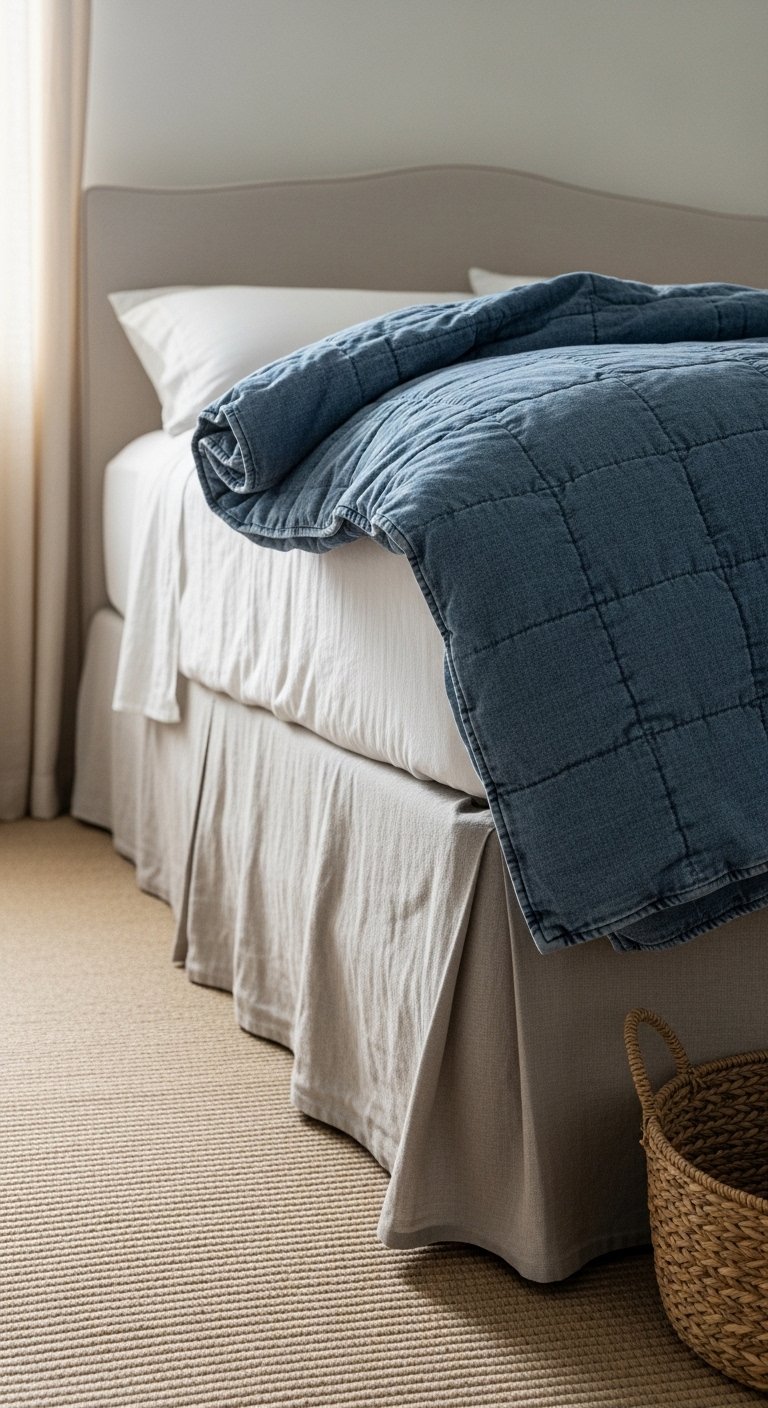
Hiding a box spring is a small thing that makes the whole bed feel tidy. I sewed a simple linen bedskirt because mass-market skirts often look stiff. Use a raw edge hem or a 1-inch pleat to keep it casual. Fold a quilt over the duvet at the foot for color and a lived-in feel. The mistake I see is using a bedskirt that is too short or too long. Measure from the floor to the top of your box spring and pick a skirt that matches that exact height. Linen is forgiving and washable, so it stands up to daily life. For off-the-shelf options try linen bedskirt queen.
Your Decor Shopping List
- Textiles: Honestly the best $40 I have spent, chunky knit throw blanket in cream for layering on the bed or chair, machine washable alternatives available at Target.
- Bedding: For the ticking stripe idea, ticking stripe duvet cover in cotton-linen blend, queen size.
- Curtains: For the height trick, 96-inch linen panels in natural, sold per panel.
- Rugs: 8×10 jute area rug as a base and a small cowhide rug to layer on top.
- Lighting: Matte brass table lamp pair for warm bedside light.
- Wall: Board and batten molding strips 1×4 to create an accent wall, painter friendly.
- Storage/Seat: Window seat cushion 48-inch with removable cover and foam insert.
- Frames: Found these during a hunt, mixed vintage look picture frames set to build a gallery.
Shopping Tips
White oak beats dark wood in 2026. Design feeds have shifted completely. White oak floating shelves look current and layer nicely with reclaimed wood pieces.
Grab these velvet pillow covers for $12 each. Swap them every few months and the whole room feels different without a big spend.
Curtains should puddle or kiss the floor, never hang halfway up. 96-inch panels are the safe pick for a 9-foot ceiling.
Instead of five small plants, try one tall piece. A faux fiddle leaf fig 6-foot gives instant scale without maintenance.
If you have pets, choose washable linen or performance fabrics. These performance linen pillow covers handle hair and are easy to clean.
Frequently Asked Questions
Q: What size rug do I actually need for the layered rug look?
A: Bigger than you think. For a bed, go 8×10 minimum so the front two legs sit on the rug. Layer a smaller cowhide or vintage runner on top for interest. The base rug should span under the nightstands if possible.
Q: My bed looks lumpy no matter how I fluff it. What am I doing wrong?
A: You are probably missing scale and a layering order. Start with your fitted and flat sheets, add one duvet, fold a quilt at the foot, place two 26×26 inch euros in the back row, two sleeping pillows, and a 12×20 lumbar in front. Overstuffing with random sizes is the mistake.
Q: Can I get the farmhouse look if I rent?
A: Yes. Use peel-and-stick planks or lean a thin reclaimed panel for a headboard, and use adhesive picture strips for gallery walls. For faux architecture try freestanding beams or tension-mounted curtain rods. Lots of renters end up doing these swaps.
Q: Do cowhide rugs work with kids and pets?
A: They can, but they need a non-slip pad and frequent vacuuming. Cowhide hides some stains but will show crumbs. If you need durable, layer cowhide over a washable jute base and expect some initial shedding from natural fiber rugs.
Q: How do I stop curtains from making a room look chopped?
A: Hang rods higher than the window and use longer panels. For 8 to 9 foot ceilings aim for 96-inch panels and let them puddle 2 to 4 inches on the floor. This visually extends the wall height and softens the window frame.
Q: Should I mix metals in my bedroom?
A: Mix them. It looks collected instead of staged. Use warm brass lamps, oil-rubbed fixtures, and a few steel pieces in frames. Start small with mixed metal picture frames to test the look.