

Spent $400 on new shrubs and the house still looked flat. Spent $35 on bold black house numbers and a warm wood handle and suddenly the front read as intentional. Small, focused edits fixed the silhouette and gave the whole elevation weight without an overhaul.
These ideas lean moody modern with a touch of cottage warmth. Most projects sit between $25 and $600, with a handful of splurges for metal awnings or professional stone. They work for bungalows, townhouses, or any facade that needs a stronger personality.
Moody Charcoal Siding With Warm Wood Accents
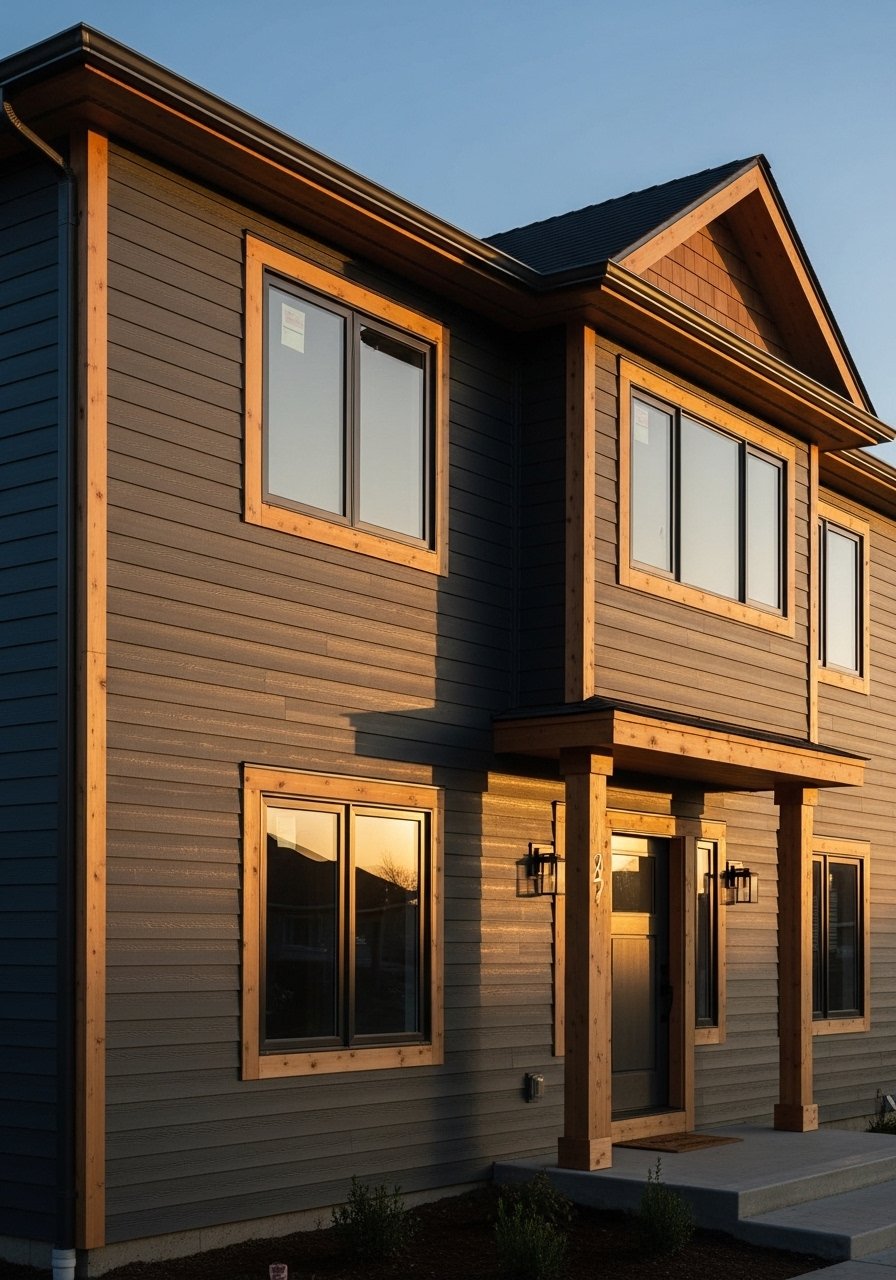
What makes a moody facade feel welcoming is contrast. I balanced matte charcoal siding with cedar trim so the wood becomes the 20 percent that reads warm against the 80 percent dark backdrop. Most matches get way better if you test in your actual lights, so pick three pint samples and paint 12 by 12-inch panels on the real wall. Common mistake is going full black with no texture, which flattens the whole elevation. Use a matte finish for siding and a satin on wood. I used a small matte-charcoal exterior paint sample to trial the hue.
Statement Black Front Door For Dramatic Entry

A black door gives the elevation an instant focal point. I picked a satin-brass handle that reads warm next to the charcoal and chosen a 10-inch pull to create a vertical line. Mistake people make is buying a tiny knob that disappears. For scale, aim for a pull at least one third the door height on standard doors. If you want a quick upgrade, swap hardware first before repainting. I kept the look grounded with a satin-brass door pull under $75.
Warm Wood Porch Ceiling To Soften Dark Facade

Painting the porch ceiling a warm wood tone changes how the whole front reads. I installed tongue-and-groove planks, each 4 inches wide to match the scale of the porch, and stained in a honey tone. The result was less like a cave and more layered, because the reflected light off the warm ceiling softens the charcoal. Common slip-up is using too-thin board widths that look busy. Try 4 to 6-inch planks for a modern cottage feel. For small budgets, use a stain-for-outdoor-wood-samples to pick the right bias under your porch lights.
Layered Porch Lighting For Nighttime Mood

Lighting changes a facade as much as paint. I mixed a pendant, two wall sconces, and step-level LEDs to get depth. Try bulbs at 2700K for warm amber glow and test 3000K beside them so you can compare. A common problem is lights that are too bright and wash the charcoal flat. Space path lights every 6 to 8 feet so shadows look intentional. For a renter-friendly swap, clip on a sconce-style porch light and test where shadows fall before hardwiring anything.
Textured Stone Base To Anchor The Front Elevation
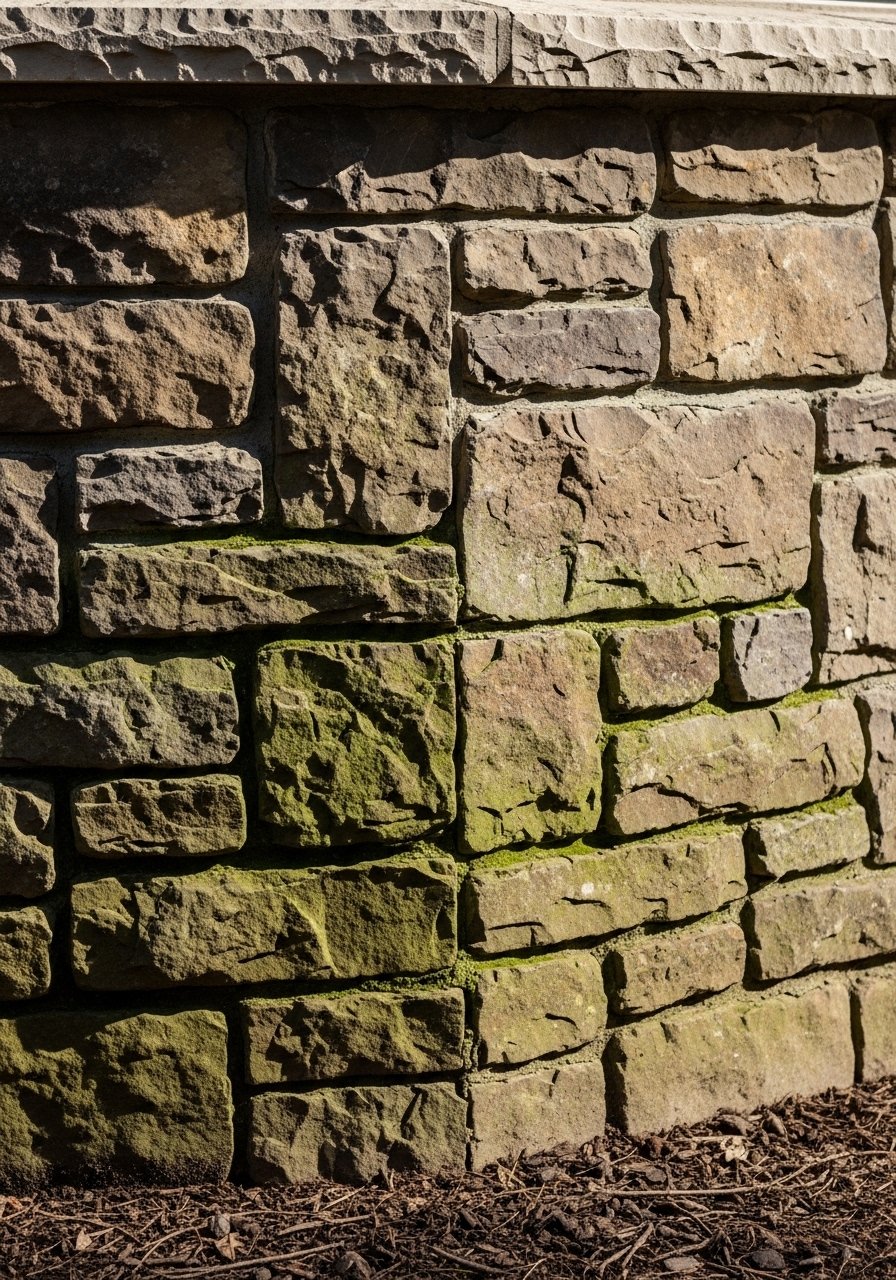
Adding a stone base gives physical weight that reads great with moody siding. I used a stacked-ledge veneer about 6 inches tall at the bottom band and kept mortar tone close to the warm wood to tie elements. Tech match failed on textured stuff for me once, so I took a sample to a pro who used a spectrophotometer to recommend a mortar tint. Over half your mixes flop from picking the wrong base color vibe, so bring the real material to the counter. For small updates, try a stacked-stone-veneer-sample before committing.
Deep Green Shutters For Moody Cottage Charm

Green shutters add a subtle color that reads rich against charcoal. I ordered full-height shutters sized to match the window width for a balanced look, not the narrow, decorative style that often looks toy-like. Rule I use: shutters should equal the window width when closed, or at least two thirds of it if you want a scaled-down feel. If you want an exact paint match but prefer another brand, ask for the competitor formula by saying the brand and color name, then the base finish you need. That script works at most counters. I used a deep-forest shutter paint sample.
Black Metal House Numbers And Mailbox For Graphic Impact

Numbers and mailbox are the punctuation mark of the front elevation. I went with six-inch numbers in matte black so they read from the street but don’t glare. Common mistake is tiny numbers or reflective finishes. For scale, pick numbers at least 4 to 6 inches high for standard lot setbacks. I swapped an old mailbox for a streamlined matte model and the facade finally read unified. If you want to change seasonally, use a modern-black-house-numbers-set and a matching matte-black-mailbox.
Minimalist Steel Canopy To Shelter The Door
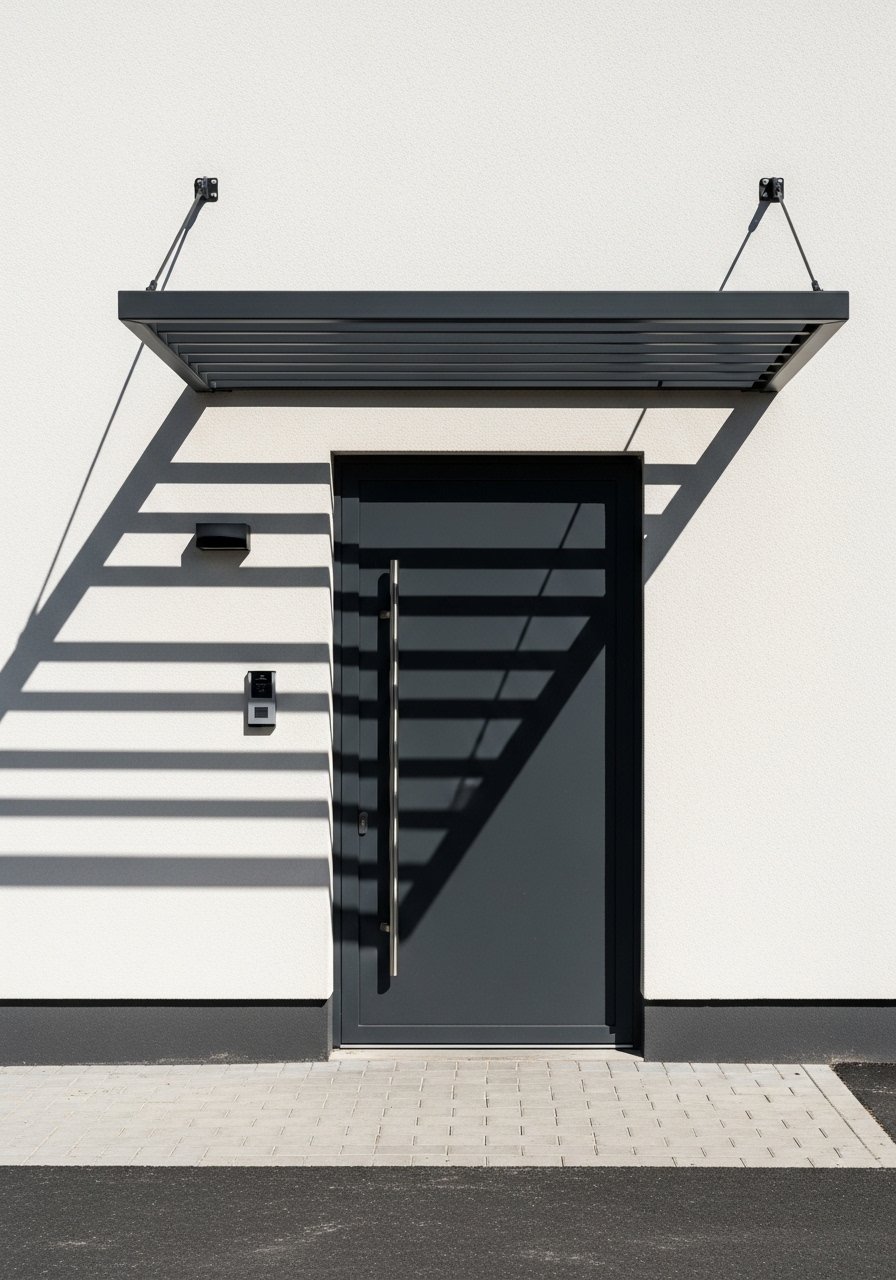
A small canopy gives presence and protection. I installed a 48-inch steel canopy that extends one foot beyond the door edges so rain clears the threshold. A common error is undersizing the canopy. Aim for 1 to 1.5 times the door width for real coverage. The underside painted white bounces porch light back onto the face of the house. For a DIY-friendly find, look at a steel-entry-canopy-48-inch to visualize size before hiring a welder.
Potted Evergreens In Matte Planters For Structure
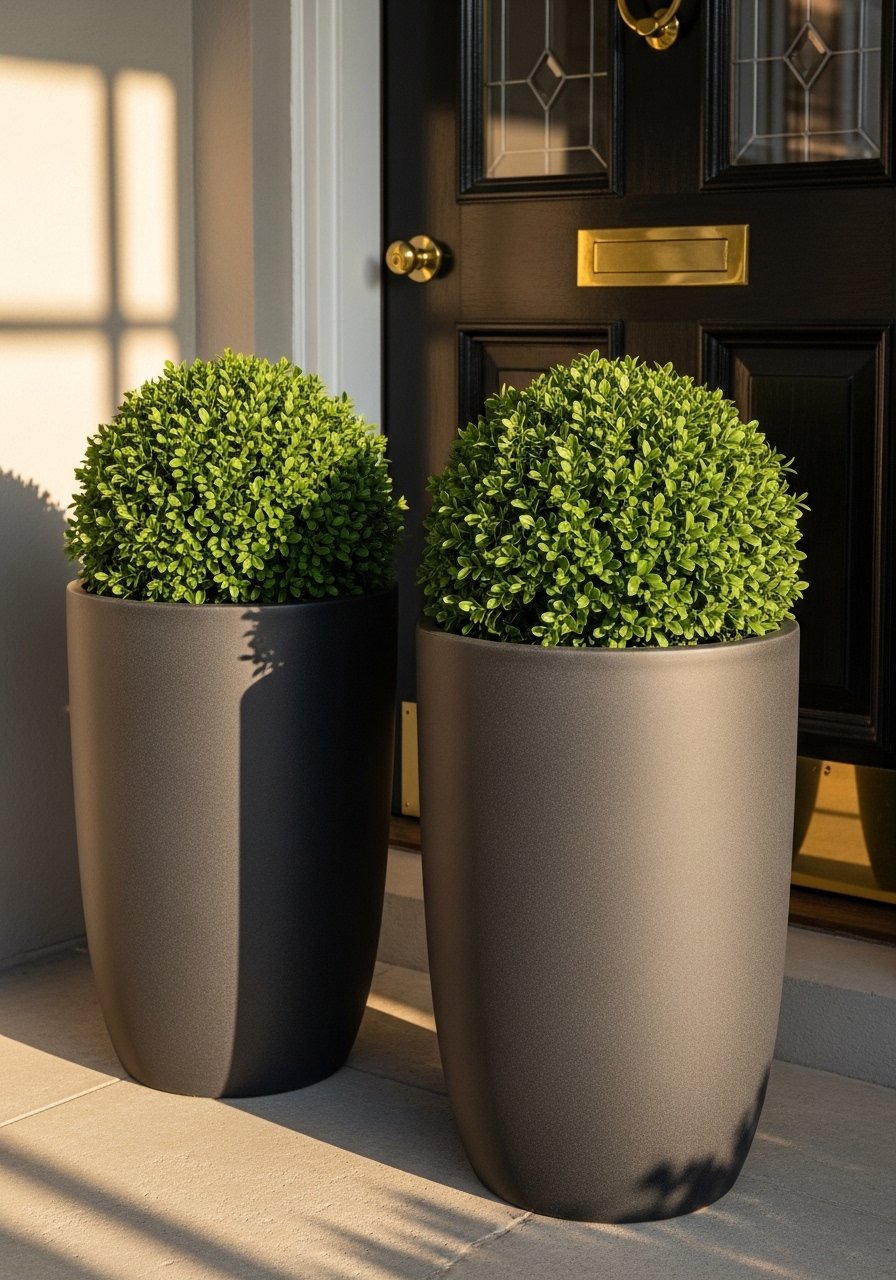
Single tall plants anchor the entry better than a dozen small pots. I buy 30-inch planters and plant dwarf evergreens to keep year-round structure. One tall plant per side creates a frame that reads balanced against a moody facade. Mistake is using too many low plants that compete with details. If you need instant scale, use an artificial-faux-fiddle-fig-6ft for visual height without maintenance. Matte planters in black or charcoal sync with the siding and let wood accents pop.
Textured Front Steps With Anti-Slip Tiles For Safety And Style
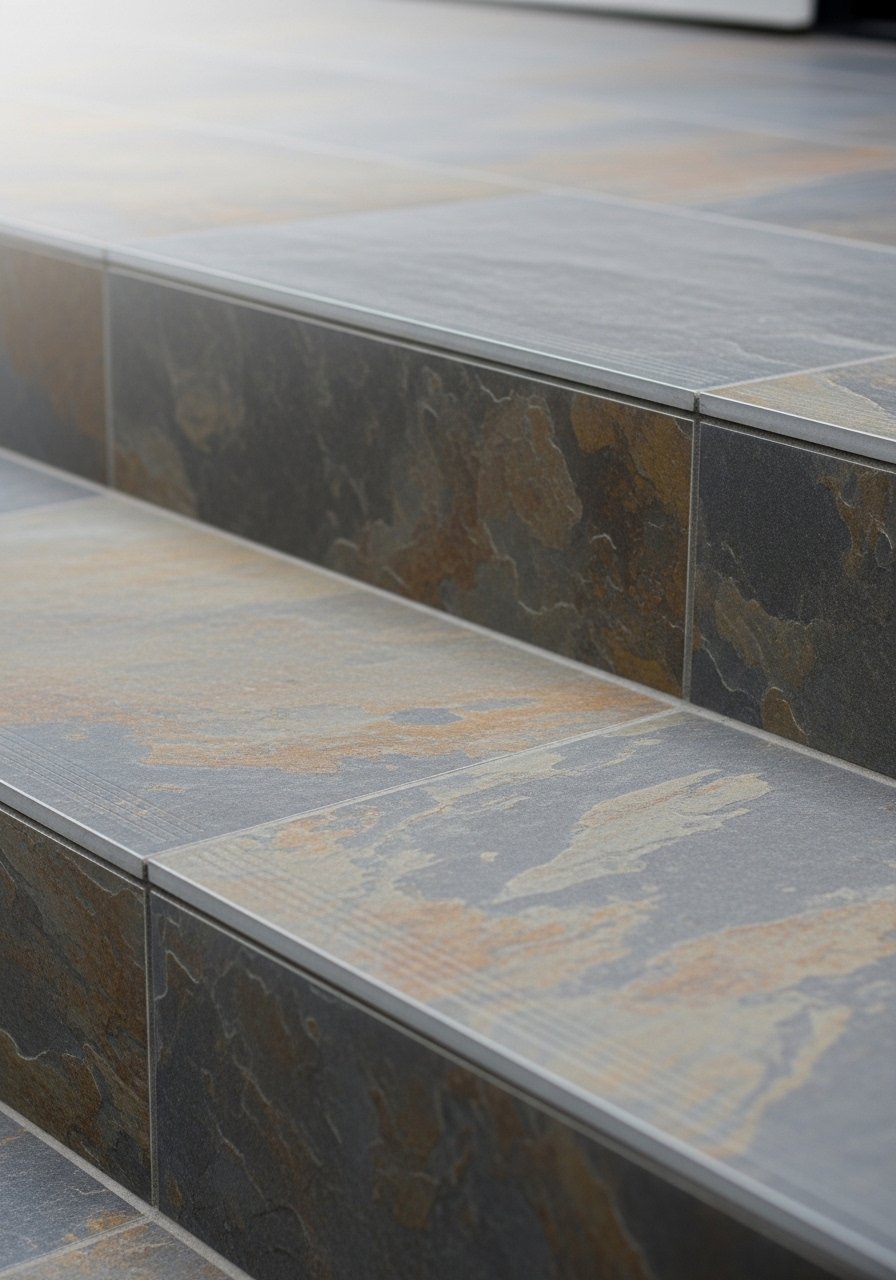
Front steps get the most wear, so choose tiles that are textured and practical. I selected 12 by 24-inch anti-slip tiles and kept a tread depth of 11 inches for safe footing. A common mistake is choosing thin tiles that chip fast outside. Match grout tone to your stone band so the steps feel intentional. You can test a single riser with a 12×24-outdoor-anti-slip-tile-sample before ordering a full set.
Dramatic Black Trim With White Window Mullions For Contrast

Swapping trim to black while keeping white mullions gives a graphic window look that plays off a moody siding. I kept the trim width at 3.5 inches, which reads substantial without overpowering windows. The wrong trim width can make windows look stuck on, so measure and mock up with taped outlines first. Paint finishes matter too, so test trim samples under your porch light. A small exterior-trim-paint-sample made all the difference when I compared sheen options.
Layered Greenery And Accent Lighting For Pathways

Carefully placed plants and low-level lights invite people to the entry. I space solar stakes every 6 to 8 feet and plant boxwoods 18 inches from the path to avoid crowding as they grow. Common mistake is over-lighting which flattens shadow and removes detail from the facade. Swap a few spotlights for warmer path lights and you will get depth. For a quick swap, try a solar-pathway-lights-6-pack.
Temporary Updates For Renters And Quick Wins
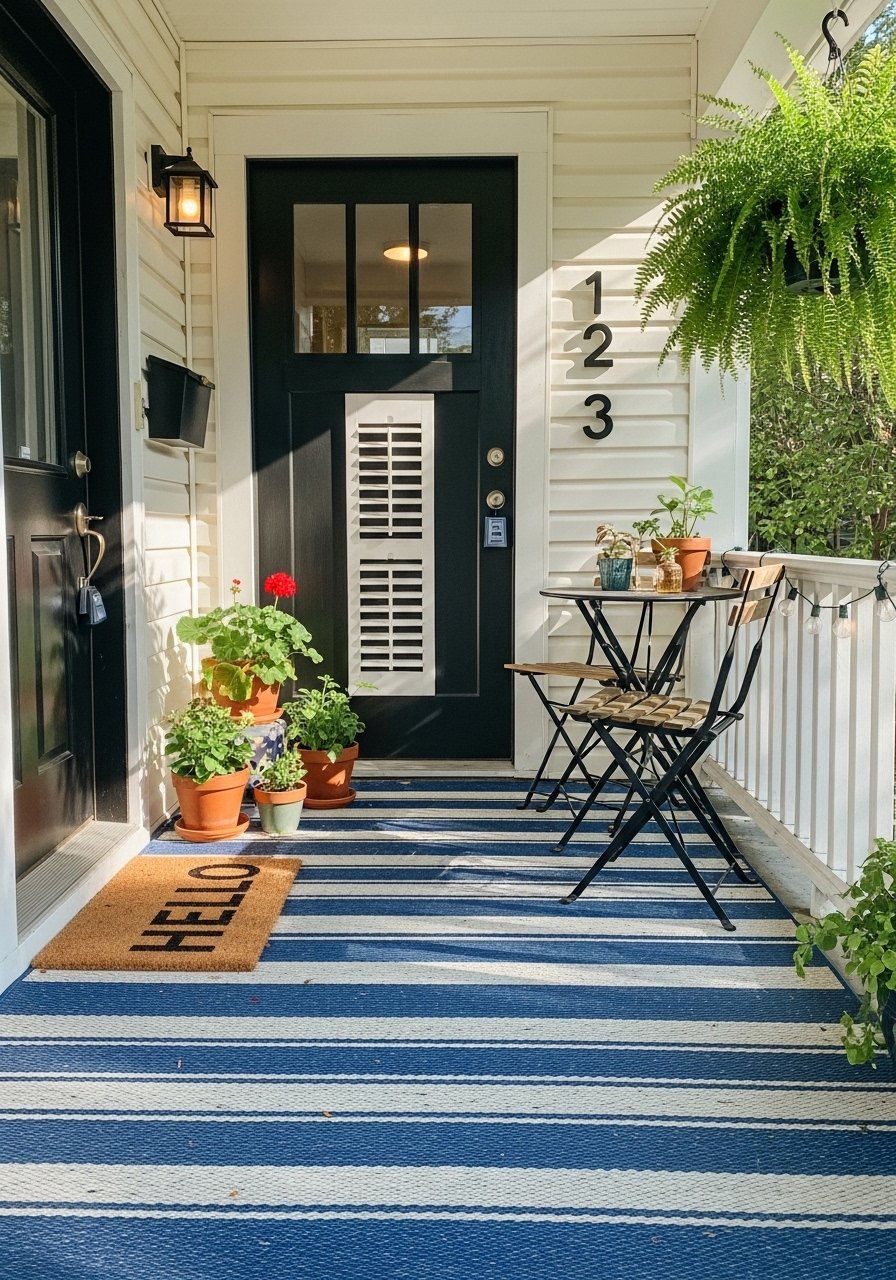
If you rent, you can still get a moody look without permanent changes. I used command-compatible outdoor mounts for wreaths, magnetic numbers on metal-clad surfaces, and large planters that sit on the porch. A renter mistake is thinking changes must be permanent. For quick curb appeal, add a 24 by 36-inch outdoor rug, swap in a new mailbox that clips on, or attach stick-on shutters that remove with heat. I keep a heavy-duty-command-outdoor-hook-pack on hand and a neutral outdoor-rug-24×36 for instant impact.
Your Decor Shopping List
Textiles
- Honestly the best $35 I have spent. Outdoor rug 24×36 in neutral stripe for a small porch
- Chunky-knit throw for bench seating (~$35) for seasonal coziness
Wall Decor & Hardware
- Modern black house numbers, set of 4 in 6-inch height
- Satin brass 10-inch door pull (~$70)
Planters & Plants
- Tall matte ceramic planters 30-inch, set of 2 (~$120)
- Dwarf evergreen nursery pair for low maintenance structure
Lighting & Safety
- Solar pathway lights 6-pack (~$30)
- Outdoor anti-slip 12×24 tile sample pack to test treads
Budget Finds
- Matte black mailbox (~$40)
- Heavy-duty command outdoor hooks pack for renter-friendly updates
Most of these have similar options at HomeGoods or Target if you prefer to touch materials before buying.
Shopping Tips
White oak beats dark wood in 2026. Design feeds have shifted completely. These white-oak-floating-shelves show how a lighter wood reads next to dark siding.
Grab these velvet pillow covers for $12 each. Swap porch cushions each season and the entry feels updated.
Curtains should puddle or kiss the floor, never hang halfway up. These 96-inch linen panels are good for porch nooks and tall windows.
Lead with the link. Satin-brass door pulls photograph well and lift a moody door instantly.
Everyone buys five small succulents. One single 6-foot faux fiddle leaf has ten times the visual impact.
Frequently Asked Questions
Q: How do I pick the right black for my front door?
A: Test three samples on a board at the door, view them morning and evening, and pick the one that keeps wood tones warm nearby. A satin finish on the door keeps fingerprints down. Try a small matte-charcoal exterior paint sample beside a black swatch to compare.
Q: Can I match paint between brands if I want a specific shade?
A: Yes, ask the counter for the competitor formula by name and the finish you need. Spell out the brand, color name, and finish. Bring a physical swatch so they can pull a closer match. A simple script at the counter saves a lot of guesswork.
Q: What lighting temperature should I use outside?
A: Warm bulbs around 2700K to 3000K create soft amber pools that flatter dark siding. Test different temperatures on-site because light under an overhang reads different than exposed walls. Most matches get way better if you test in your actual lights.
Q: My brick or stone looks different when painted. Why?
A: Textured surfaces scatter light and can throw color off. Tech match failed on textured stuff is common, so take a sample to a pro for a spectrophotometer scan or test large patches, not tiny chips. That avoids repainting later.
Q: Quick renter-friendly upgrades that still look intentional?
A: Use heavy-duty outdoor command hooks, magnetic or clip-on numbers, large planters, and a bold rug. Command hooks and clip-on solutions let you try things without holes. I keep a heavy-duty-command-outdoor-hook-pack for that reason.