
My living room had nice furniture and decent lighting but it still felt like a waiting room. Took me embarrassingly long to figure out it was missing texture. Every surface was smooth, every color was flat, and nothing invited you to actually sit down. I fixed it with small swaps over a few weekends and those changes are in the ideas below.
These ideas lean modern farmhouse with a soft minimalist edge. Most items are inexpensive, many under $50, with a few splurges around $100. They work in living rooms, bedrooms, entryways, and small apartments if you use the renter-friendly tips like moveable sample boards and foamcore tests.
Layered Neutrals With One Warm Accent For Living Rooms

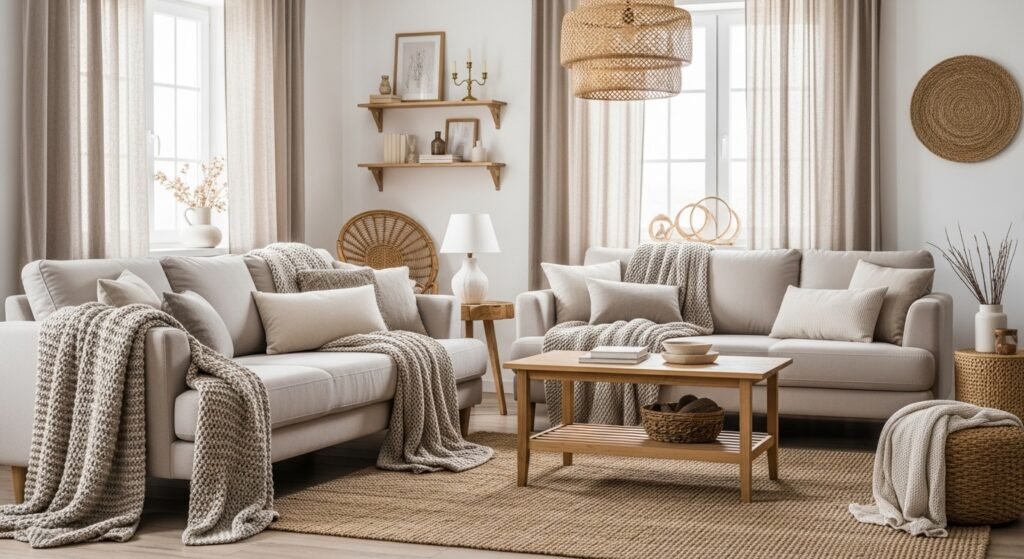
The moment I draped a chunky knit throw over my gray sofa, the whole room stopped looking flat. Start with three neutral tones that differ in value, for example warm cream, dove gray, and taupe, and add one warm accent like terracotta or honey. Use a 60/40 rule where 60 percent is the main neutral, 40 percent is supporting neutrals, and the single accent is a small pop. I used 22-inch down-filled linen pillow covers and a chunky knit throw in cream to anchor the sofa. Common mistake is matching pillows exactly to the couch. If everything is the same height and texture, the room reads flat.
Floor-To-Ceiling Curtains To Add Height In Bedrooms

Most people hang curtains right at the window frame. That is why rooms look shorter. Hang panels six inches above the trim and choose length that kisses the floor or puddles slightly. For standard nine-foot ceilings, 96-inch panels are the right move. I replaced short curtains with 96-inch linen panels and the room felt taller overnight. Budget is usually $30 to $80 per panel depending on fabric. One detail no one tells you: if you pair light, airy curtains with a heavier textured rug, the eye balances vertically and horizontally. Pair this with the layered rug idea later for a cozier result.
Chunky Textile Layers For Tactile Calm On Sofas

The moment I added a 22-inch velvet pillow to my linen pillow mix the couch stopped looking like a showroom. Use three pillow sizes and at least two textures. Aim for two large 22-inch anchors, one medium, and a smaller lumbar to layer properly. I like down-fill for that lived-in slump. Throw price range is $30 to $70. I bought the larger pillows and then swapped a velvet one from velvet pillow covers to mix texture. A common mistake is using identical pillows in a set. They need variation in fill, size, and fabric to read layered and real.
Minimal Gallery Wall Using Only Black Frames For Hallways
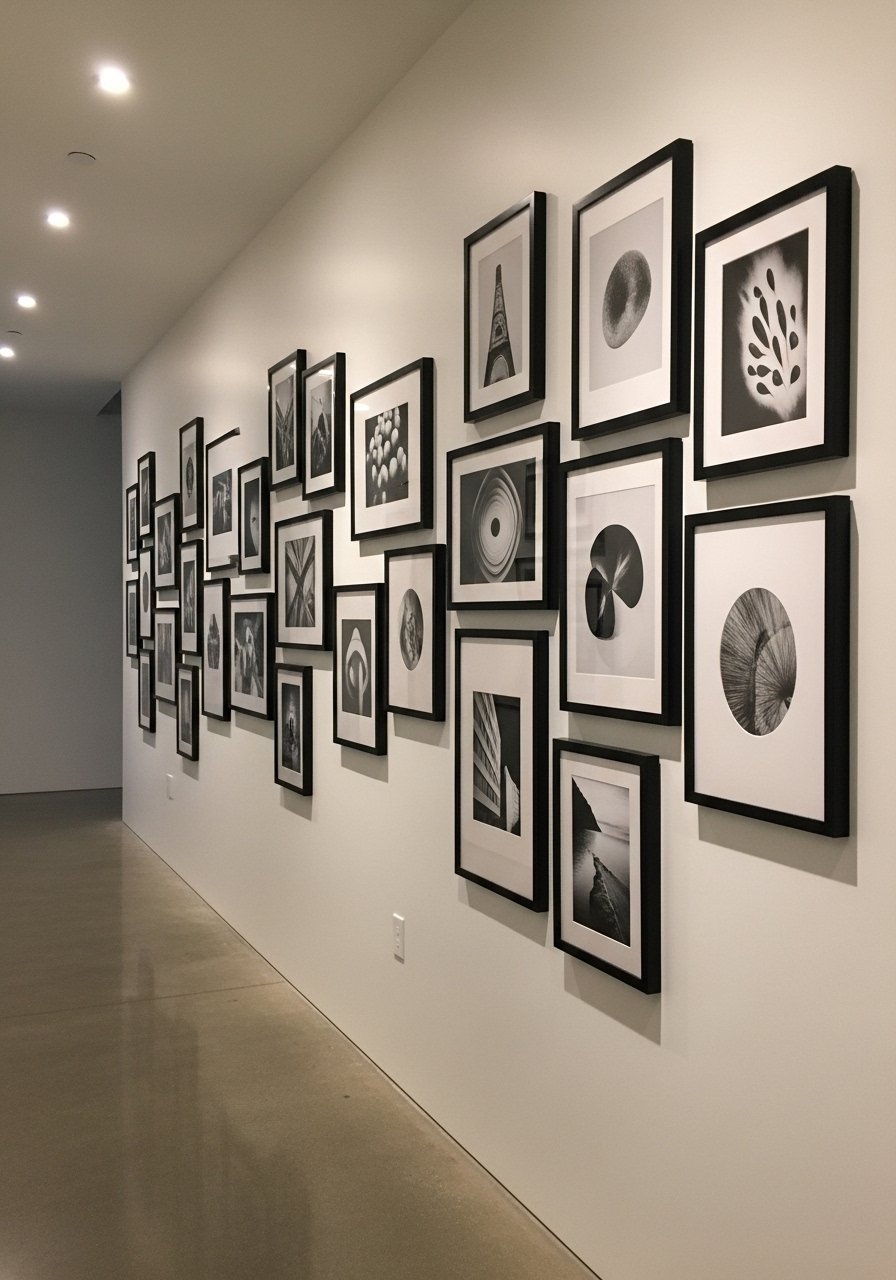
I used black frames and kept the spacing consistent at three inches, and suddenly the hallway stopped feeling cluttered. Pick one frame color and one mat size to keep a cohesive look. A good starting layout is three across by two down or a column of four, each with three inches between frames and two inches from trim. I used black picture ledges so I could swap prints without adding new holes. The mistake people make is mixing frame metals and mat thicknesses. That looks accidental, not curated.
Oversized Mirror To Brighten Dark Corners In Entryways
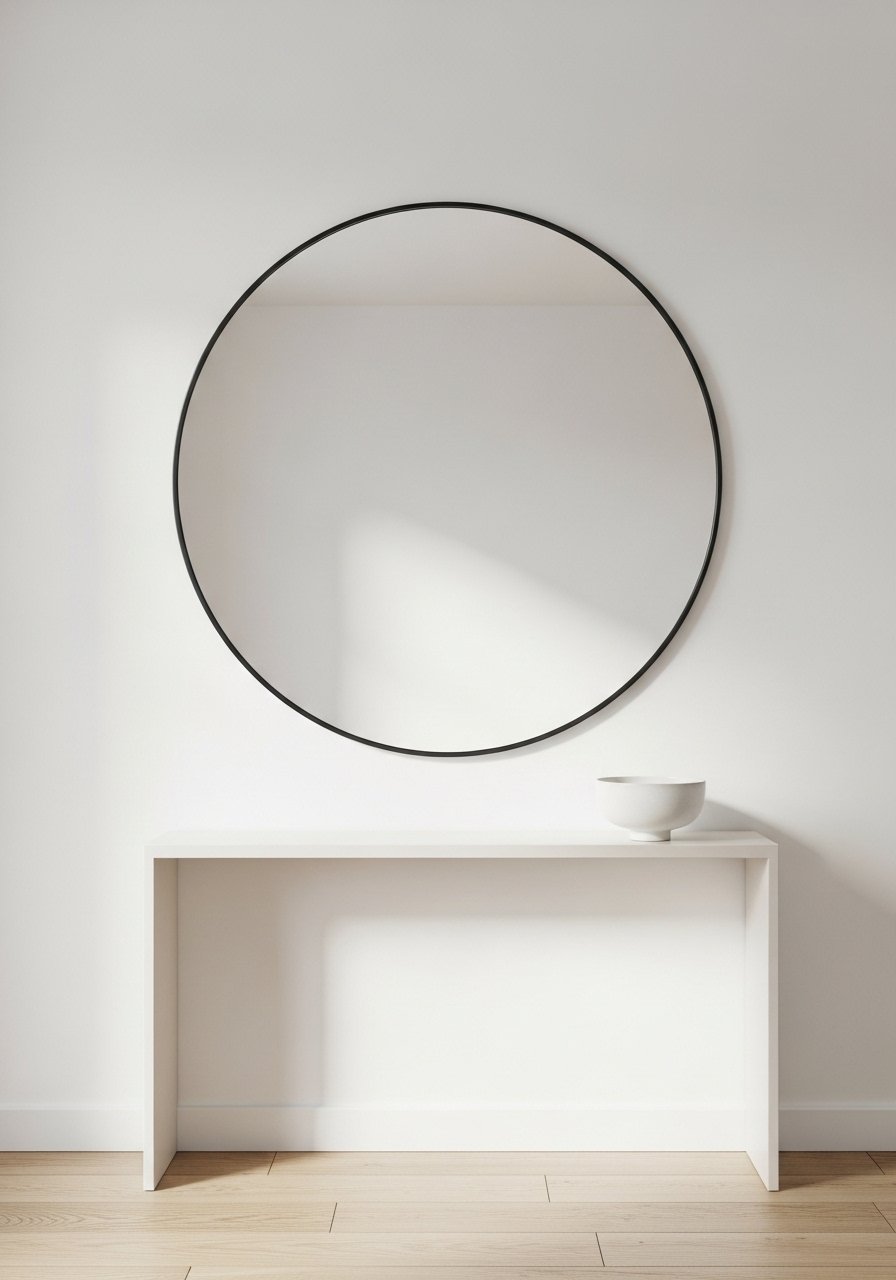
My entryway used to swallow light. A 36-inch round mirror leaned against the wall fixed that. Larger mirrors bounce light and make corners read as part of the room. Choose a mirror roughly two thirds the width of the console or half the width of the wall it sits on. I grabbed a 36-inch round framed mirror and added a small lamp on the console for evening glow. People often hang mirrors too high. If you want reflected floor or the lamp glow, place the center of the mirror about eye level or slightly lower.
Mixed Wood Tones For Warmth In Dining Rooms
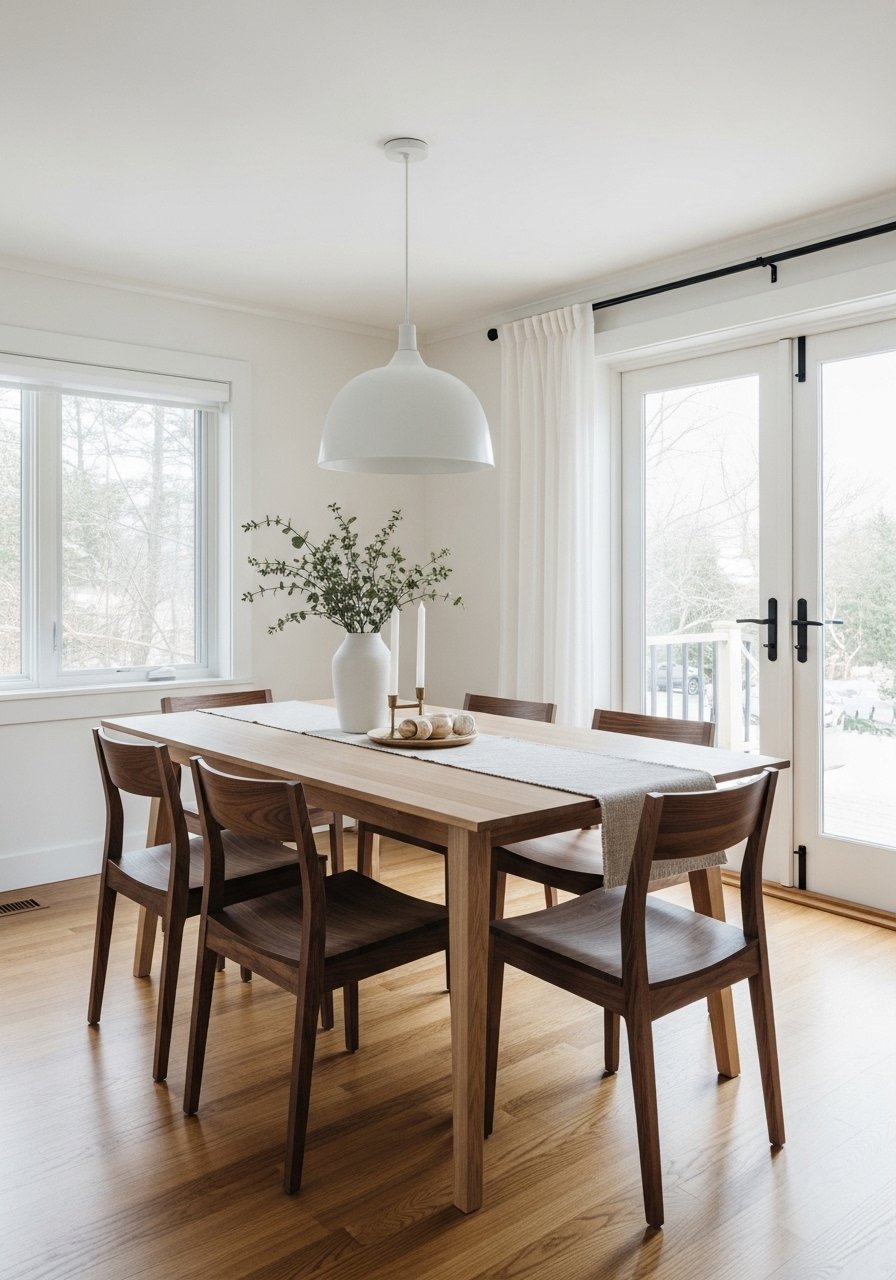
Matching every wood finish makes rooms feel staged. I mixed my white oak table with darker chairs and it read intentional, not messy. Use three wood tones max and keep one as dominant. For dining rooms, white oak or natural maple works as the base while darker accents provide contrast. I installed white oak floating shelves nearby to tie in a second tone. A specific detail that helps is repeating the darkest tone in hardware or a lamp base so the eye finds a pattern. If you have pets or kids, avoid very pale surfaces in high traffic areas unless you seal them.
Subtle Pattern Play With Layered Rugs In Living Rooms
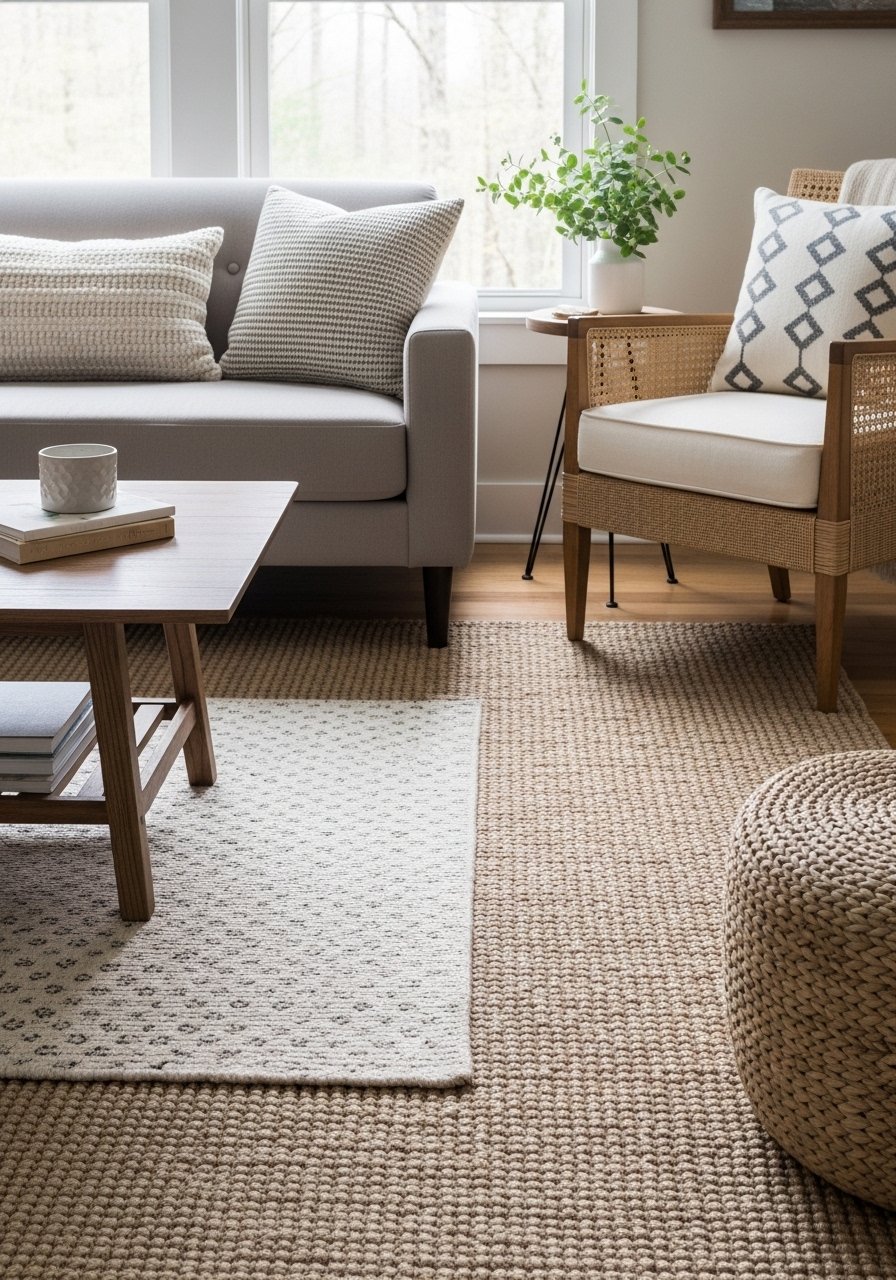
Layering rugs saved my living room from feeling flat and became a focal point. Start with a natural fiber base like jute in an 8×10 size and add a smaller patterned rug centered under the coffee table. The base should extend at least 6 inches beyond the patterned rug on each side. I used an 8×10 jute rug and then a 5×8 patterned piece on top. People often buy rugs too small. Bigger anchors rooms, even when neutral.
Open Shelving Styled With Neutrals In Kitchens

Open shelves can look cluttered in a day or beautiful for years. The trick is rhythm and repetition. I grouped items in threes, repeated white dishes at eye level, and used woven baskets for hidden storage. Leave one shelf mostly empty to let the eye rest. For scale, keep shelf items under two-thirds the shelf depth so nothing overhangs. I installed affordable woven storage baskets to hide small kitchen gadgets. A common mistake is filling every shelf the same way. Variation keeps it from reading like a store display.
Soft Corner Reading Nook With Layered Lighting In Bedrooms

There is something about a reading nook that makes you cancel plans. I carved a corner with a comfy chair, one large pillow, and a floor lamp with two bulb options. Use layered lighting so you can switch from task to ambient in seconds. I placed the lamp about 18 inches behind the chair so light hits your lap without glare. A small side table sized 18 by 18 inches is perfect. I bought a soft-glow table lamp and a dimmable LED bulb to change moods. People forget to add a throw for extra warmth.
Low-Profile Furniture For A Serene Flow In Small Rooms
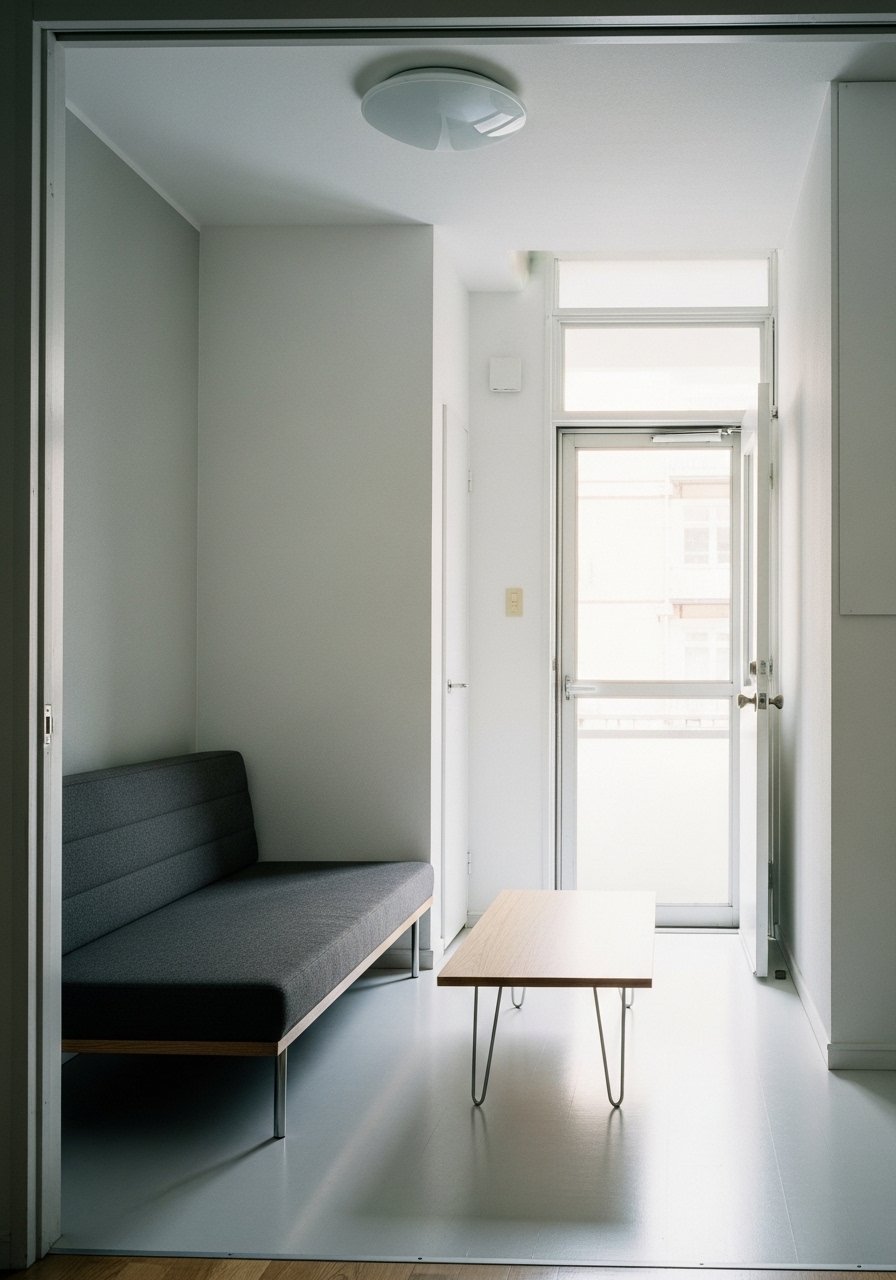
A heavy sofa in a small room makes the space feel crowded. Switching to a low-profile sofa with 5-6 inch exposed leg space opens sightlines and makes the room feel larger. Pick furniture that keeps at least 18 inches from traffic paths. I went with a simple low sofa and swapped a bulky coffee table for a slim wooden option. If you need storage, choose a piece with drawers under the seat rather than a large ottoman. One purchase that helped was a compact slim coffee table. Avoid furniture that hits at the exact same height across the room.
Natural Fiber Window Shades For Gentle Texture In Any Room
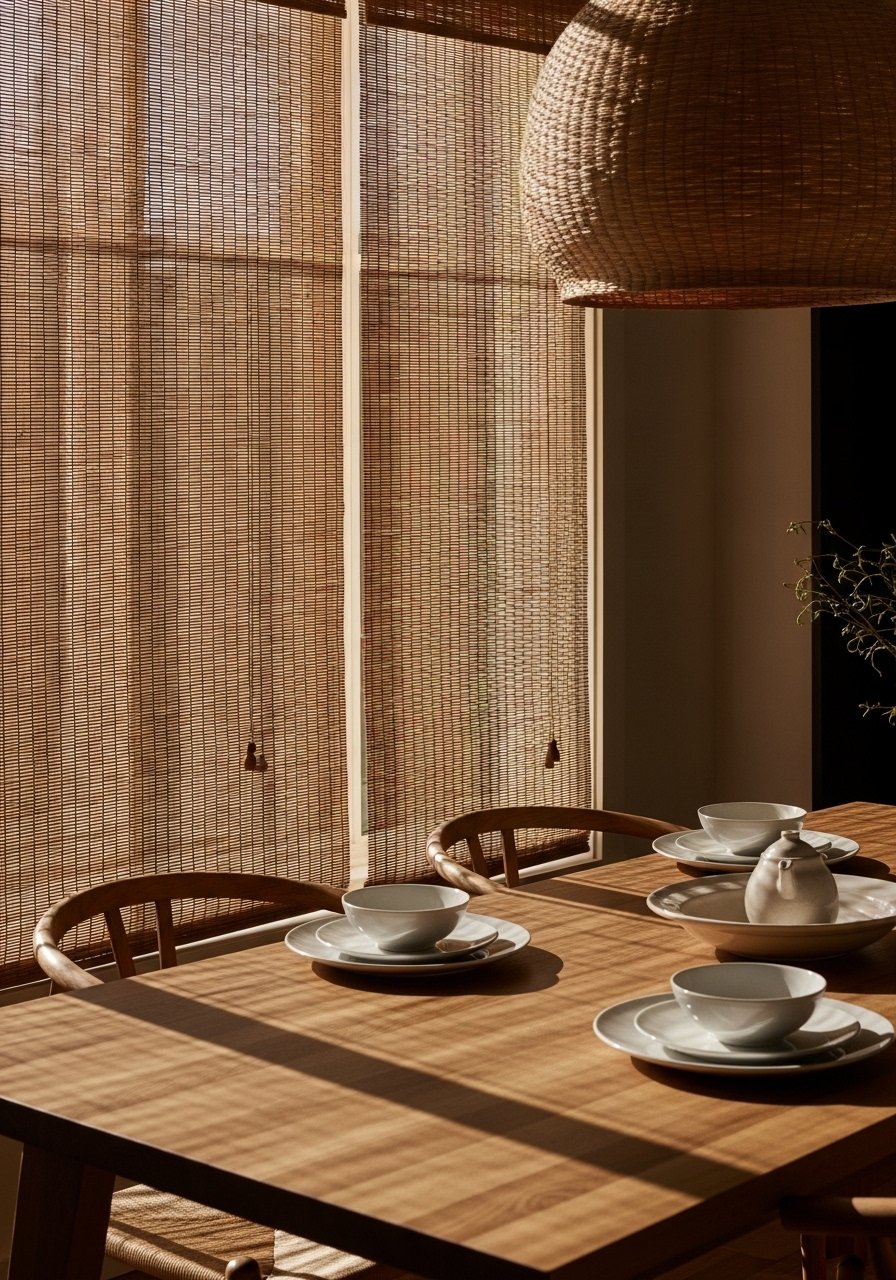
Natural shades add texture without heavy color. I replaced vinyl blinds with woven shades and the whole room read softer. Choose a shade that mounts inside the frame for a clean look or outside for more drama. For windows less than 60 inches wide, one shade is fine. Wider windows benefit from two shades to avoid sag. I ordered woven natural shades and installed them myself in under an hour. People make the mistake of pairing thick curtains with heavy shades, which looks too busy. Let one element be the star.
Calm Bed Layering For Better Sleep In Bedrooms
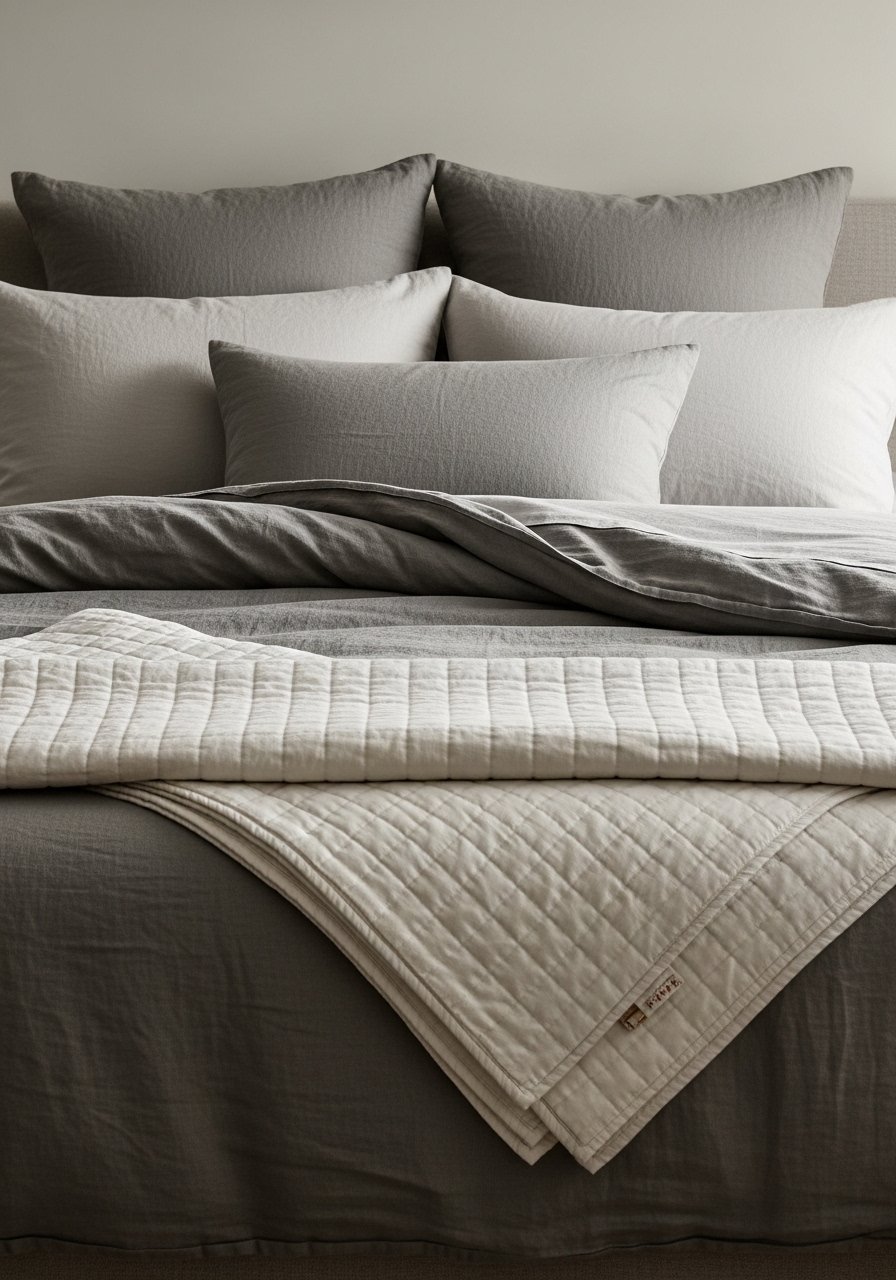
My bed used to look messy even when it was made. I learned to layer with a linen duvet, a lightweight cotton quilt at the foot, and three pillow sizes. Use a neutral duvet as the base, fold the quilt one third across the foot of the bed, and place a lumbar pillow in front. A specific measure I follow is pillow widths: two standard 20-inch shams and a 12×20 lumbar creates the right scale on a queen bed. I sourced a breathable linen duvet cover. People often add too many small decorative pillows, which traps heat and makes the bed look staged.
Layered Lighting Plan For Evening Calm In Living Spaces

Most mismatches happen because store lights trick you, and that includes lighting choices. I set up three layers in every common room, task, ambient, and accent. Use a dimmable overhead for general light, a floor lamp for reading, and small table lamps or candles for accent. For scale, place task lights roughly 48 to 60 inches above reading surfaces. I use dimmable LED bulbs to shift from bright to soft. A common error is relying solely on one bright overhead fixture. Layering makes evenings feel intentional and calm.
Pet-Friendly Eggshell Finish For High Traffic Areas

If you have pets you need paint that hides scuffs and washes easily. Eggshell finishes hide marks better than matte and look more lived-in. I switched hall and entry walls to eggshell and the room stayed cleaner between touch-ups. For durability, use a quality acrylic eggshell and consider a tinted primer 50 percent toward your final color to save coats. People repaint because of dry color surprises, which is why my wet-dry adjustment rule helped. Lighten your formula 10 to 20 percent if the wet sample looks too dark. I keep a small pack of touch-up paint in the same sheen for quick fixes.
Renters' Moveable Sample Board For Testing Colors And Layouts
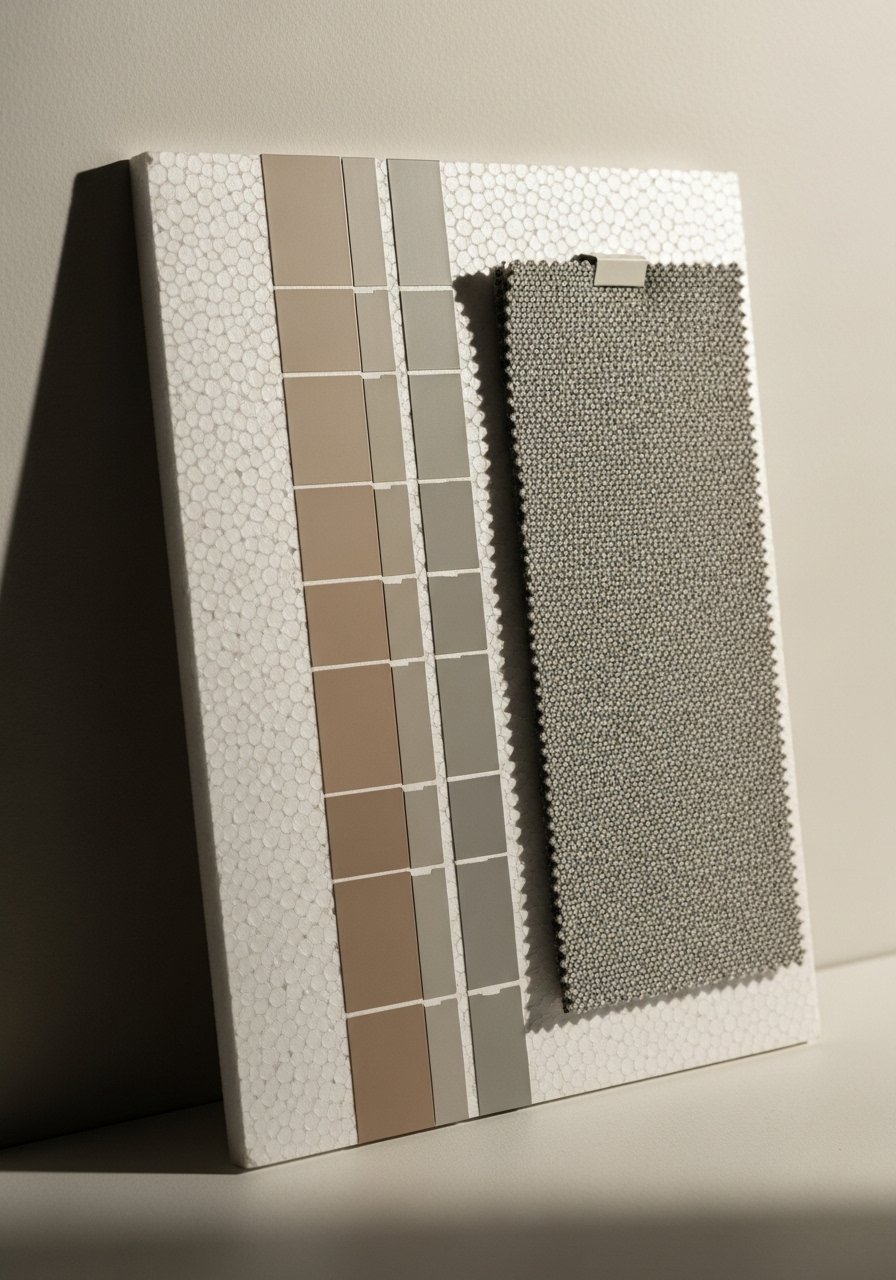
When I rented, I could not paint, so I made a foamcore board with three paint strips and a couch fabric swatch. I moved it from the north-facing bedroom to the living room over three days to see how light changed color. Scanners beat formulas 85% of the time, so I had the store scan my fabric chip and bring me the sample pot. Six in ten folks repaint fast because dry color surprises, which is why I always wait 48 hours before any call. Use a 2×2 inch chip for accurate scans, and carry the scan to the store rather than relying on the fan deck. This trick saved me from a costly repaint.
Your Decor Shopping List
Textiles
- Honestly the best $40 I have spent. Chunky knit throw in cream in a neutral tone to drape over sofas
- For pillows that layer well, 22-inch linen pillow covers in two muted colors
- Linen duvet cover queen for breathable bedding
Wall Decor
- Found these while hunting for frames. Black picture ledges let you swap art without new holes
- 36-inch round framed mirror to brighten entryways
Rugs And Window
- 8×10 jute area rug for base texture
- 96-inch linen panels for taller sightlines
- Woven natural shades for filtered light
Furniture And Accessories
- Slim wood coffee table when space is tight
- Faux fiddle leaf fig 6ft for height without fuss
Many of these items also appear at Target or HomeGoods if you want to see them in person before buying.
Shopping Tips
White oak beats dark wood in 2026. Design feeds have shifted completely. These white oak floating shelves look current, not dated.
Grab velvet pillow covers for $12 each. Swap them seasonally and your sofa will feel different without a big spend.
Curtains should puddle or kiss the floor, never hang halfway up. These 96-inch panels are the right call for standard nine-foot ceilings.
One oversized plant beats five small succulents for impact. This faux fiddle leaf fig gives height and texture without maintenance.
When testing paint, carry a 2×2 inch fabric chip to the store. Painter's foamcore sample board costs under $10 and lets you move samples room to room.
Frequently Asked Questions
Q: What size area rug do I actually need for my living room?
A: Bigger than you think. For a standard living room, go 8×10 minimum so the front legs of sofas and chairs sit on the rug. A layered 5×8 rug on top adds pattern without shrinking the space.
Q: Can I mix boho textiles with modern furniture without it looking messy?
A: Yes. Use a neutral base and limit patterned textiles to one to two pieces. Repeat a color from your furniture in one textile to tie things together.
Q: Should I choose eggshell or matte in a pet household?
A: Eggshell. It hides scuffs better and is easier to wipe clean. Use a quality acrylic eggshell and keep a small touch-up pot handy.
Q: How do I test paint samples if I am renting?
A: Make a moveable sample board with foamcore, tape three 4×6 strips, and clip a fabric swatch on it. Move the board to different rooms over 48 hours to watch shifts in light. Scanners beat formulas 85% of the time, so get a scanned sample if you can.
Q: Is a faux plant ever acceptable?
A: Yes. Real plants and faux both have roles. Use a real snake plant or pothos where you can water, and a realistic faux fiddle leaf fig when you need height without upkeep. A single tall piece is more effective than many tiny ones.
Q: How much should I lighten a paint if the wet sample looks too dark?
A: Lighten the formula by about 10 to 20 percent. Wet paint always reads darker, and that small adjustment prevents a repaint.