
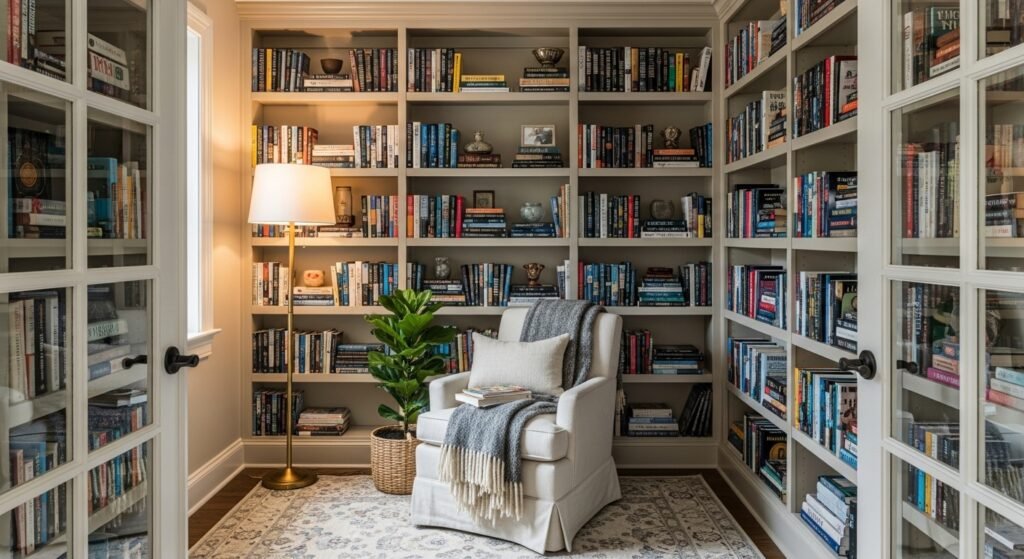
Spent $400 on a new armchair and the corner still looked sad. Took me forever to see the problem. The shelves were the same depth, the books were shoved in flush, and nothing invited you to sit. It took swapping one shelf for a slim ladder unit and adding a low pouf to change that whole corner into a spot I actually use.
These ideas lean toward warm modern and cottage styles. Most fixes are under $100 and many under $50, with a couple splurges around $150. They work for living rooms, bedrooms, hallways, and under-stair nooks that needed a purpose. Practical tips include measurements, renter-friendly swaps, and quick lighting notes so you can shop and install in an afternoon.
Cozy Built-In Nook With Neutral Cushions for a Window Seat
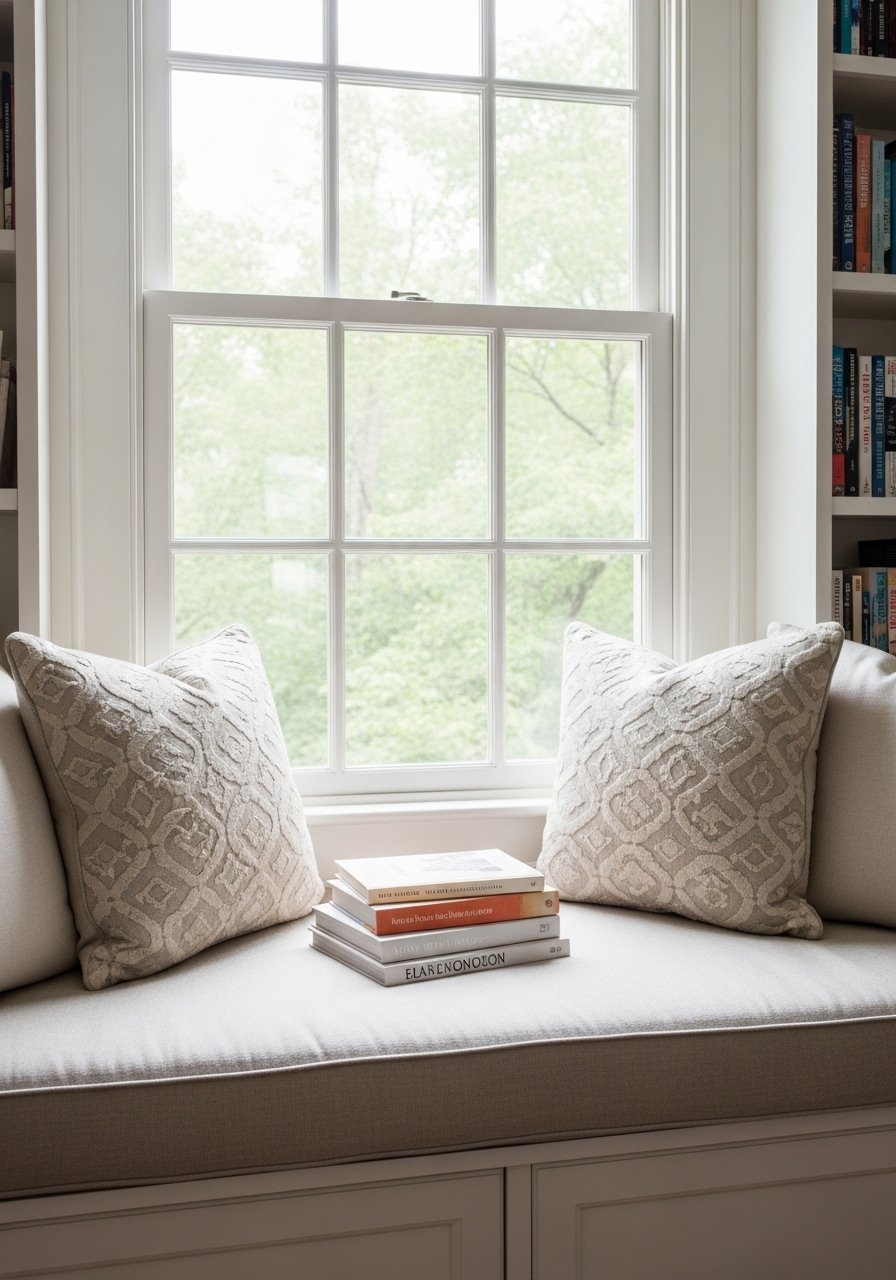
The moment I added a 48-inch cushion to my window alcove, people started actually sitting there. Built-ins feel expensive but you can fake the look by stacking two 24-inch floating shelves vertically, separated by 12 to 14 inches of vertical space for paperbacks. I used 48-inch bench cushion in oatmeal linen for softness and replaced the usual 18-inch pillows with 20-inch down-filled linen covers for better proportion. Common mistake is making the seat too shallow. Aim for 16 to 18 inches depth for real comfort. If you rent, use removable peelable shelf liners first so you can test the layout without wall damage. Pair this with the Vertical Bookcase idea for a balanced silhouette.
Slim Ladder Shelves for Narrow Hallway Libraries
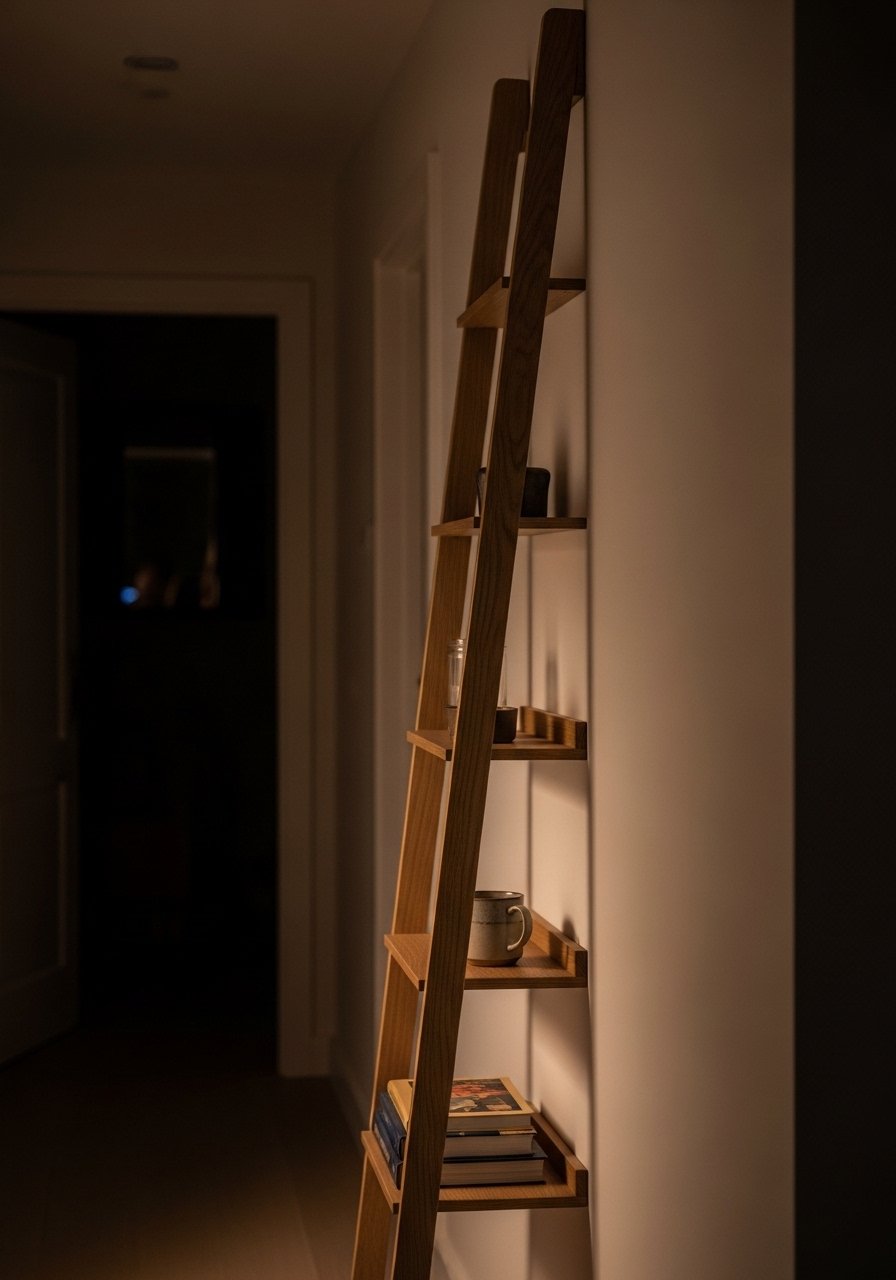
Hallways need storage that breathes. A 10 to 12 inch deep ladder shelf tucks against trim and still holds hardbacks, framed photos, and a plant. I picked slim oak ladder shelves in a light finish so the space feels open. Most people cram every shelf full. Leave 30 percent of each shelf empty so the books read like objects, not clutter. If you worry about stability, anchor the top with a single screw into a stud. One bulb swap changes your match by a third, so swap a warm 2700K bulb for 3000K if the wood looks too yellow in the hallway lamp. This setup fits narrow entryways and small corridors.
Floating Shelves With Staggered Heights for Small Rooms
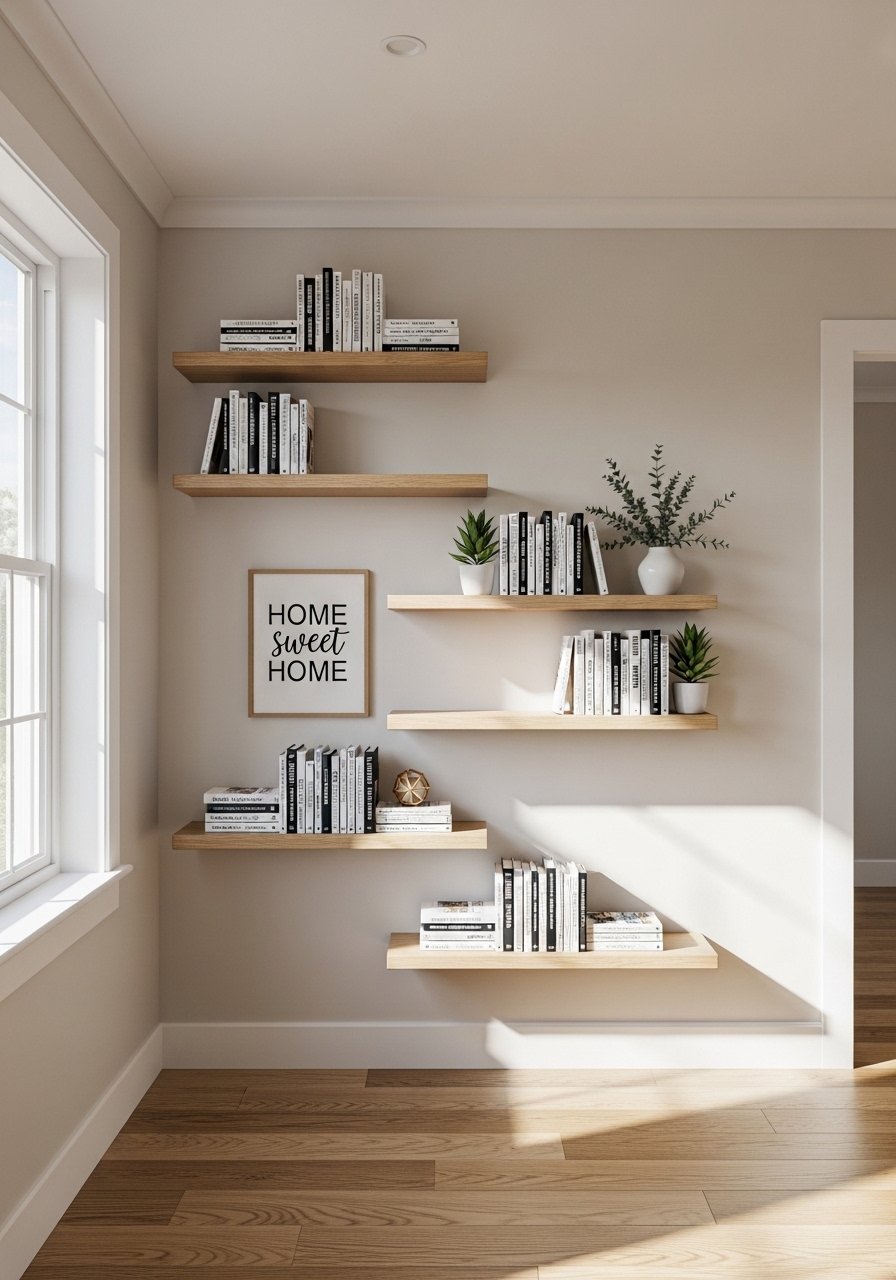
Floating shelves are forgiving in tiny rooms because they keep the floor visible. Stagger shelves with 12, 14, then 18 inches between them to fit tall coffees table books and low ceramics. I used white oak floating shelves and kept shelf depth at 10 inches for paperbacks and 12 inches for hardbacks. A mistake is centering shelves on the wall rather than on furniture. Align the lower shelf with the top of your sofa or console for flow. Scanners get you 90% there, eye does the rest. Test the look with cardboard templates taped to the wall before drilling.
Under-Stair Compact Library With Pull-Out Bins for Toys and Books
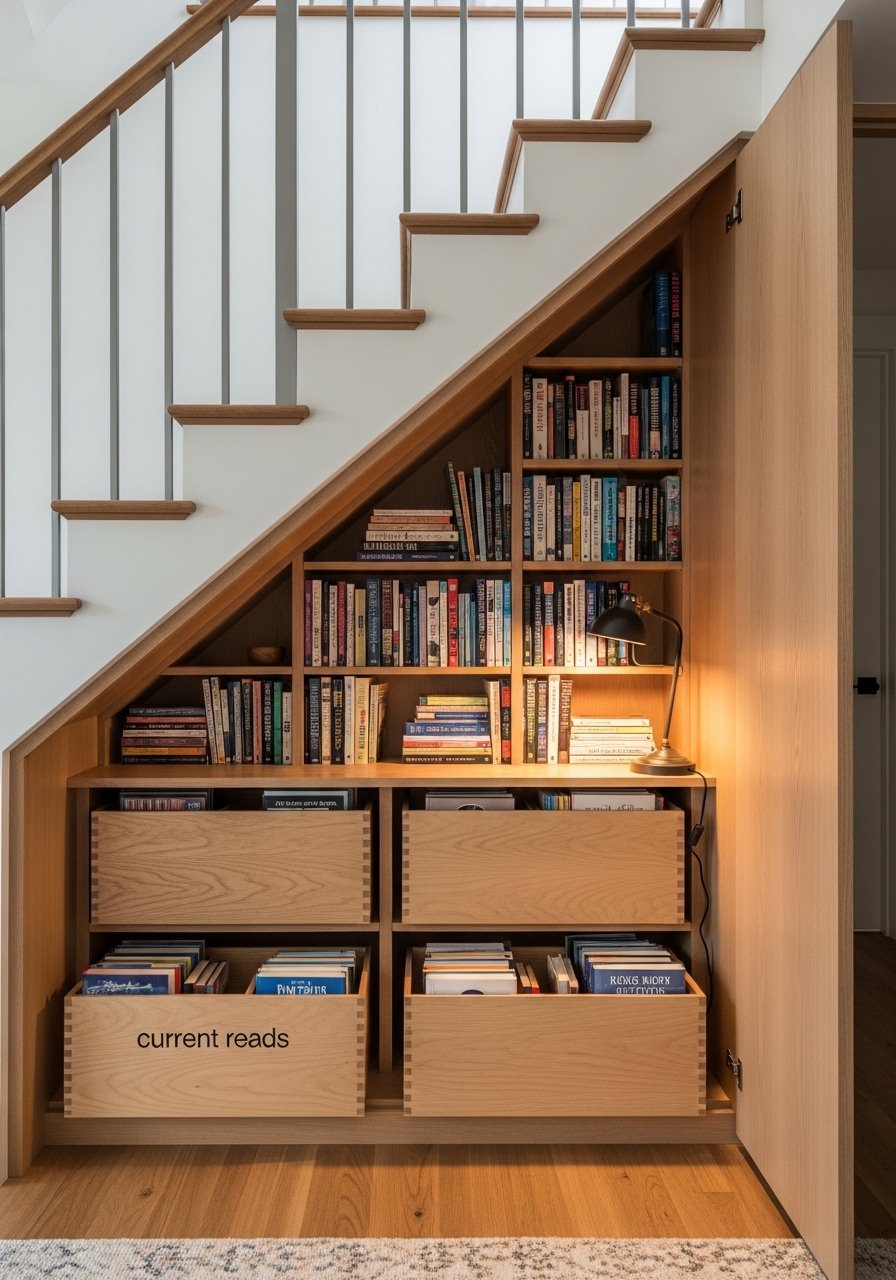
Under-stair spaces can look messy fast. I rebuilt one into shallow 8 to 10 inch shelves and added pull-out bins for overflow. The secret is a 70/30 split of display to closed storage. Use wooden pull-out bins for toys and children books so the visible shelves stay tidy. Most builds go too deep which kills circulation in tight halls. Measure the stair riser height and leave 12 inches clearance at the front edge so doors and bins move freely. If you have pets, pick wipeable finishes and test a scrub spot first to make sure the paint or stain handles cleaning.
Multi-Use Ottoman With Hidden Storage for Stacked Books
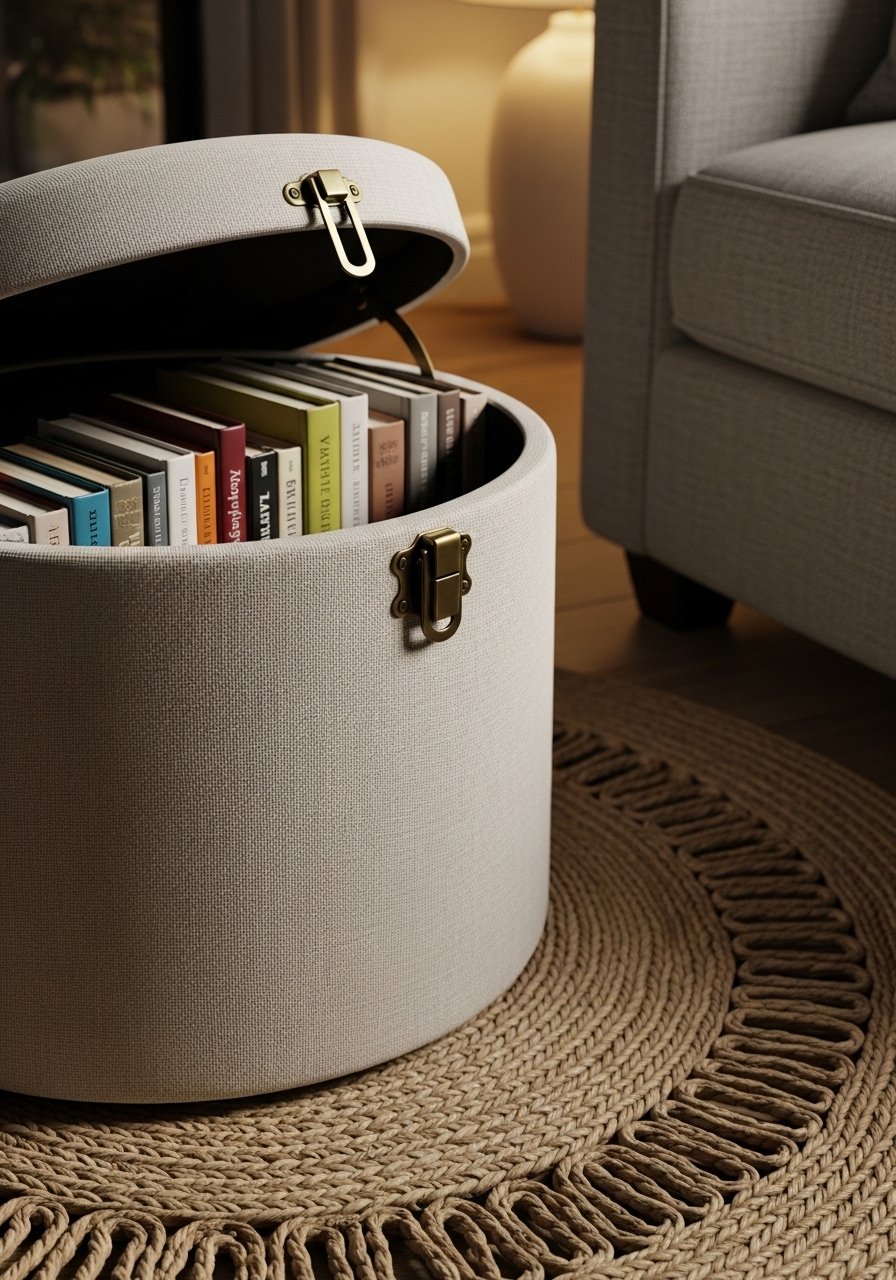
I used a round ottoman to double as a mini library and extra seating. Pick a 20 to 24 inch diameter ottoman with a lift-up lid so you can keep current reads out of sight when guests arrive. My pick was round storage ottoman in cream which holds paperbacks and a small throw. People often put fragile decor on ottomans which gets knocked over. Keep surfaces light and flat and use a tray when you need a place for a cup. This works great in small living rooms and studio apartments because it clears visual clutter and creates a livable stack of books.
Wall-Mounted Fold-Down Desk and Book Storage for Studios
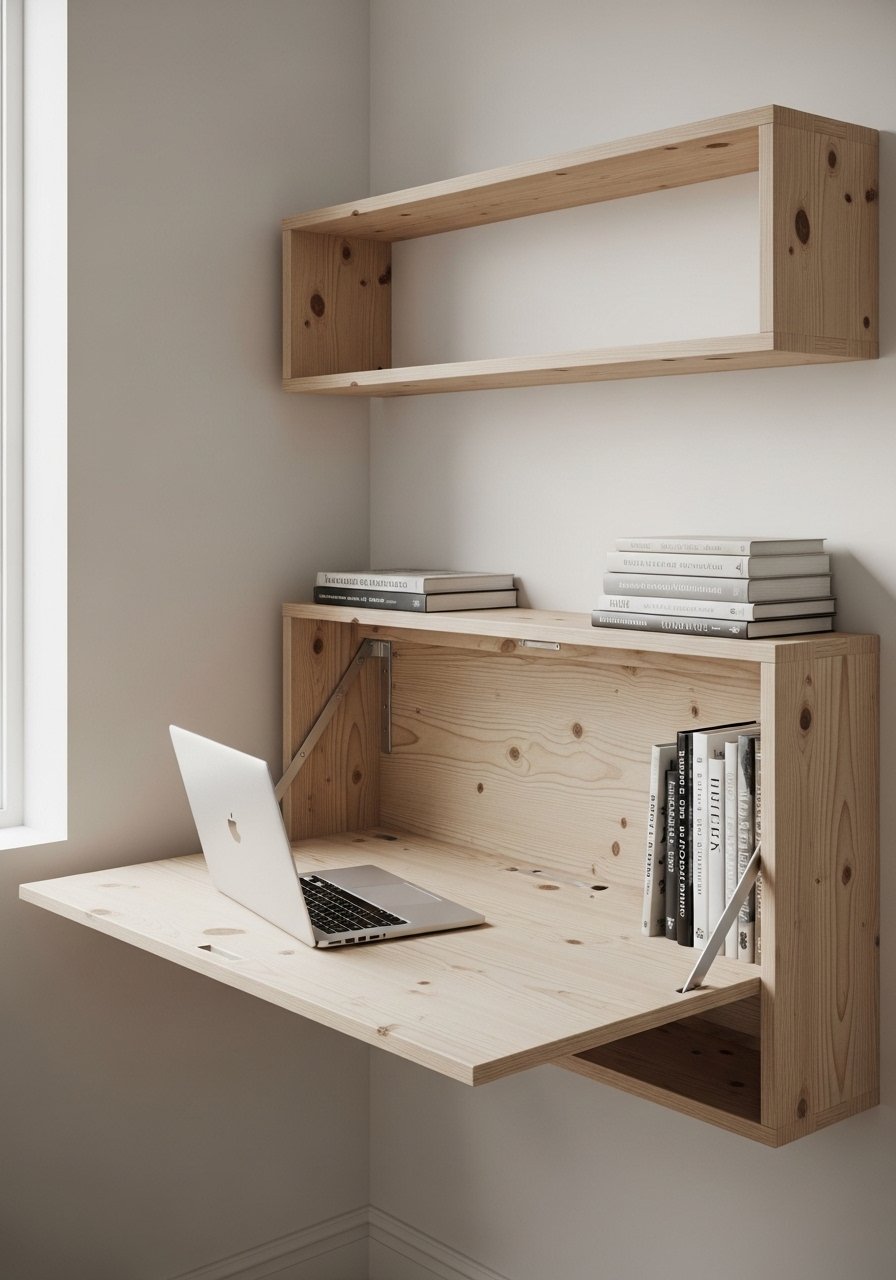
In a studio every inch counts. A 30-inch wide fold-down desk gives you workspace and the upward face becomes a slim shelf rack for paperbacks. I installed fold-down wall desk in natural pine and mounted two 8-inch deep shelves 14 inches above the desk when closed. A common mistake is mounting shelves too low which blocks the folded surface. For renters, use French cleats so the unit comes down as one piece if you move. Pair this with the Slim Ladder Shelves in an entry for a consistent look.
Corner Floor-to-Ceiling Shelves to Maximize Height
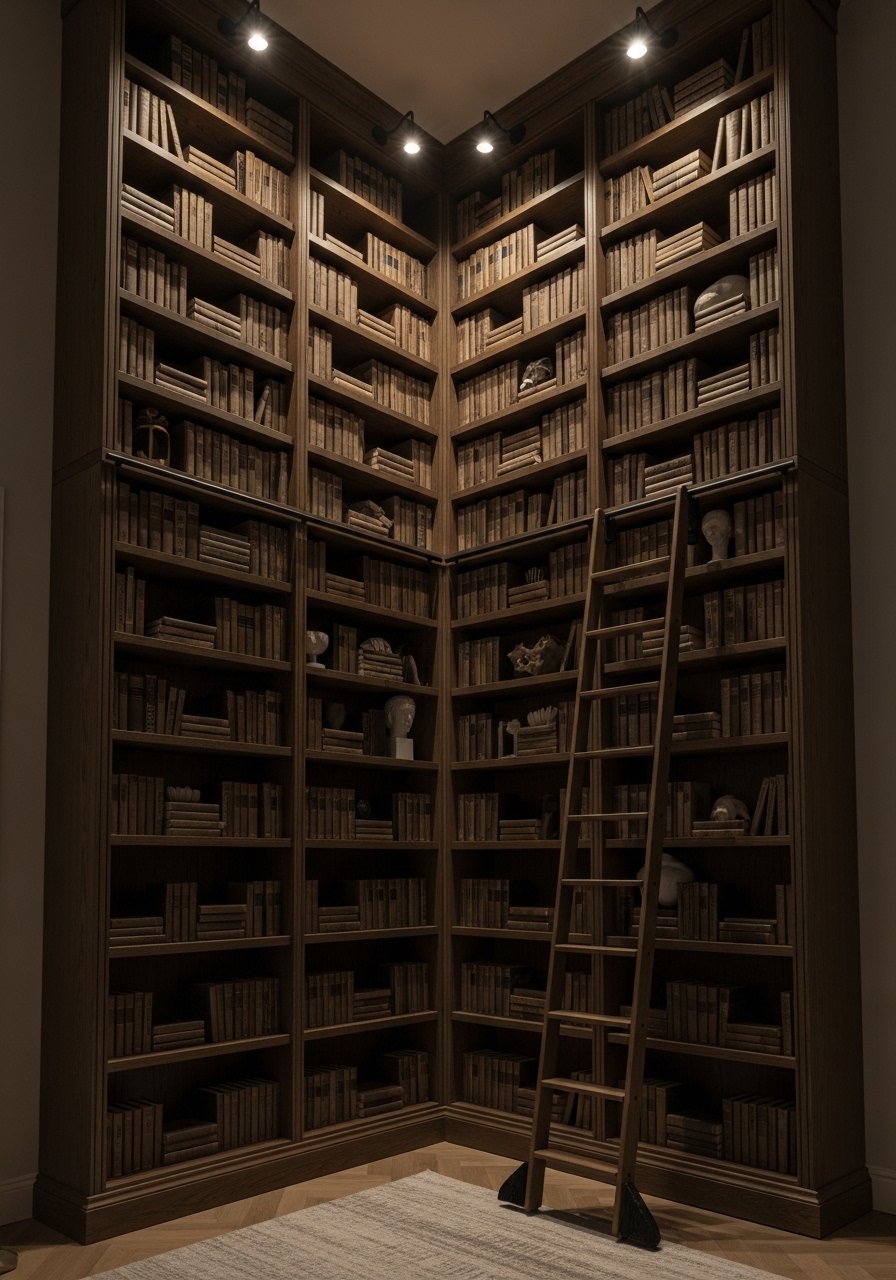
There is huge visual payoff when you run shelves to the ceiling in a small room. If you have 8 to 9 foot ceilings, stack four 12-inch tall shelf bays and keep the top bay for decorative boxes. I used corner floor-to-ceiling shelving kit and filled the highest shelf with low-contrast baskets so the eye slides up. Avoid filling the top shelf with tiny random items. Group items in threes or pairs and keep scale consistent. If your wall paint is slightly off from your wood tones, remember that wet samples lie. Dry a test patch 24 hours before committing.
Vertical Bookcase With Integrated Lighting for Ambience
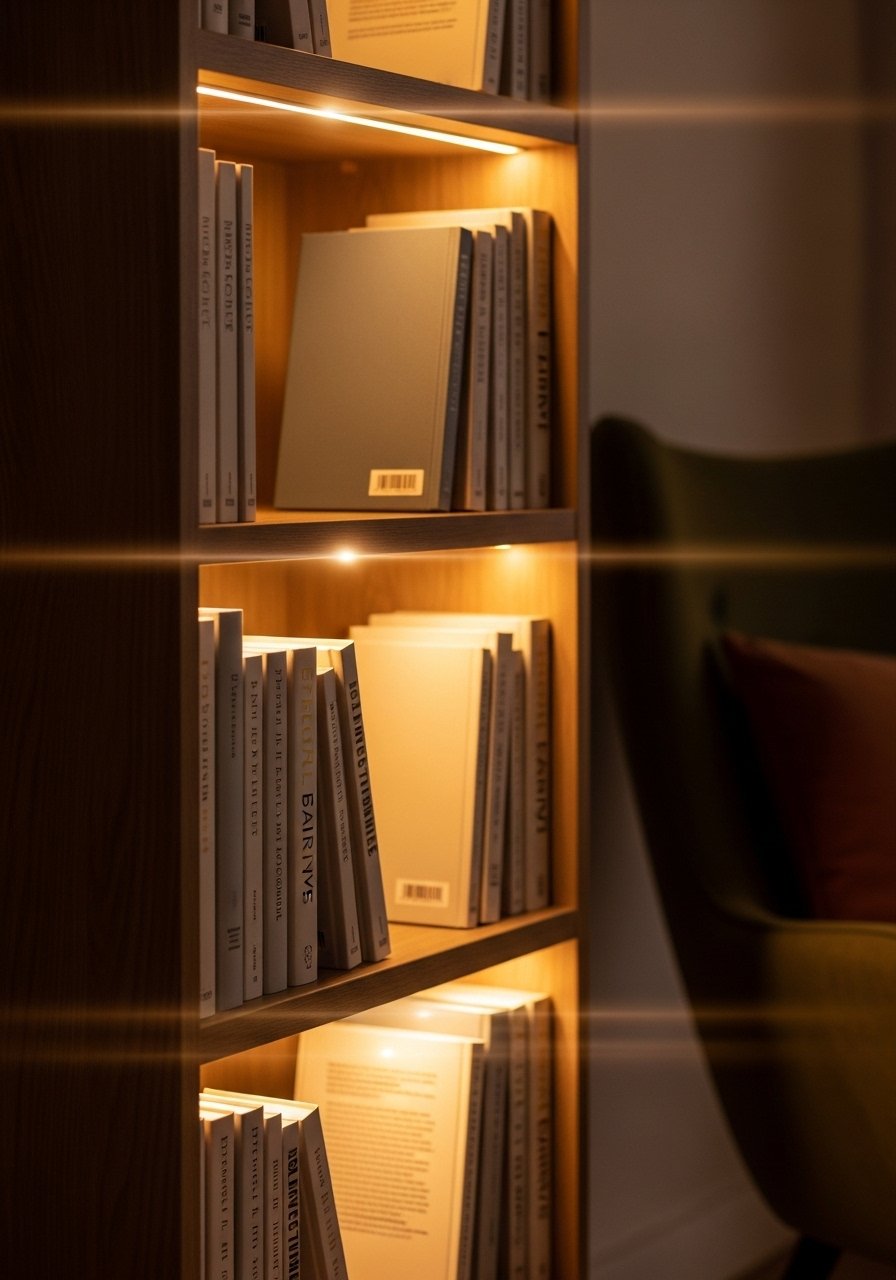
Lighting makes or breaks a small neutral library. I retrofitted LED strips under each shelf and everything feels intentional. Choose warm 2700K or 3000K strips so pages read natural under task light. I installed warm LED cabinet light strips and used adhesive channels to hide wiring. A common mistake is using one overhead fixture alone. One bulb swap changes your match by a third. If you are testing paint near shelves remember Scanners get you 90% there, eye does the rest. Integrated lighting is perfect for bedrooms and reading corners where you want a soft pool of light.
Neutral Rolling Cart for a Flexible Mini Library
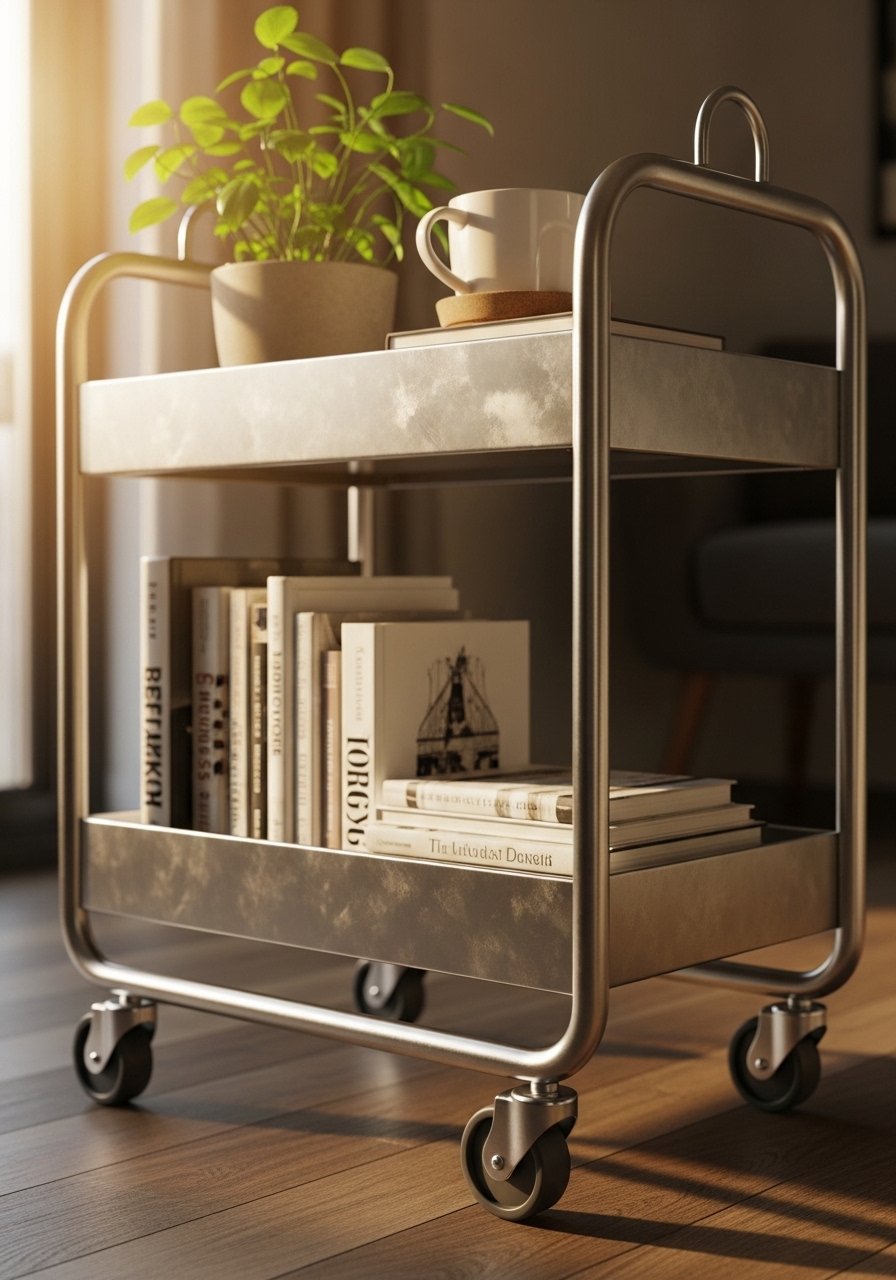
A rolling cart is the easiest way to move your library where you need it. I keep mine by the sofa and roll it to the bed or balcony when the mood hits. Choose 12 to 14 inch deep tiers so tall books fit without tipping. My cart was three-tier neutral rolling cart. People pile too many items on the top shelf which makes the cart unstable. Keep the heaviest books on the bottom shelf and decorative items on top. This is a great renter-friendly option because there is zero drilling and you can test different layouts before committing to a built-in.
Built-In Bench With Bookshelves for Cottage Style Entry
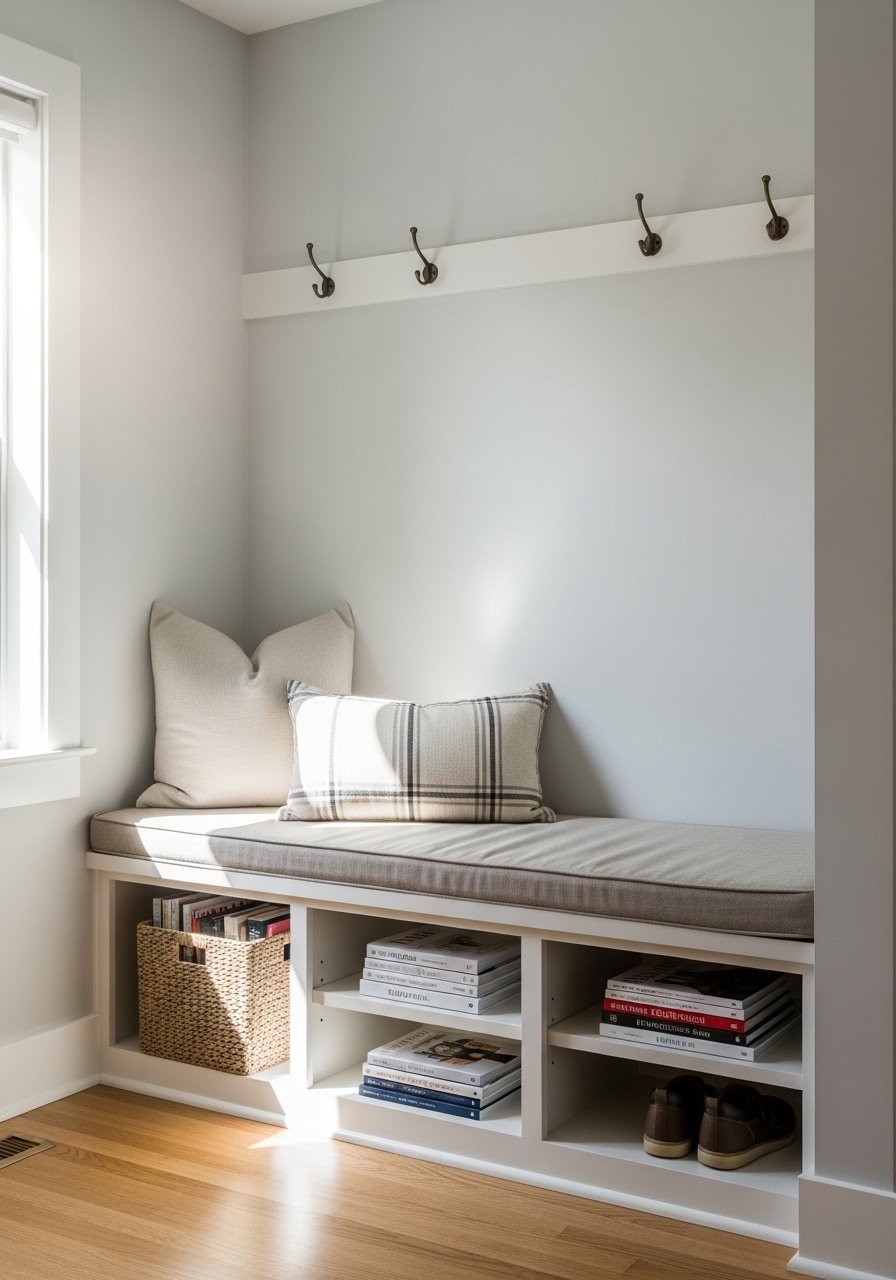
An entry bench with cubby bookshelves gives a homey first impression. I used a 42-inch deep seat and three 10-inch high cubbies below for books and bags. The 42-inch bench cushion in natural linen ties the palette together. A common error is making cubbies too shallow to be useful. Aim for at least 10 inches height and 12 inches depth so paperbacks, magazines, and a small basket fit. If you have pets, pick a stain-resistant cushion cover and keep pet-accessible books on high shelves.
Round Minimal Reading Pod With Pocket Shelves for Small Bedrooms
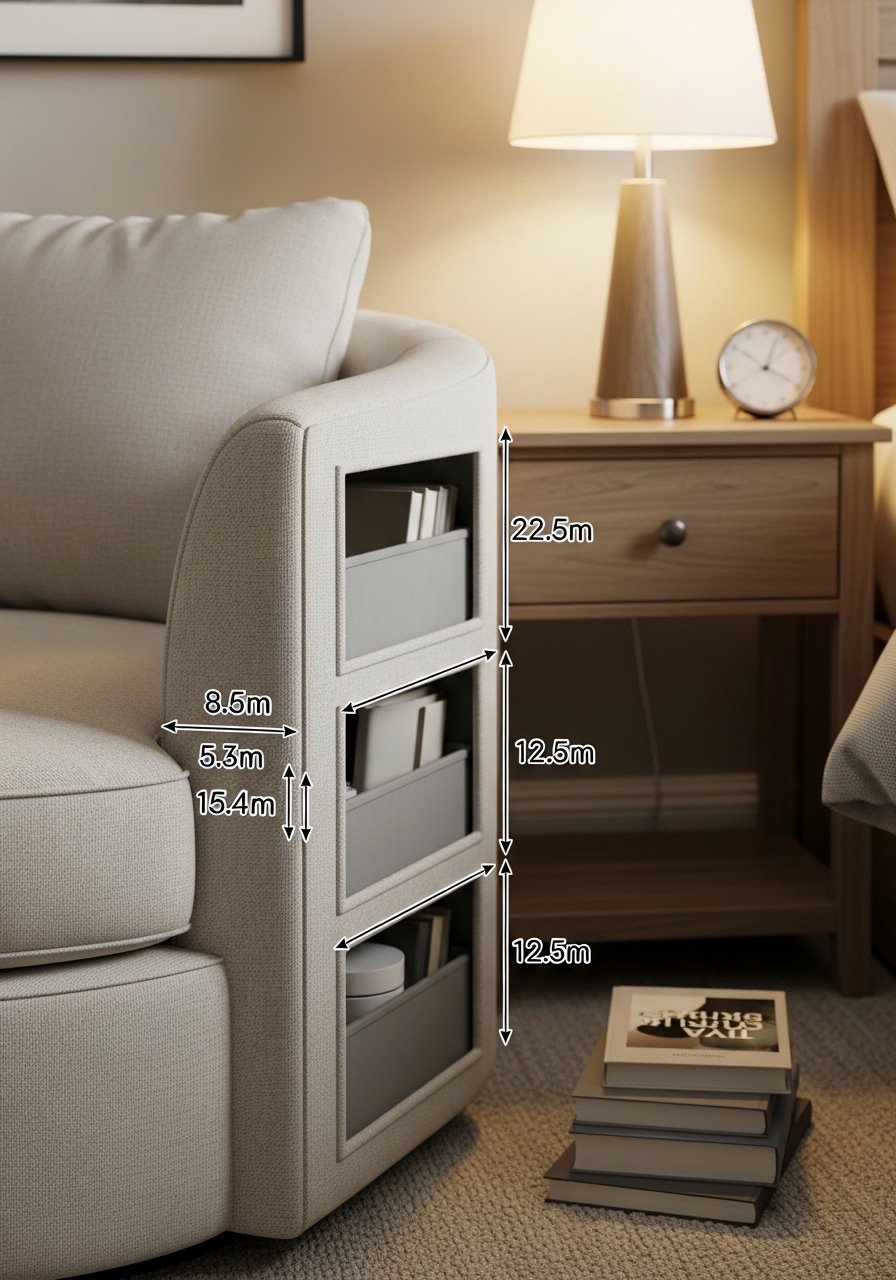
There is something about a dedicated chair with built-in pockets that makes reading feel like a ritual. I swapped a bulky armchair for a round pod with 6-inch deep side pockets for holding 2 to 3 books. My pick was round reading pod chair with pockets. The trick is to test the arm height against your lap height before buying. Cheap pods skimp on cushion density which flattens fast. If you have small rooms, this pod replaces a nightstand and keeps the footprint tight while giving you an actual place to sit and read.
Your Decor Shopping List
Textiles
- Honestly the best $35 I have spent. 48-inch bench cushion in oatmeal linen, fits window seats and benches
- 20-inch down-filled linen pillow covers set of 2 in natural and soft gray, swap for seasonal color
Shelving
- White oak floating shelves 24-inch, three-pack for staggered layouts
- Corner floor-to-ceiling shelving kit in light oak for vertical storage
Lighting
- Warm LED cabinet light strips 6-foot, adhesive channels included
- Adjustable warm floor lamp for reading nooks
Budget Finds
- Three-tier neutral rolling cart (~$45)
- Wooden pull-out bins set of 2 for under-stair storage
Extras
- Round storage ottoman 22-inch cream for hidden books
- Fold-down wall desk natural pine 30-inch for studio corners
Most of these items have similar finds at Target and HomeGoods if you prefer to touch before you buy.
Shopping Tips
White oak beats dark wood in 2026. Design feeds have shifted completely. These white oak floating shelves look current, not dated.
Grab 20-inch down-filled linen pillow covers for $25. Swap them seasonally and the whole nook feels different.
Curtain hardware should be mounted 4 to 6 inches above the frame, not at the window trim. These 96-inch linen panels are right for 9-foot ceilings.
If you rent, test layouts with cardboard templates taped to the wall before drilling. For peelable temporary shelves try heavy-duty removable wall strips.
Frequently Asked Questions
Q: How deep should shelves be for paperbacks and hardbacks
A: For paperbacks aim for 10 to 12 inches deep. For hardbacks go 12 to 14 inches. If you only have narrow walls keep shelves at 10 inches and stagger two shelves for wider books. Shelves too deep eat visual space in a small room.
Q: Can I mix metal finishes in a neutral library
A: Yes, mix them. A brass picture ledge looks warm next to matte black shelf brackets. Keep one finish dominant and another as an accent so it reads intentional. Mixed metal picture frames are an easy way to start.
Q: Will neutral colors make a tiny library feel boring
A: Not if you vary texture and scale. Linen, wool, wood grain, and woven baskets give neutral palettes depth. Try a chunky knit throw and layered 22-inch pillows to avoid flatness.
Q: What lighting temperature should I use for reading
A: Stick with 2700K to 3000K for warm task light. Test bulbs in the room since One bulb swap changes your match by a third. Use task lighting plus shelf LEDs for an even glow.
Q: Can I do a small library in a rental
A: Absolutely. Use floating shelves that anchor into studs or heavy-duty removable strips if you cannot drill. Rolling carts and storage ottomans are perfect renter-friendly solutions.
Q: How do I keep books from looking cluttered on shallow shelves
A: Edit more than you think. Leave 30 percent of each shelf empty. Stack vertically and horizontally in groups of three and use low baskets for random items. This makes a small shelf look curated and usable.