

My living room had nice furniture and decent lighting but it still felt like a waiting room. Took me embarrassingly long to figure out it was missing texture. Every surface was smooth, every color was flat, and nothing invited you to actually sit down. After that, I started treating exteriors the same way, adding small tactile details and testing colors at home before committing.
These ideas lean cottage-meets-modern and run mostly budget friendly. Most items are under $100, with a couple around $150 for hardware. They work for full facades, porches, and small exterior accents like shutters or garage doors.
Soft Pastel Facade With White Trim For Gentle Curb Appeal
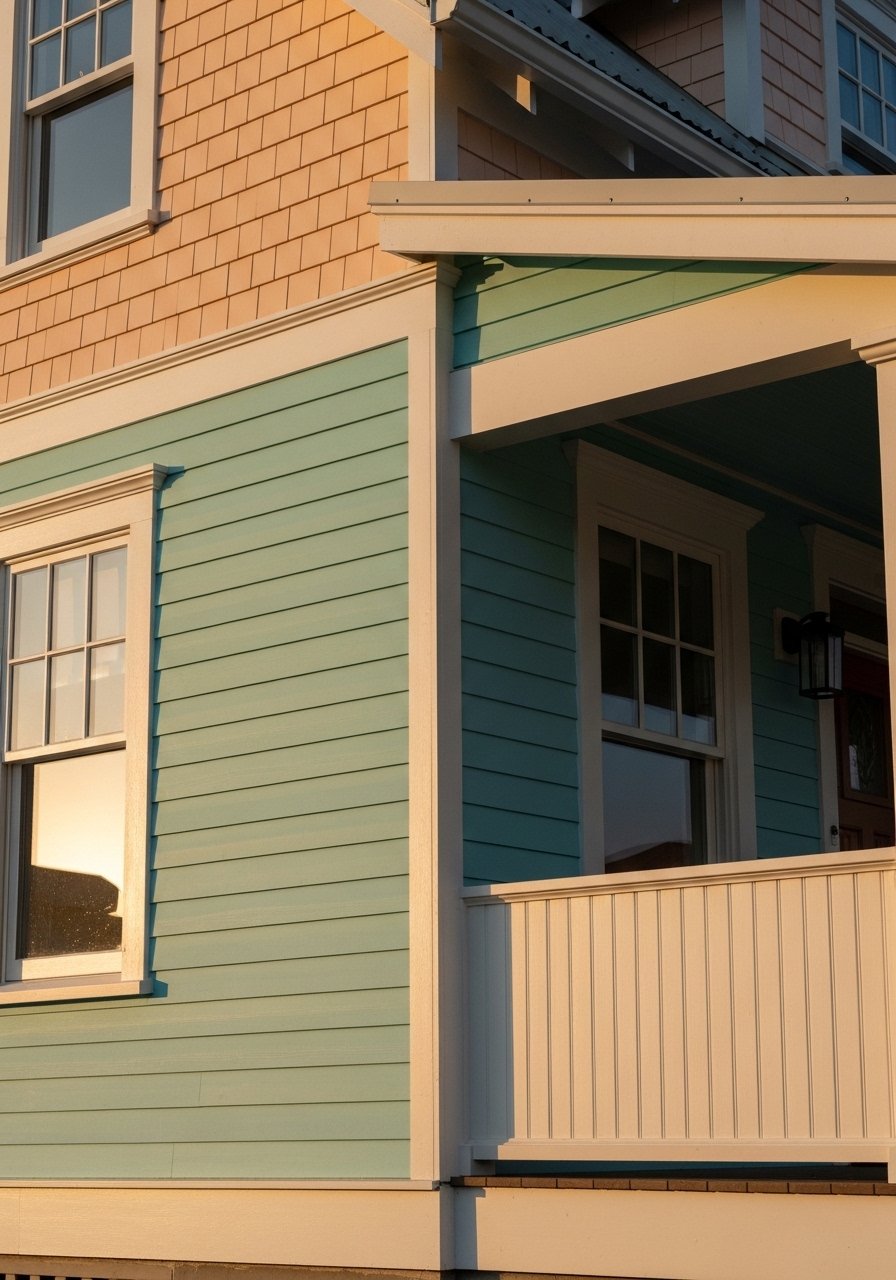
A simple pastel siding color with bright white trim stops a house from looking washed out. The trick is picking the right base at the paint counter. Use a light base, Base 1 for high LRV pastels so the hue stays luminous on large walls. I always test three 6-inch-wide sample swatches across the facade, checking them at dawn, noon, and under porch lamps. Most matches flop on the first wall test from bad lights. A common mistake is skipping the white trim sample. If your trim is even slightly warm, the pastel will read muddier. For tools, I keep a compact spectrophotometer-style color meter on hand when I need a closer starting point, and this colorimeter spectrophotometer tool saved me hours at the paint desk.
Pale Peach Entry With Wood Door For Inviting Warmth
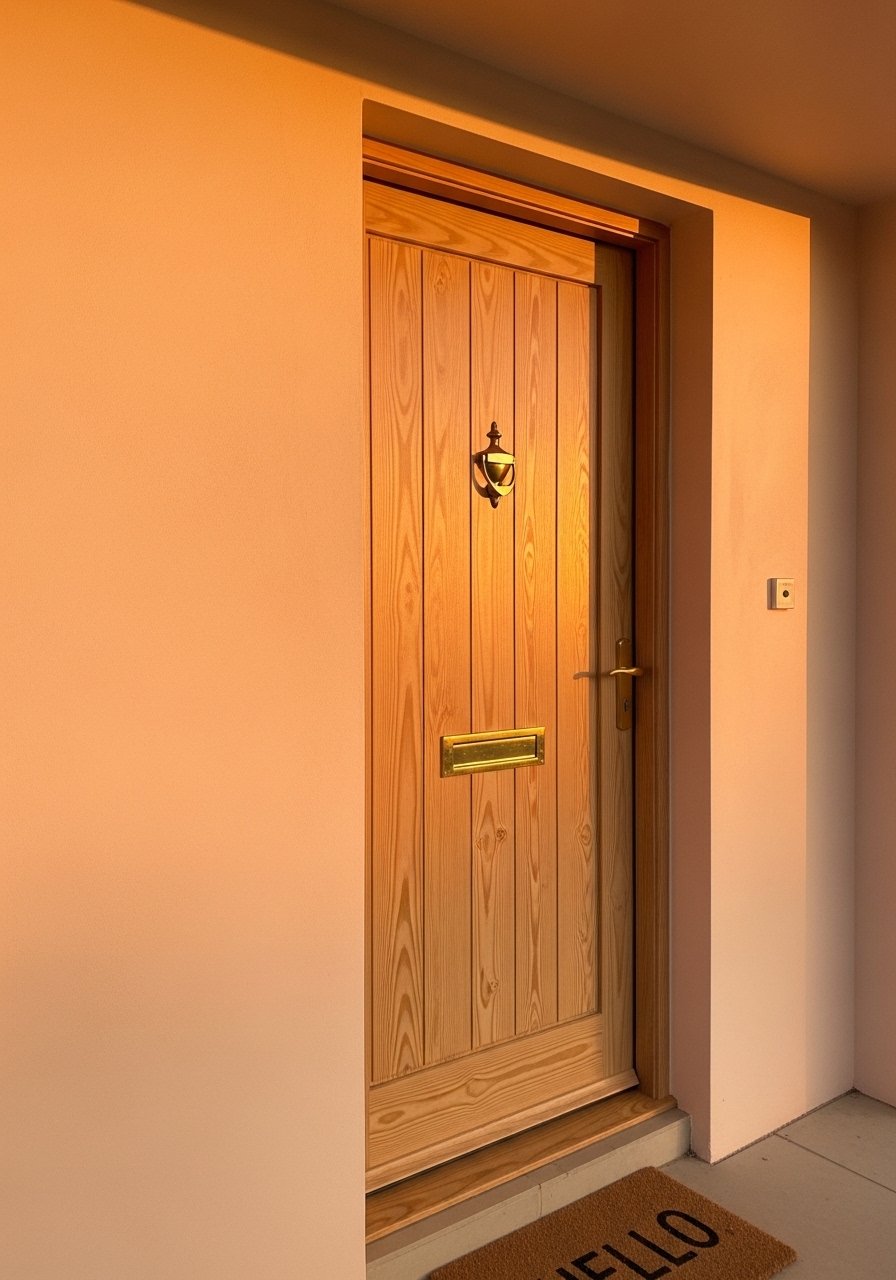
I painted my entry alcove a soft peach once and guests asked if the sun had shifted. Warm pastels read differently next to wood, so pick a door stain that has at least two tones lighter or darker than the paint. A mistake I see often is matching paint to a photo taken under store fluorescents. Try a peel-and-stick sample or a quart in a hidden spot first. For hardware, a small brass knocker looks intentional and ties into house numbers. I used a 3.5-inch knocker and found that proportion matters. If your door is narrow, go 2.75 inches. For an easy update, try this brass door knocker and check the backplate measurements before buying.
Mint Garage Door Pop For Modern Cottage Style
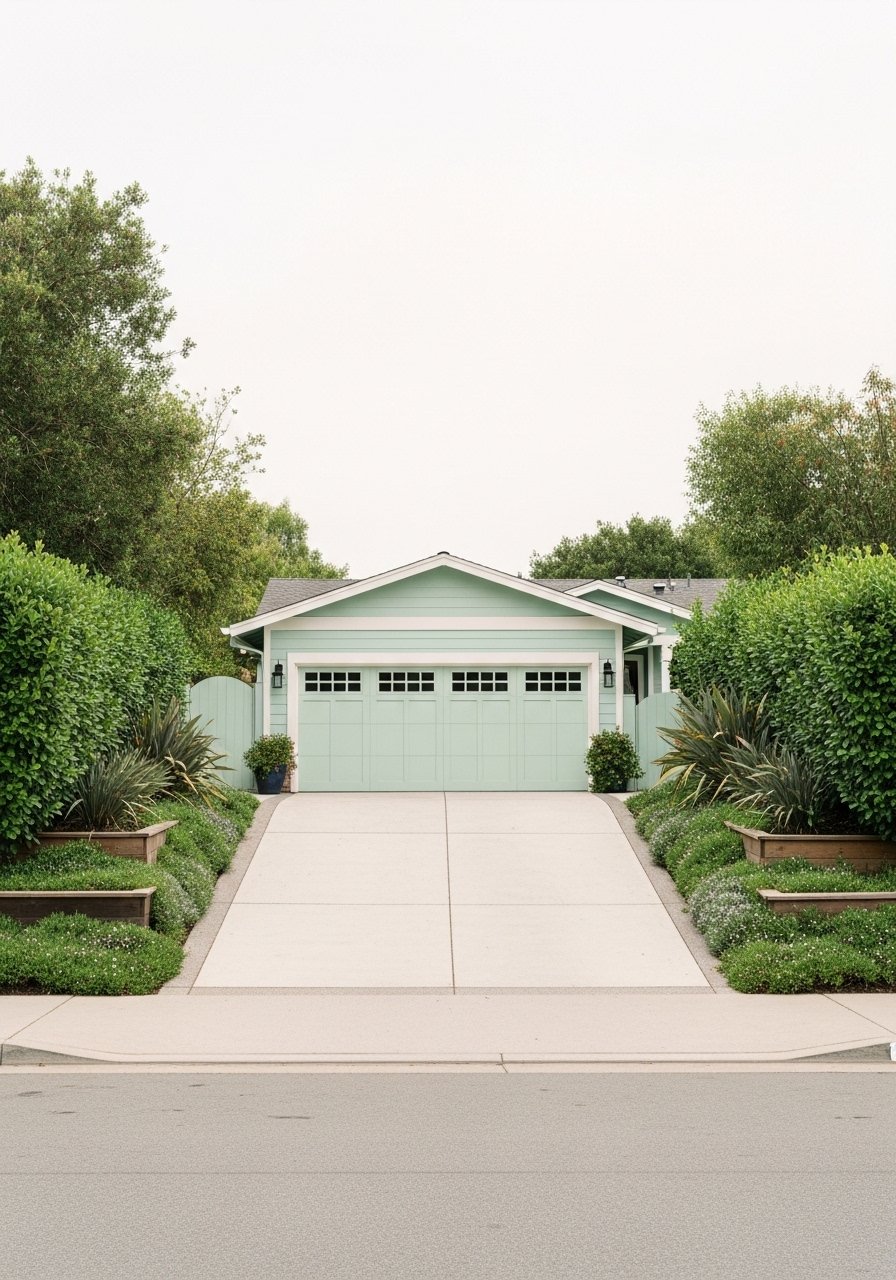
A mint garage door gives a cottage a modern wink without overdoing the color. The paint base matters because garage doors are often metal and reflect light differently. Use a sample on the actual door surface or a spare panel to see how sheen changes the tone. One mistake is using interior samples on exterior surfaces. I recommend a durable exterior acrylic matched on Base 2 for mid-tones. Hardware updates like a new handle or carriage-style hinges in oil-rubbed bronze bring the look together. I picked an exterior-rated handle and replaced the screws with stainless steel of the same length. For a quick hardware swap try this outdoor door handle set, and be sure to measure hole spacing before ordering.
Lavender Shutters For Vintage Cottage Charm
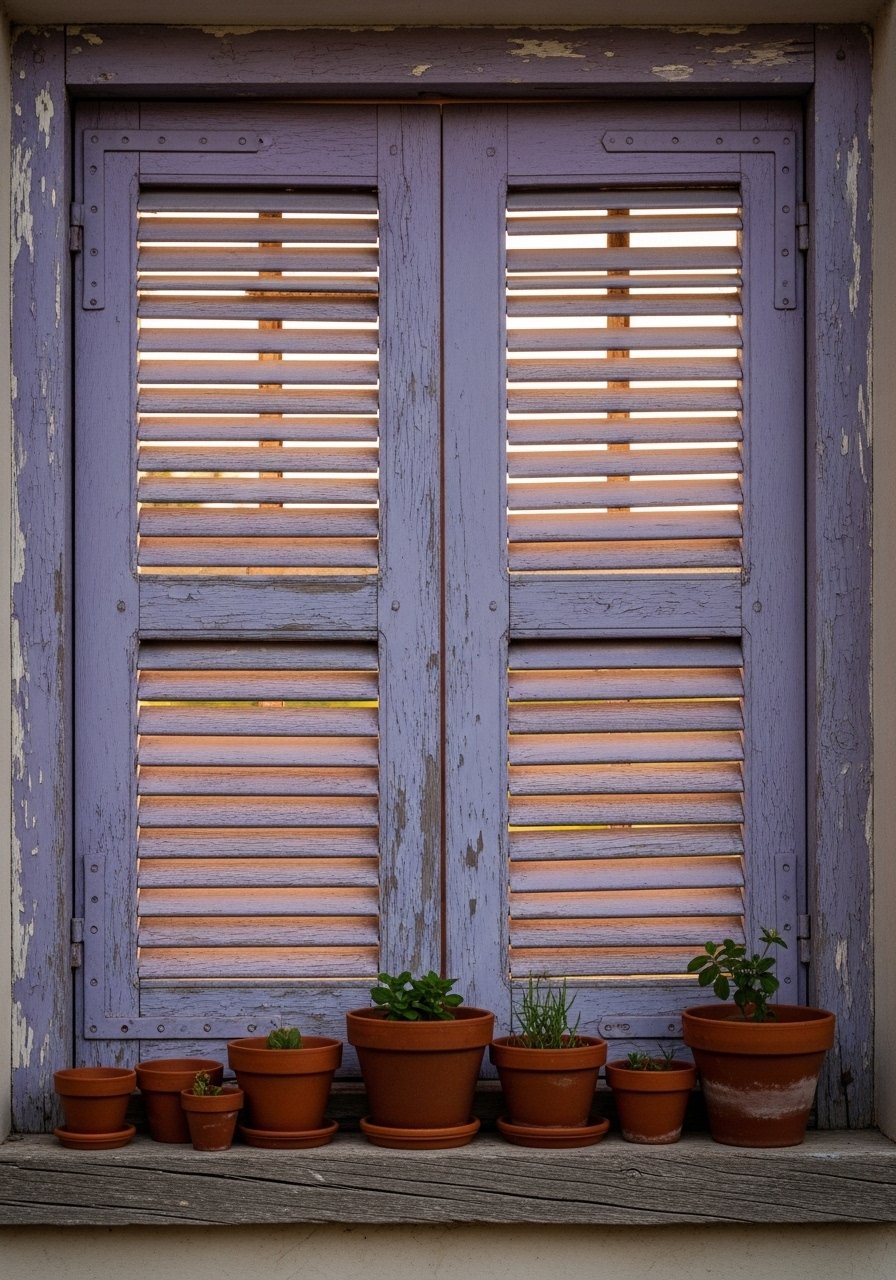
Adding lavender shutters is one of those small moves that changes a whole elevation. Shutters that are too small look like afterthoughts. A good rule is shutters should be roughly half the width of the window when closed. I had cheap shutters once and they shrank visually against clapboard siding. Upgrading to 18-inch solid panels made the house look balanced. Avoid matching the shutter paint exactly to trim, and pick a shade one step deeper than your siding for contrast. If you are renting, use removable shutter hardware or lightweight faux shutters. For inexpensive options this decorative shutter pair fit my 30-inch window and came with adjustable mounting brackets.
Powder Blue Trim With Stone Base For Transitional Balance

I balanced soft color and hard materials by pairing powder blue trim with a stone base. The stone anchors the palette so the pastel does not feel toy-like. People forget that texture changes perceived color. Rough stone will absorb light and make a pastel read darker. When I did this, I increased the trim LRV by about 5 points so the contrast stayed gentle. A practical mistake is picking a flat finish where you need wipeability. Use a semi-gloss on trim for durability and easy cleaning. For path lighting I like low-profile wall sconces that do not compete with color. These outdoor wall lights give warm illumination and keep the stone visible.
Blush Balconies With Planter Boxes For Soft Texture

A blush-painted balcony railing reads feminine without being saccharine when paired with natural planters. I learned to size planters at one-third the rail height. My first set was too small and looked like accents instead of anchors. Trailing plants like ivy or string-of-pearls soften edges and add movement. A common error is overloading color with matching cushions. Instead, keep textile tones neutral and bring in one accent pillow to match the blush. For planters, go with durable cedar boxes around 24 inches for proportion and rot resistance. I bought cedar boxes and lined them with a breathable fabric. These 24-inch cedar planter boxes were lightweight and held up through two seasons.
Soft Grey-Pastel Combo With Tall House Numbers For Minimalist Façade
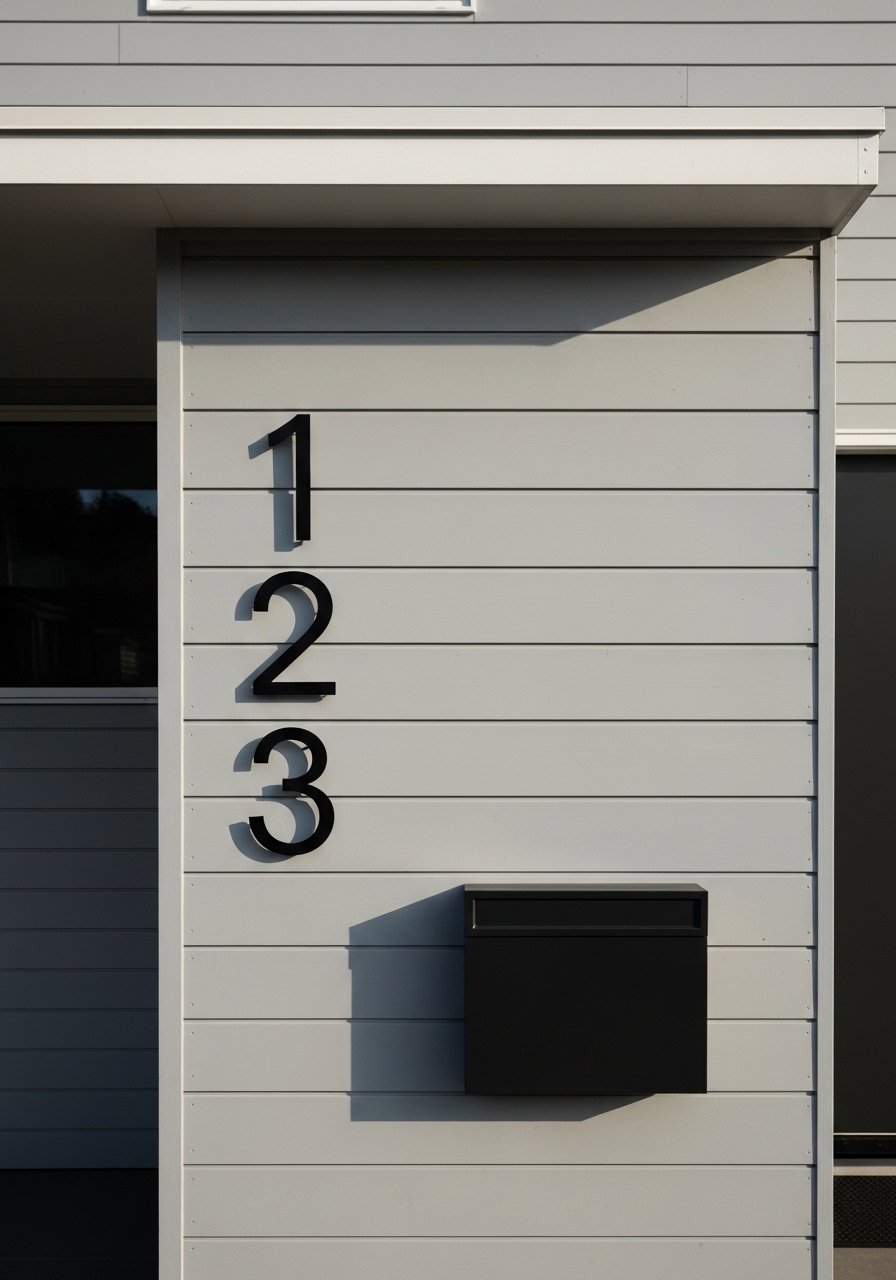
I swapped tiny numbers for tall vertical house numbers and the entry suddenly read intentional. Pastel walls with matte black numbers create a calm modern contrast. Keep numbers at least six inches tall so they are legible from the street. People often pick nickel finishes that disappear against light paint. Matte black or oil-rubbed bronze reads better. If your siding has texture, mount a plain backer board painted to match the pastel before attaching numbers. That small step prevents shadows from making digits unreadable. For a straightforward update try these modern house numbers and measure from the center of your door to place them visually.
Pastel Ombre Siding For Coastal Vibe With Practical Steps
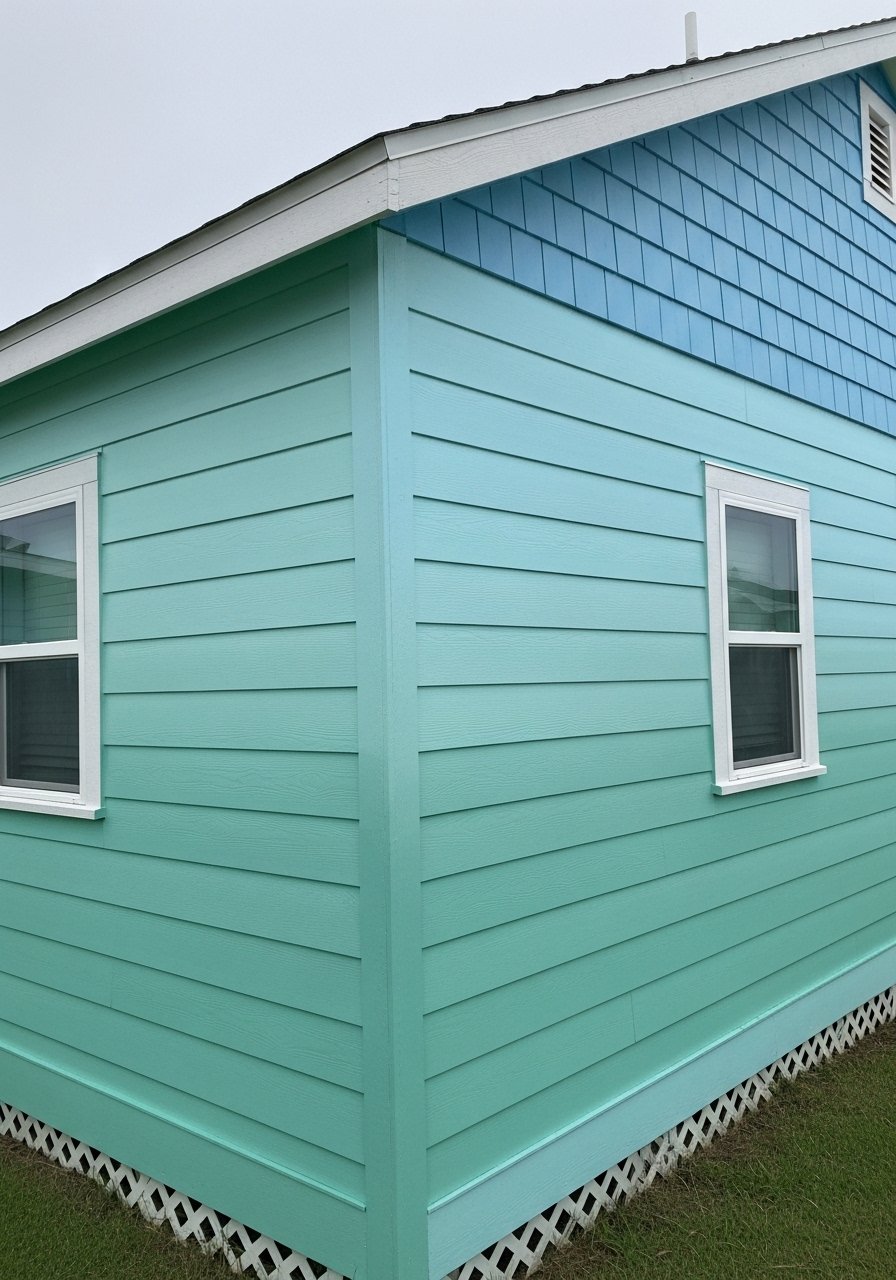
I tried an ombre siding once on a small gable and it felt like a seaside postcard. Ombre works best on one elevation only. If you do the whole house, keep the shift subtle, about 10 LRV points between bands so the transition reads smooth from a distance. A mistake is using random samples for each band. Bring full-size swatches and ask the tint counter for a formula handover so the same base is used across tones. For renters try temporary peel-and-stick color strips on a spare board to preview the effect. If you want to DIY, a small sample kit helps and this exterior paint sample set includes multiple small pots for testing across light conditions.
Pastel Porch Pillows And Outdoor Rug For Relaxed Entry Comfort
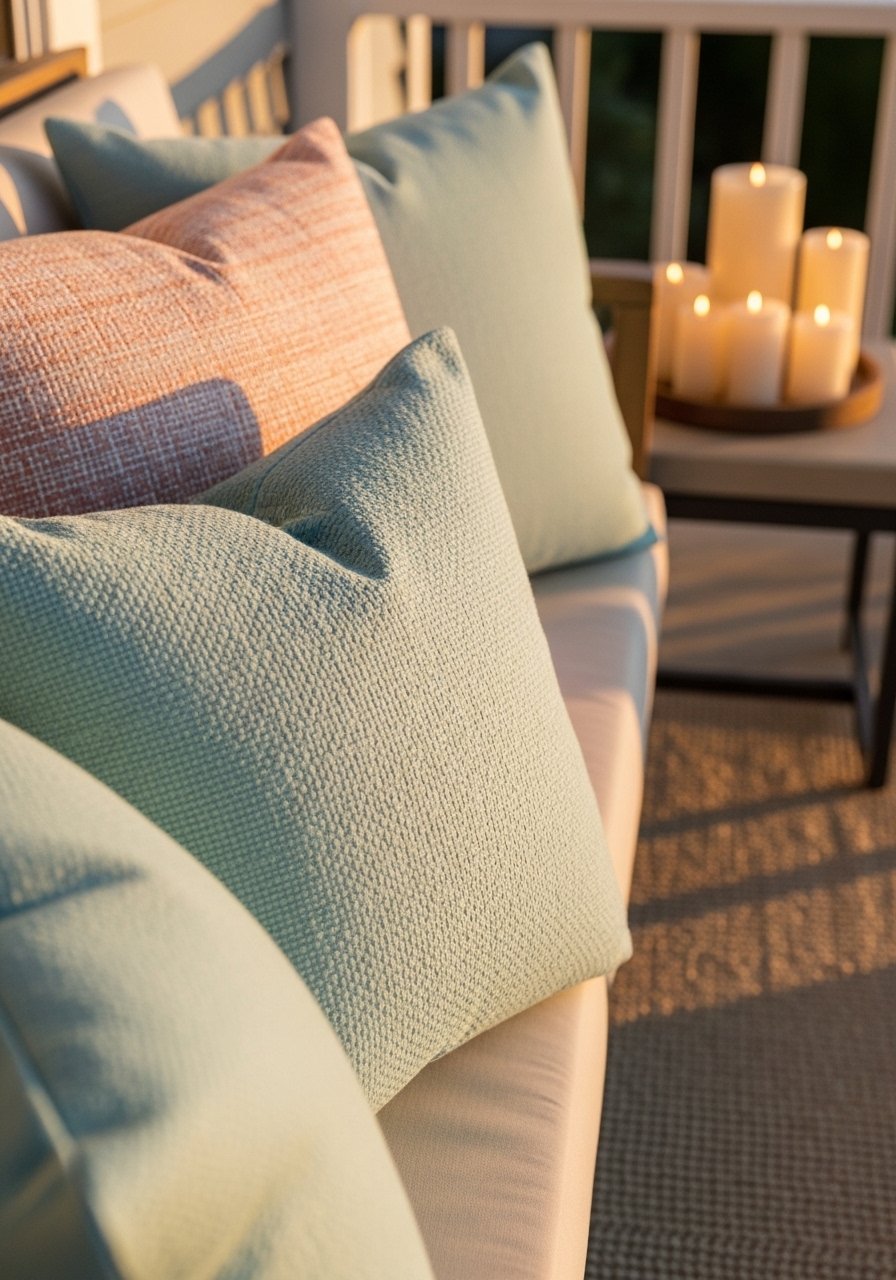
Porch textiles are the easiest way to soften an exterior. I swapped heavy indoor pillows for outdoor-rated 22-inch pillows and an inexpensive 5×8 rug and the porch felt like a room. A common mistake is buying tiny pillows that get lost on seating. Go big and mix two solids with one patterned piece. Outdoor fabrics read cooler in the sun so choose one shade deeper than your wall sample. For maintenance pick quick-dry, UV-resistant fabrics and a rug with a 1-inch pile or flatweave for easy sweeping. I like rotating cushions seasonally. These outdoor throw pillows and this 5×8 outdoor rug are budget friendly and weather tough.
Your Decor Shopping List
Textiles
- Honestly the best $40 I have spent. Outdoor throw pillows, 22-inch, set of 2 in two complementary colors
- Chunky knit cream throw, 50×60 inches (~$35). Drape over porch bench
Wall Decor & Numbers
- Modern house numbers, matte black, set of 3, 6 inches and up
- Brass door knocker, 3.5-inch (~$30) for a warm entry accent
Planters & Greenery
- 24-inch cedar planter box (~$45) for balcony anchors
- Faux fiddle leaf fig, 6-foot where real plants will not survive
Hardware & Lighting
- Outdoor door handle set, stainless steel check hole spacing
- Outdoor wall light fixture, low profile (~$60) for stone bases
Budget Finds
- Decorative shutter pair, adjustable brackets (~$25) for renters or small windows
- Exterior paint sample set, multipack for trying bands and bases
Similar at Target or HomeGoods for pillows and rugs. For paint samples, your local paint counter will give the closest match but bring these swatches for scale.
Shopping Tips
White oak beats dark wood in 2026. Design feeds have shifted completely. These white oak floating shelves look current, not dated.
Grab outdoor throw pillows, 22-inch for $20 each. Swap them every season and the whole porch feels different.
Curtains and textiles should either kiss the floor or puddle slightly, never hang halfway up. These 96-inch linen curtain panels are right for standard 9-foot ceilings and keep proportions right.
Everyone buys five small succulents. One single 6-foot fiddle leaf fig has ten times the visual impact.
If you are matching paint, bring the actual material. Scan a fabric or tile edge at the store and then check at home under your bulbs. Machines nail 4 out of 5 matches right off. For renter-friendly tests pick peel-and-stick samples or 8×10 painted boards.
Frequently Asked Questions
Q: How do I make a pastel look crisp and not faded?
A: Pick a clean white trim and use a light base on the pastel. Test a 6-inch swatch on the actual surface and look at it at three times of day. If the pastel still looks muddy, try a tint one step lighter or increase the trim contrast.
Q: Can I mix metals on exterior hardware?
A: Yes, mixing matte black numbers with brass accents can look curated. Keep one metal dominant and sprinkle another as an accent to avoid visual clutter.
Q: What if my LED lights shift pastel colors?
A: Test colors under your actual bulbs before buying. Swap a bulb or test with a sample pot. Most matches flop on the first wall test from bad lights. If LEDs are the issue, choose warmer temperature bulbs for warmer pastels.
Q: Are faux plants okay for a small porch?
A: Both real and faux work. For tight spots, a single tall faux like a fiddle leaf fig gives scale without maintenance. Use a weighted pot if wind is a concern.
Q: How do I know which paint base to pick?
A: Pick Base 1 for light pastels and Base 4 for deep jewel tones. If you skip the right base your color can go muddy or too bright. Bring a sample swatch and ask the counter for the base that matches that depth.
Q: Any renter hacks for trying these looks?
A: Yes, use peel-and-stick sample strips, paint-on removable boards, or small sample pots on a scrap of plywood. Folks usually grab the cheaper brand match to save a few bucks. Try small tests before full commitment.