
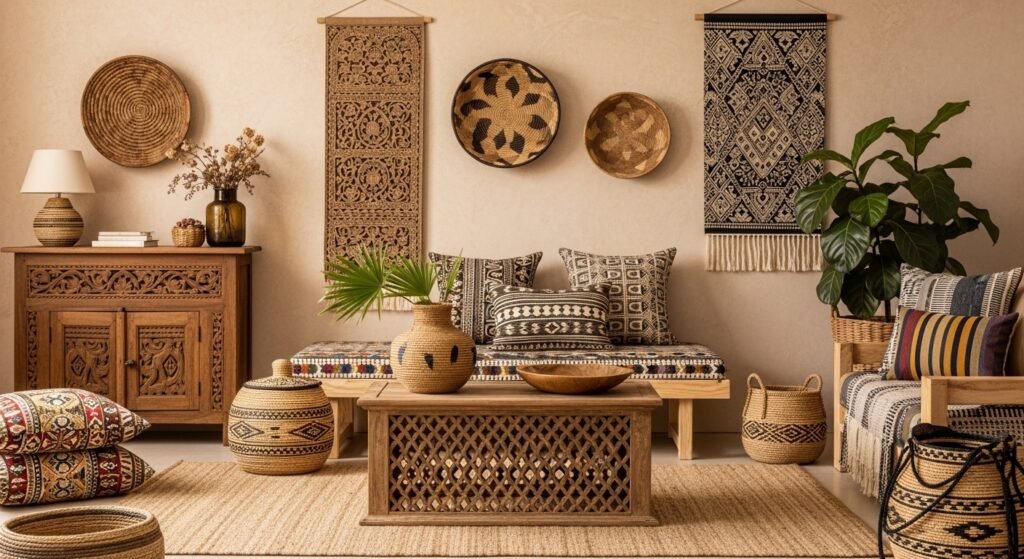
My living room had nice furniture and decent lighting but it still felt like a waiting room. Took me embarrassingly long to realize everything was the same height and every surface was smooth. Once I started collecting thrifted pieces with different textures and a few bold African prints, the room finally felt like it had been lived in for years.
These ideas lean Afro chic with earthy tones, layered textiles, and warm wood accents. Most items are under $75 and a few splurges sit around $100 to $150. They work for living rooms, bedrooms, entryways, or any small rental that needs a more collected look.
Layered Textiles with One Bold African Print for Living Rooms
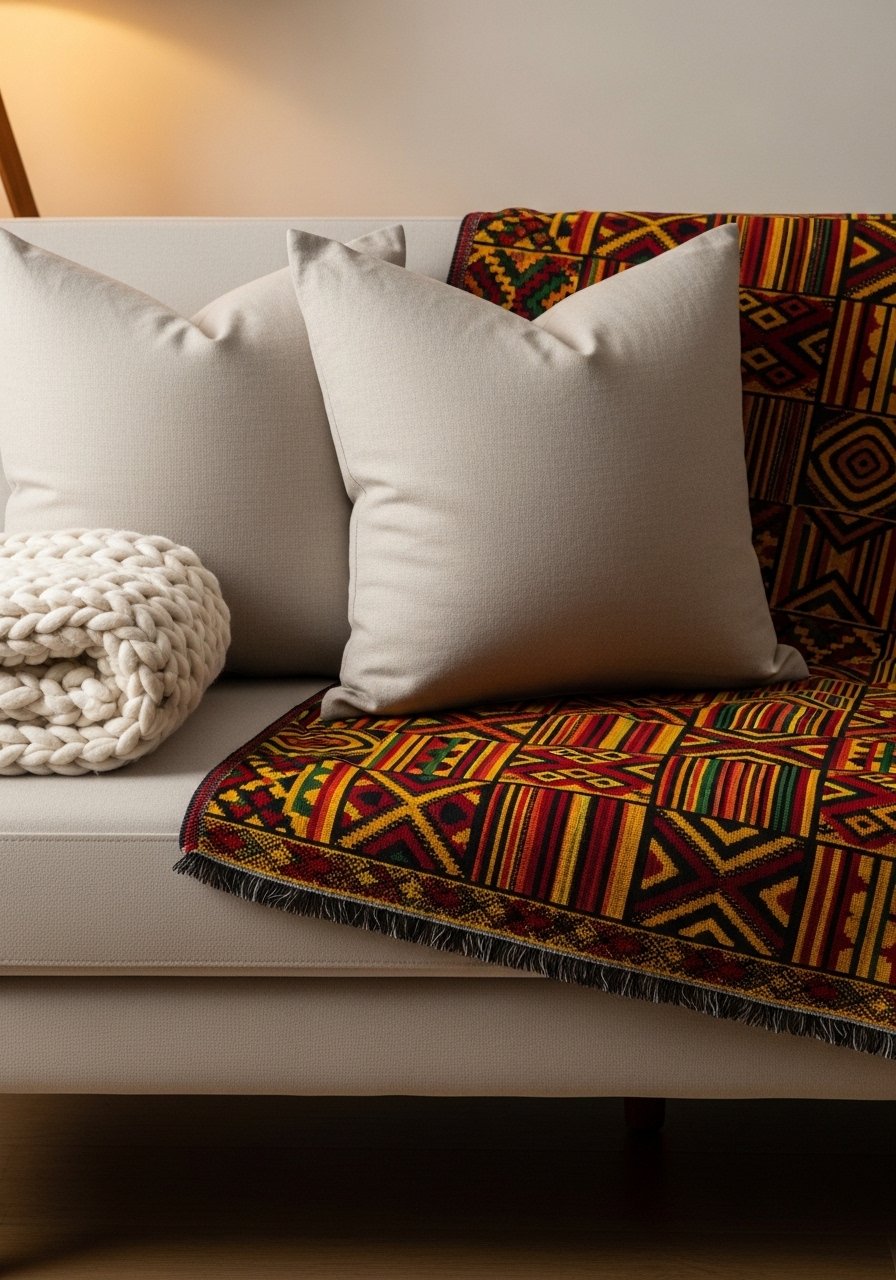
The moment I draped an Ankara print over my neutral sofa the whole room stopped looking flat. Use an 80/20 rule for your palette and let one bold pattern be 20 percent of the visual weight. I usually pair a 52-by-60-inch Ankara throw, a chunky knit throw in cream and two 22-inch down-filled linen pillow covers for weight and softness. A common mistake is piling pattern on pattern without a neutral anchor. Try one strong print, two textured solids, and one small geometric pillow. If you rent, use removable clips to attach a lightweight throw as wall art for the same effect without nails.
Curved Vintage Mirrors to Open Dark Corners
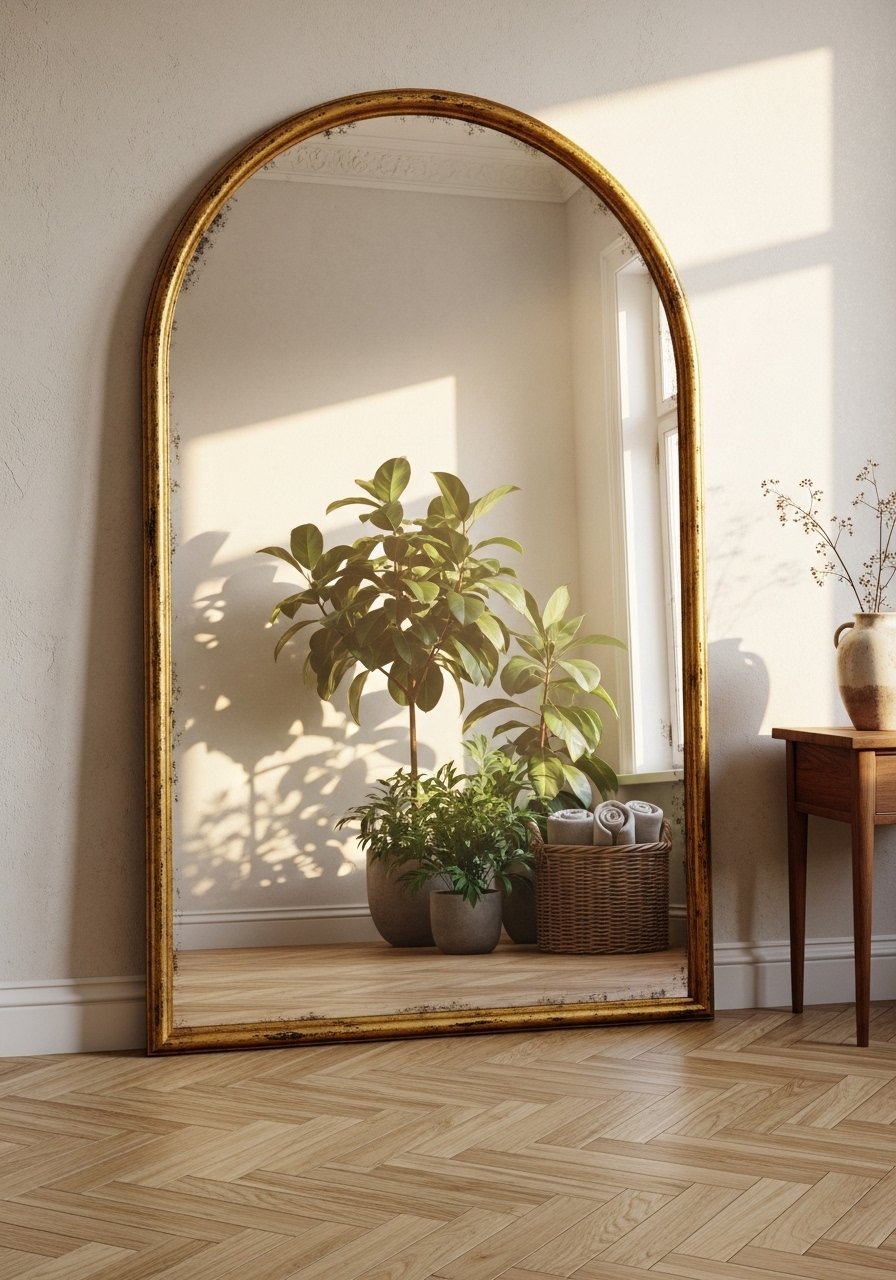
I bought a rounded thrift mirror and dragged it into a dim hallway and the space read as twice the size. Mirrors bring depth but pick curved frames for a softer, more collected vibe with African baskets nearby. For dark corners aim for a mirror at least 30 inches wide to reflect a lamp or window. Hang it so the midpoint sits at about 60 inches from the floor for standard rooms. I use a distressed brass mirror when I want a little warmth. A trap people fall into is hanging mirrors too high. If the reflection shows ceiling only, move it down until you can see the floor edge.
Grouped Woven Baskets for Textural Wall Art
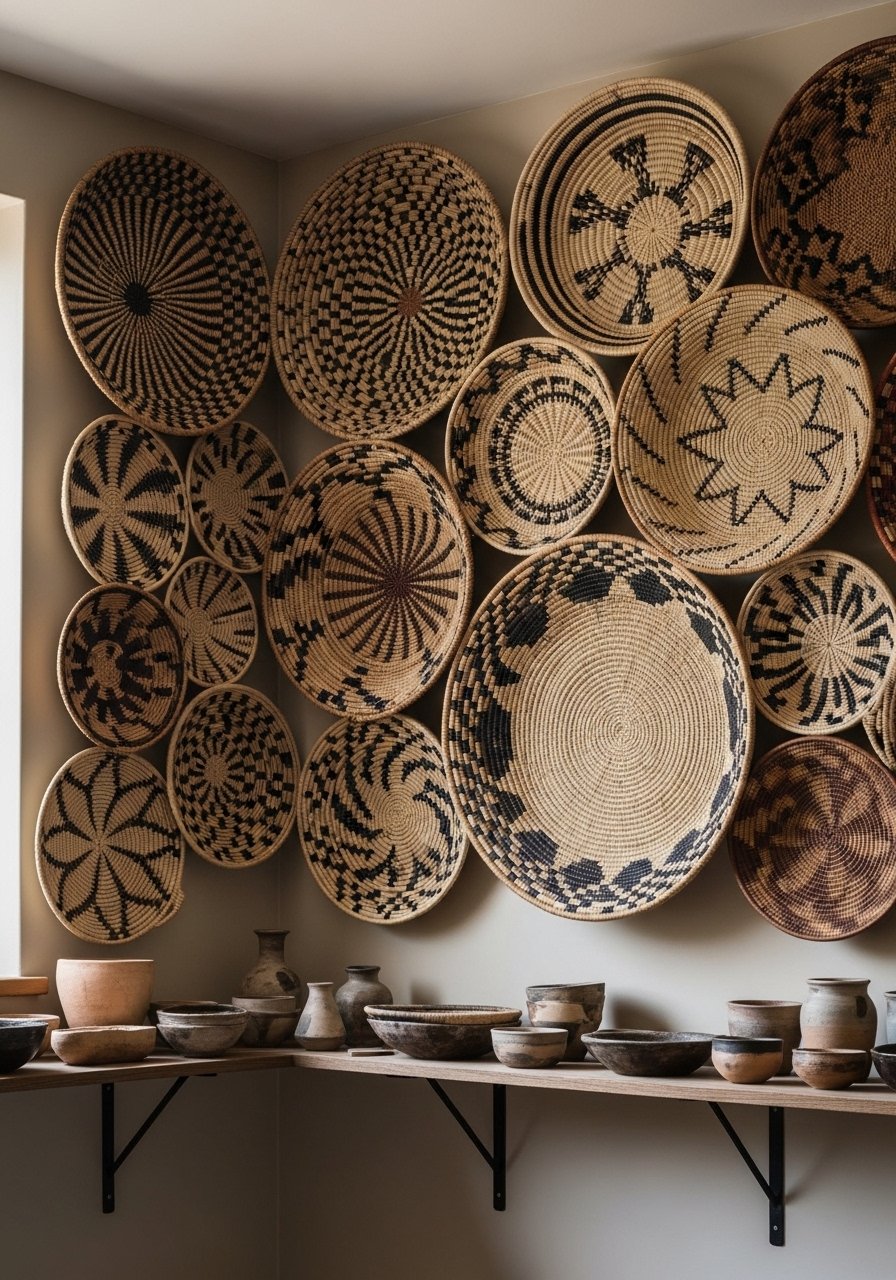
I started grabbing baskets at estate sales and then realized they make instant, no-fuss wall galleries. Mix three to five pieces in an irregular cluster, spacing them about 2 to 3 inches apart. Use a template on the floor first, then hang with picture hanging strips for rentals. For a curated look, keep three natural tones and one dyed accent. I bought a set of three handwoven pieces and then added a large 20-inch basket as an anchor. If you crowd them too close the texture gets lost. These baskets pair perfectly with the gallery wall idea later on.
Low-Mid Height Furniture to Create a Collected Layered Look
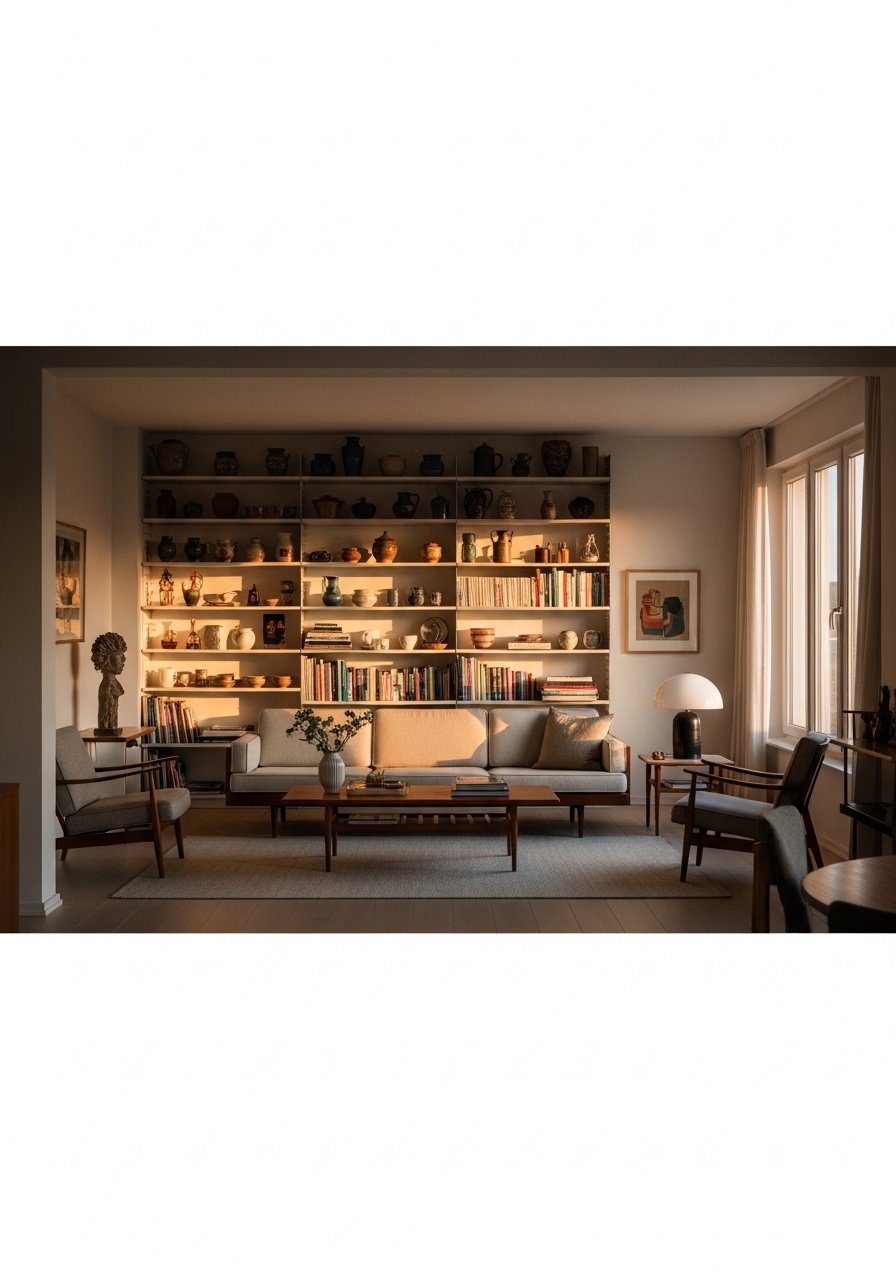
My living room felt like an office until I swapped a tall modern console for a low wood coffee table and added a mid-height bookcase. Mixing heights stops the floating furniture look and makes shelves feel intentionally layered. Aim for three height levels in a seating area: low coffee table, mid sofa arms, and one tall element like a floor lamp or plant about 60 to 72 inches high. I picked a carved wood coffee table and a low solid wood coffee table to ground the seating. People often match every piece in the set and lose personality. Thrifted mismatched legs or knobs fix that fast.
Brass Accents and Mixed Metals for Warmth
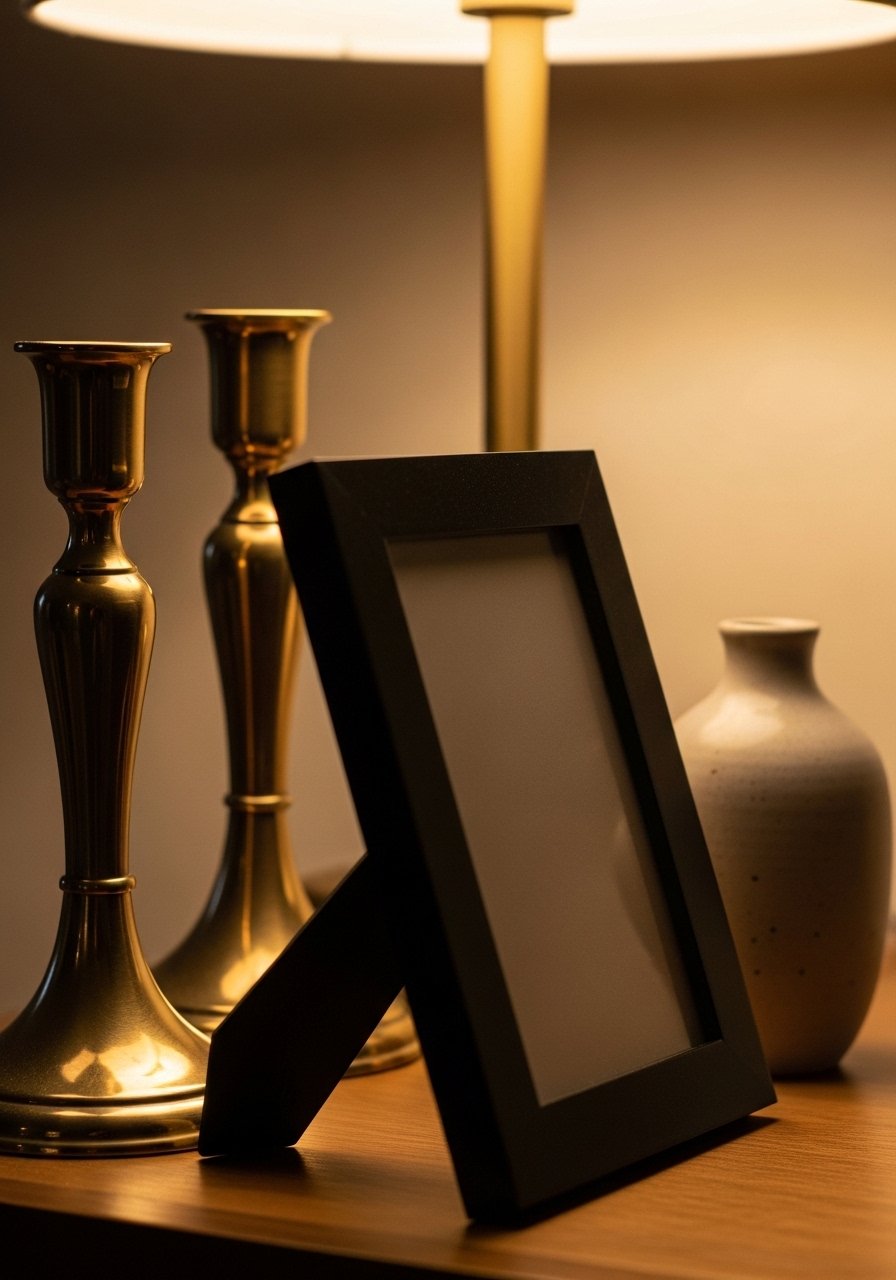
Brass details added to thrifted wood pieces made my room feel intentional instead of accidental. Mixing metals reads edited if you repeat one metal twice and use others sparingly. I like brass table lamps with matte black frames on the wall. A small rule I use is at least two pieces of the primary metal and one of a contrast metal. These brass picture ledges work great for rotating art without new holes. Avoid matching everything because that looks staged rather than lived in.
Thrifted Art Hung With Clean Black Frames in the Bedroom
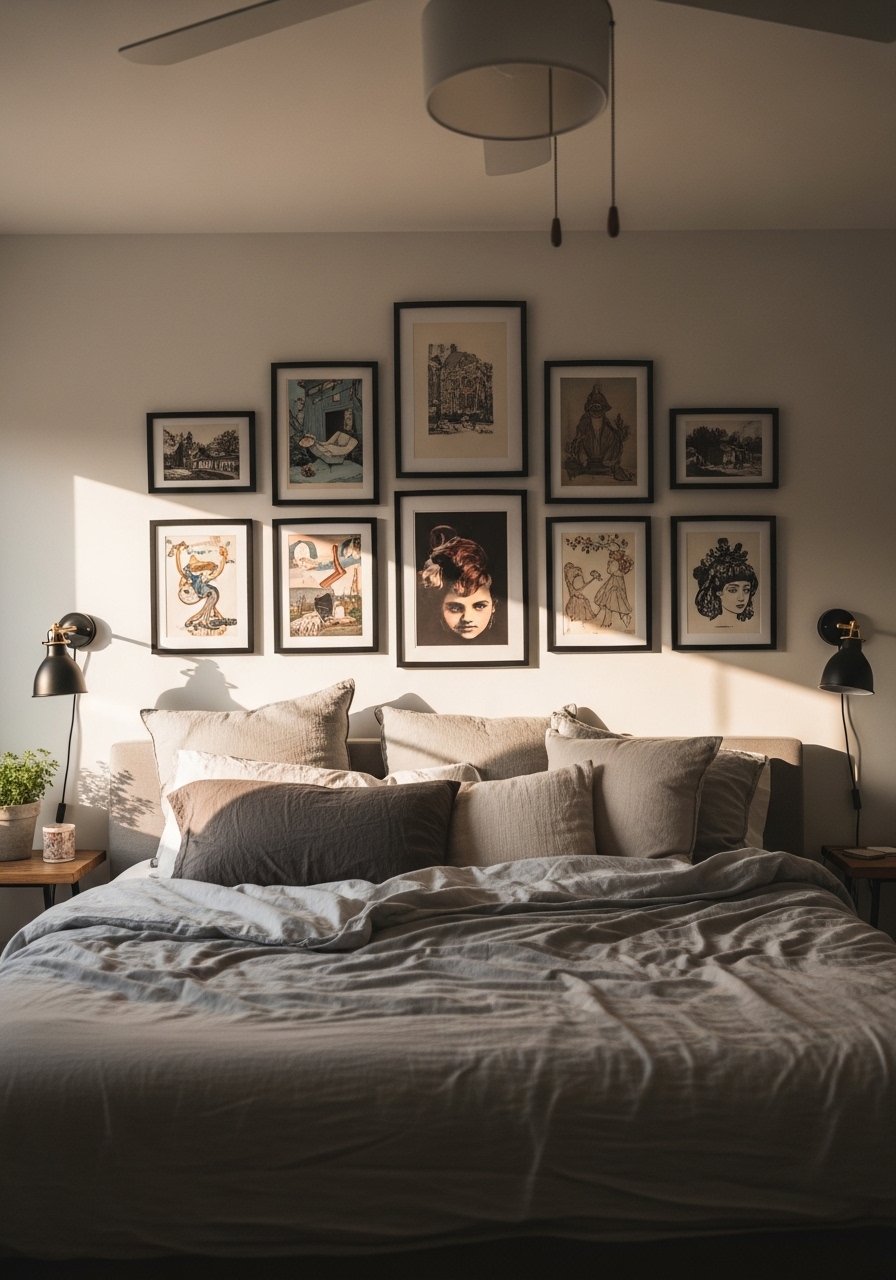
I found framed prints at a flea market and re-framed them in simple black to make the group feel cohesive. Use uniform frames in black or dark wood to tie eclectic pieces together. Hang art so the bottom edge sits 6 to 10 inches above a headboard or console. If your prints vary, mat them to the same size, then group with 2 to 3 inches between frames. A cheap swap is mixed metal picture frames for rotation. A common mistake is centering the whole gallery too high. It should sit in the eye zone, not near the ceiling.
Layered Rugs With Jute and a Patterned Top Rug for High Traffic Areas
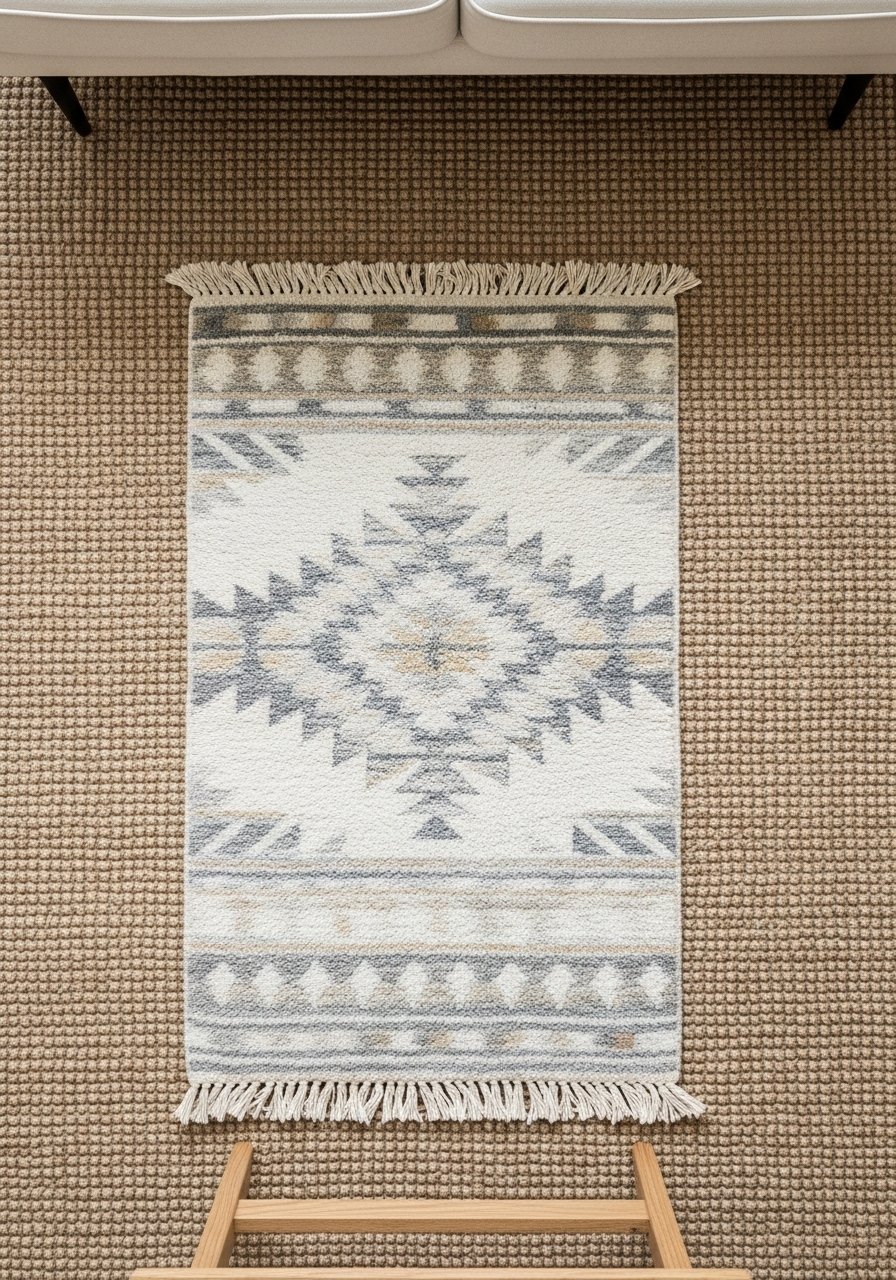
My hall used to show footprints instantly until I layered a jute rug under a smaller patterned wool rug. The jute gives durability and the wool does the pattern work. For living rooms use an 8×10 jute with a 5×7 patterned rug centered under the front legs. Layering keeps high traffic looking intentional while protecting the patterned rug. I picked a neutral 8×10 jute rug and a colorful 5×7 vintage-inspired runner. People pick rugs too small thinking it will save cash. Bigger works better and looks more collected.
Carved Wood Objects and Sculptural Accent Pieces for Nooks
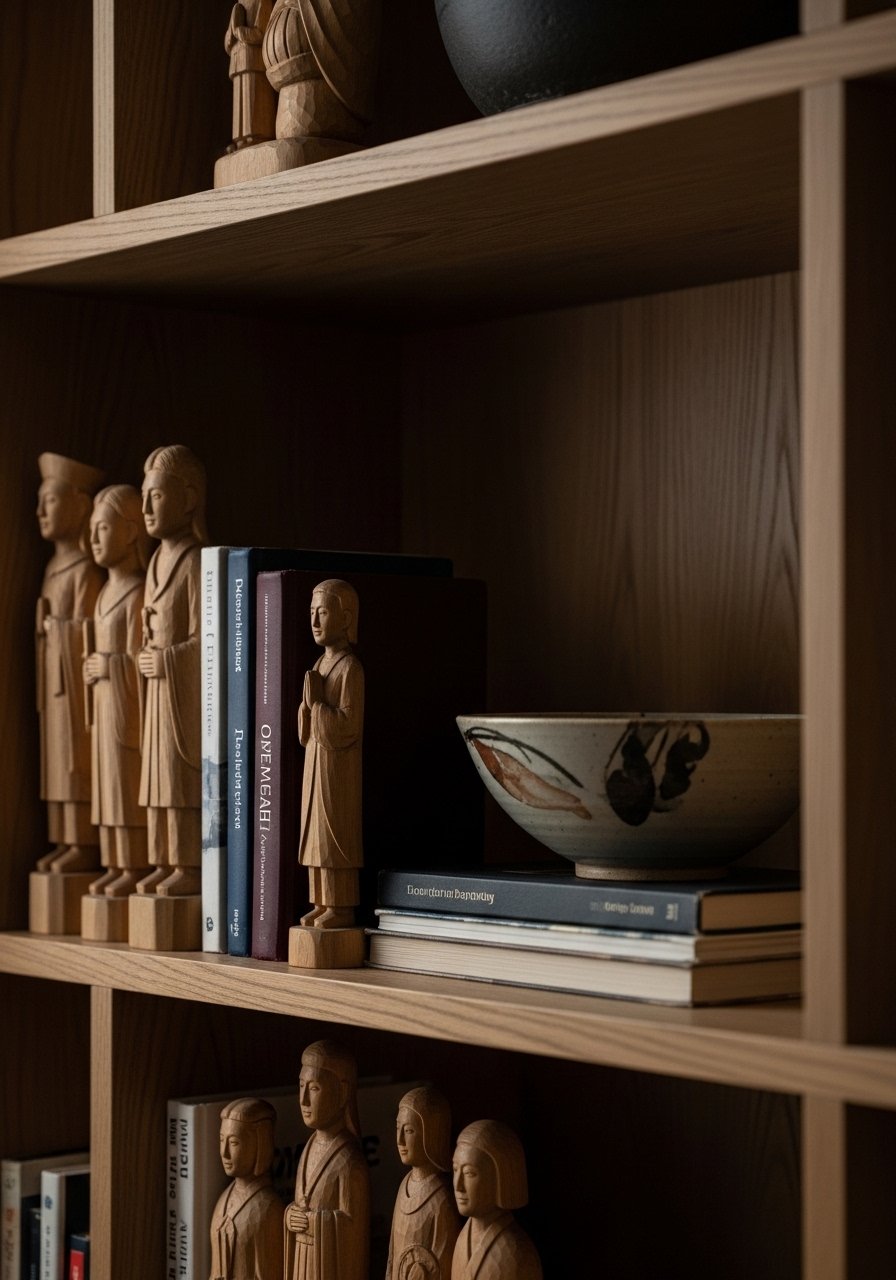
There is something about a carved figure on a stack of books that makes a shelf feel ancient and traveled. I collect small wooden carvings and place them on 2 to 3 book stacks per shelf. Keep one sculptural object per shelf to avoid clutter. I usually go with pieces around 6 to 12 inches tall so they read at a glance. A common error is scattering tiny items that get lost. Larger tactile pieces anchor the eye and work well with the mixed metals and woven baskets from earlier. For finds I use a hand-carved wooden sculpture when I cannot thrift locally.
Statement Lighting That Reads Vintage and Warm for Dining Areas
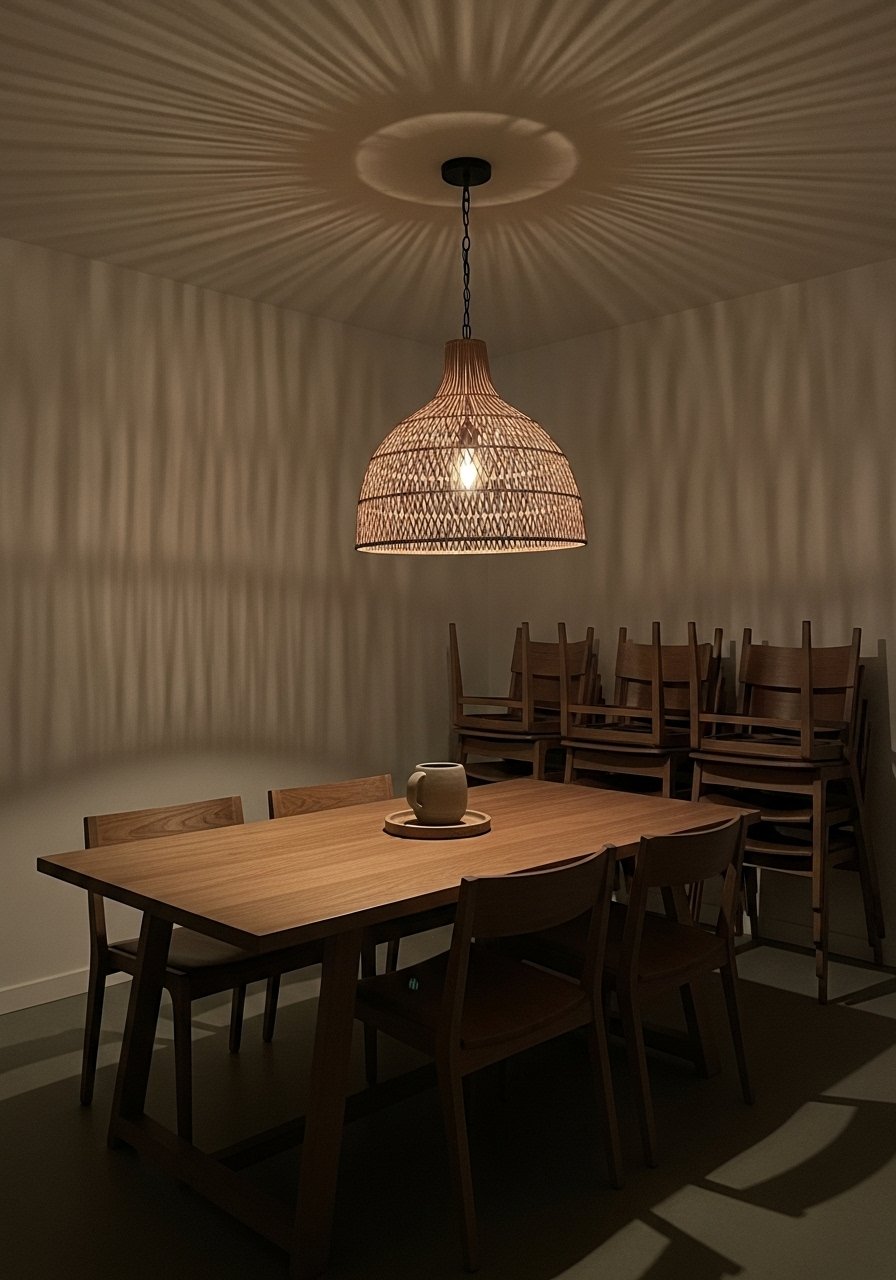
Swapping a plain flush mount for a rattan pendant changed dinner from functional to something you want to linger in. Pick pendants that hang about 30 to 36 inches above a table for standard 8-foot ceilings. A warm bulb and woven shade keep the light soft without losing illumination for tasks. I use a rattan pendant paired with a rattan pendant light 20-inch and dimmable bulbs for dinner mood. The mistake I see is pendants hung too high. If the light floats above the table it feels disconnected instead of intentional.
Plants, Real or Faux, for Height and Edge
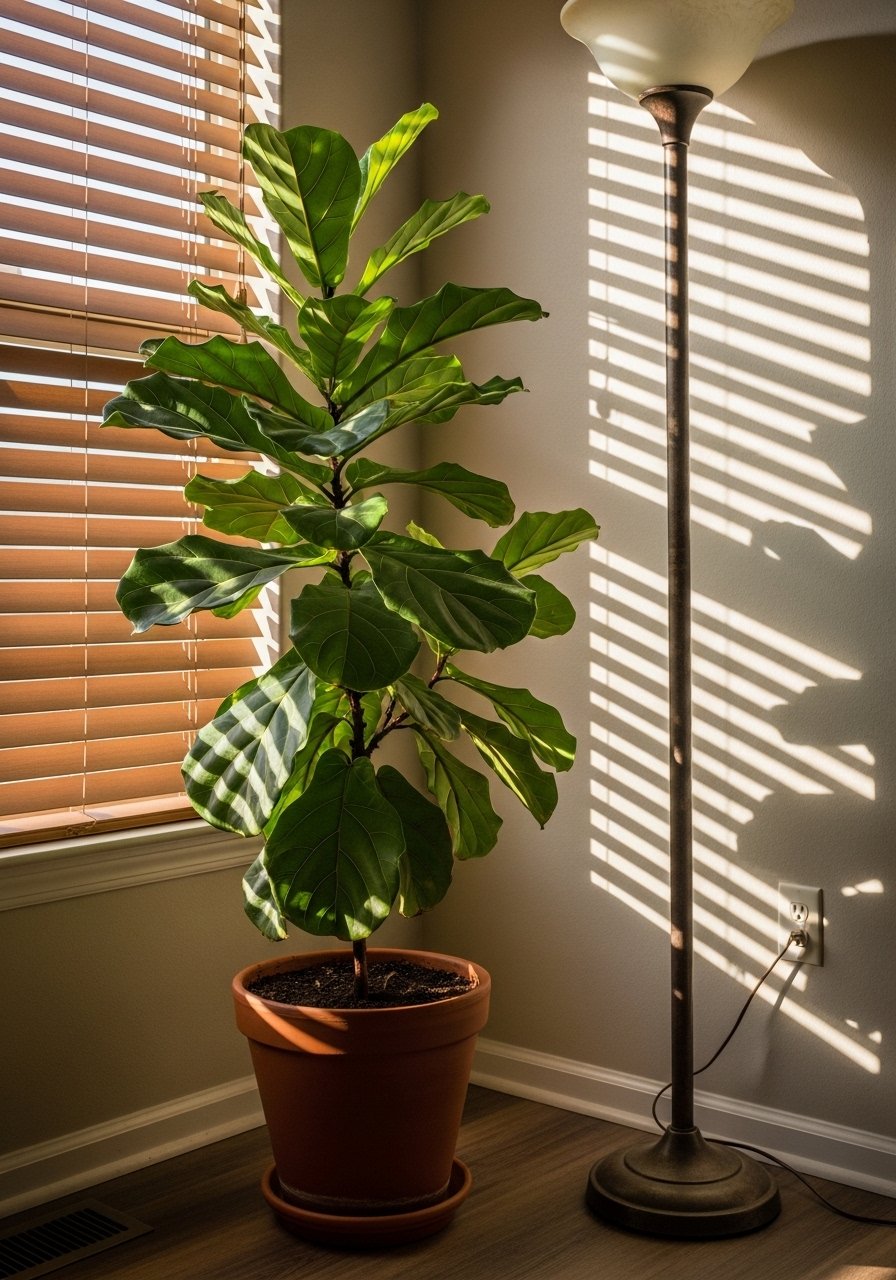
One single six-foot plant gives more visual interest than five little succulents. I keep a real snake plant near the bathroom and use an artificial fiddle leaf fig where light is weak. Six in ten gripes come down to bad light tricks, so place plants where they will get the light they need. If you rent, use a felt floor protector under heavy pots to avoid scuffing. My go-to for low-light corners is a faux fiddle leaf fig 6ft. A common mistake is overwatering indoor plants that sit in low light.
Small Finds Displayed in Grouped Vignettes for Side Tables
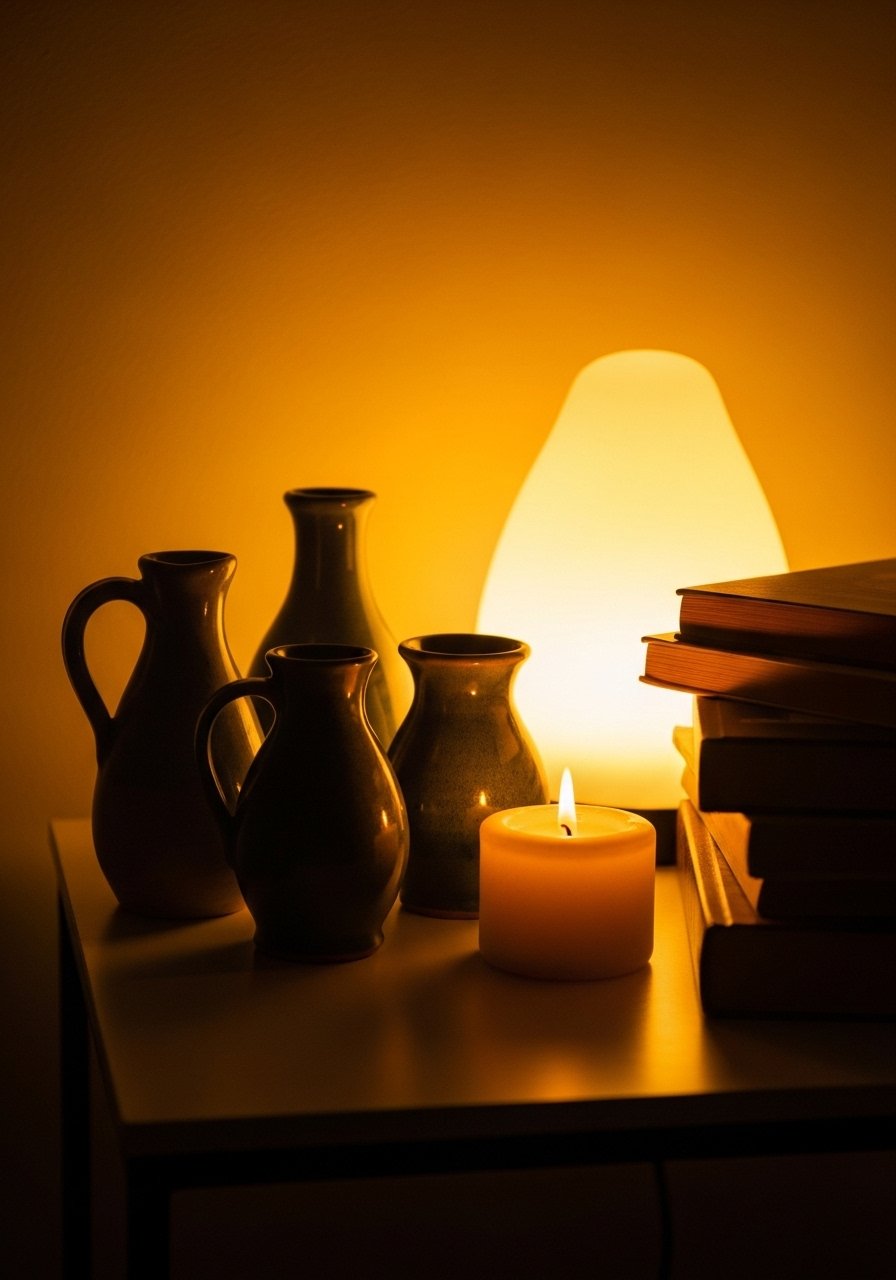
I used to scatter small finds around the house and they looked random. Grouping three to five objects on a tray or book stack makes them feel edited. Use a rule of odds and vary sizes so one piece anchors the group, another is mid-size, and one is a sure detail. For scale try a 12-inch tray, a 6-inch vase, and a candle about 3 inches tall. I keep a small ceramic vase set handy to swap seasonally. Avoid tiny objects that disappear next to lamps. When in doubt, take a photo from across the room to check scale.
Your Decor Shopping List
Textiles
- Honestly the best $40 I have spent. Chunky knit throw in cream for sofas and draping on a chair
- 22-inch linen pillow covers, set of 2 in natural and rust for layering
Wall Decor
- Found these while looking for something else. Brass picture ledges for rotating thrifted art
- Set of 3 woven wall baskets, mixed sizes for gallery clusters
Rugs and Flooring
- 8×10 jute area rug as a durable base layer
- 5×7 patterned wool rug to layer on top
Lighting
- Rattan pendant light 20-inch for dining areas
- Brass table lamp with linen shade to warm corners
Decor Finds
- Hand-carved wooden sculpture 8-inch for shelving
- Small ceramic vase set of 3 for grouped vignettes
Budget Notes
- Similar finds at Target or HomeGoods if you prefer in-person hunting
Shopping Tips
White oak beats dark wood in 2026. Design feeds have shifted completely. These white oak floating shelves look current, not dated.
Grab these velvet pillow covers for $12 each. Swap them seasonally and the whole room feels refreshed.
Curtains should puddle or kiss the floor, never hang halfway up. These 96-inch linen panels work for standard 9-foot ceilings and make short rooms feel taller.
One large plant beats five small ones. This faux fiddle leaf fig 6ft gives immediate height without the fuss.
Frequently Asked Questions
Q: Can I mix thrifted African textiles with modern furniture without it looking messy?
A: Yes. Use a consistent color anchor and repeat one neutral across the room. Keep one bold print, two textured solids, and a single geometric pillow to balance the look. Try the 80/20 rule for color and repeat a material like brass or black frames to tie things together.
Q: How do I test paint for matching fabrics in a rental where I cannot repaint?
A: Most matches flop on the first go until you wall-test. Use peel-and-stick sample cards or paint the fabric edge on heavy paper and tape it up. Bring the fabric to the store for a scan then dry test small swatches with removable adhesive. Scanners bump match odds to eight in ten so combining tech with a wall test saves heartache.
Q: What size mirror should I buy for a small hallway?
A: Choose a mirror at least 30 inches wide so it can reflect light and a bit of the floor. Hang the midpoint around 60 inches from the floor. If the hallway is narrow, a vertical mirror that reflects a window will make the space feel deeper.
Q: How do I arrange a thrifted gallery wall so it looks cohesive?
A: Mat inconsistent pieces to the same outer size and use uniform frames or a single repeated color. Lay the arrangement on the floor first, then hang so the bottom row sits about 6 to 10 inches above furniture. Avoid tiny gaps. Two to three inches between frames usually looks intentional.
Q: Are faux plants acceptable in Afro chic styling?
A: Yes. Use a mix. Real plants are great where light supports them. Six in ten gripes come down to bad light tricks, so place real plants where they will thrive and use a faux tall piece in low-light corners to maintain scale and height.
Q: How do I keep small thrifted finds from looking cluttered on a shelf?
A: Group three to five items with varied scale and at least one tactile object around 6 to 12 inches tall. Anchor groups on a stack of books or a tray and leave breathing room above and below the vignette. Photos taken from across the room help check scale and balance.