
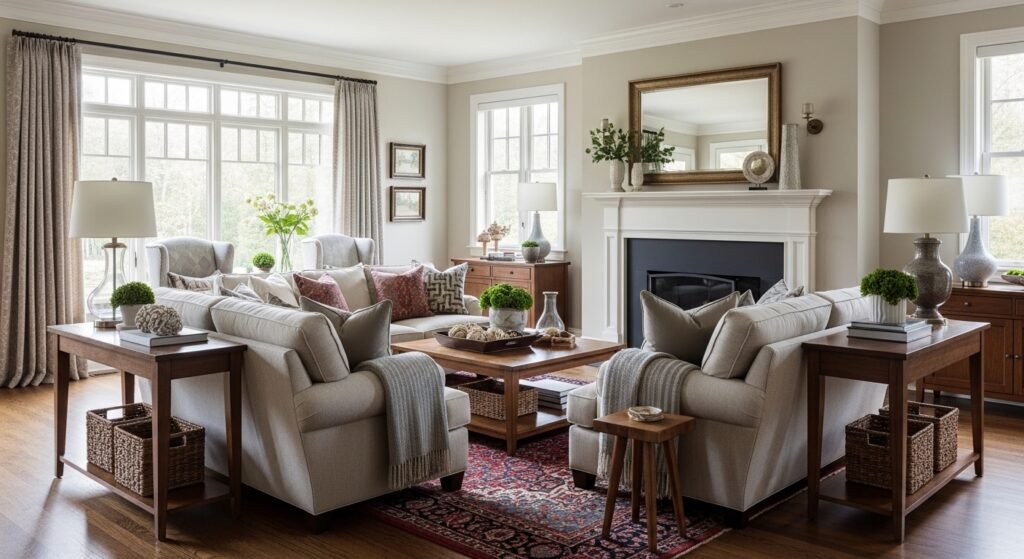
My living room had nice furniture and decent lighting but it still felt like a waiting room. Took me embarrassingly long to realize everything was the same height and texture. Once I added a low woven basket, a tall brass floor lamp, and a chunky throw, people actually sat down rather than just passing through.
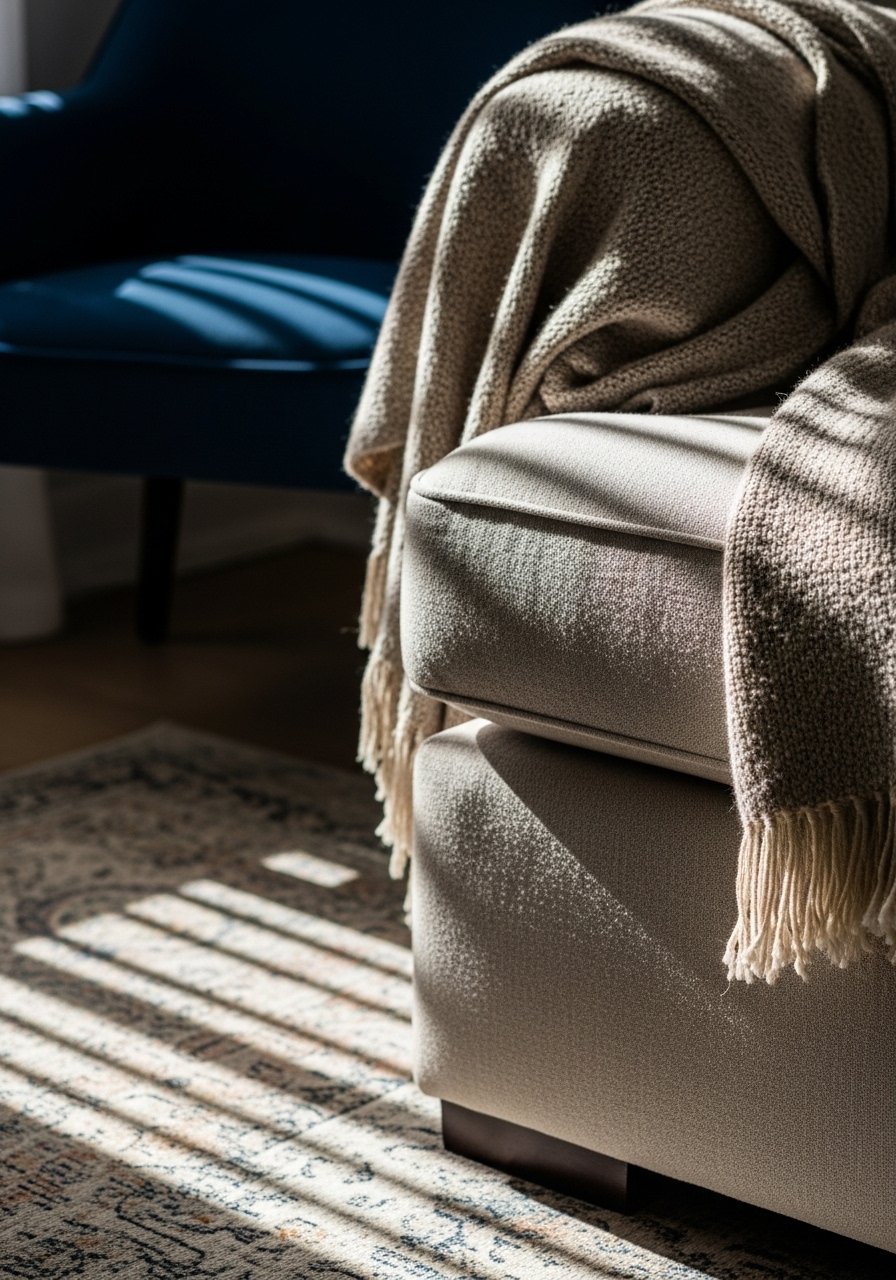
I started by stripping back competing colors until the room read mostly warm neutrals, then introduced a single deep blue chair to anchor the space. The result feels grounded and calm, useful for living rooms and bedrooms. Budget here runs from thrifted pillows to a $200 chair. Watch the 80/20 rule: 80 percent soft beiges and creams, 20 percent bold color. A 22-inch down-filled linen pillow in oatmeal layered with a 20-inch velvet navy pillow gives scale and warmth. Common mistake is adding a dozen small patterns. Instead, stick to one large pattern and two solids. If you want the chair look without splurging, try this navy accent chair option for an approachable price.
Floor To Ceiling Curtains To Add Height
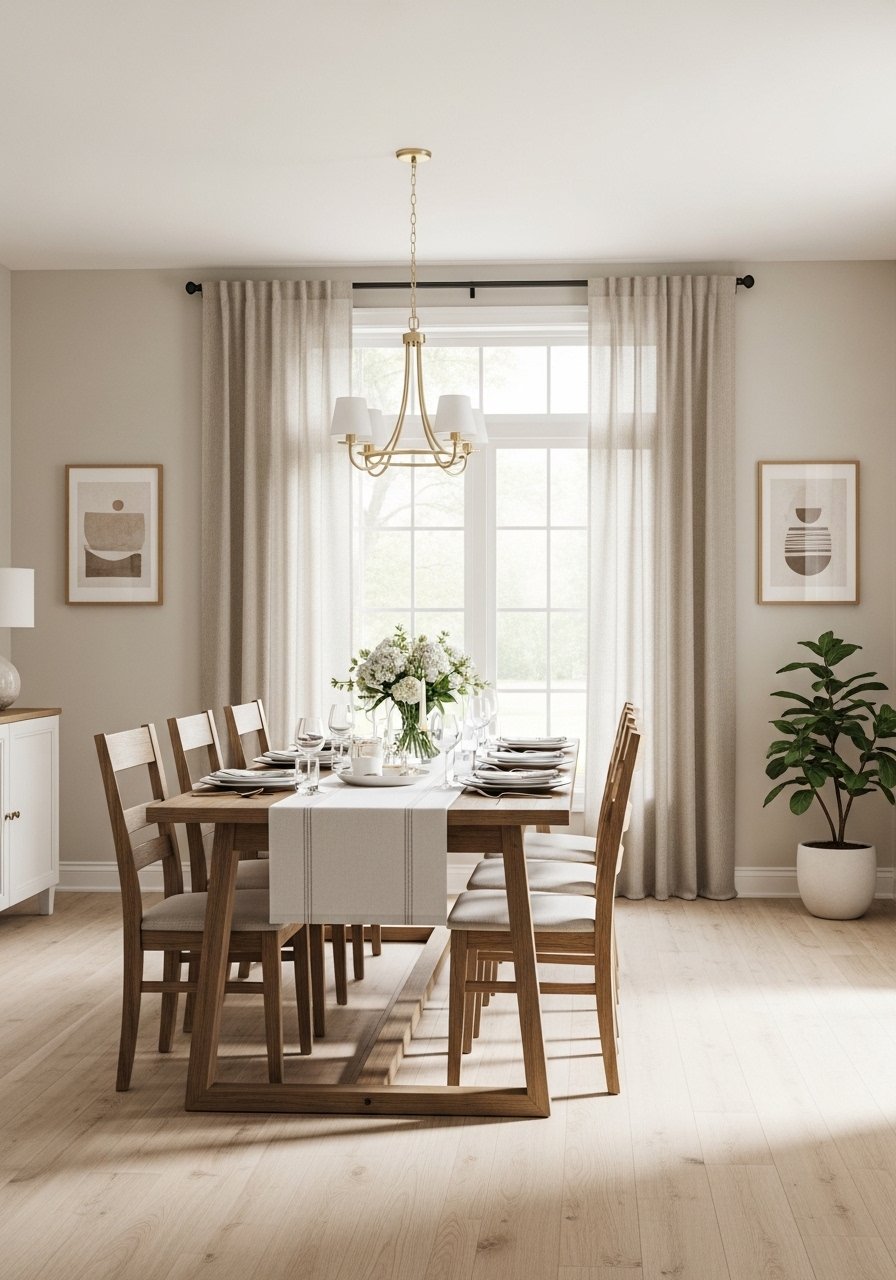
Most people hang curtains right at the window frame. That is why their rooms look shorter than they are. Raise the rod four to six inches above the frame and choose 96-inch or 108-inch panels depending on ceiling height. The trick costs less than a new sofa but makes a room feel taller immediately. Linen panels in off-white are forgiving and budget friendly. For standard 9-foot ceilings I used these 96-inch linen panels and had enough fabric to puddle slightly without looking sloppy. A common mistake is buying panels that are too narrow. Aim for 2 to 2.5 times the window width in total fullness for a plush, tailored look.
Chunky Textiles For Instant Warmth In Living Areas
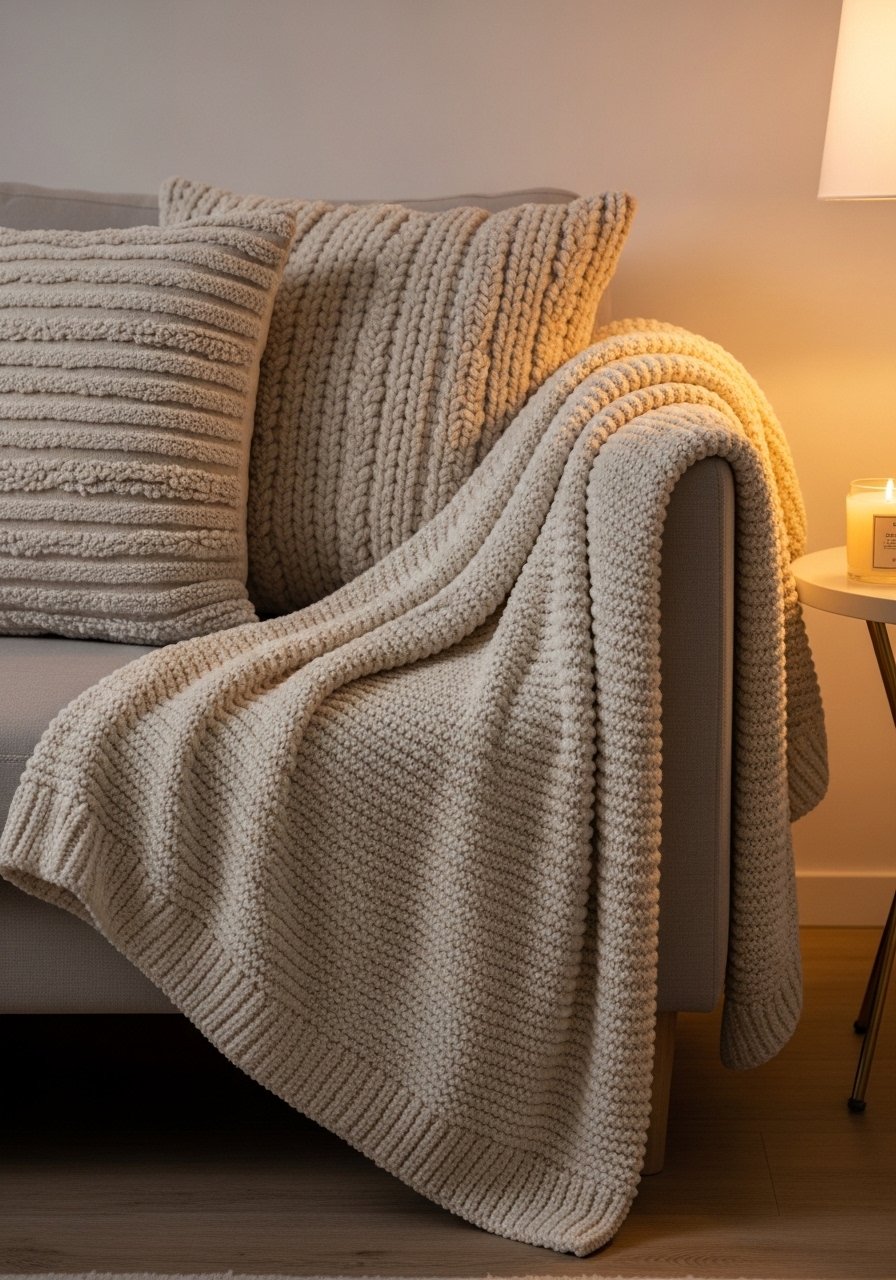
The moment I draped a chunky knit throw over the arm of my gray sofa, the whole room stopped looking flat. Textiles add touchable warmth. Think 50 by 60 inches for throws, and 22-inch pillows for sofas so they read substantial without overpowering. I like a mix of linen, wool, and faux fur for contrast. Budget options like a $35 chunky throw pair well with a $120 wool pillow. One mistake is matching every pillow to the curtains. Instead, use the rule of three in groupings: two different pillows plus one throw equals a balanced stack. For a reliable knit that washes well, I recommend this chunky knit throw in cream.
Mixed Vintage And New Pieces For A Welcoming Entry
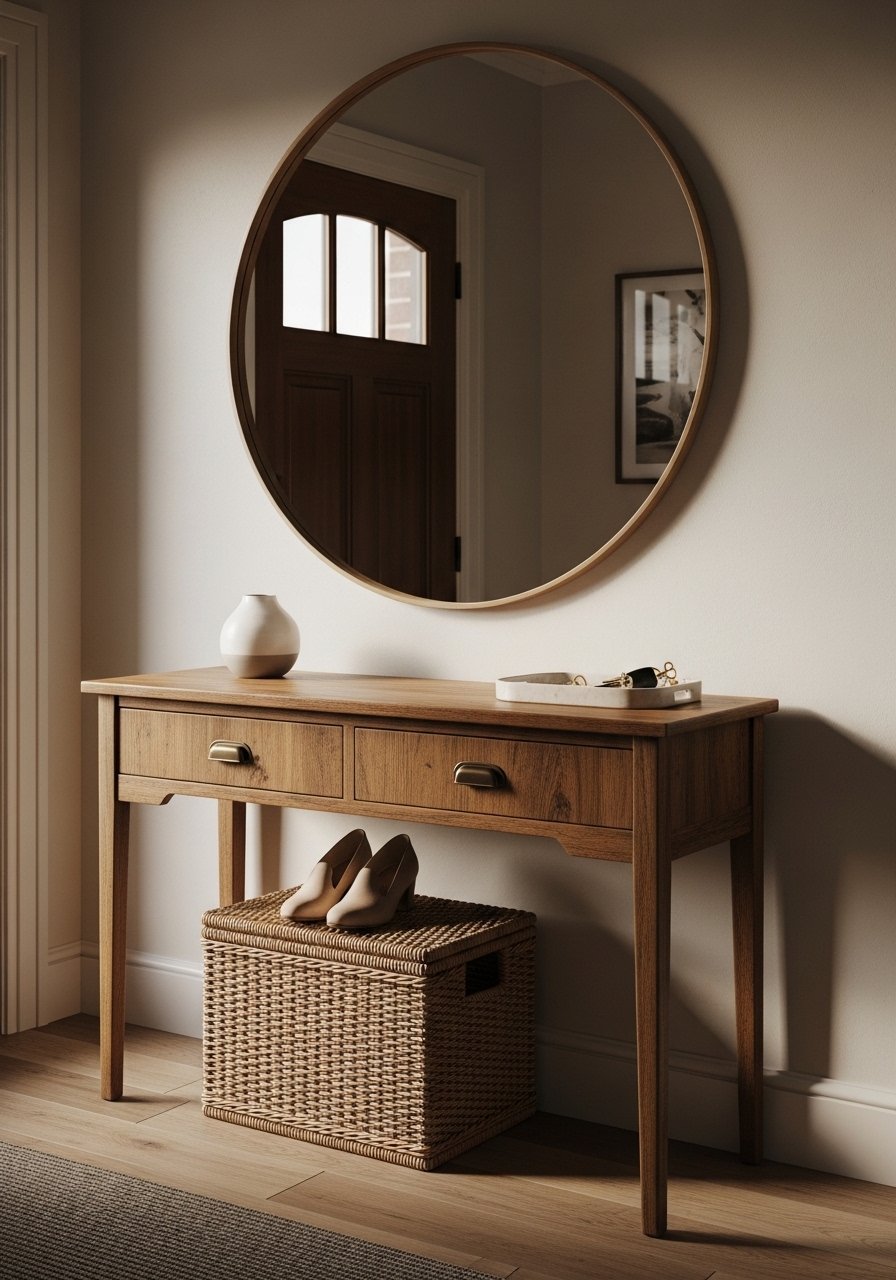
My entryway used to be a dumping ground. Swapping a wobbly Ikea table for a thrifted wooden console made the space feel lived-in overnight. Pairing old wood with one clean-lined modern mirror balances history and freshness. Keep a low basket for shoes and a shallow dish for keys so clutter stays off the surface. Budget range here goes from $40 for a basket to $250 for a well-made mirror. A common frustration is consoles that are too narrow. Aim for at least 12 inches deep and center the mirror so it reads symmetrical from the door. I use brass picture ledges for swapping seasonal prints without new holes. Try these brass picture ledges if you like changing art often.
Oversized Mirror To Brighten Dark Corners
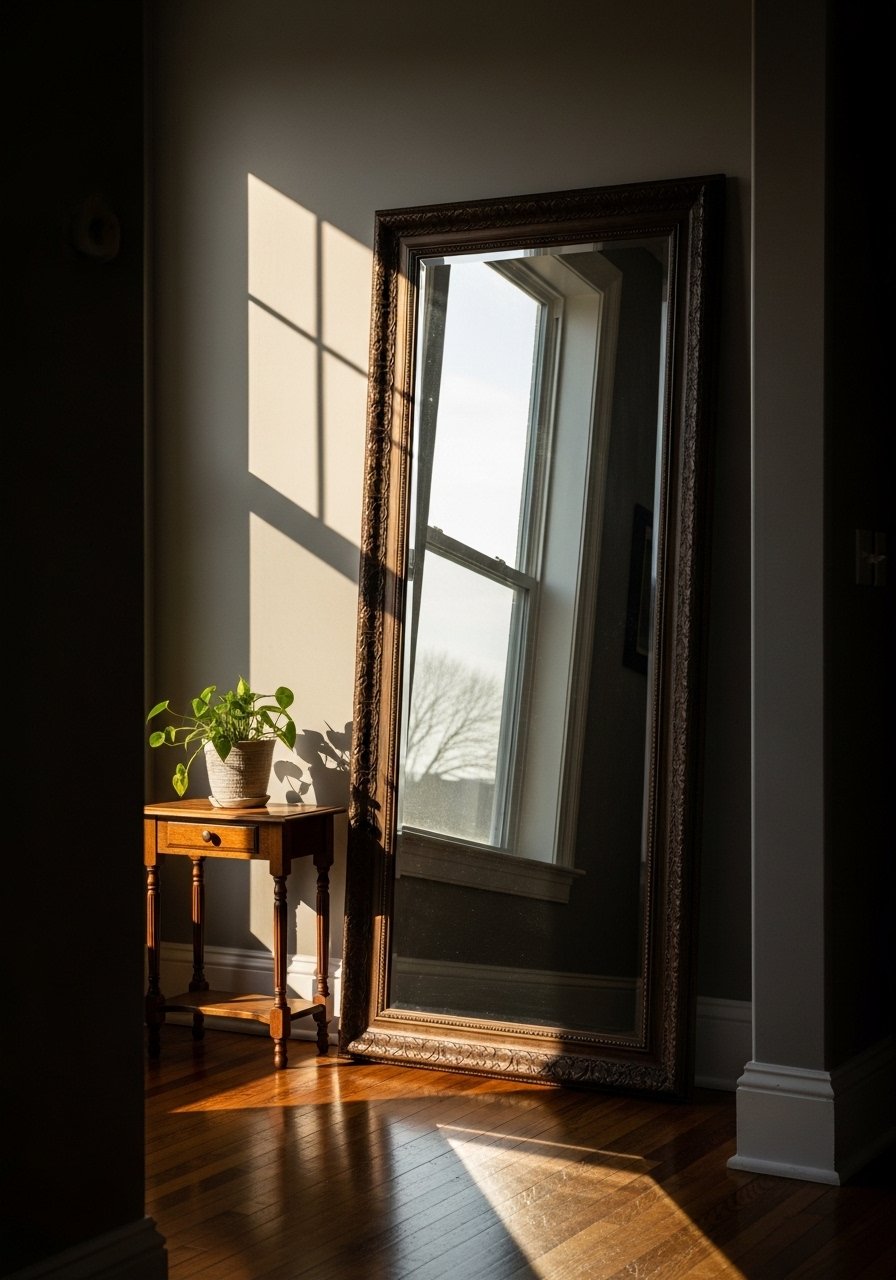
There was a dark corner in my bedroom that never warmed up until I leaned a large mirror there. It doubled the natural light and made the whole room read larger. Go at least 36 by 48 inches for a real impact, and angle it slightly to catch daylight. This works well in narrow hallways, tiny entries, or opposite a fireplace. A mistake is hanging a small mirror too high. If you plan to lean, add a strip of rubber at the base so it doesn't slide. For renters, a lightweight framed mirror under 30 pounds is the safer pick. I like this oversized framed mirror option for the scale at a fair price.
Gallery Wall With Mixed Frames For Traditional Charm
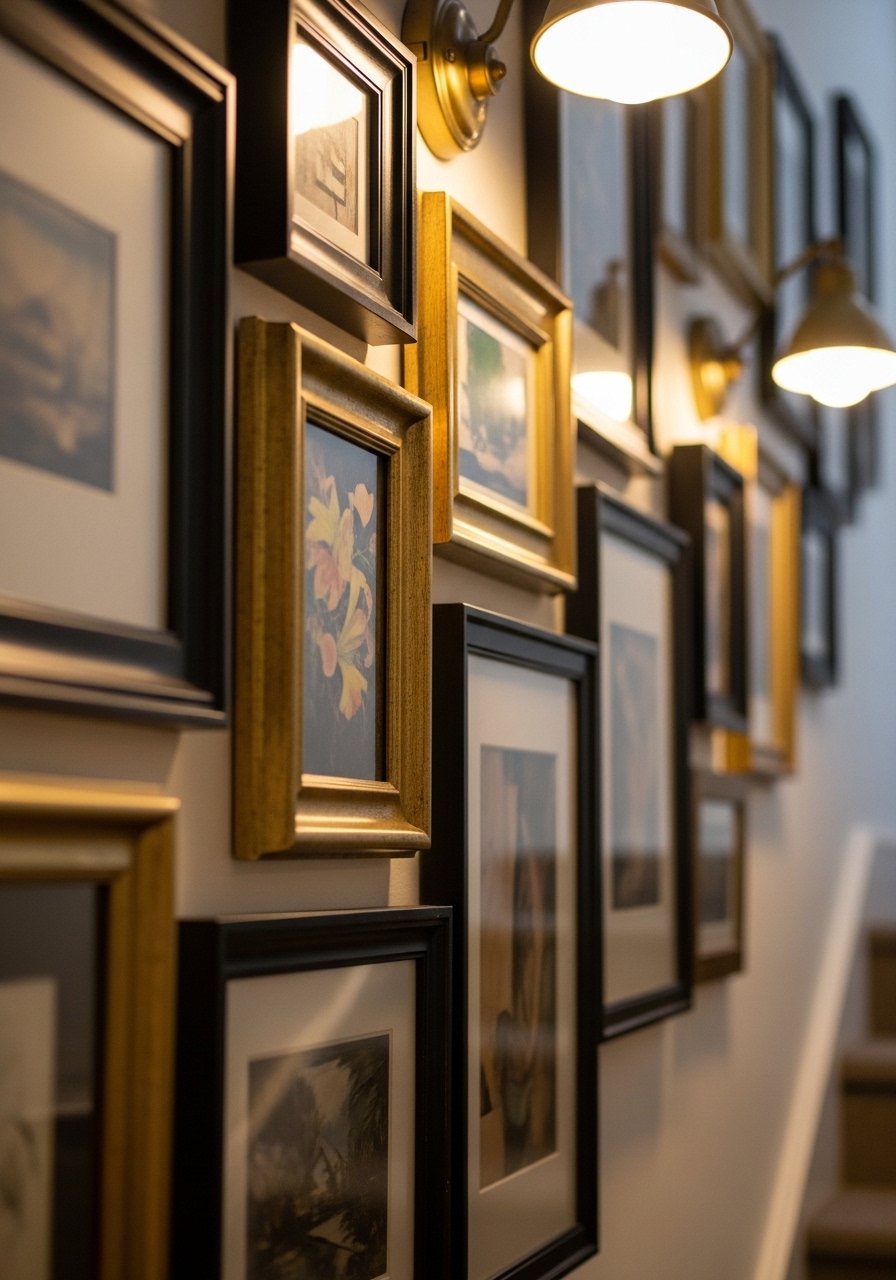
I avoided gallery walls for years because my first attempt looked like a collage gone wrong. The fix was two rules: plan a central anchor piece and use a consistent element, here black frames, to unify the group. Lay everything on the floor first and follow the rule of three for balance. A cluster that spans about two-thirds the width of a sofa usually reads correct. Common mistake is hanging frames too high above furniture. Aim for the center of the arrangement at eye level, roughly 57 inches from the floor. For easy swapping, use these mixed metal frames set so you can change photos without redoing the layout.
Warm Wood Tones And White Trim For A Soft Contrast
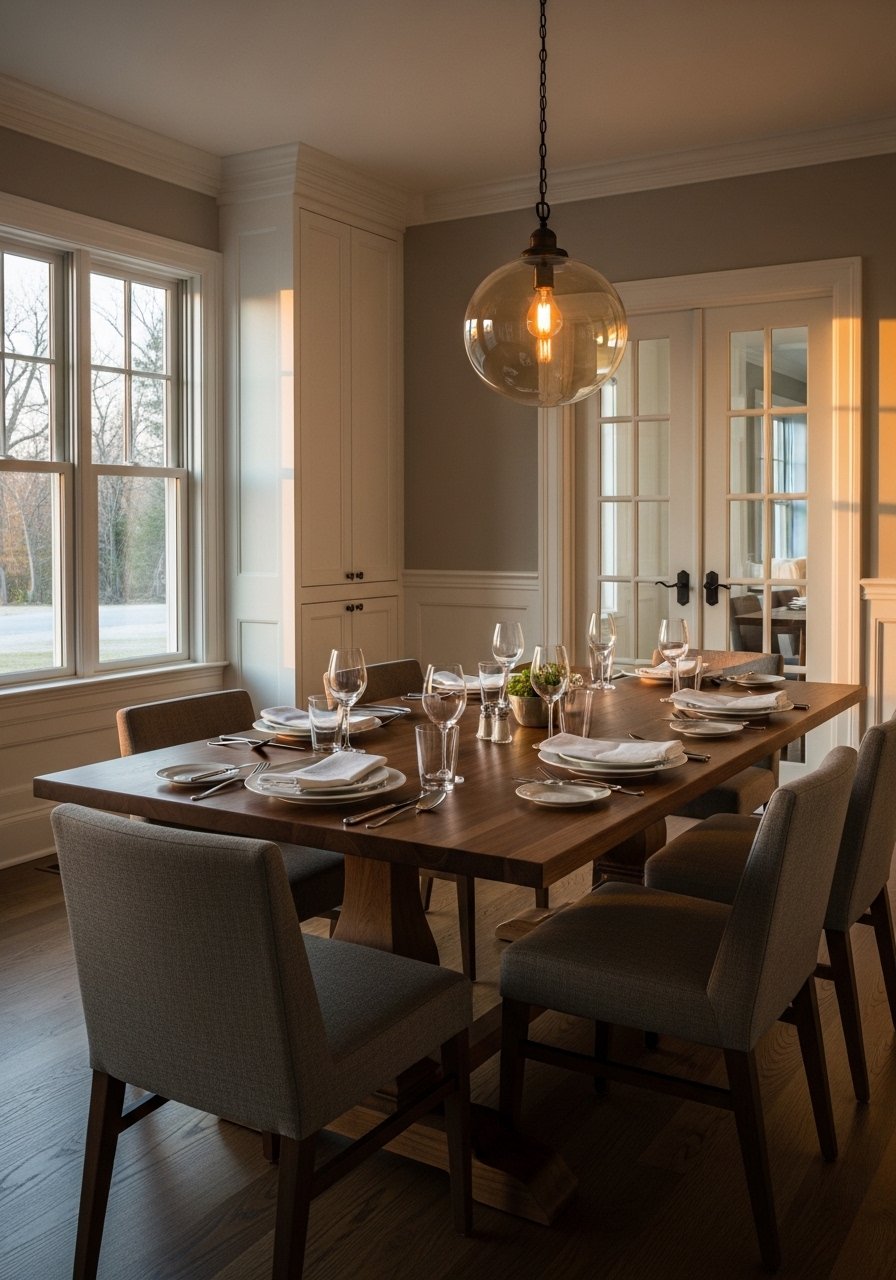
There is comfort in simple wood and white. I swapped a black-stained table for a warm walnut piece and suddenly the room felt like it belonged to someone, not a catalog. Pair warm woods with crisp white trim and keep one wood finish dominant. Use the 80/20 color split again: 80 percent neutrals and wood, 20 percent metal or glass accents. A common frustration is mixing too many wood tones at once. If you want variety, balance a walnut table with a lighter oak shelf and repeat one finish in small accents like frames. For a pendant that reads warm, try this amber glass pendant light over a dining table.
Layered Rugs To Define Zones And Add Texture
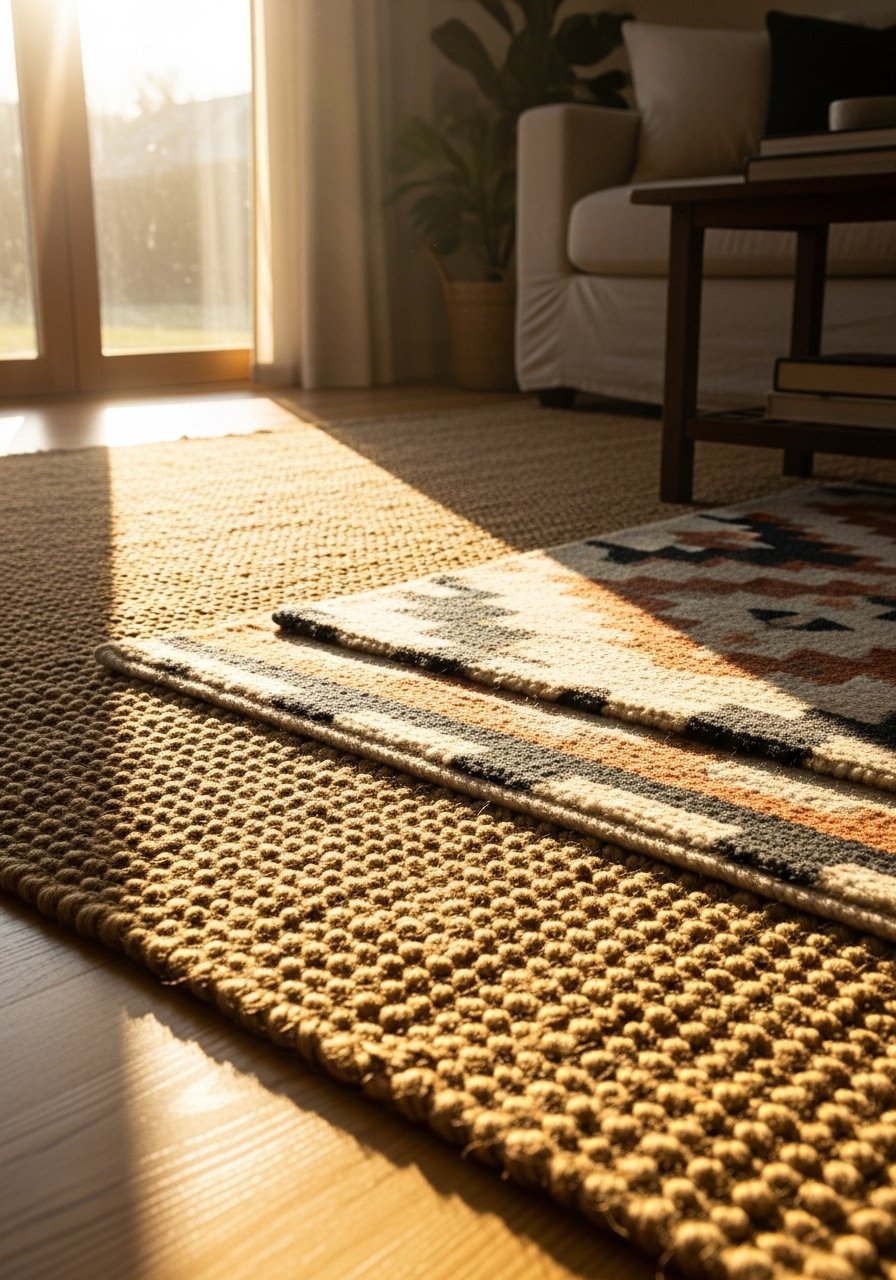
I used to buy rugs that were too small and then wonder why the room felt chopped. Go bigger than you think. For living rooms, an 8×10 rug where all front furniture legs sit on the rug is a safe bet. Layering a smaller patterned rug over a neutral jute base adds depth and handles high traffic better. I usually place the patterned rug slightly off-center to avoid looking too matchy. Budget friendly base rugs hold up, while the top layer can be the visual star. Many people worry this will look busy. Keep the base neutral and match one color from the top rug to a pillow or throw to tie everything together. Try this 8×10 jute rug for durability.
Reading Nook With Task Lighting And Plush Seating
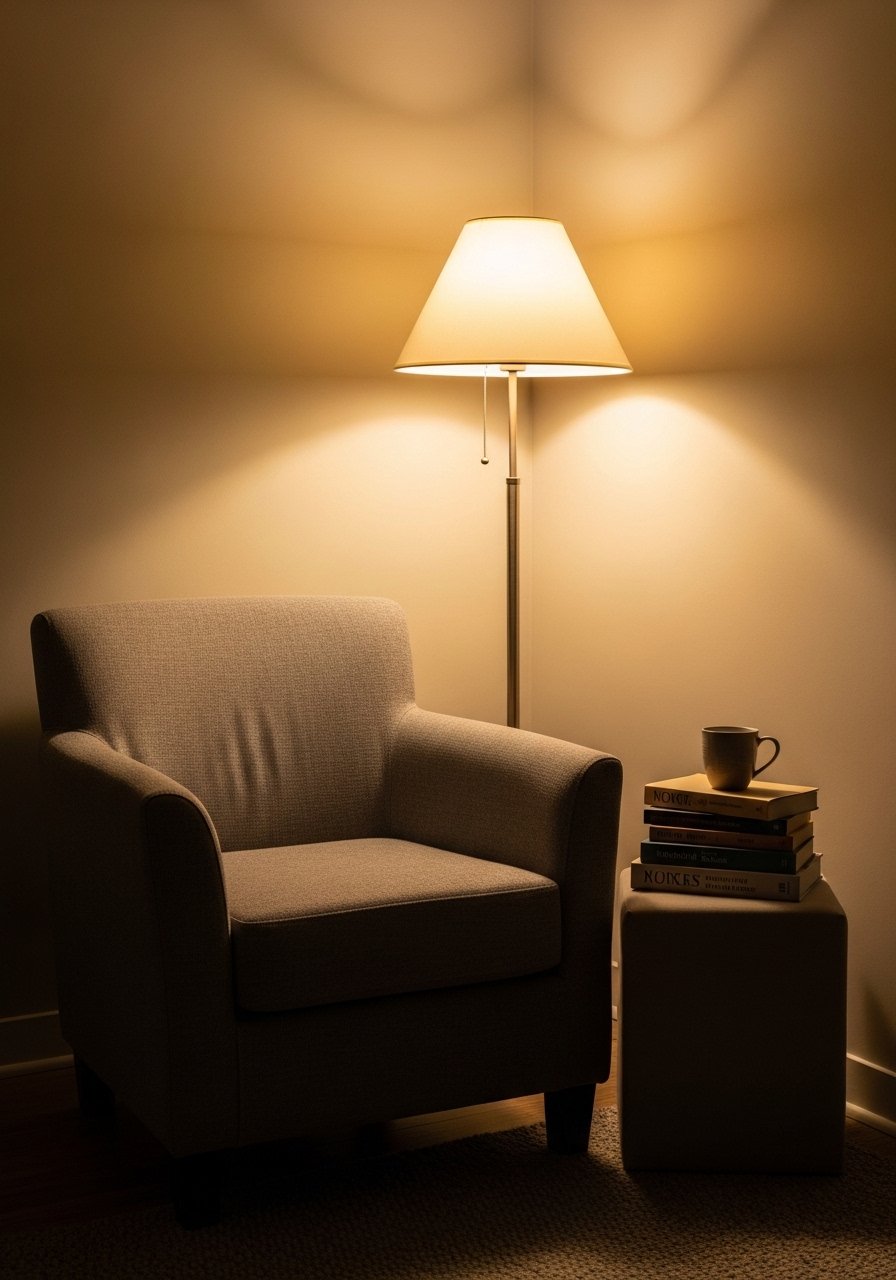
There is something about a reading nook with layered pillows that makes you want to cancel plans. I carved one into a corner by adding a chair that is slightly smaller than a sofa so it doesn't dominate. A dedicated floor or table lamp that points down toward a lap keeps the light warm and usable. Choose a chair with a low back if you want the sightline to stay open. A common misstep is relying only on overhead light. Add a lamp around 58 to 62 inches tall for comfortable task lighting. For a plug-and-play option, this brass floor lamp with fabric shade gave me the exact glow I wanted.
Your Decor Shopping List
Textiles
- Honestly the best $40 I have spent. Velvet pillow covers, set of 2, 20-inch, navy and oatmeal for layering
- Chunky knit throw in cream (~$35-55), 50×60 inches, machine washable
Wall Decor
- Mixed metal picture frames set for the gallery wall, various sizes
- Oversized framed mirror 36×48 inches, leans or hangs
Rugs And Flooring
- 8×10 jute area rug as a durable neutral base
Lighting
- Brass floor lamp with fabric shade for reading nooks
- Amber glass pendant light for dining warmth
Budget Finds
- Brass picture ledges (~$18-25), great for rotating prints. Similar finds at HomeGoods
Shopping Tips
White oak beats dark wood in many current feeds. These white oak floating shelves look current without feeling trendy.
Grab these 96-inch linen curtains for $30-50 each. Hang them four to six inches above the frame and the room will look taller.
Curtains should puddle or kiss the floor, never hang halfway up. Weighted curtain clips help keep panels in place if you have kids or pets.
One large plant trumps five small succulents. Artificial fiddle leaf fig 6ft gives height without maintenance and fills empty corners.
Frequently Asked Questions
Q: What size rug do I actually need for my living room?
A: Bigger than you think. For most living rooms aim for an 8×10 so front legs of sofas and chairs sit on the rug. If you layer, use a natural jute base under a patterned 5×8 to protect the high-traffic area.
Q: Can I mix vintage pieces with modern furniture without it looking messy?
A: Yes. Make one finish dominant and repeat it in small accents, like frames or hardware. I usually choose one warm wood and one metal tone and keep textiles neutral so the mix reads intentional.
Q: How high should I hang art above a sofa or console?
A: Aim for the bottom of the frame to sit 6 to 8 inches above the back of the sofa or console. If you have a standard seating height, center of the whole grouping should be around 57 inches from the floor.
Q: Should I match my metals or mix them in a traditional room?
A: Mix them. A consistent undertone helps, like warm brass paired with matte black. Mixing makes a space feel collected instead of staged. Start by repeating one metal in three spots to make it look cohesive.
Q: Are faux plants acceptable in traditional decor?
A: Both real and faux work. Use real where you can handle care, and pick a high-quality faux for dim corners. One tall faux fiddle leaf fig beats a cluster of tiny plastic succulents for impact.
Q: How do I stop a room from feeling like a waiting room?
A: Add texture, vary heights, and introduce a human scale object like a low basket or a chair with arms. Over 50 percent of rooms I help reset are missing one of these elements, and adding them makes the space feel lived-in immediately.