
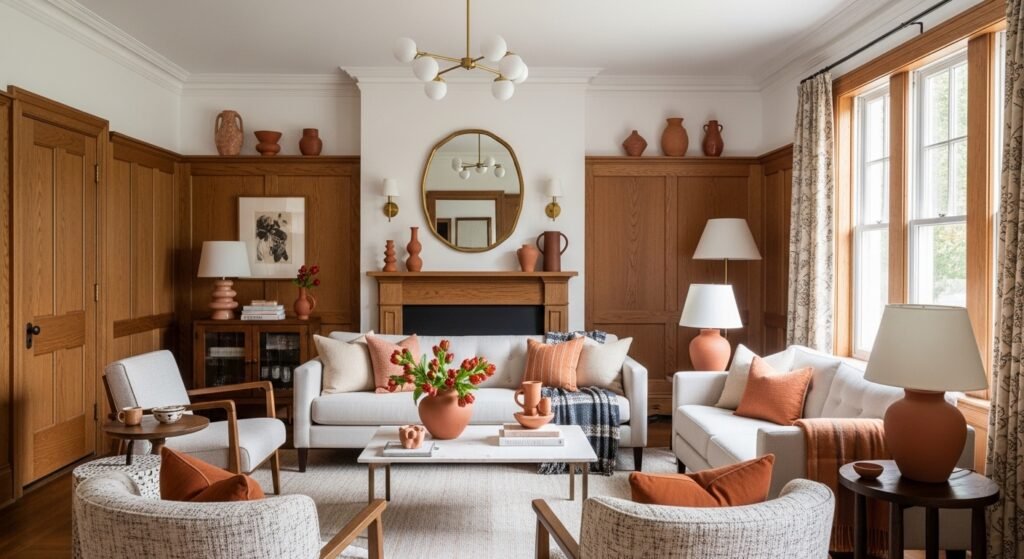
My living room had nice furniture and decent lighting but it still felt like a waiting room. Took me embarrassingly long to figure out it was missing texture. Every surface was smooth, every color was flat, and nothing invited you to actually sit down. One weekend with stain, sample pots, and a cheap handsaw later the place finally felt lived in.
These ideas lean warm modern and slightly rustic. Most projects are under $75, with a few splurges around $100-150 for tools or materials. They work in living rooms, bedrooms, kitchens, or any space that feels like it needs warmth and personality.
Warm Wood Accent Wall For A Cozy Living Room
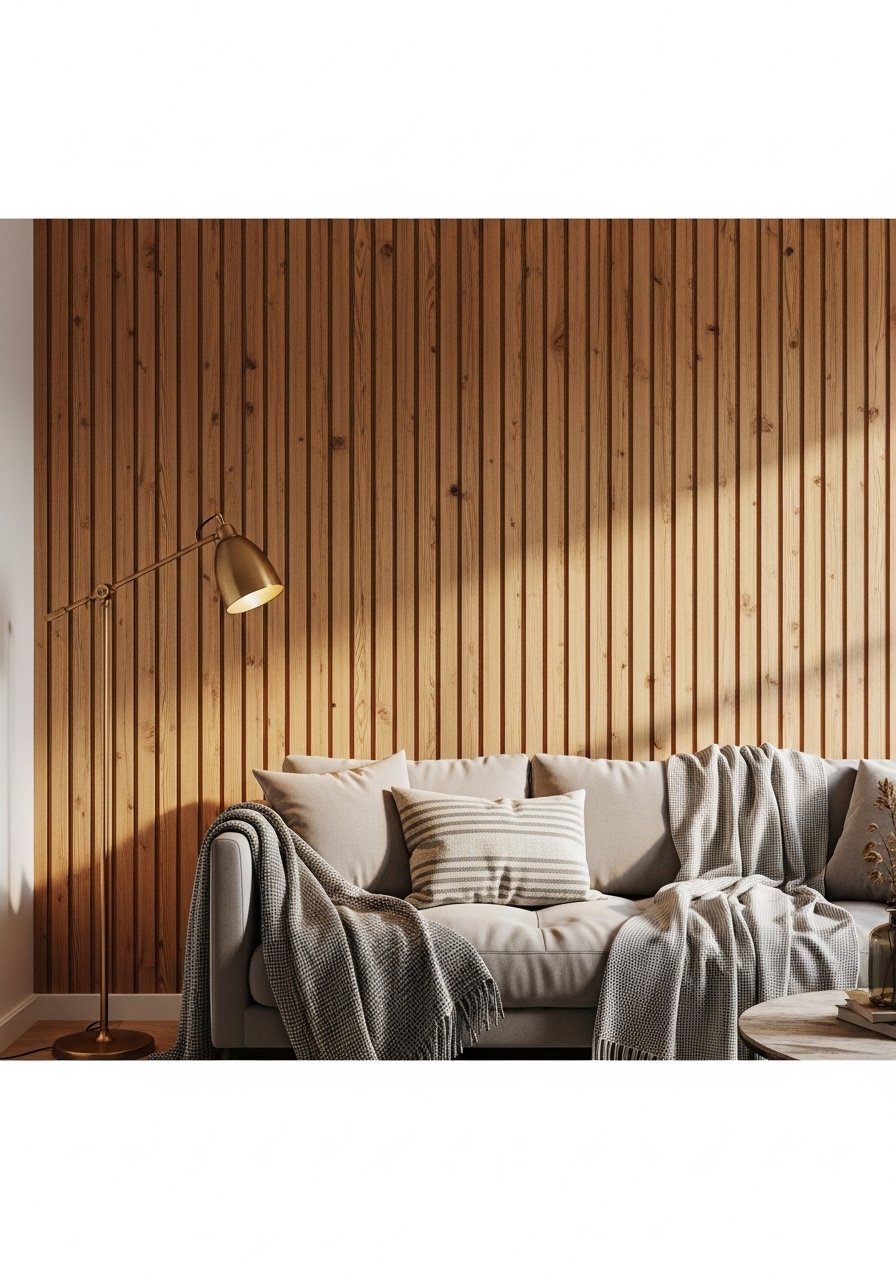
The moment I put up a warm wood wall, the room stopped feeling flat. Use tongue-and-groove shiplap or thin plywood boards stained with a mix of two parts raw umber to one part burnt sienna for a deep honey tone. I cut boards to wall height and installed them vertically with 16-inch studs, which gives a taller, cleaner look than horizontal planks. Budget runs $40 to $120 depending on how many panels you need. One common mistake is staining a sample under store lights. Test three stain samples on a scrap board in your room light. Pair this with the floating shelf idea below to display small ceramics. I used wood-look wall panels on a tight budget.
Terracotta Shelf Tiles For A Warm Kitchen Nook
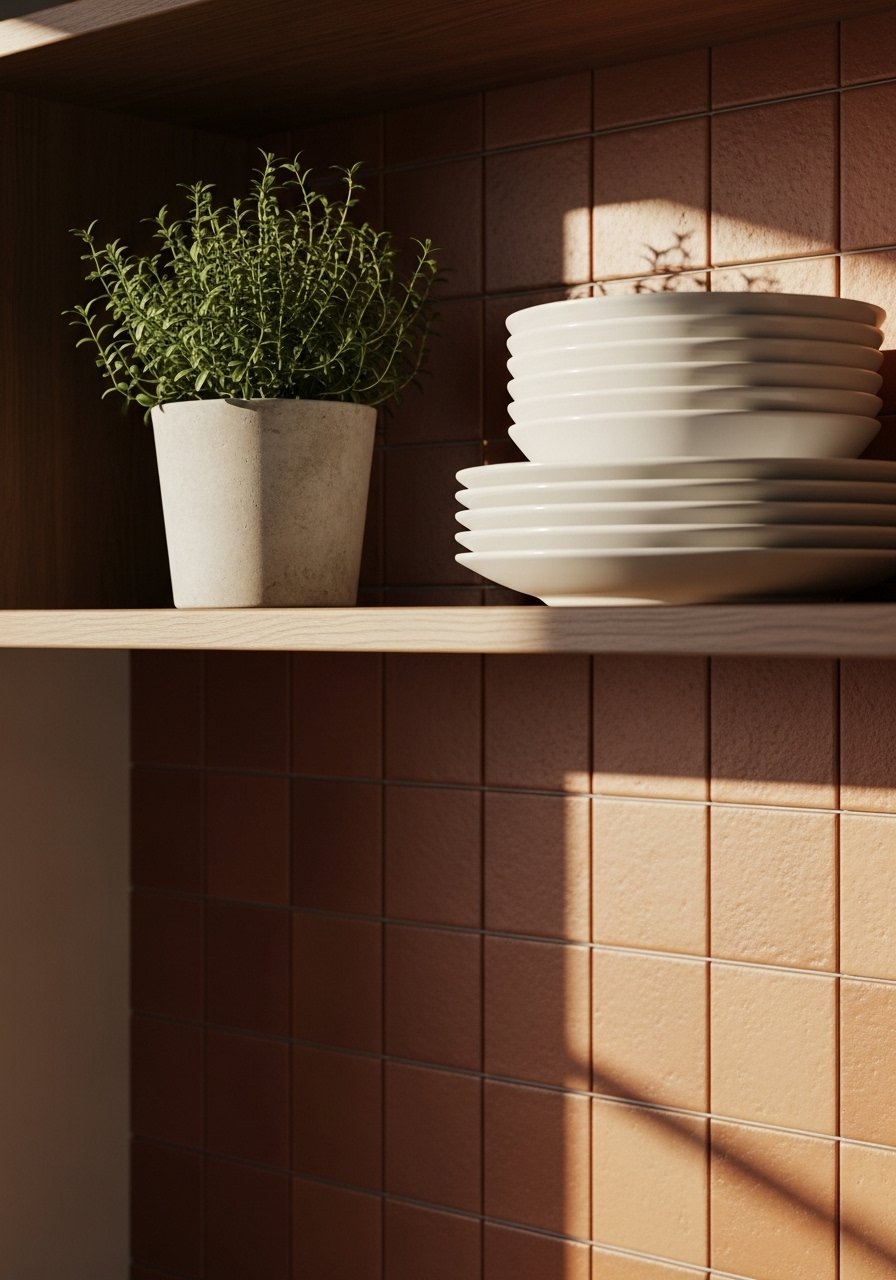
I tiled the back of open kitchen shelves with thin terracotta tiles and it felt like a tiny Mediterranean corner. Use 4×4 tiles and grout with a warm sand tone, then seal. Cut tiles to fit and leave a 1/8-inch grout line for a casual handmade look. This costs about $30 to $70 for a small run and works in kitchens or behind a console. People often pick white grout and regret the contrast. Go warm to hide fingerprints and crumbs. This also helps when matching warm textiles, because the red-brown pulls warm undertones from rugs and pillows. For quick buys pick up thin terracotta tiles.
Hand-Painted Ombre Fireplace Surround For Instant Warmth
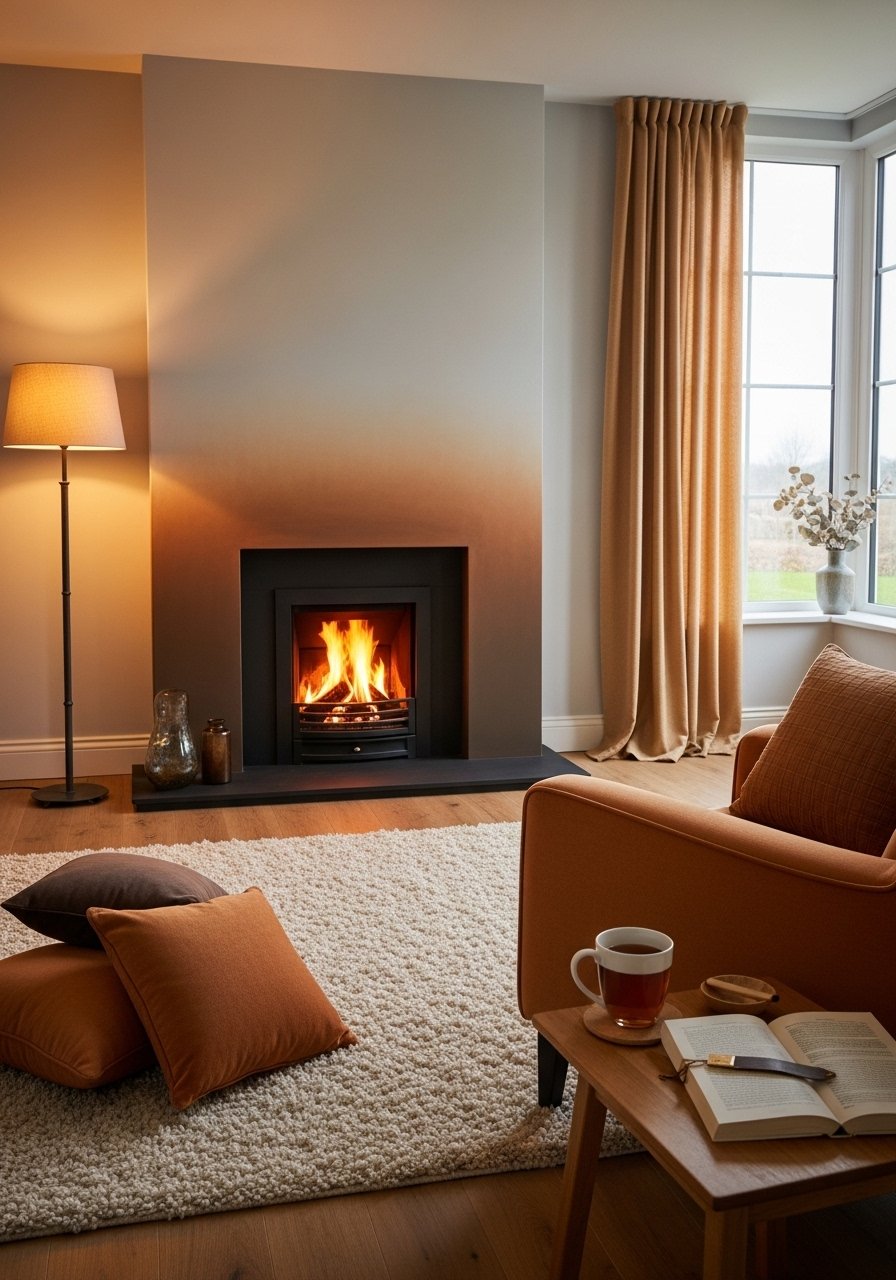
My fireplace had a cold marble surround that made the whole seating area feel formal. I painted a warm ombre using three sample pots from the same family, moving from deep clay at the base to a soft honey near the mantel. The trick is to use a 60/30/10 ratio for paint area: 60 percent main light, 30 percent mid tone, 10 percent dark anchor. Blend with a dry brush technique while the paint is damp. Budget is $20 to $60 for samples. A common mistake is hard edges between colors. Blend with a soft brush and step back often under both daylight and lamp light. Try sample paint pots if you need options.
Faux Plaster Walls In A Warm Bedroom
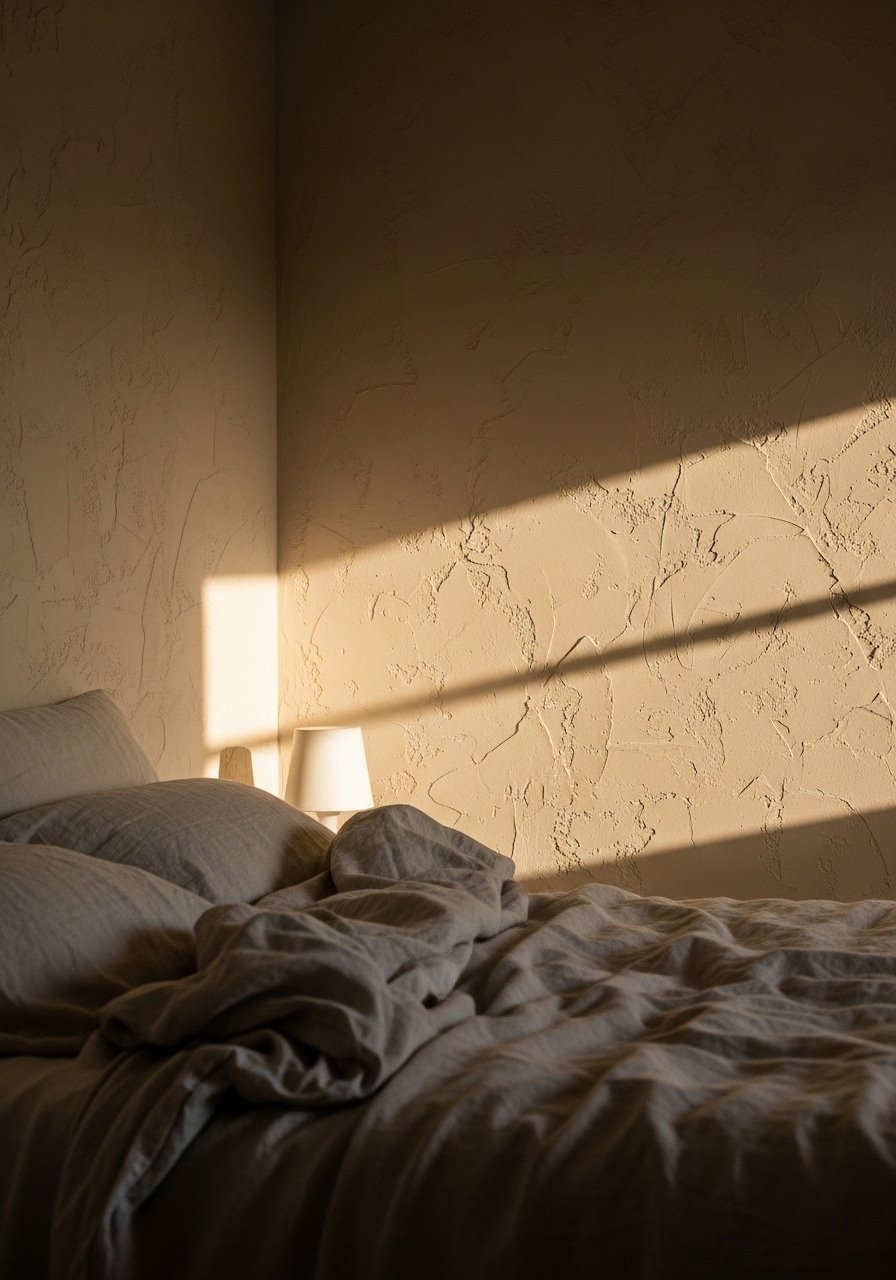
I faux plastered one wall to add depth without a major renovation. Use joint compound tinted with warm earth pigment, apply with a small stainless trowel, and swirl lightly for subtle texture. Work in 2-foot sections and keep each wet edge feathered into the next. Expect to spend $25 to $80 including pigments. People often sand too much and lose the texture. Leave the finish a little imperfect, it reads like natural lime plaster. For renters try removable textured wallpaper panels first. I used joint compound and pigments for the experiment.
Copper Pipe Shelving For Warm Industrial Kitchen
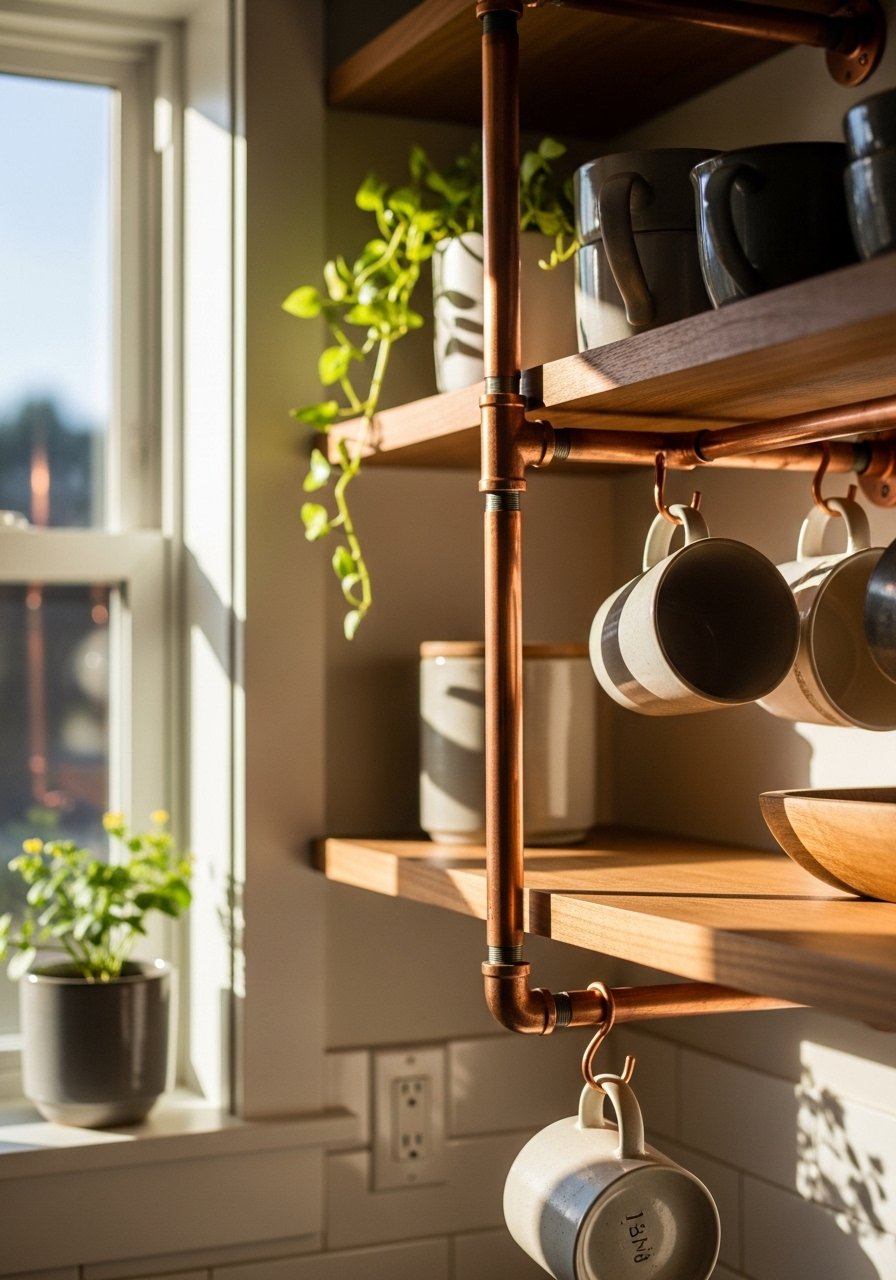
Swapping steel for copper changed the kitchen vibe to warmer and more lived in. Build open shelves with 3/4-inch copper pipe and brackets, and sand lightly for a muted sheen. Mount every shelf into a stud, and space pipes 12 to 14 inches apart for dinnerware. Budget is $40 to $100 depending on shelf count. A common mistake is buying cheap brackets that bend under weight. Use true copper fittings, not copper-look. Copper picks up warm light at night, which helps hide small paint imperfections on adjacent walls. Get the right fittings at copper-pipe-shelf-kits.
Painted Rattan Headboard For A Warm Bedroom Touch
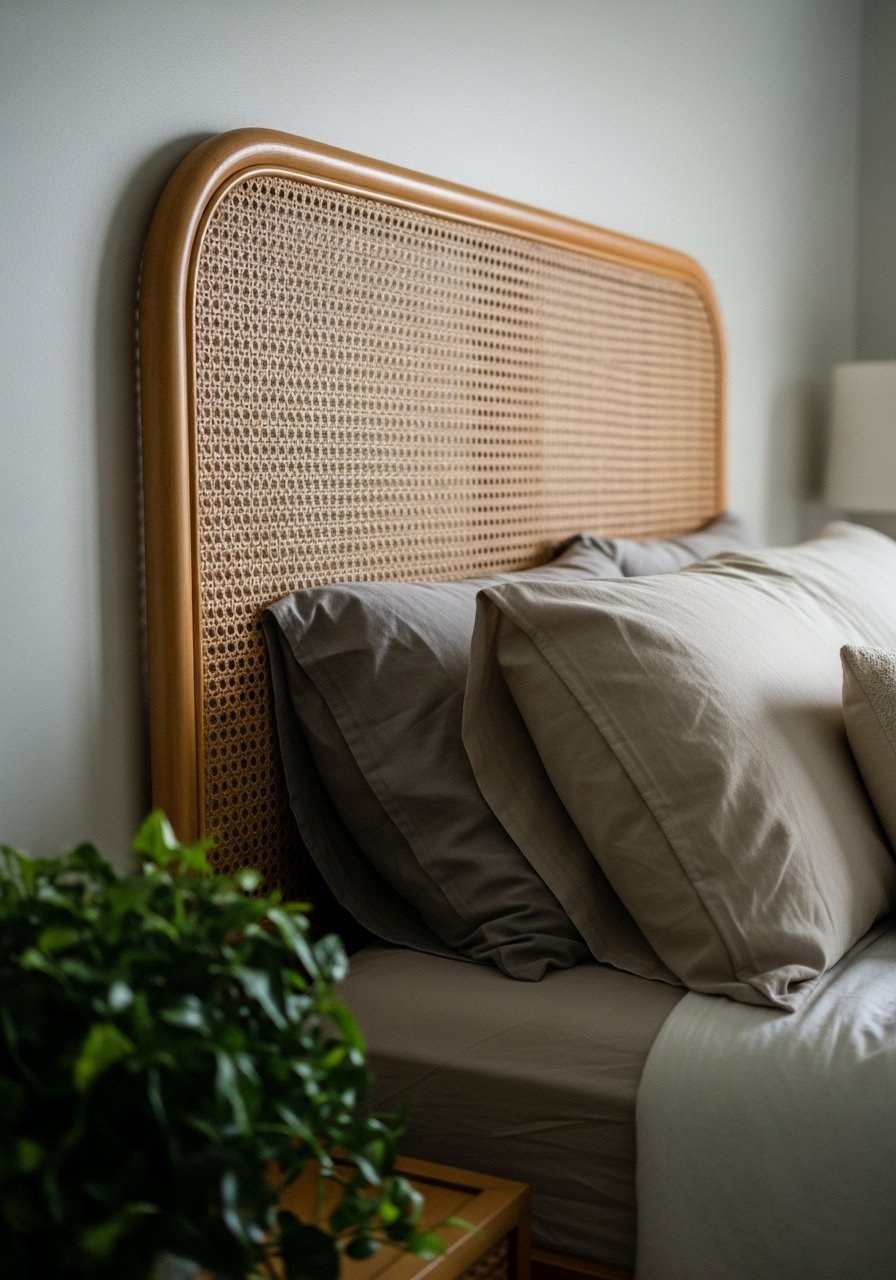
There is something about a warm rattan headboard that makes a bed feel lived in. I swapped my dark headboard for a thrifted rattan piece, sanded it, then gave it a thin wash of watered-down stain so the weave still reads. Watered stain at a 4:1 ratio of stain to water keeps it translucent. Expect $20 to $60 including the find and stain. Mistakes include overpainting and losing the weave texture. Leave gaps and knots visible. This pairs well with the layered pillow mix idea below. I used stain and brushes for the finish.
Stenciled Runner For A Warm Hallway Update
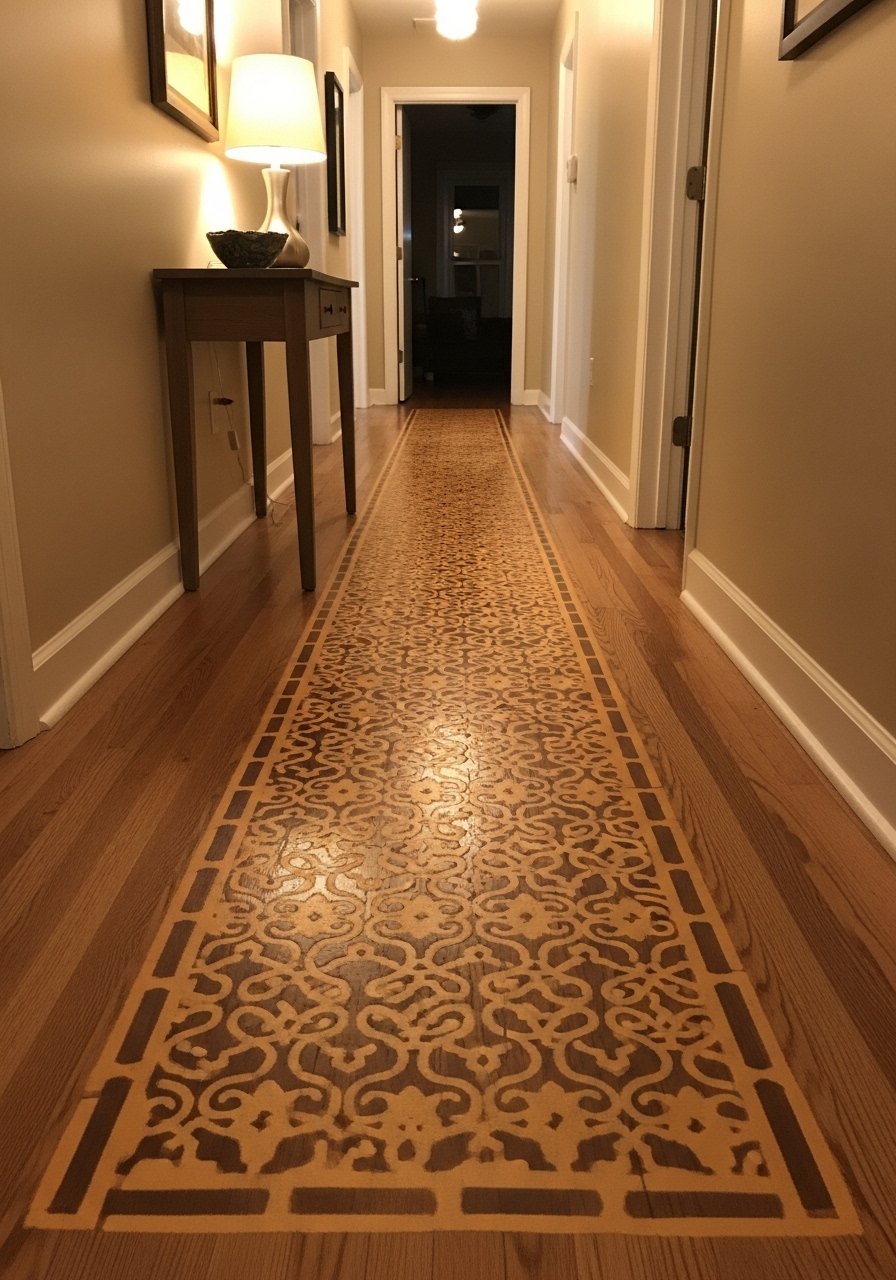
I painted a runner on my narrow hallway floor to add warmth without buying a rug. Choose a low-traffic hall and use floor paint. Pick a repeating stencil pattern and space repeats at 6 to 8 inches center to center for balanced rhythm. The project cost me $30 for stencil and paint. Don’t try this on very old floors without priming first. Also test under evening bulbs, because "Most mismatches happen because store lights lie." A painted runner is washable and perfect for renters who want visual color without rugs. I used durable floor paint.
DIY Brass Frame Gallery For Warm Entry Walls
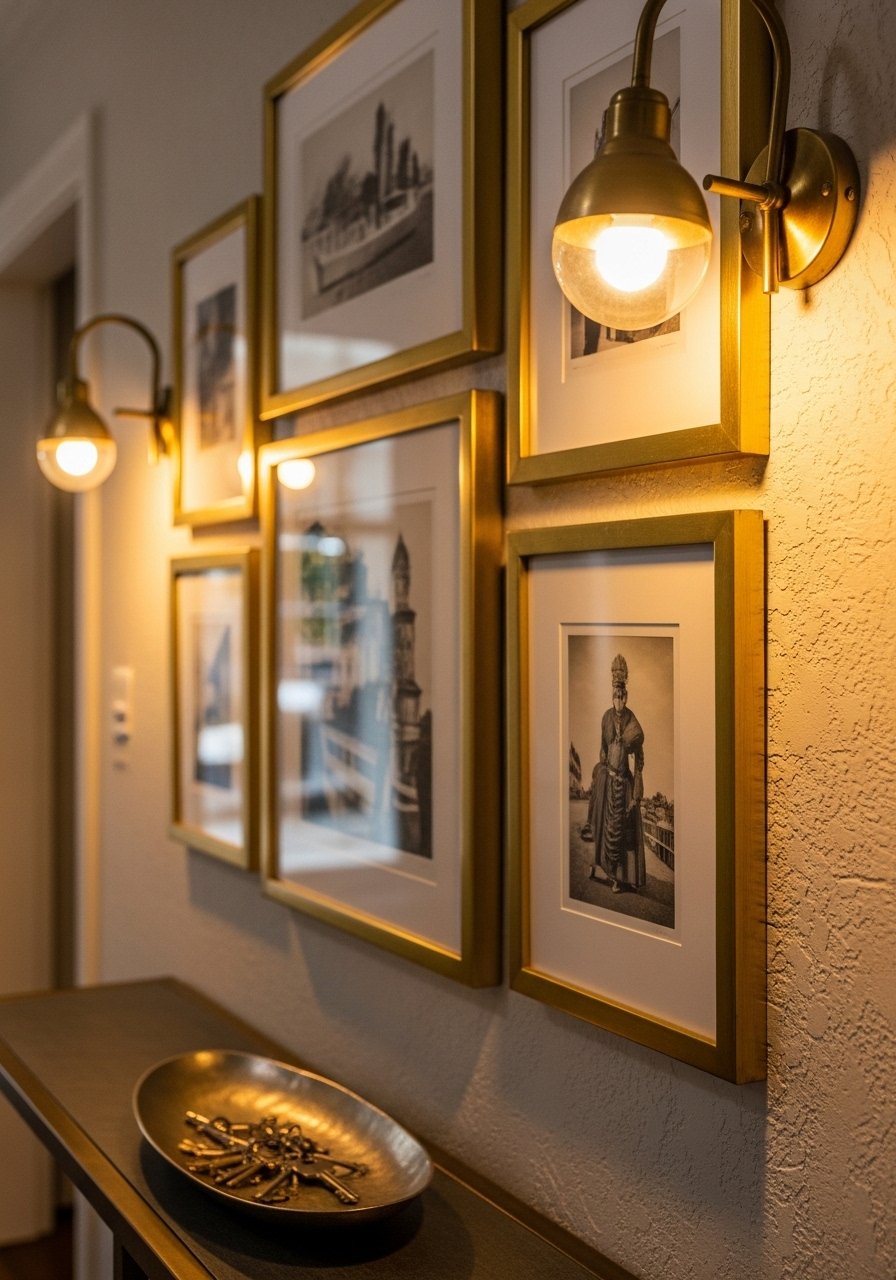
I found brass ledges and mixed print sizes for the entry, and suddenly arriving felt intentional. Use lightweight brass picture ledges hung at eye level and stagger frames in odd numbers. Two frame sizes, repeated in a 3:2 ratio, keeps the layout balanced. Budget is $25 to $70 with thrifted prints. The mistake most people make is centering the whole gallery too high. Keep the center at 60 inches from the floor. If you want to swap art often, these ledges save nail holes. Brass picture ledges made rotating pieces simple.
Layered Pillows And Throws In Warm Neutral Living Room
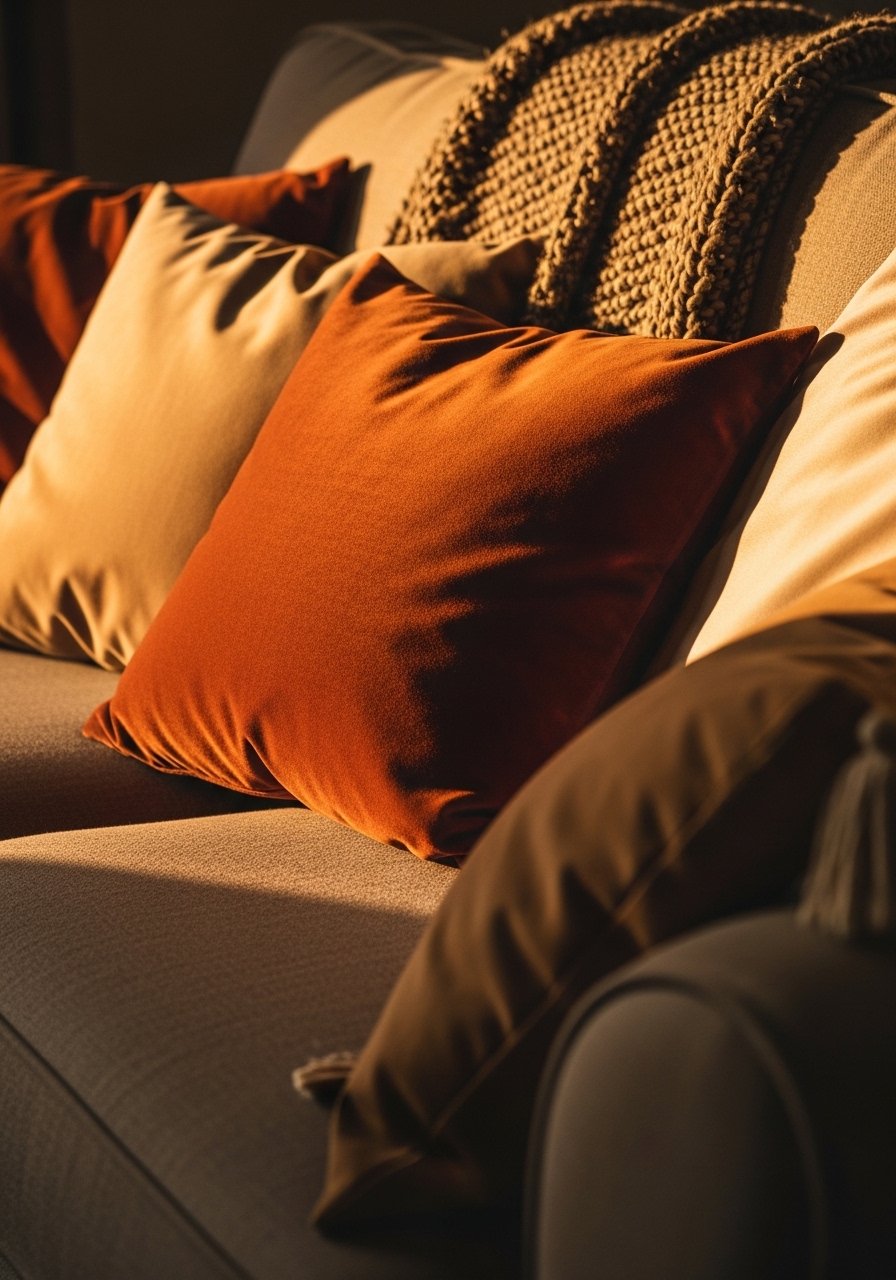
Spent $400 on a coffee table and then fixed the room with $35 in textiles. That actually happened. For pillows, aim for a 2:1 ratio of accent to base sizes, for example two 22-inch linen pillows with one 18-inch velvet accent. Mix textures, not patterns. I always use at least one warm rust or terracotta pillow to anchor the palette. Budget $40 to $120 depending on inserts. A mistake is matching all pillow colors too closely. Add a small contrast in tone to prevent flatness. Try linen pillow covers 22-inch for a natural base.
Dipped Ceramic Vases And Candle Holders For Table Warmth
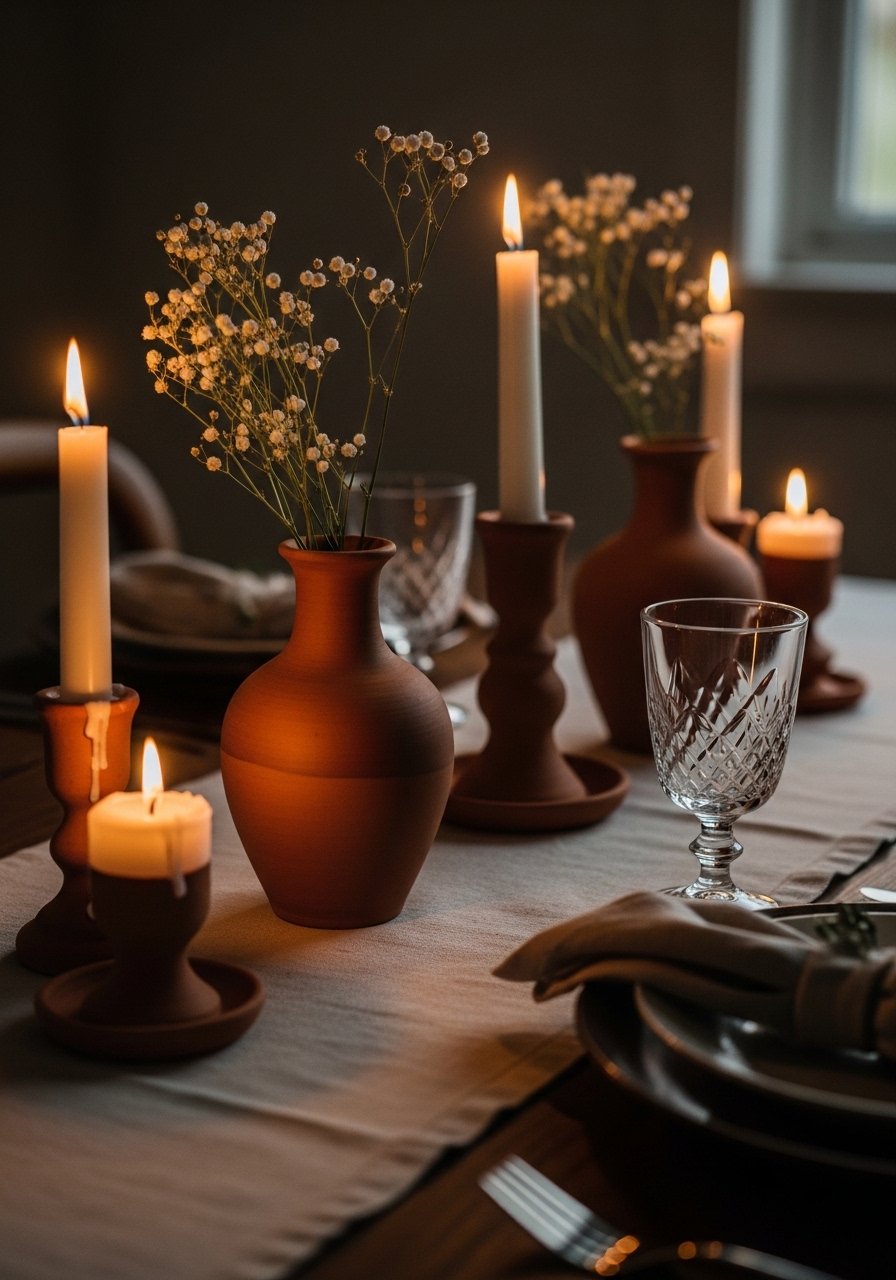
I painted the bottoms of white thrifted vases with clay paint and suddenly the table looked edited. Use chalk paint or a terracotta dip and cover the bottom third for a grounded look. Let each dip cure 24 hours and seal with matte varnish. Budget is $10 to $40 depending on how many pieces you redo. People often rush drying and end up with drips. Use painter’s tape to mark the line and sand lightly between coats. These pieces layer well with the gallery or wood shelf ideas above. Chalk paint starter kit is a helpful buy.
Floating Shelves With Warm Underlighting For Kitchen Display
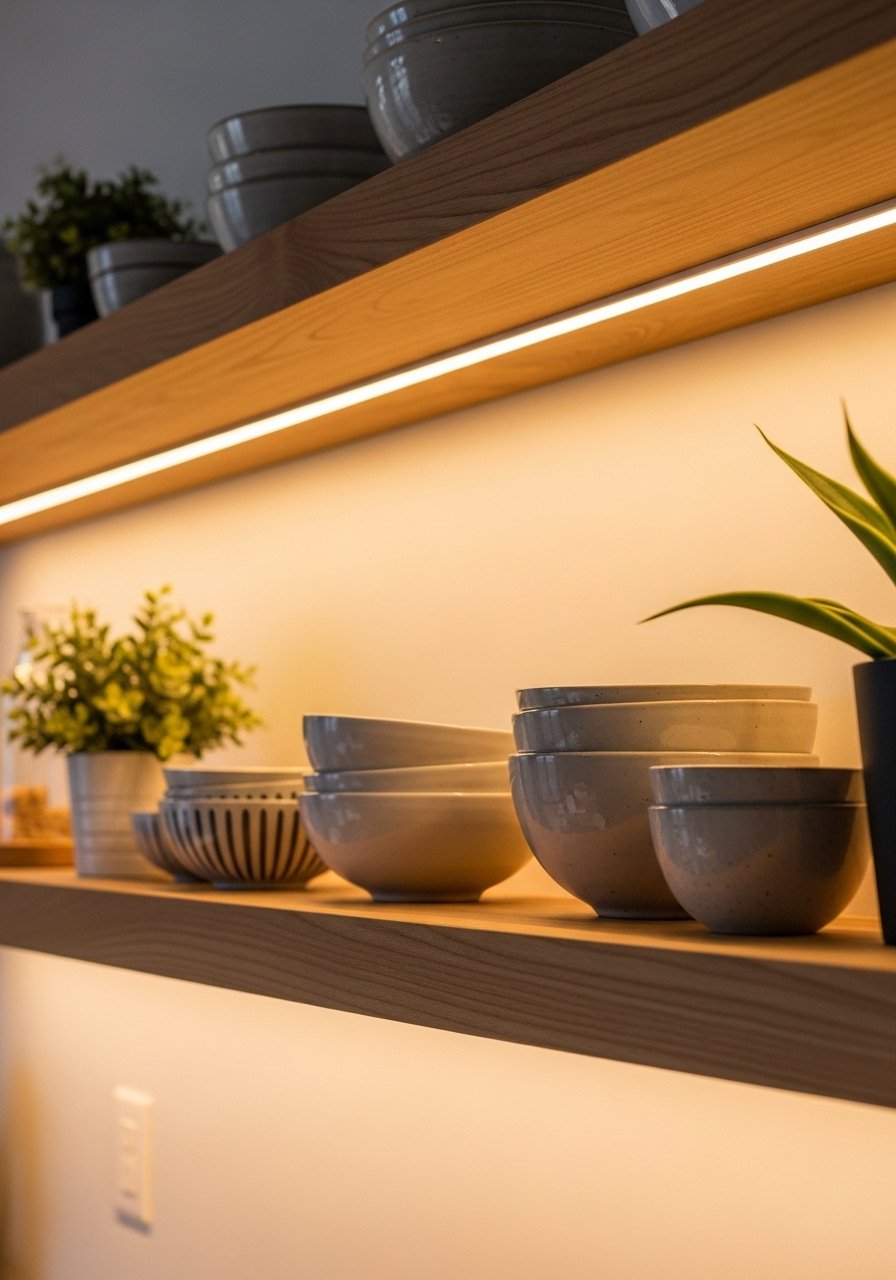
I installed floating shelves and added warm LED tape under each shelf to showcase ceramics. Use cleat-style shelves for strength and run LED strips hidden under the back lip. Warm 2700K LEDs read golden and make wood look richer. Keep strip runs under 10 feet per power source to avoid dimming. Expect $50 to $150 for proper hardware and underlighting. A common mistake is using cool white lights that make wood look washed out. "Formula pulls hit 6 out of 10 times across brands" is true when matching finishes, and the right light makes a huge difference. I used warm LED strip light 2700K.
Refinish An Old Side Table With Warm Milk Paint
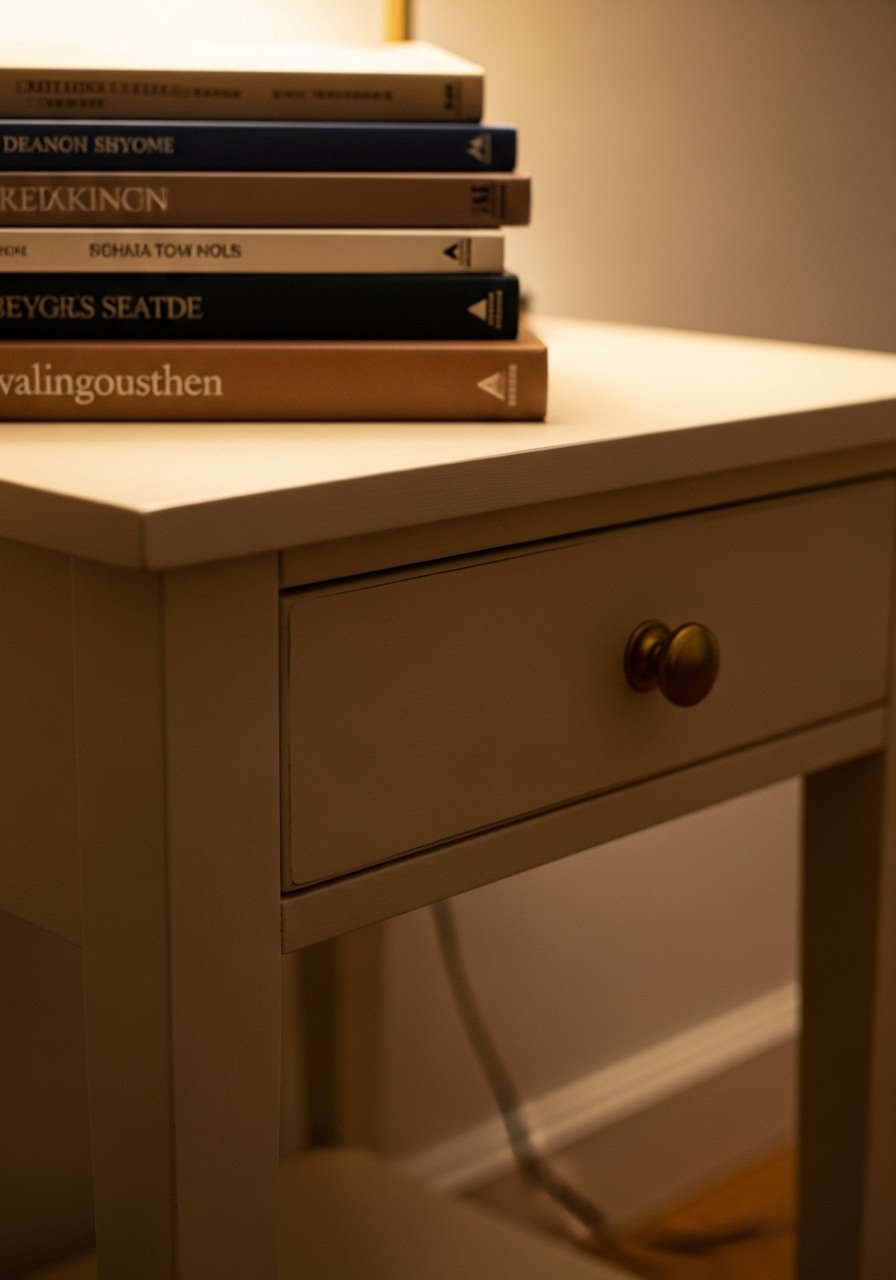
An old table from a yard sale looked new after milk paint and a loop of sanding. I mixed milk paint to a warm camel shade and applied two thin coats. Distress lightly along edges with 120-grit paper and finish with clear wax. Budget $20 to $60. Too much sanding removes character, and too little leaves a sloppy finish. Test a 2×2 inch patch first. If your house has pets, choose a tougher topcoat so the finish holds up. I ordered a milk paint starter set for the first try.
Fabric Swatch Wall Art For Warm Toned DIY Bedroom
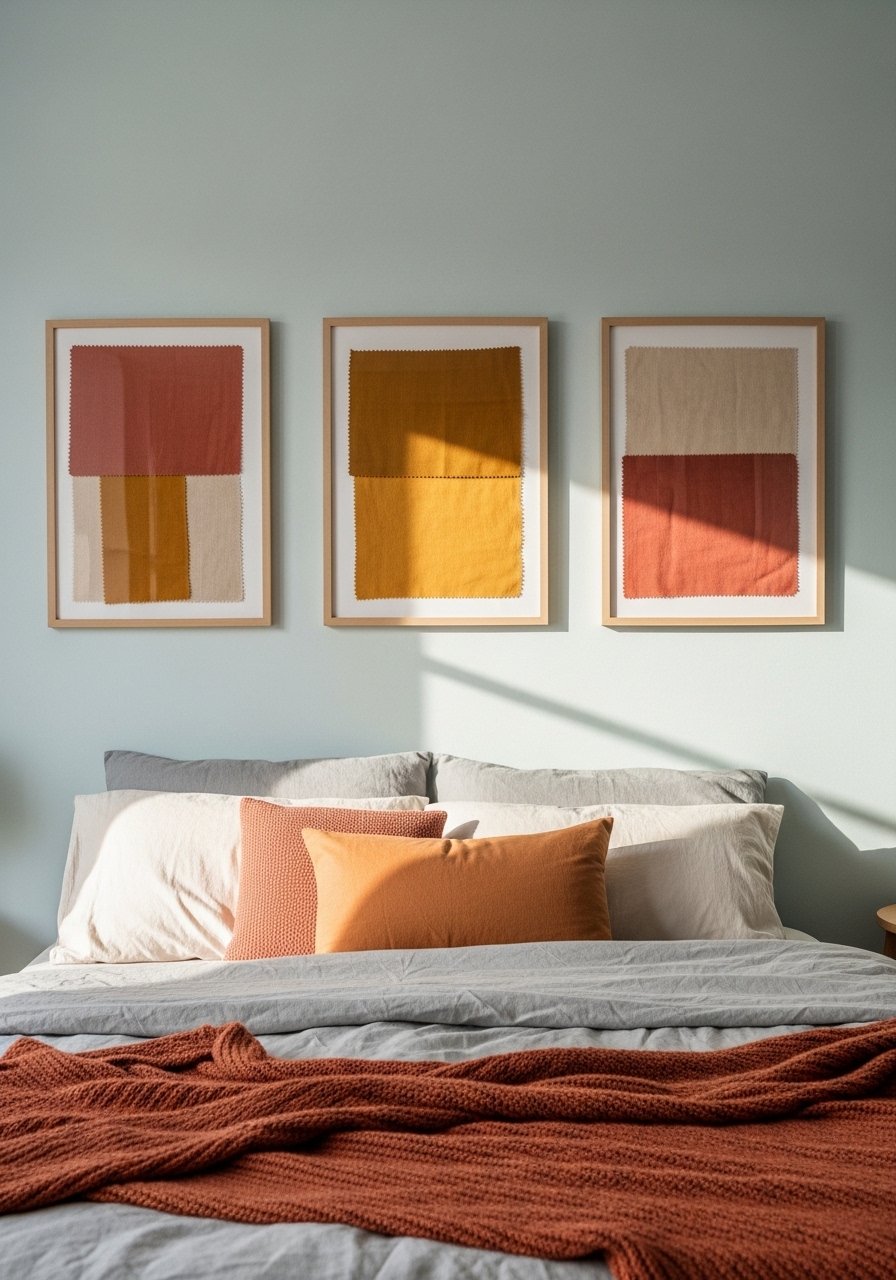
I framed fabric swatches to hang over the dresser and it pulled the whole palette together. Cut swatches to 8×10 inches, mount on foam core, and use simple frames. Mix a tiny patterned swatch with a solid in a 2:1 ratio for interest. Cost is $15 to $45 for a set of three frames. A mistake is choosing fabrics that reflect light oddly. Test fabrics against your wall color and under your lamps, because 4 out of 5 skip room tests and regret it. These are easy to swap seasonally and pair perfectly with the pillow layering idea above. I bought 8×10 frames set of 3.
Your Decor Shopping List
Textiles
- Honestly the best $40 I have spent. Velvet pillow covers, set of 4 in rust and cream
- Chunky knit throw in cream (~$35-55). Drape over the sofa arm for instant warmth
Wall Decor
- For the curtain trick in idea 3, you need length. 96-inch linen curtain panels (~$30-50 per panel)
- Brass picture ledges (~$18-25) let you swap art without new nail holes
Lighting
- Warm LED strip light 2700K for under-shelf glow
- Warm table lamp with brass base (~$45-90) for amber pool lighting
DIY Tools & Paint
- Wood-look wall panels for quick accent walls
- Milk paint starter set to refinish small furniture
Budget Finds
- Thin terracotta tiles for shelf backs
- 8×10 picture frames set of 3 for fabric swatch art
Notes: sizes and materials listed above match the main projects. Many items have similar options at Target or HomeGoods if you prefer to see them in person.
Shopping Tips
Grab linen curtain panels 96-inch for taller windows. Curtains should kiss the floor or puddle slightly, never hang halfway up.
Velvet pillow covers are $12 each. Swap them seasonally and the whole room feels different.
Pair a warm wood wall with warm 2700K lighting. Warm LED bulbs 2700K keep wood looking rich, not washed out.
If you want greenery that needs no care, pick a large faux plant. One single artificial fiddle leaf fig 6ft has ten times the visual impact of small succulents.
When matching paint, always test samples on poster board and check them in your room at night and day. Formula pulls hit 6 out of 10 times across brands, so use both scans and eyeballs.
Frequently Asked Questions
Q: How do I avoid paint that dries different than the sample?
A: Test paint on a full poster board and watch it dry in your room light for 48 hours. Also try the paint under your lamps. Bring the same sample to any pro color desk and ask for the formula rather than a visual match.
Q: Can these warm projects work in a small apartment?
A: Yes. Use smaller-scale updates like fabric swatch art or dipped vases. Peel-and-stick wood panels or faux plaster wallpaper panels work for renters and avoid permanent changes.
Q: What size rug should I use with layered pillows and textiles?
A: Go bigger than you think. For a living room, aim for an 8×10 so front legs of seating sit on the rug. If space is tight, use a 6×9 and anchor both the sofa and a chair with the edges.
Q: How do I keep pets from ruining painted furniture or rugs?
A: Choose a tougher topcoat and washable textiles. For painted furniture, a water-based polyurethane topcoat adds durability. For rugs, pick indoor-outdoor jute or polypropylene that can be hosed off.
Q: Should I mix metals or match everything?
A: Mix them. A few brass accents with copper and matte black grounds the palette and reads intentional. If you want an easy start try mixed metal frames for the entry.
Q: I matched a fabric swatch at the store and it was off at home. What went wrong?
A: Most mismatches happen because store lights lie. Always bring fabric samples home and view them in your room under both daylight and artificial light. A scanner helps, but your eye should make the final call.