
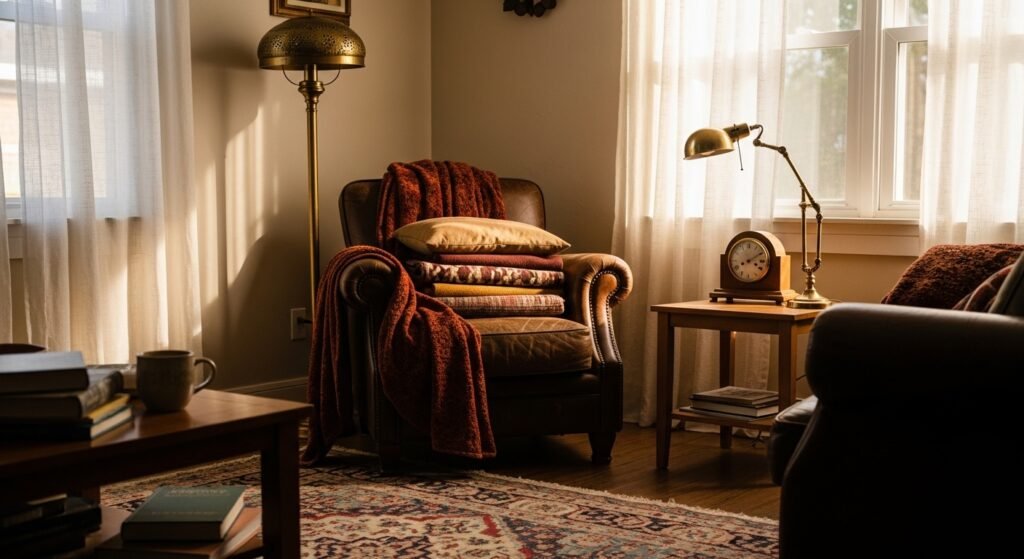
My living room used to feel like a showroom, pretty but not lived in. One afternoon I swapped a thin polyester throw for a chunky knit and suddenly people wanted to sit down. It was small moves that fixed it, not replacing furniture. You can get that collected, warm vintage look by mixing old and new, layering textures, and making sure your colors read warm and soft in real light.
These ideas lean cozy vintage with a touch of mid-century. Most items are under $100, with a few special pieces around $150. They work in living rooms, bedrooms, entryways, or any spot you want to make feel like it has history and warmth.
Layered Textiles in Rust, Mustard, and Cream
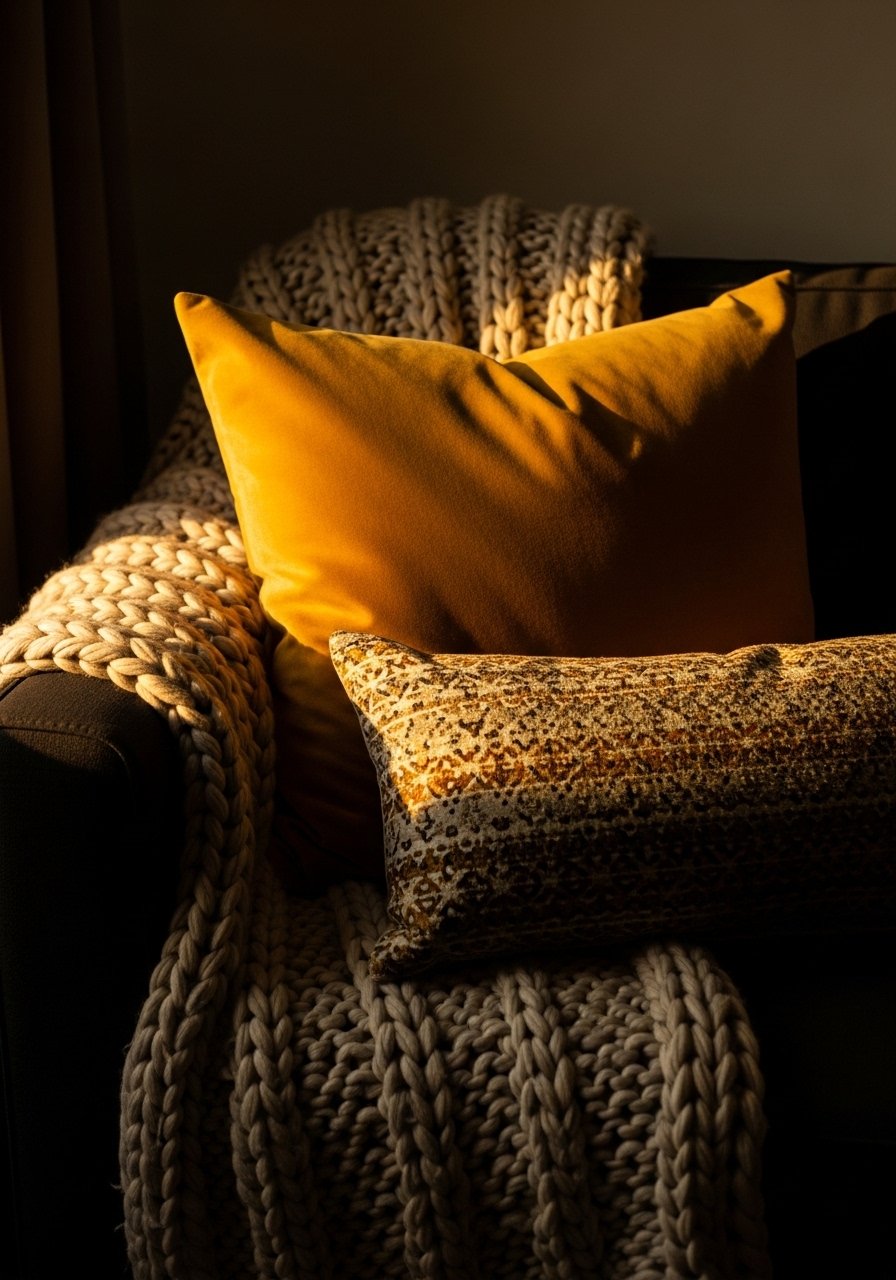
The moment I draped a chunky knit over my gray sofa, the room stopped feeling flat. Warm vintage rooms live and breathe through textiles, so aim for a ratio of two solids to one patterned piece in a seating group. I use 22-inch down-filled linen pillow covers for structure and a 20×14 patterned lumbar to bring scale into the mix. Try Chunky knit throw in cream (~$40) and a set of Velvet pillow covers, set of 4 for quick depth. A common mistake is matching every pillow to a couch color. Instead pick one accent like rust and repeat it in a small object so it reads intentional. For real rooms, layer a washable throw beneath the knit to protect furniture.
Mismatched Wood Tones for Collected Character
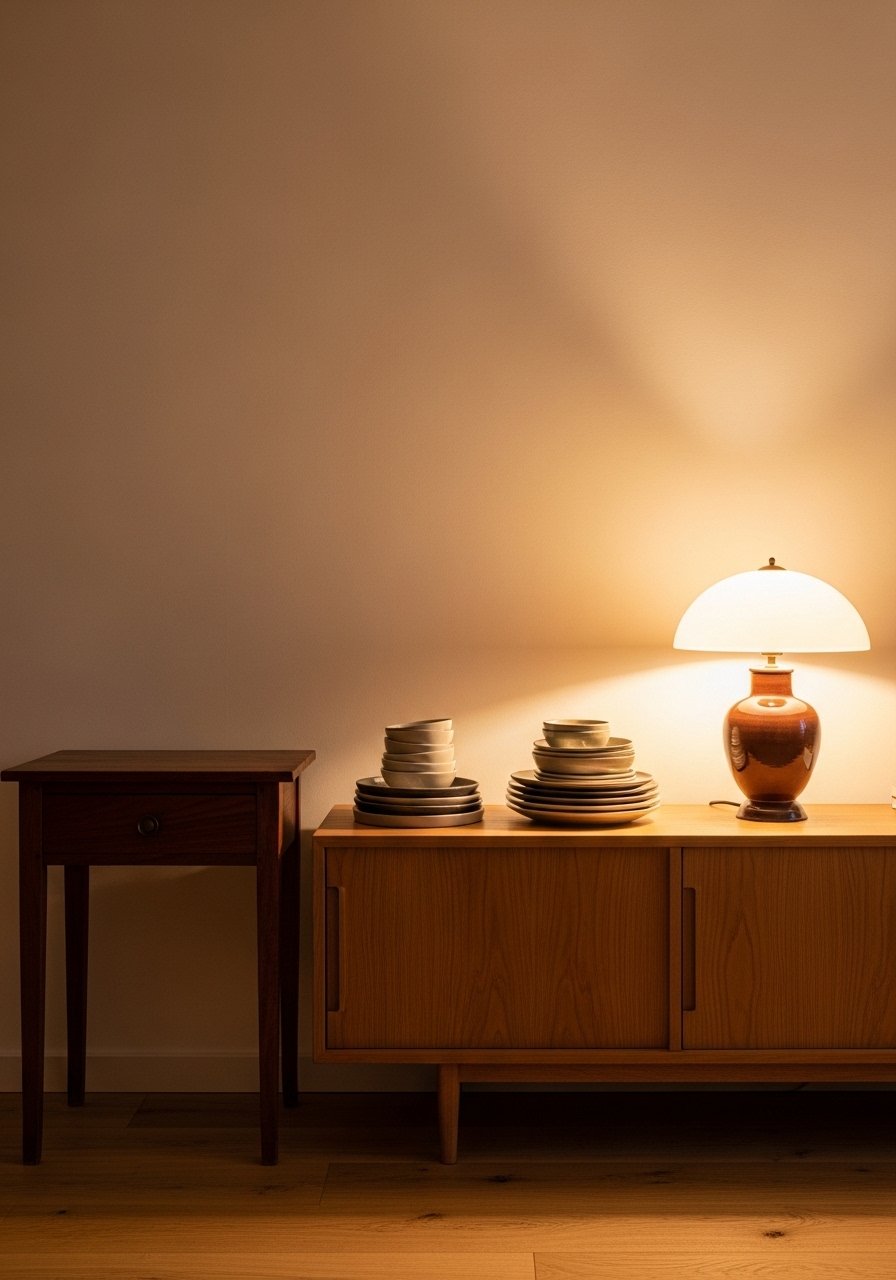
I used to think all wood had to match. Then I paired a dark walnut side table with white oak shelves and the room finally felt gathered. The trick is balance, not matching. Keep the largest piece in one finish and use two accent finishes elsewhere. For example, white oak beats dark wood when paired with warm textiles. Add White oak floating shelves for $80 to $120 to anchor a wall, and hunt thrifted smaller tables for contrast. People often sand and stain everything to match and end up with a generic set. Leave some patina and scratches. One extra detail I use is a 2:1 ratio for warm-to-cool woods so the space tips warm without feeling heavy.
Gallery Wall with Mixed Frames and Found Objects
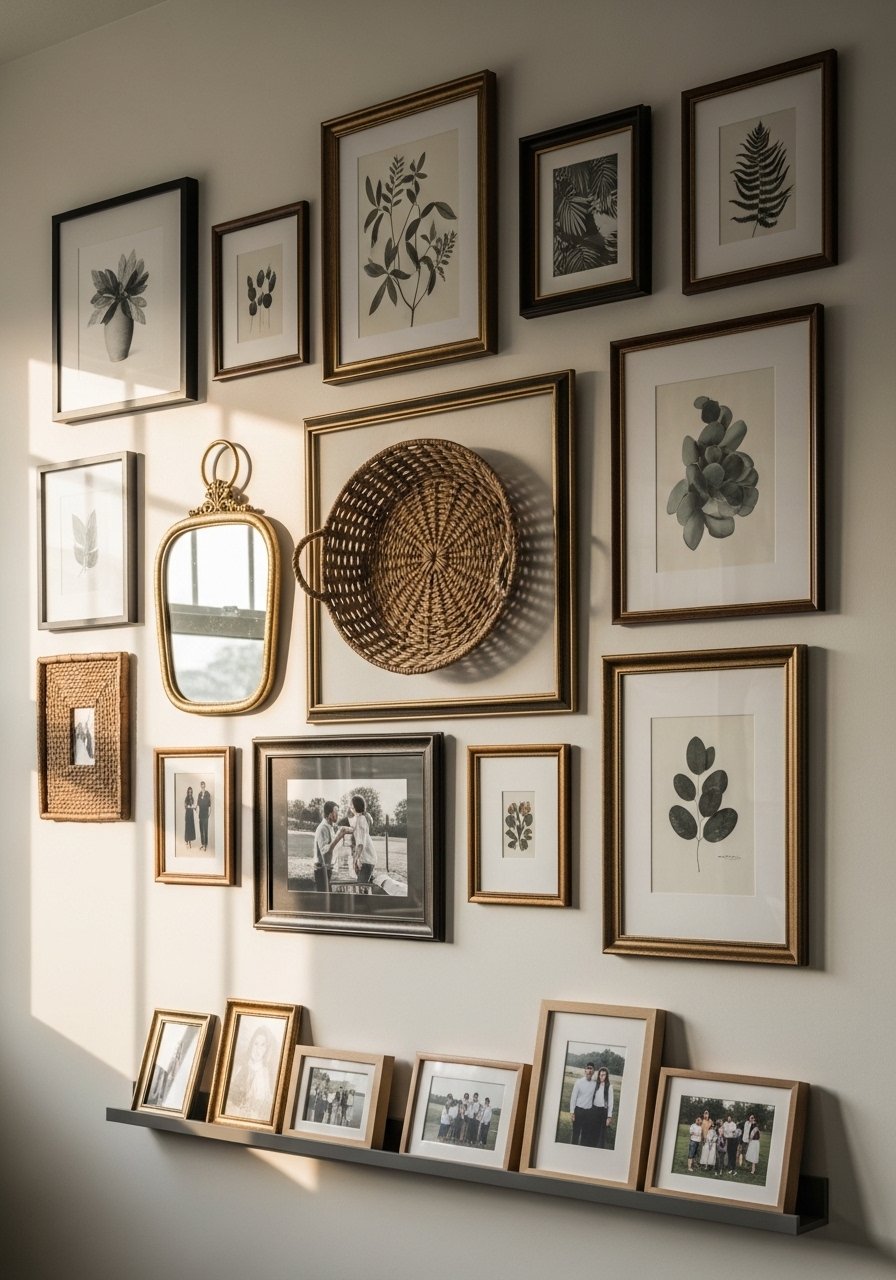
My gallery wall began with three mismatched frames and a brass picture ledge. Frames in different metals and finishes make a wall feel edited instead of matchy. Hang art so the center of the composition sits around 57 inches high, and keep 2 to 3 inches between frames for a tight, collected look. I use Brass picture ledges to swap prints without more holes. A common error is making every frame the same size. Instead mix a large 24×36 piece with several 8x10s and a small textile or object. If you are renting, use removable hooks and a single shelf so you can change arrangements without damage.
Layered Rugs with a Vintage Base
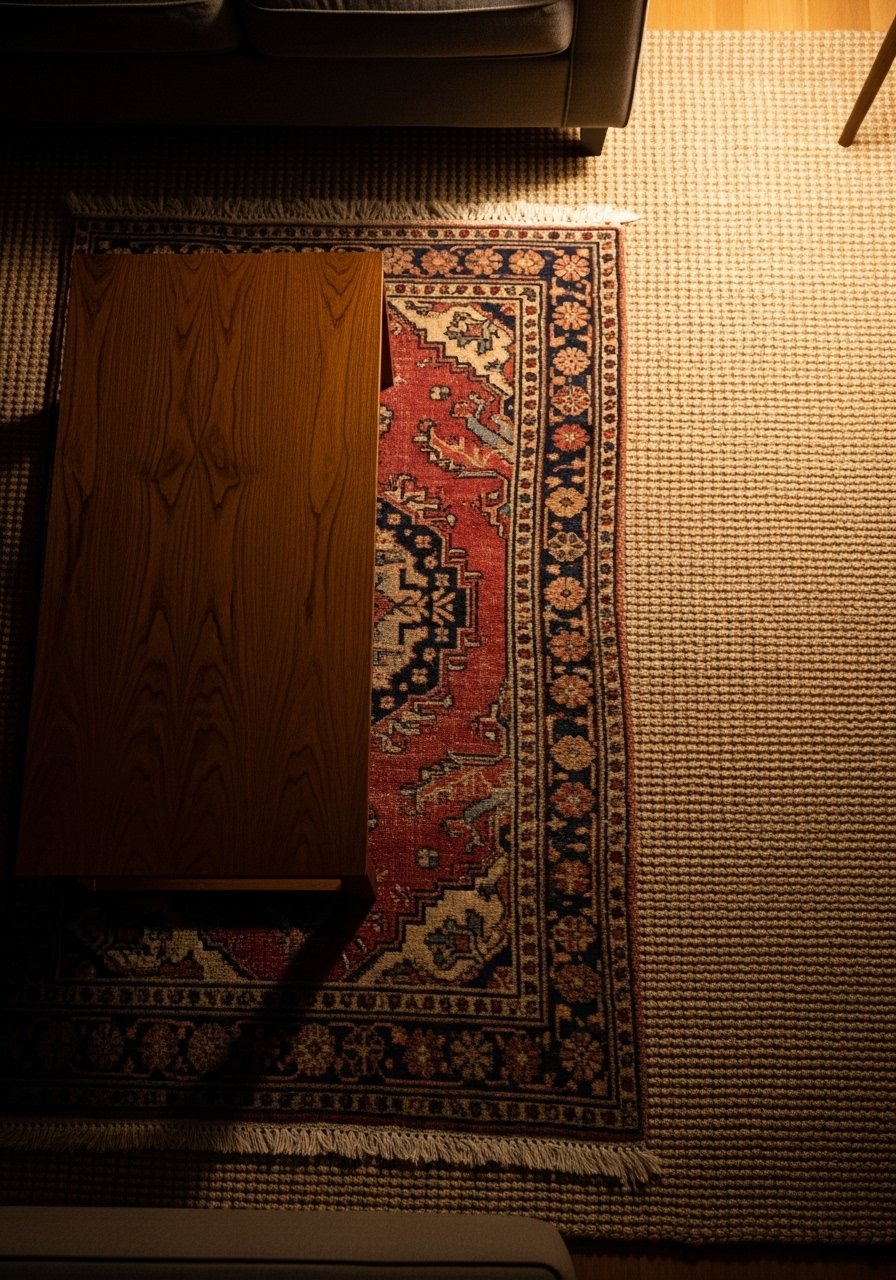
I learned rug layering the hard way by using rugs that were too small. For a standard seating area, start with at least an 8×10 base rug and layer a smaller 5×7 vintage runner on top, centered under the coffee table. The jute base gives texture and the vintage rug brings pattern without overpowering. Try This 8×10 jute rug for durability and a smaller Vintage-style kilim rug for color. A typical mistake is placing rugs where none of the front legs sit on them. Keep all front legs on the rug for cohesion. For high-traffic rooms, use a low-profile pad under both rugs so they stay put.
Distressed Leather or Faux Leather for Warmth
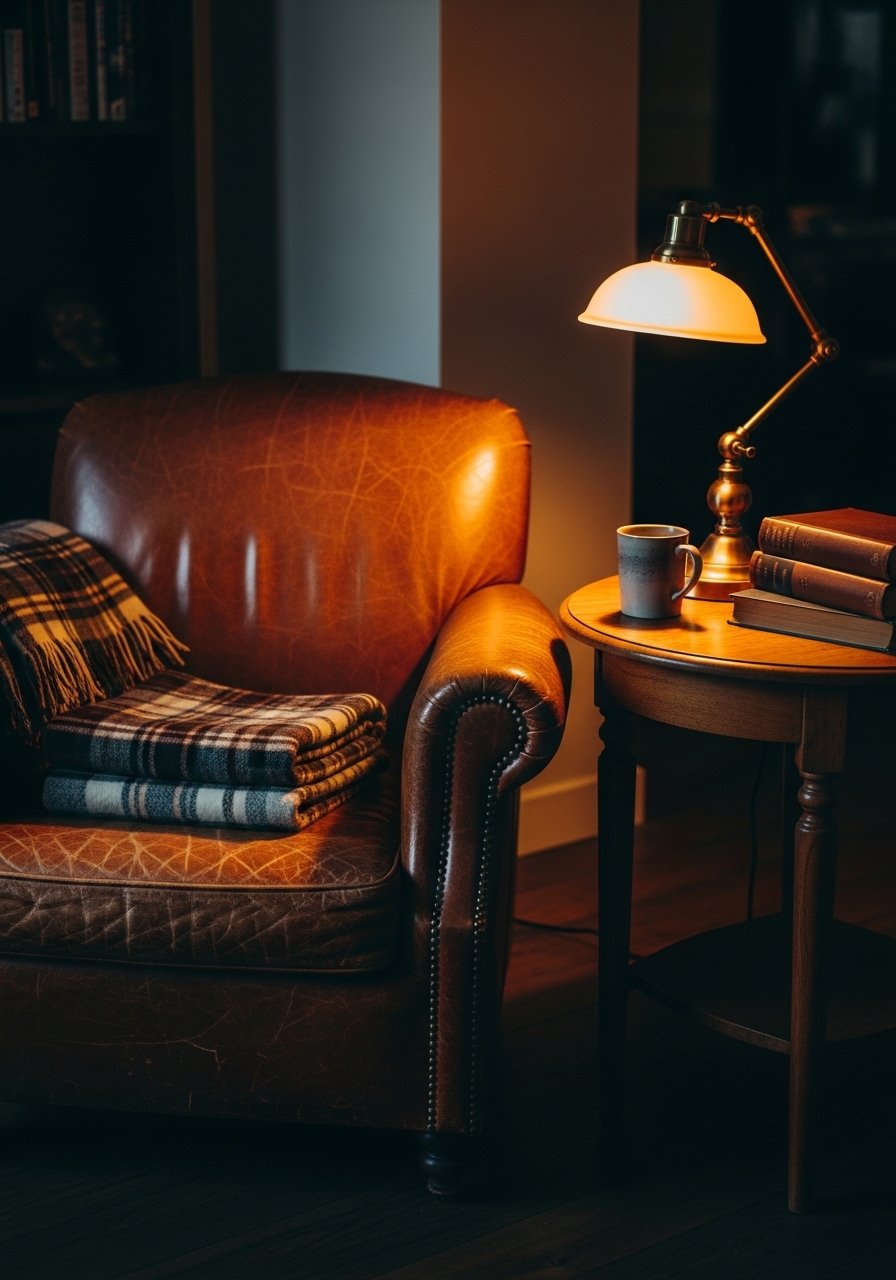
A leather chair with patina changes a room from decorated to lived-in. I chose a distressed brown club chair and it anchors every seating group. If real leather is out of budget, pick a well-textured faux that reads matte, not shiny. I linked a durable Distressed leather accent chair and a Faux leather pouf that works for extra seating. People make the mistake of picking leather that is too dark for small rooms. Opt for medium brown tones and add a cream lumbar pillow to soften the silhouette. Tip: oil or conditioning will darken real leather in spots, so test an inconspicuous area before treating the whole piece.
Amber Glass Lighting for Vintage Glow
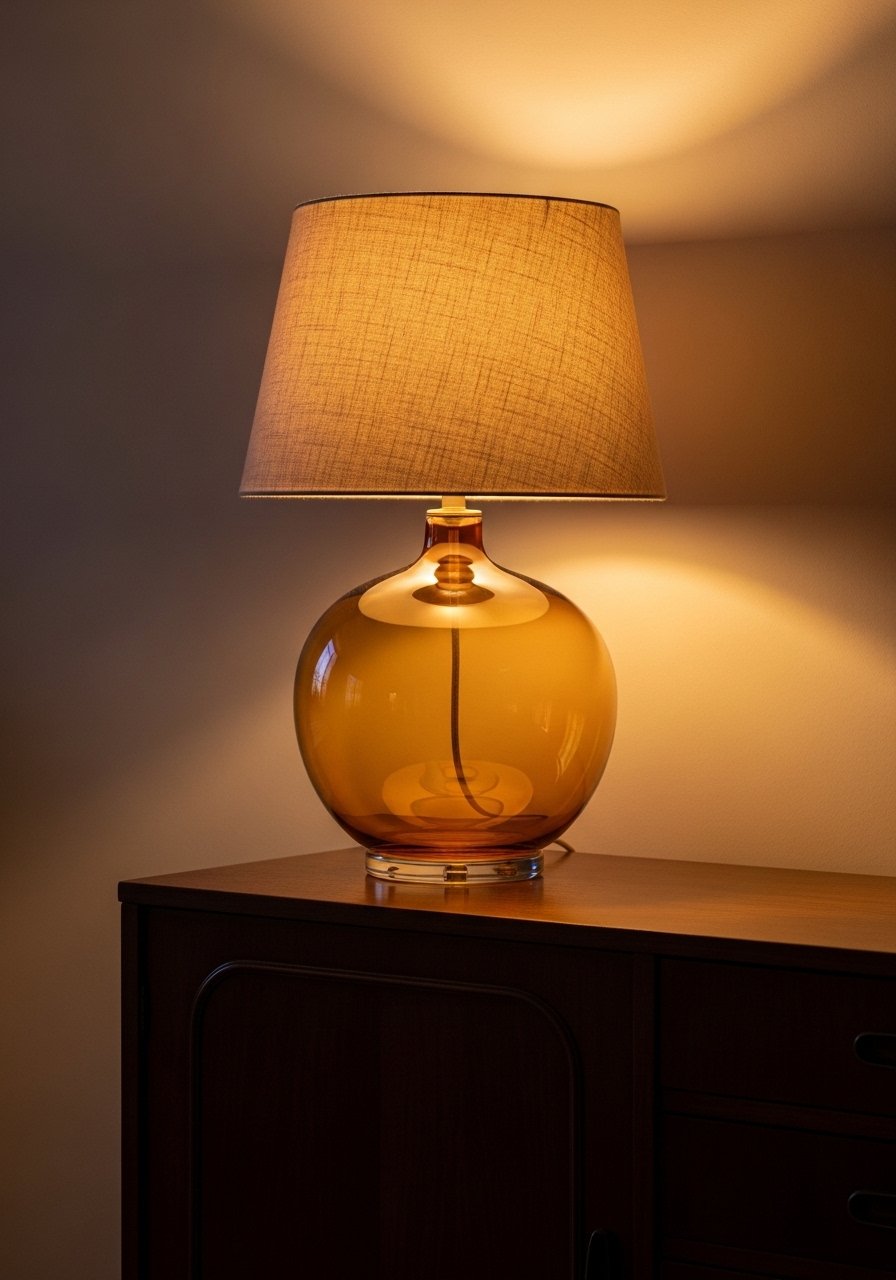
Switching to amber glass lamps solved my harsh overhead light problem. Amber bulbs and glass add warmth without awkward orange tones. I use side lamps with linen shades and one overhead fixture with a dimmer. Use Amber glass table lamp for the living room and swap to 2700K bulbs to keep skin tones warm. A common mistake is assuming any "warm" bulb will work. Test lights at night and in the afternoon in your room. Half the time that first paint match flops from light tricks. The same is true for bulbs, so try them in the actual space before committing.
Oversized Mirror to Brighten Dark Corners
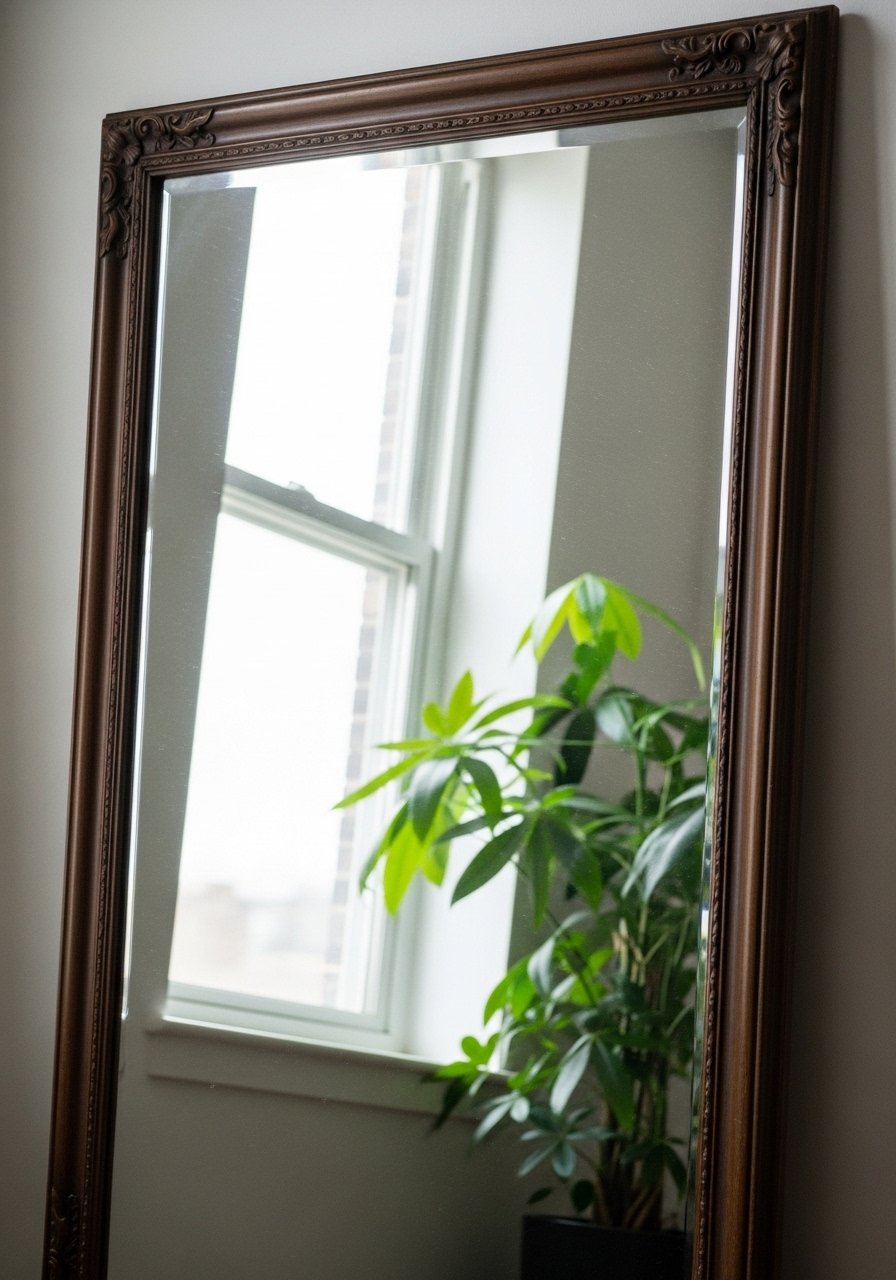
I leaned an oversized mirror behind a low console and it doubled the light from the window. Mirrors do more than reflect light, they make a room feel intentionally arranged. Aim for a mirror at least half the height of the tallest furniture on that wall and place it across from a light source for best effect. Antique-style arched mirror adds vintage flair. People often hang mirrors too high. Lower it so you can see your reflection from a standing position. If your corner still reads dark, add a warm lamp nearby so the reflection has depth.
Curved Brass Hardware on Modern Pieces
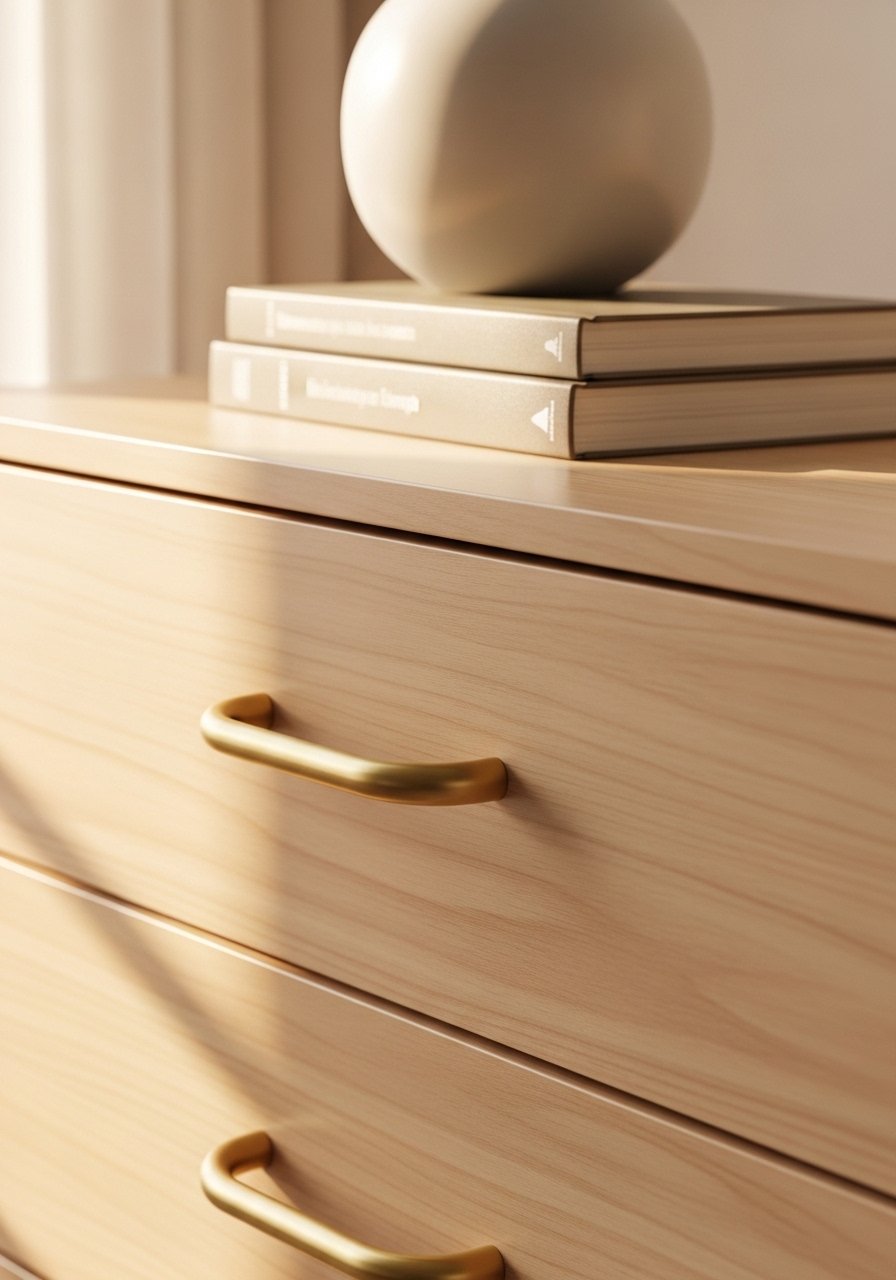
Replacing bland pulls was the $20 fix that made my Ikea dresser feel like an inherited piece. Curved brass hardware softens modern lines and adds a vintage note without replacing furniture. Use 3-inch center-to-center pulls on wider drawers and 1.5-inch knobs on smaller ones for scale. I swapped with Curved brass drawer pulls, set of 8. A common mistake is mismatching screw lengths. Measure your holes first and keep one original screw so you can match it. Mixing metals is fine, but keep the dominant metal consistent across the room.
Curated Bookshelves with Warm Ceramics and Found Objects
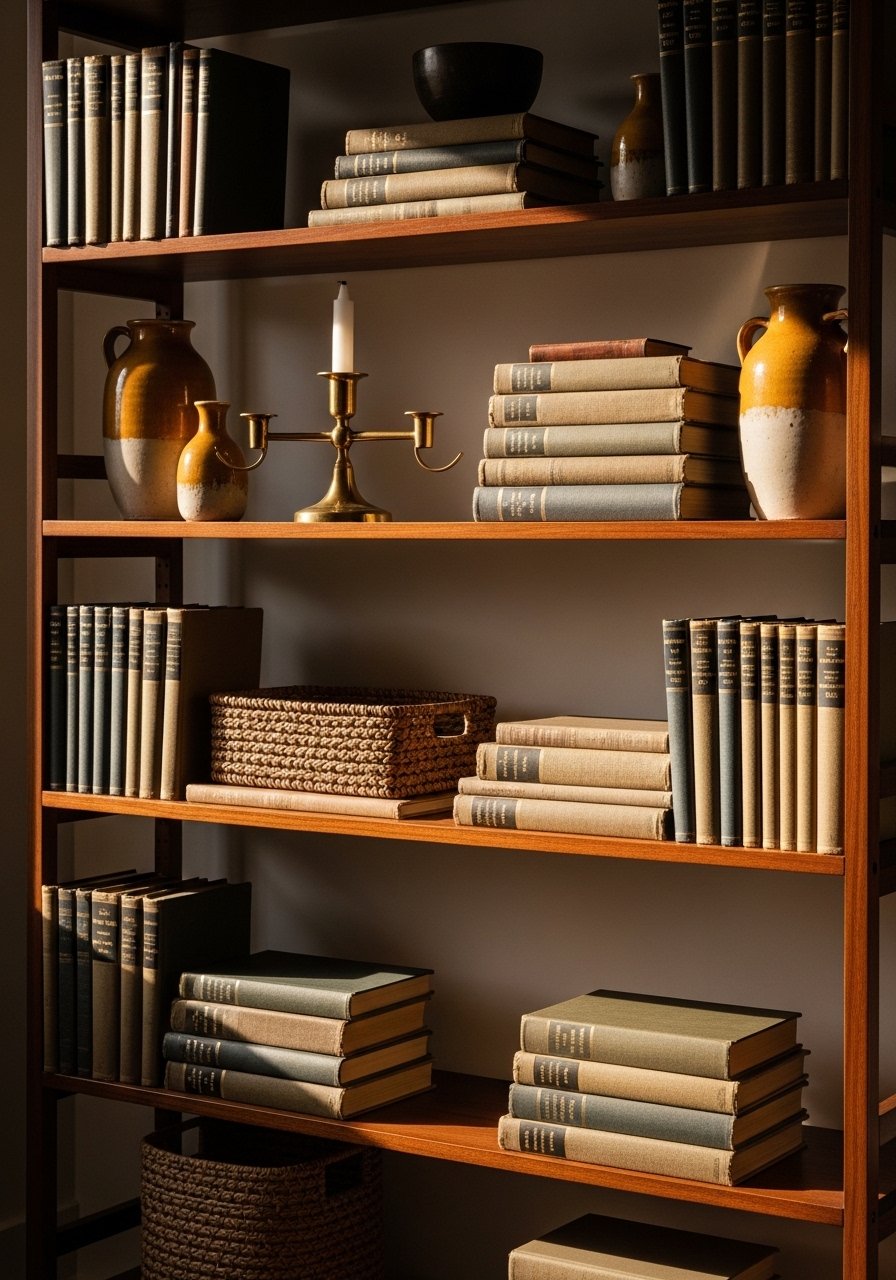
Bookshelves are where I let personality show. To avoid cluttered shelves, follow a rhythm: three vertical books, one horizontal stack, then an object. Use warm ceramics in terracotta or cream to punctuate the shelves and add varying heights with small stacks of 2 to 4 books. I like Hand-thrown ceramic vases, set of 3 to repeat a color story. A mistake people make is filling every shelf. Leave negative space so each piece has room to read. Pair this with the gallery wall idea for continuity across the room.
Reading Nook with Layered Pillows, Lamp, and Plant
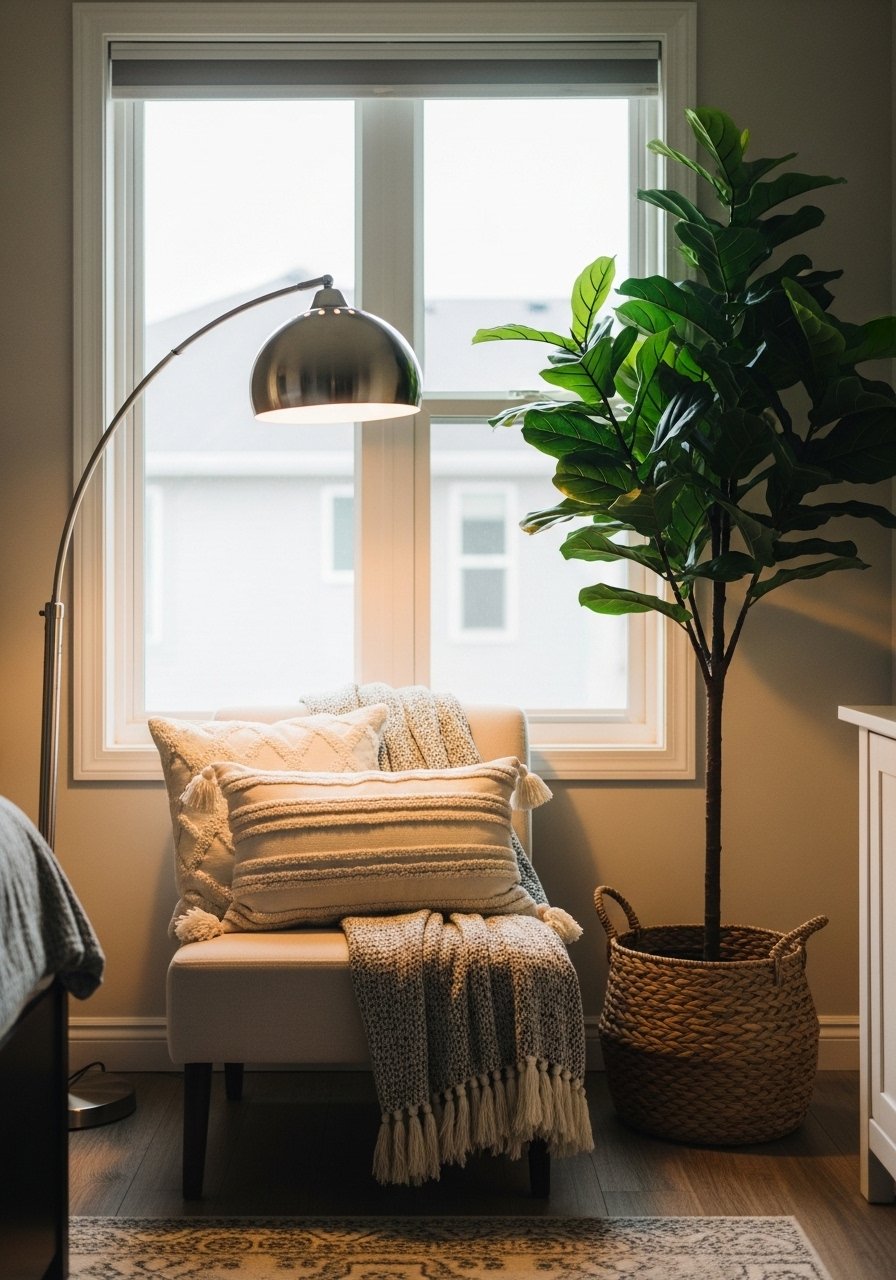
There is something about a reading nook that changes how you use a room. My nook started with a budget armchair, a floor lamp, and a tall plant. Use a 60-watt equivalent warm bulb, a small side table, and a 22-inch throw pillow with a 20×14 lumbar. For height, place a 6-foot faux fiddle leaf fig in a woven basket to anchor the corner. Common mistakes are choosing a lamp that is too low and a rug that is too small. Place the lamp so light hits your reading lap, and pick a rug that the chair sits fully on. Most folks tweak machine matches by eye to nail it, and the same human touch matters when layering textures in a tiny nook.
Your Decor Shopping List
Textiles
- Honestly the best $40 I have spent. Chunky knit throw in cream, 50×60 inches, washable knit
- Velvet pillow covers, set of 4, 22-inch, down-feel insert recommended
- 8×10 jute area rug for base layer, natural fiber
Wall Decor
- Found these while looking for something else. Brass picture ledges (~$20 each), 24-inch length
- Arched antique-style mirror 36×48 in aged brass finish
Lighting
- Amber glass table lamp, linen shade, 20 inches tall
- Warm 2700K LED bulbs, 4-pack
Furniture & Hardware
Plants & Objects
- Hand-thrown ceramic vases, set of 3
- 6-foot faux fiddle leaf fig in a woven basket
Most of these have similar finds at Target or HomeGoods if you prefer to see items in person.
Shopping Tips
Bold textures read better in photos. Grab this chunky knit throw to add instant texture.
Grab velvet pillow covers for $12 each. Swap them seasonally and the whole room feels refreshed.
Curtains should either puddle or kiss the floor, never hang halfway up. These 96-inch linen panels are right for 9-foot ceilings.
One statement plant beats five small succulents. Consider a 6-foot faux fiddle leaf fig for height without maintenance.
If you want vintage look without vintage price, pick one authentic vintage piece and mix it with modern basics. Brass picture ledges are an easy swap for a collected look.
Frequently Asked Questions
Q: How do I keep warm tones from making a room feel too orange?
A: Balance is key. Pair warm rust or mustard with a neutral like cream or soft gray. Use natural light tests at different times of day. Try swapping one warm accessory for a cool ceramic and see how your eye responds.
Q: Can I mix modern furniture with vintage decor without it looking messy?
A: Yes. Keep proportions and scale consistent. Use a single repeated accent color or metal to tie pieces together. For example, curved brass pulls on a modern dresser echo vintage hardware elsewhere.
Q: What rug size works for layered rugs in a living room?
A: Start with at least an 8×10 base rug under the seating area. Layer a 5×7 or runner on top, centered under the coffee table. Make sure front legs of sofas and chairs sit on the base rug.
Q: How do I test paint or lighting so the warm tones read right?
A: Test samples in your actual room at different times of day. Half the time that first paint match flops from light tricks. Try bulbs and pendant finishes in the space before full purchase.
Q: Are faux plants acceptable for a vintage look?
A: Both real and faux work. Real plants like snake plants add life, but a well-made faux fiddle leaf fig gives height and stays perfect. Use a woven basket or terracotta pot to make it feel authentic.