

Spent $400 on a dining set, then hated how it looked empty. Took me a weekend to realize the table needed weight and personality, not more furniture. Once I started trying different centerpieces, the whole room stopped feeling like a showroom and started feeling like ours. Here are 15 ways I actually used on my white table, with links to the pieces I bought.
These ideas lean modern cottage with a touch of vintage. Most setups are under $75, with a few splurges around $125. They work for formal dining rooms, breakfast nooks, and even open-plan kitchens if you want the table to feel intentional.
Low Ceramic Bowl with Seasonal Fruit and Greens

A shallow ceramic bowl keeps the sightline open while giving a sculptural anchor. I keep mine around 12 inches across, so it sits centered but still leaves six to eight inches to each place setting. Try a matte white serving bowl for under $40 and swap contents by season. Common mistake is overfilling the bowl. Leave negative space. A handful of citrus looks fresher than a mound of fruit. Tip: pair glossy fruit with matte ceramics to get a textural contrast some articles skip, and aim for a 70/30 ratio of round shapes to linear greens.
Single Sculptural Vase with a Low Bouquet

I learned to keep floral centerpieces below 14 inches so conversation flows across the table. One sculptural vase looks more intentional than three tiny mismatched bud vases. I used a stoneware sculptural vase and a small bouquet from the farmer's market, budget around $30 to $60. Mistake people make is using dense arrangements that block views. A sparse bouquet with varied stem lengths reads more expensive. Specific detail most guides skip, the vase lip diameter matters for stability, aim for 3.5 to 4.5 inches if you want a fuller look without wiring stems.
Clustered Candles on a Mirrored Tray for Warmth

Candles make dinner feel finished. I like mixing one large pillar with two smaller votives on a mirrored tray to bounce light. Use a beveled mirror tray and unscented pillars for around $25 to $60 total. The mistake is scattering candles without a base. The tray protects the table and visually ties things together. A tiny detail I use is spacing candles so there are 3 to 4 inches between flames for safety and balance. This works great when paired with the greenery runner idea below.
Lush Greenery Runner with Votives for Everyday
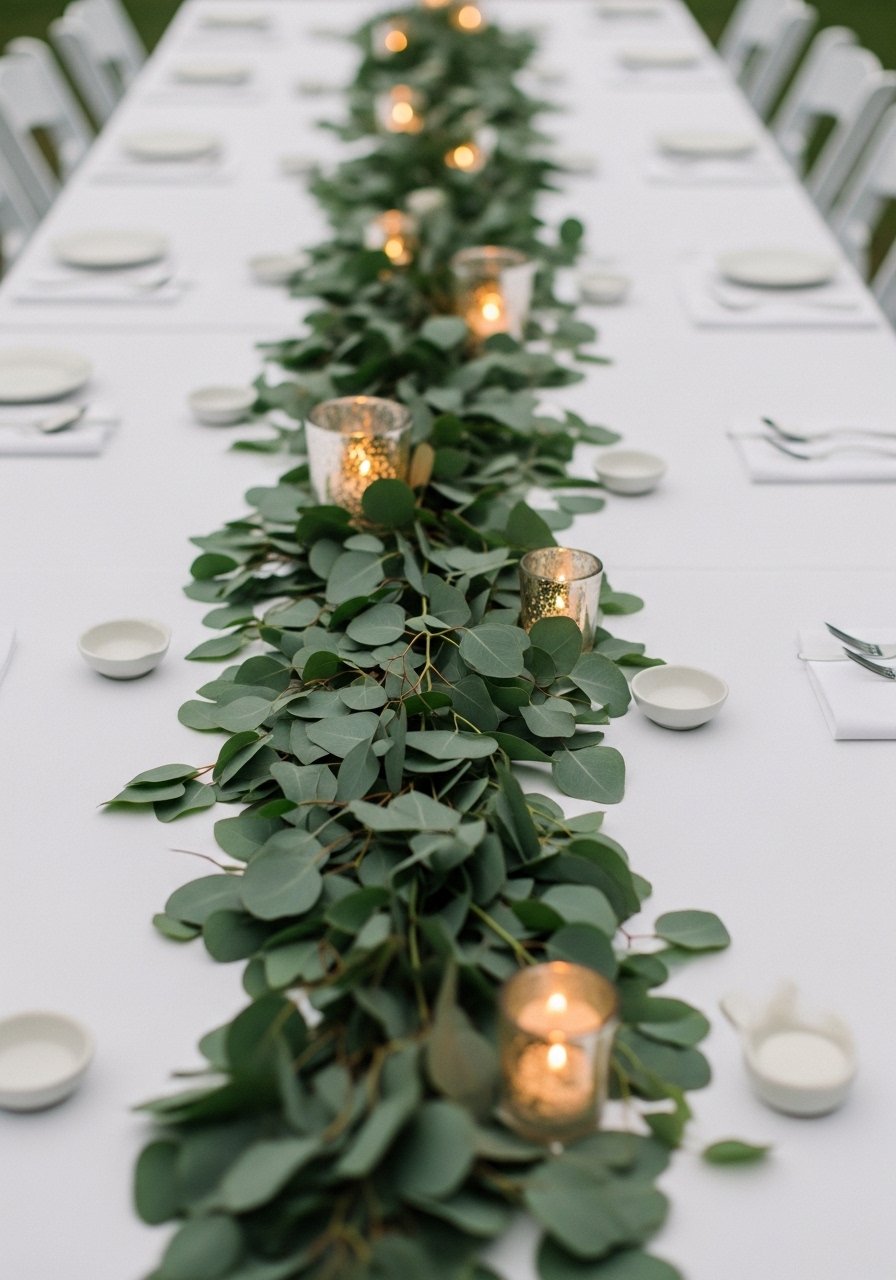
A faux eucalyptus runner lasts all month and still reads fresh. I layer 2 to 3 strands for a full look and tuck in glass tea light holders every 8 to 12 inches. Budget is $30 to $70. The common mistake is making the runner too narrow. Aim for runner width that covers one third of the table surface so it feels anchored but not blocking place settings. One detail I learned is to stagger leaf clusters so gaps look intentional. If you hate upkeep this is the easiest daily look.
Minimal Tray with Stacked Books and a Small Plant

This is my go-to when I want personality without florals. Stack two coffee table books, top with a 3-inch succulent pot and a votive. Total cost under $50 if you already own books. Mistake: choosing books smaller than the tray. Books should fill at least 60 percent of the tray footprint or the composition looks top-heavy. Fresh angle here is using books tied to your life, not generic decor props, which gives guests something to ask about.
Woven Basket Filled with Textured Napkins and a Candle
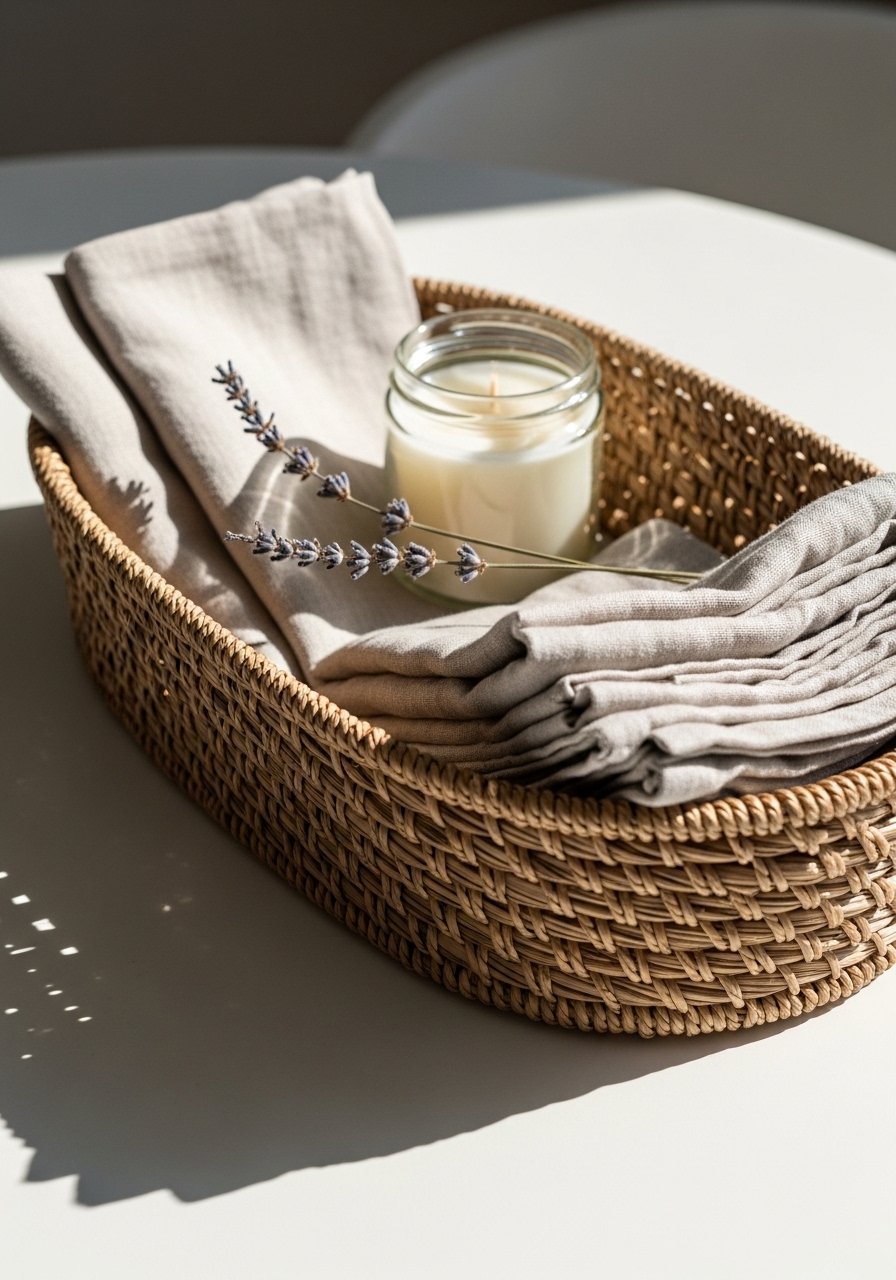
A basket adds warmth and soft texture against white wood. I use one about 14 by 9 inches so it sits without invading place settings. A seagrass basket costs around $20 to $40. People often over-stylize by using tiny decorative bowls. Instead, practical items like napkins and salt cellars make it feel lived-in. The specific trick I use is folding napkins in thirds and fanning them for volume. Works great for casual dinners where you want easy cleanup.
Marble Platter with Mixed Metals for a Polished Look

Marble grounds white tables without competing. Use a 12-inch marble platter and cluster metal accents on it. I bought a round marble cheese board and mixed brass and matte black pieces, total about $60 to $120. Mistake is matching all metals. Mixing metals feels edited. The styling rule I use is the rule of three for objects and an 80/20 color ratio with metals being the 20 percent. This approach reads curated, not cluttered.
Mini Terrarium with Succulents for Low Maintenance
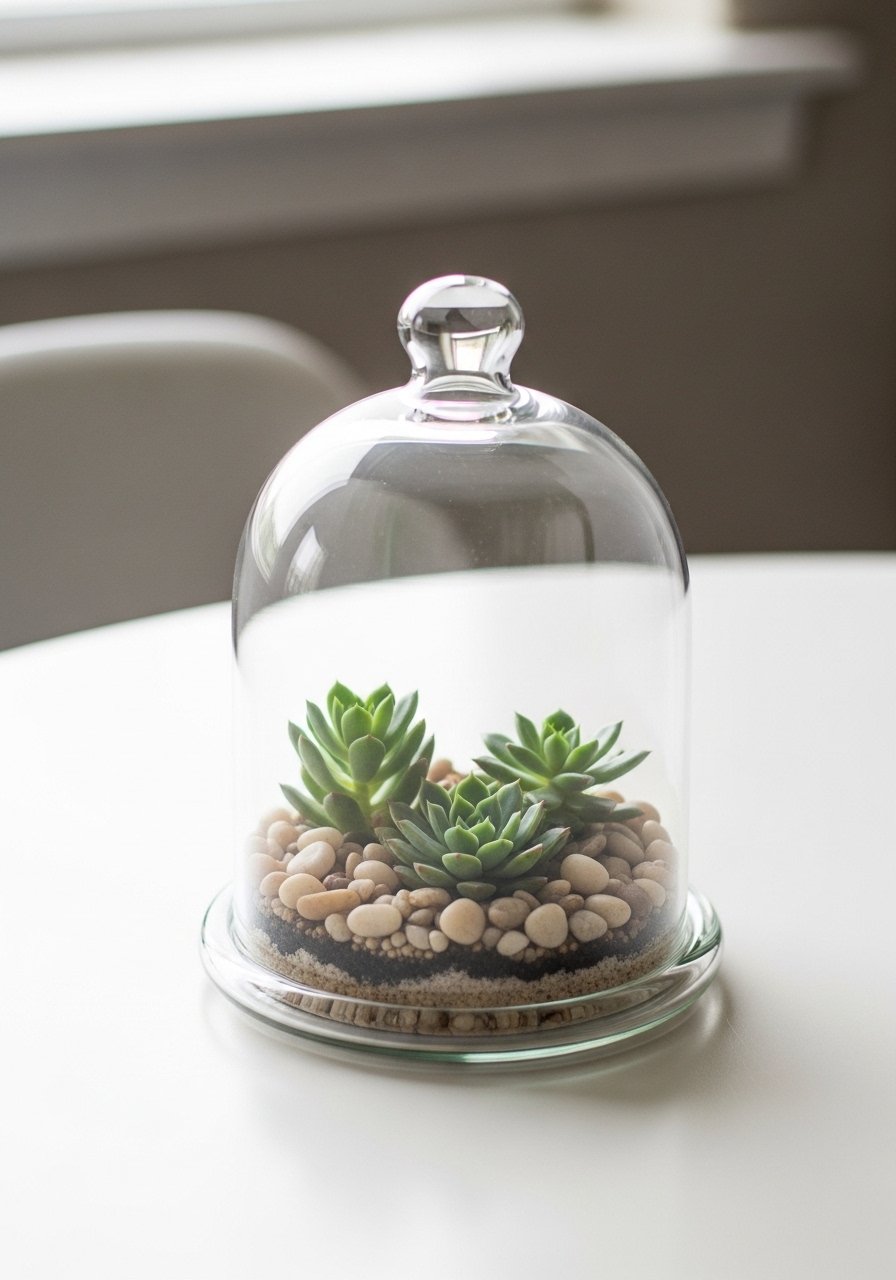
If you want green but no fuss, a small terrarium is perfect. I keep mine 8 to 10 inches wide and place it on a cork coaster to avoid condensation rings. A glass cloche terrarium is about $30 to $50. Common mistake is crowding too many plants in a small glass dome. One or two succulents with sand and pebbles breathe and look chic. Most people buy five small succulents. One single 6-foot fiddle leaf fig has ten times the visual impact, but that is for corners, not tabletops.
Mix of Ceramics and Glass in Varied Heights
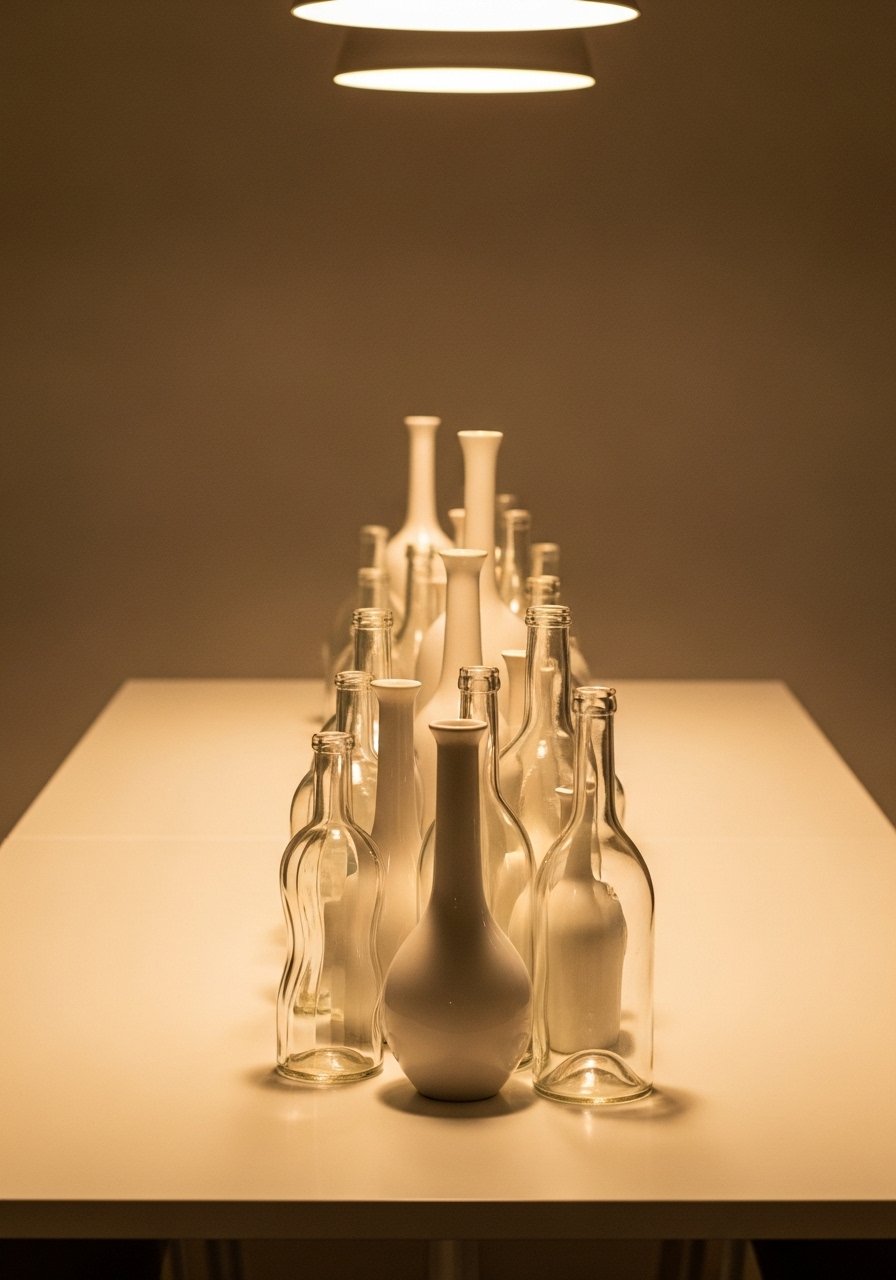
Grouping ceramics and glass in three to five pieces creates rhythm. Keep the tallest piece under 16 inches. I use a set of mixed vases and swap stems seasonally, budget $40 to $90. The mistake is using identical heights. Stagger heights in thirds and use one material as the anchor. A little-known trick is to place a narrow glass bottle next to a matte ceramic to make both read more interesting.
Shells and Sand in a Glass Bowl for Beachy Summers

Swap to coastal in the summer. I layer about half an inch of sand and arrange shells with a couple of taller pieces for dimension. Use a large glass bowl around $25 to $45. Mistake is overpacking the bowl. Leave negative space so each shell reads. Specific tip most guides skip, arrange shells so the largest piece is off-center and face it toward the head of the table to create a subtle flow.
Cloches Over Single Objects for an Edited Look

Putting one object under a cloche makes it feel intentional. I use a 6 to 8 inch cloche and change the object by season. A small glass cloche runs $20 to $40. People often think you need many objects. One curated item creates focus. A detail few mention, choose a cloche base that contrasts the object. White-on-white can read flat, so I use a wood base under white ceramics for warmth.
Vintage Linen Runner with Wildflower Jars

A runner adds softness on white tables. I choose a runner that leaves 10 to 12 inches of bare table at each end so it never looks shortened. A 16-inch linen runner is $20 to $35. Mistake is using a runner too narrow. The runner should cover about one third of the table width. Pair with small mason jars for $15 to $25 and you have an easy country vibe that hides imperfections.
Mismatched Candlesticks in Mixed Metals for Dinner Parties
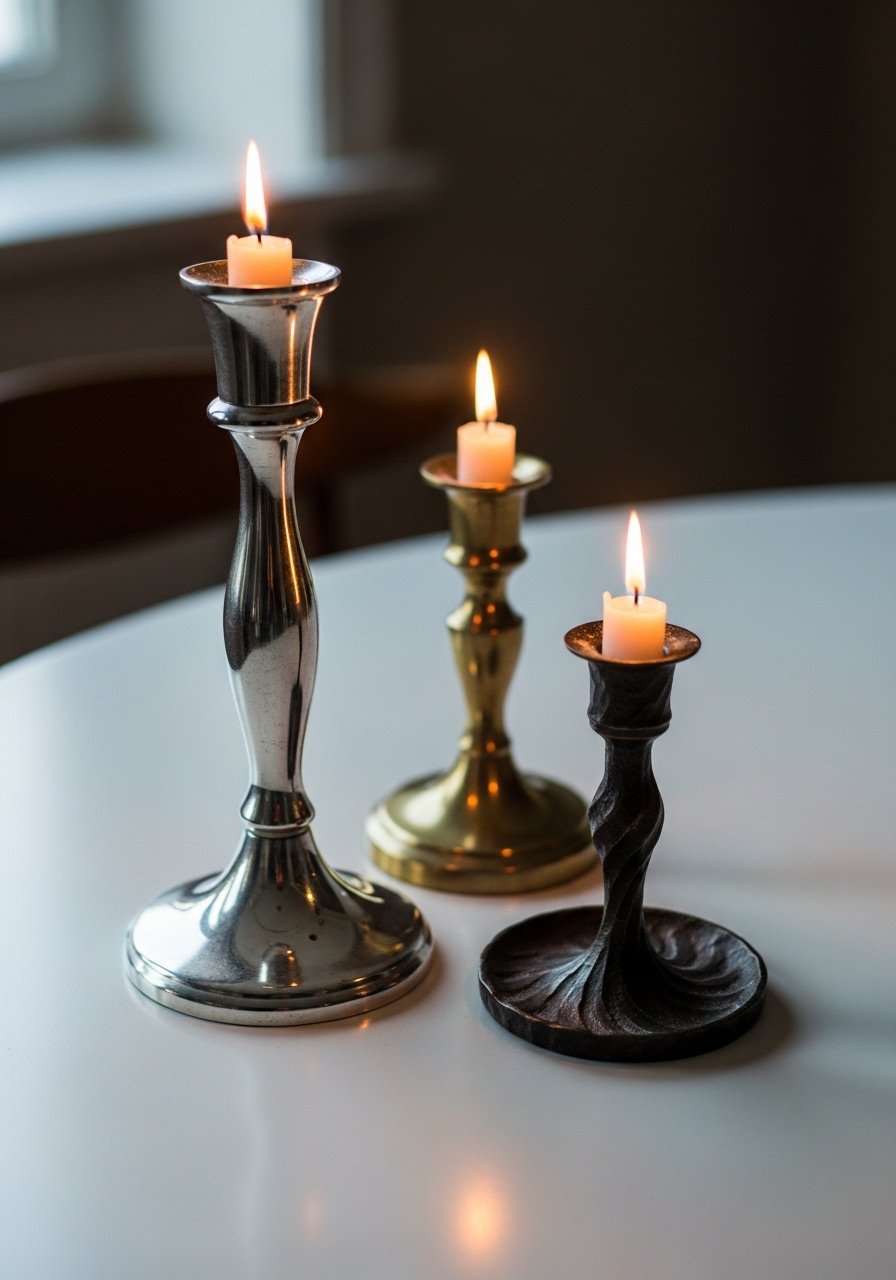
I love mismatched candlesticks because they look collected. Use a mix of three to five holders, tallest in the center. Shop a mixed metal candlestick set for about $40 to $90. The mistake is uneven spacing. Keep consistent gaps of 3 to 5 inches to avoid a haphazard look. Specific tip, alternate finishes rather than group them by metal. That small swap feels modern and deliberate.
Monochrome White Pottery Grouping with Texture Play

A monochrome arrangement reads calm on a white table. I mix finishes so the pieces do not disappear into the surface. A set of white vases for $35 to $80 works well. Mistake: using all smooth finishes. Add one glossy piece among mattes to catch light. A detail others skip is keeping at least one object textured to give your eye a place to rest.
Wooden Bead Garland Draped Around a Bowl for Casual Layers

Wooden beads soften a clean white surface and introduce organic shape. I like a 5-foot garland so it can loop and still drape. A wooden bead garland is under $25. The mistake is tucking the garland flat. Let it loop and gain height. One small detail I use is alternating bead sizes for rhythm, which many quick lists miss.
Your Decor Shopping List
Matte white serving bowl (12-inch, ceramic), perfect for seasonal fruit, ~$40.
Stoneware sculptural vase (10-14 inches, soft cream), $45-$90.
Beveled mirror tray (12×6 inch), budget pick for candle groupings, ~$30.
Glass tea light holder set (set of 6), ~ $18. Similar at Target.
Seagrass oval basket (14×9 inches), great for napkins, ~$30.
Round marble cheese board (12-inch), use as base for metals, ~$65.
Glass cloche terrarium (8-inch dome), for succulents, ~$35.
Mixed-ceramic-glass-vase set (3-piece), easy seasonal swaps, ~$50.
16-inch linen table runner (frayed edge), warm texture, ~$28.
Wooden bead garland 5-foot (natural wood), versatile, ~$20.
Shopping Tips
White oak beats dark wood in current feeds. These white oak floating shelves look current, not heavy.
Grab a set of glass tea light holders for $15. Swap candle scents with the seasons to make your table feel new.
Curtains should puddle or kiss the floor, never hang halfway up. These 96-inch linen panels are right for standard 9-foot ceilings.
Lead with a signature piece. Try a stoneware sculptural vase and change the filler seasonally. It keeps costs down and impact high.
Everyone buys five small succulents. One single faux fiddle leaf fig 6-foot has ten times the visual impact for corners, not tabletops.
Frequently Asked Questions
Q: How tall should a dining table centerpiece be so guests can talk?
A: Keep table centerpieces under 14 inches for seated sightlines. For taller elements use single slim vases placed off-center so people can see across the table.
Q: Can I mix metals on the table without it looking messy?
A: Yes, mix metals. Let one finish be dominant and the others act as accents. For example, use brass as a pop and matte black as the grounding metal.
Q: What runner width looks balanced on a standard table?
A: Aim for a runner that covers about one third of the table width. That usually reads intentional and leaves space for place settings. Leave 10 to 12 inches of bare table at each end.
Q: How do I keep a centerpiece from moving during dinner?
A: Use trays or mats under objects and group pieces so they support one another. A 12-inch tray under candles or ceramics prevents sliding and creates a defined zone.
Q: Are faux plants acceptable for centerpieces?
A: Absolutely. Faux greenery has come a long way and is ideal for busy people. Use a believable texture and arrange in odd numbers for realism.
Q: What is a quick swap to change a centerpiece for the season?
A: Swap the filler. Keep the same bowl or tray and change lemons to pine cones, or eucalyptus to cotton stems. Small changes create a fresh look without buying new pieces.